A buyer-oriented guide to choosing a South Florida residence near the energy of private clubs, beach clubs, golf, dining, and marina culture while keeping the home itself independent, practical, and enduring.

For a Beverly Hills buyer arriving in South Florida, the first instinct is often to look for a familiar social framework: private dining rooms, wellness rituals, tennis calendars, golf weekends, beach cabanas, marina moments, and the quiet confidence of being known by name. Yet the strongest residential purchase is rarely the one that relies on a club membership to make daily life feel complete.
Club-adjacent living is different. It places the residence within easy reach of the social, sporting, and hospitality circuits that define a refined South Florida lifestyle, while the home itself remains compelling on its own terms. The view, plan, privacy, arrival sequence, service quality, and neighborhood rhythm must work even on evenings when the buyer wants no reservations, no guests, and no agenda.
This is where the South Florida search becomes more nuanced than a simple neighborhood comparison. Miami Beach, Coconut Grove, Brickell, Fisher Island, Bal Harbour, Surfside, Fort Lauderdale, Boca Raton, and Palm Beach each offer a different relationship between private life and club life. The goal is not to buy near the most discussed address. The goal is to choose the setting where access feels effortless, but never mandatory.
A disciplined search begins inside the residence. Before evaluating proximity to a club, consider how the home performs on ordinary days. Is there enough separation between entertaining and sleeping areas? Does the primary suite feel removed from the social core? Can guests arrive without disrupting family routines? Does the terrace offer a real reason to stay home rather than go out?
For buyers used to Los Angeles privacy, this distinction matters. South Florida’s strongest luxury properties often trade on views, service, and vertical convenience, but not every glamorous address will suit a buyer who values discretion. A residence should support three modes: private retreat, polished hosting, and spontaneous access to the city. If one of those modes is missing, the club may become a substitute for the home rather than an enhancement to it.
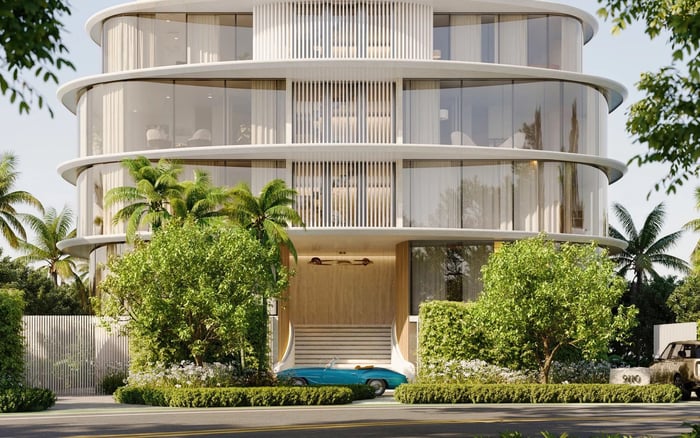
That is why residences such as The Perigon Miami Beach are best considered through a broader lens than location alone. The question is not simply whether an address is near beach culture or private hospitality. The question is whether the residence offers enough architectural and emotional substance to make staying in feel rewarding.
Miami Beach is not one lifestyle. Depending on the building, block, and daily routine, it can feel oceanfront and contemplative, resort-oriented and social, historic and walkable, or intensely private. For a club-adjacent buyer, the essential distinction is between being near energy and living inside it.
An oceanfront residence can deliver immediate access to sand, sunrise, and the rituals of beach living while still allowing a controlled private experience. A more central position may shorten the distance to dining and social plans, but it also requires sharper attention to sound, traffic flow, valet operations, and guest logistics. The more social the setting, the more important the building’s private infrastructure becomes.
Buyers comparing Miami Beach options may look at The Ritz-Carlton Residences® Miami Beach as part of a conversation about residential calm near the city’s cultural and coastal life. The key is to separate brand familiarity from lifestyle fit. A name may signal service expectations, but the decisive factors remain floor plan, orientation, privacy, and how the property feels at the exact times the owner will use it most.
Coconut Grove often appeals to buyers who want access without the theatricality of a more visible address. It can feel residential, shaded, and village-like, with a rhythm suited to buyers who prefer lunches, boats, school conversations, wellness appointments, and dinners to unfold without a sense of performance. For club-adjacent living, that softer cadence can be highly valuable.
The Grove is also useful for buyers who do not want every social plan to begin with a car and a reservation. A residence here can support a more grounded daily life while keeping Miami’s broader hospitality and cultural network within reach. It is not a retreat from the market. It is a different interpretation of status, one based on ease rather than exposure.
A project such as Four Seasons Residences Coconut Grove belongs naturally in this discussion for buyers who want service, privacy, and neighborhood texture in the same sentence. In a Buyer's Guides context, Coconut Grove is less about chasing the loudest social calendar and more about choosing a home that makes selective participation feel natural.
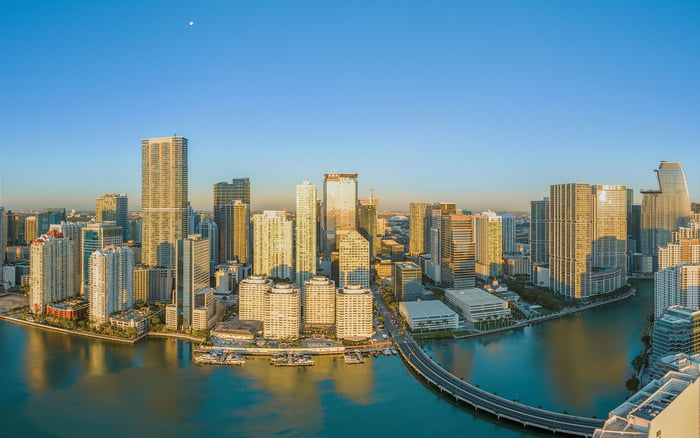
For some buyers, the club-adjacent lifestyle is not centered on golf, beach, or tennis. It is about private dining, business lunches, wellness appointments, cultural events, and the ability to move from residence to meeting to dinner without friction. In that sense, Brickell can function as its own modern club environment, especially for owners who value time as the ultimate luxury.
The risk in Brickell is overestimating convenience and underestimating personal tempo. A high-service tower may be ideal for an owner who wants energy below and calm above. It may be less suitable for a buyer seeking garden privacy, low-density arrival, or a quieter weekend rhythm. The correct Brickell purchase should feel like a private aerie rather than a compromise made for proximity.
Residences such as St. Regis® Residences Brickell can be evaluated for how well they translate hospitality expectations into daily residential life. The essential question is whether the building lets an owner participate in the city by choice, not because the home lacks enough depth to hold attention.
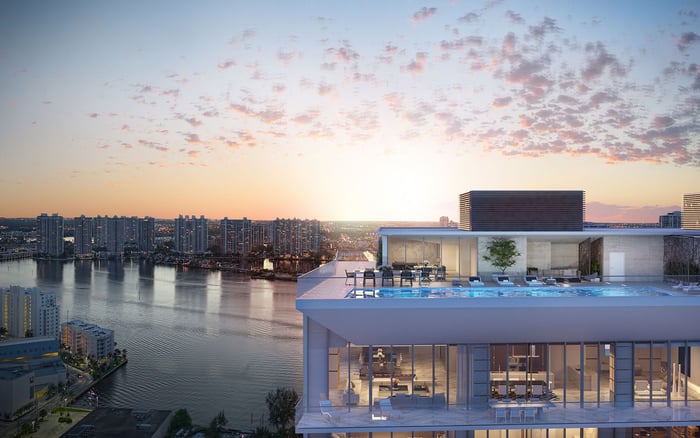
Waterfront property carries its own form of club adjacency. It places the owner near boating culture, sunset rituals, marine views, and the slow choreography of South Florida outdoor life. But waterfront should not be treated as a single category. Open-water drama, bayfront calm, canal access, and oceanfront exposure all create different living experiences.
A buyer coming from Beverly Hills may be drawn to the idea of water as the new hillside view. That comparison can be useful, but incomplete. Water changes the way a home is used. Terraces become rooms. Morning light becomes part of the schedule. Privacy depends on sightlines as much as gates. The best waterfront choices allow the owner to feel connected to the region without surrendering the quiet authority of home.
For the buyer who wants club-adjacent living without social dependency, the waterfront test is simple: would the residence still feel special on a night with no dinner plan, no boat plan, and no guests? If the answer is yes, the lifestyle is anchored in the property rather than borrowed from nearby amenities.
The most common mistake is allowing a membership aspiration to drive the entire real estate decision. Clubs can change, rules can evolve, family routines can shift, and personal interests can become more or less important over time. A home, by contrast, is a long-term platform for daily living.
A stronger approach is to underwrite the property first and the club layer second. Study the residence for privacy, light, volume, storage, parking, service pathways, guest comfort, and resale breadth. Then consider the nearby social ecosystem as a bonus that deepens the experience. When that hierarchy is reversed, the buyer risks owning a home that only feels complete when the calendar is full.
This does not mean clubs are unimportant. They can be central to friendships, wellness, family routines, and business culture. But the residence should be resilient enough to remain desirable even if the owner’s relationship to that club changes.
What does club-adjacent mean in a South Florida home search? It means choosing a residence near private, social, sporting, or hospitality circles while ensuring the home itself delivers privacy, comfort, and daily value.
Is Miami Beach the best choice for this lifestyle? Miami Beach can be ideal for buyers who want coastal access and social proximity, but the right fit depends on privacy needs, building quality, and personal rhythm.
Should I buy based on access to a specific club? Usually no. Treat club access as a lifestyle layer, not the foundation of the purchase decision.
How does Coconut Grove differ from Miami Beach? Coconut Grove often feels quieter and more residential, while Miami Beach can offer a more immediate coastal and social atmosphere.
Can Brickell be considered club-adjacent? Yes, if the buyer defines club life through dining, business, wellness, and urban convenience rather than traditional beach or golf settings.
Why is waterfront property important in this conversation? Waterfront living can create a self-sufficient lifestyle, where views, terraces, and outdoor rituals reduce dependence on outside venues.
What should Beverly Hills buyers prioritize first? Prioritize privacy, arrival experience, floor plan, service, and the emotional quality of the residence before focusing on social access.
Is golf access essential for club-adjacent living? Not for every buyer. Golf is one expression of the lifestyle, but dining, wellness, boating, and beach routines may be more relevant.
How do I avoid overbuying into a social scene? Choose a home that feels complete on quiet nights, then let nearby clubs and restaurants add optionality rather than necessity.
What is the best way to shortlist comparable options for touring? Start with location fit, delivery status, and daily lifestyle priorities, then compare stacks and elevations to validate views and privacy.
To compare the best-fit options with clarity, connect with MILLION.
If branded residences are on your mind — as a home or as an allocation — we would be glad to share what we are seeing, privately.
Begin a quiet conversation