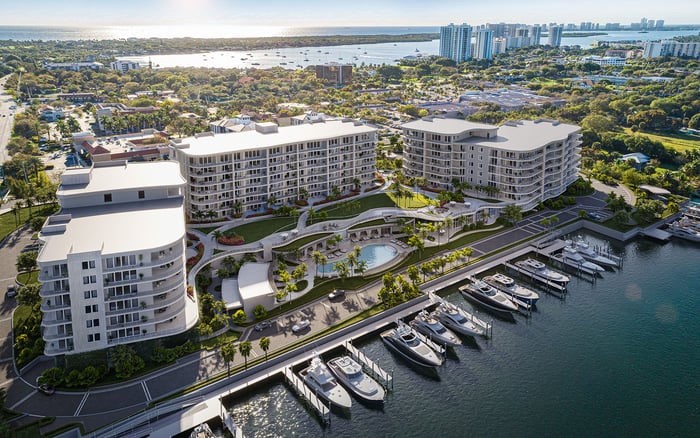
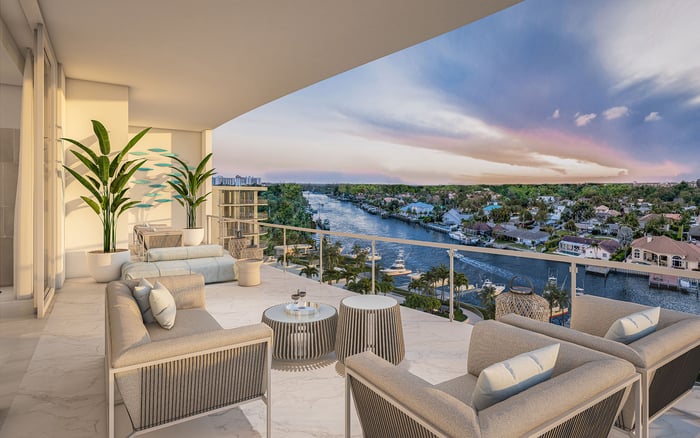
A practical guide for Greenwich buyers evaluating West Palm Beach property, focused on homestead exemption strategy, residency intent, ownership structure, closing timing, and advisor coordination.
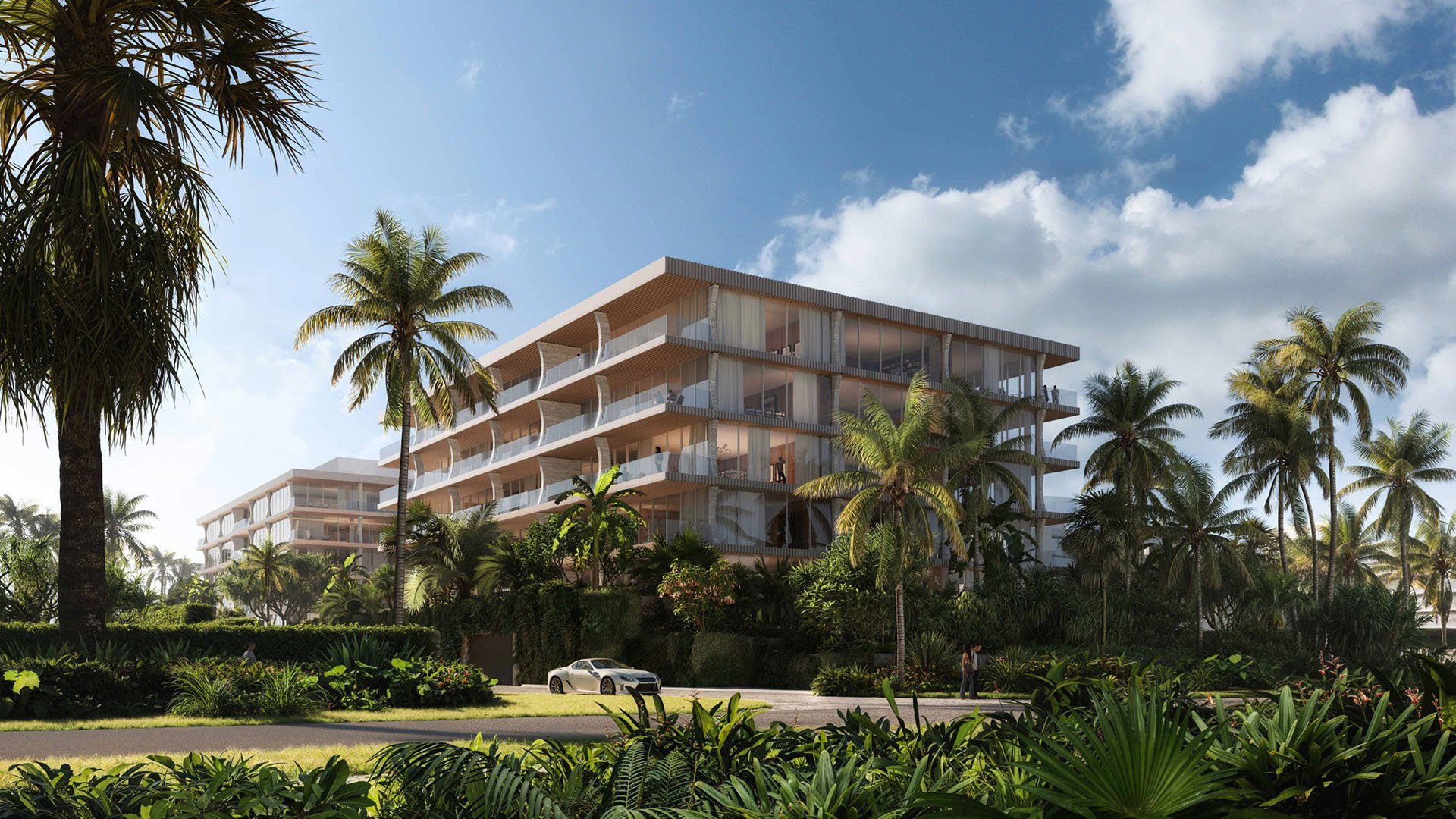
For a Greenwich buyer considering West Palm Beach, the homestead exemption conversation should begin before the first serious offer. It is not a property-tax footnote. It is a residency, ownership, and timing issue that can shape title, closing, personal use, documentation, and the broader transition from a long-held northern base to a South Florida primary residence.
In the ultra-luxury market, the issue can appear straightforward: buy a residence, spend meaningful time in Florida, and determine whether the home may qualify for homestead treatment. In practice, affluent households are often more layered. They may own multiple residences, hold assets through trusts or entities, maintain business interests elsewhere, or divide time among Greenwich, Palm Beach, New York, the Hamptons, Aspen, Europe, and the Caribbean. That complexity is exactly why the strategy should be designed with counsel before contract execution, not reconstructed months after closing.
The right question is not only whether a West Palm Beach home feels like home. It is whether the buyer’s ownership structure, occupancy pattern, documentation, and long-term intent tell the same story.
Luxury buyers often begin with view corridors, terrace depth, ceiling height, service access, wellness amenities, and marina proximity. Those details matter, but they should sit beside a more private question: is this purchase intended to become the buyer’s principal Florida residence, or is it a seasonal retreat with occasional family use?
That distinction should guide the search. A buyer who intends to build a primary life in West Palm Beach may evaluate buildings differently than a buyer seeking a lock-and-leave pied-à-terre. Proximity to physicians, clubs, schools for visiting grandchildren, airport access, pet routines, household staff logistics, and year-round service quality can become as relevant as the view. Residences such as Alba West Palm Beach may enter the conversation not simply as lifestyle options, but as part of a broader decision about how a buyer expects to live in the city.
The most elegant plan is usually the most consistent one. If the home is meant to anchor a Florida life, the buyer’s behavior should support that position over time. If it is not, the strategy should be equally candid. Sophisticated planning is not about forcing a residence into the wrong category. It is about matching the purchase to the household’s real intentions.
Greenwich buyers frequently arrive with established estate plans, family partnerships, revocable trusts, limited liability companies, and multiple advisory relationships. Those structures may be valuable for privacy, succession, or asset management, but they should be reviewed before anyone assumes they are compatible with a homestead exemption strategy.
The form of ownership can matter. So can who occupies the home, who claims it as a primary residence, and whether the property is held for personal use, family use, investment, or a mixture of purposes. A residence purchased casually in one name, then moved into a trust later, may create avoidable questions. A home acquired for one generation but used primarily by another may require a different conversation. A property that may occasionally be leased, lent to relatives, or used by guests should be discussed candidly with advisors.
This is especially important for buyers comparing West Palm Beach with Palm Beach, Boca Raton, and Miami. Each market can satisfy a different version of South Florida living. A buyer drawn to Forté on Flagler West Palm Beach may be thinking about a waterfront daily routine, while another may prefer a club-oriented estate environment or a branded residential setting. The legal and tax planning should follow the intended use, not the other way around.
New residences add another layer. A buyer purchasing a completed condominium can usually assess occupancy timing more directly. A buyer entering a pre-completion or newly delivered building must think through when the unit will be available, when it will be furnished, when personal occupancy can begin, and how that timing aligns with any exemption planning.
For this reason, buyers should ask practical questions early. When is closing expected? Will the residence be ready for immediate use? How long will design, furnishings, smart-home programming, art installation, and staff setup take? Is the buyer planning to live there promptly, or will the residence remain in transition for a period of time? These questions may feel operational. For a homestead exemption strategy, they can be consequential.
A polished residence at Mr. C Residences West Palm Beach or Shorecrest Flagler Drive West Palm Beach may appeal to buyers seeking a refined city base. Still, the acquisition should be paired with a calendar. Closing, occupancy, documentation, and personal routines should not be left to chance, particularly when a family is transitioning from a deeply rooted Greenwich lifestyle.
High-net-worth buyers are accustomed to discretion, but discretion should not be confused with ambiguity. A well-organized transition leaves a clear paper trail. Advisors may discuss driver documentation, voter registration, mailing addresses, vehicle registration, insurance, estate planning updates, professional licenses, charitable ties, club memberships, banking records, medical relationships, and where important personal decisions are actually made.
Not every household will adjust every item at once. Nor should buyers treat any single document as a magic solution. The strength of a residency position often lies in the cumulative picture: where the buyer lives, where the buyer returns after travel, where the buyer’s most important domestic routines are centered, and whether the records are consistent.
For Greenwich families, this can be emotionally delicate. A northern home may remain beloved, useful, and significant. The objective is not to erase that history. It is to clarify the role of the West Palm Beach home within the family’s present and future life.
Homestead exemption strategy should not be treated as a discount mechanism in the negotiation. It is not a substitute for underwriting the property on its own merits. Instead, it should shape the buyer’s diligence checklist and closing discipline.
Before signing, buyers should coordinate the real estate advisor, tax counsel, estate attorney, and title team. They should understand how the property will be owned, who will occupy it, how soon it will be used, and what post-closing steps should be completed. If renovation, furniture procurement, or building delivery delays are likely, those issues should be built into the strategy.
In this sense, the best South Florida purchase is not merely beautiful. It is coherent. The residence, documents, advisors, and lifestyle all point in the same direction. For buyers moving from Greenwich to West Palm Beach, that coherence is often the difference between a purchase that feels indulgent and one that functions elegantly.
Should a Greenwich buyer discuss homestead exemption before making an offer? Yes. The discussion can affect title, timing, occupancy planning, and the advisory team’s closing checklist.
Is homestead exemption strategy the same as choosing a beautiful primary residence? No. A property may be beautiful and still require careful review of ownership, use, and residency intent.
Can a second home in West Palm Beach automatically qualify? Buyers should not assume that. The intended role of the property and the buyer’s broader residency facts need review.
Does using a trust or entity make planning more complicated? It can. Existing estate and privacy structures should be evaluated before the purchase contract is finalized.
Why does closing timing matter for new condominiums? Delivery, furnishing, and actual occupancy can affect how a buyer organizes the broader residency transition.
Should family use be discussed with advisors? Yes. Frequent use by relatives, guests, or multiple generations can change the planning conversation.
Is West Palm Beach different from Palm Beach for this strategy? The lifestyle and property formats may differ, so buyers should align the legal plan with actual intended use.
Can a buyer keep a Greenwich residence after buying in Florida? Many buyers maintain more than one home, but the role of each residence should be clearly documented.
Who should be involved in the planning process? A real estate advisor, tax counsel, estate attorney, and title team should coordinate before closing.
What is the most important principle for affluent buyers? Consistency. The ownership structure, records, occupancy, and daily life should support the same residency story.
For a tailored shortlist and next-step guidance, connect with MILLION.
If branded residences are on your mind — as a home or as an allocation — we would be glad to share what we are seeing, privately.
Begin a quiet conversation