A discreet buyer’s guide to weighing global brand cachet against neighborhood authenticity for philanthropic couples choosing a South Florida residence.
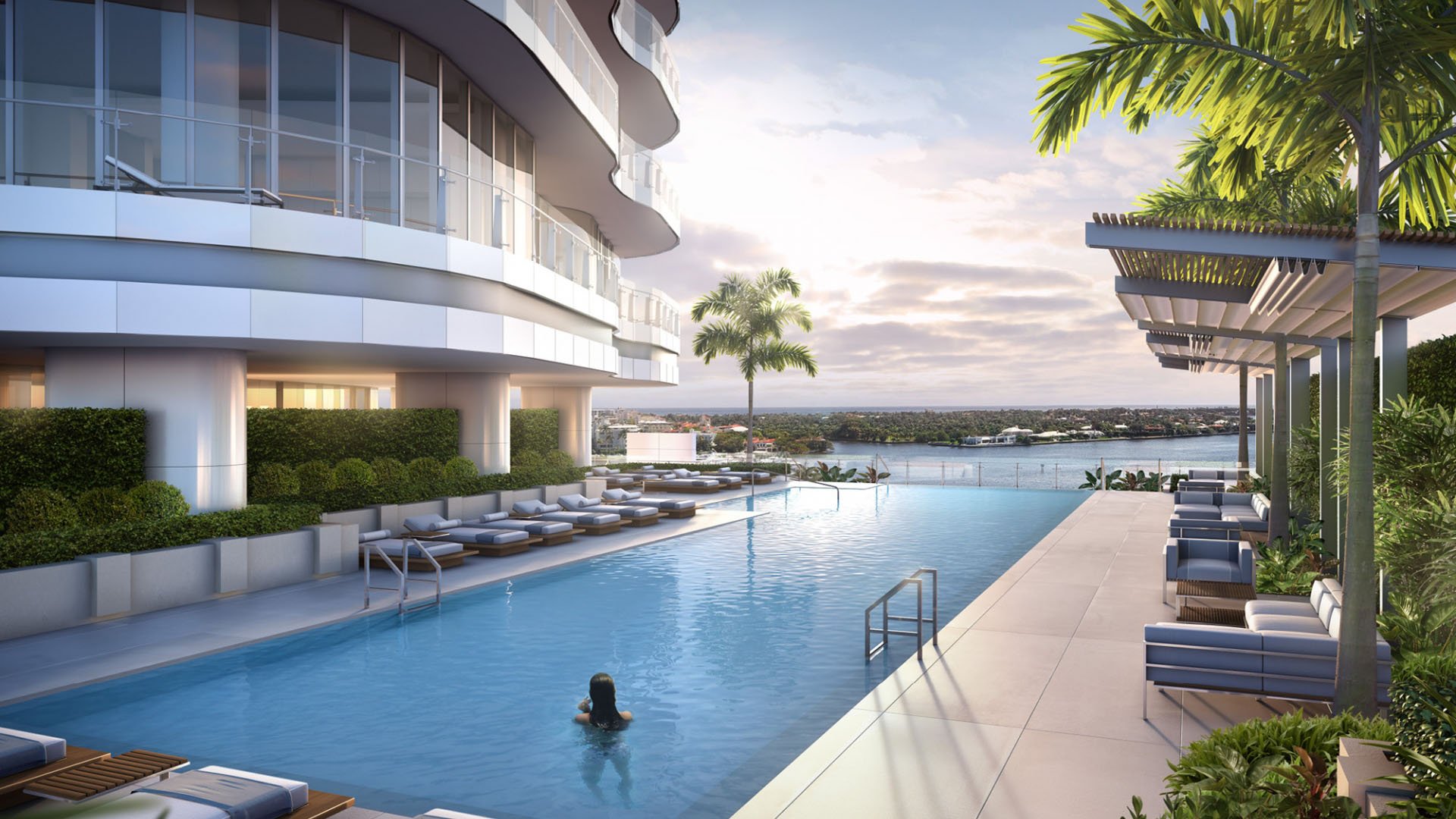
For philanthropic couples, a South Florida residence is rarely just a private retreat. It is a social instrument: a family base, a setting for intimate dinners, board conversations, school benefits, museum weekends, health-focused routines, and quiet recovery between public commitments. The question is not simply whether a home is beautiful. It is whether the address supports the couple’s identity in the rooms where reputation matters.
That is why the choice between global brand cachet and neighborhood authenticity has become so nuanced. A globally recognized residential brand can communicate service standards before a guest reaches the elevator. A rooted neighborhood communicates something more subtle: belonging, local literacy, and a willingness to participate in the civic life around the home. For couples whose giving is both personal and public, both forms of prestige have value.
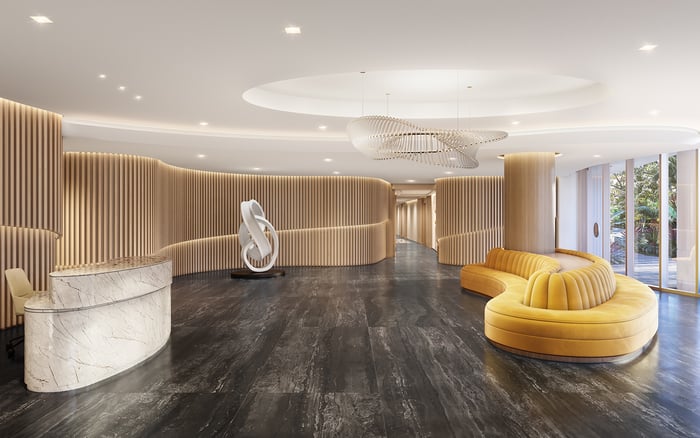
Brand cachet appeals because it reduces ambiguity. In a market filled with towers, private clubs, wellness concepts, and waterfront enclaves, a recognizable name creates immediate context. The buyer understands the promise: a particular approach to arrival, staff culture, amenities, design language, and hospitality. For couples who move between cities, host international guests, or maintain several residences, that continuity can be deeply practical.
This is especially relevant in branded residences, where the name over the door becomes part of the social shorthand. A Brickell residence such as 888 Brickell by Dolce & Gabbana speaks to buyers who want a globally legible design and fashion reference in the center of Miami’s high-energy urban core. The appeal is not only aesthetic. It is the comfort of an identity that travels.
For philanthropic couples, brand cachet can also simplify entertaining. Guests often arrive with expectations already formed. The residence becomes easy to explain, easy to place in the imagination, and easy to position within a broader lifestyle of patronage, collecting, travel, and cultural participation. In that sense, brand is not decoration. It is a form of diplomatic language.
Authenticity works differently. It is not always announced at the porte cochere. It is discovered through walking patterns, school communities, favorite tables, marina rituals, garden clubs, cultural institutions, and the way neighbors recognize one another without performance. For couples whose philanthropy is local, this may matter more than a globally recognized name.
Coconut Grove, for example, often attracts buyers who value a layered residential rhythm rather than a purely vertical statement. A home connected to Four Seasons Residences Coconut Grove can pair a respected hospitality identity with a neighborhood known for a more intimate, village-like sensibility. For a couple hosting trustees one evening and walking to a quiet breakfast the next morning, that balance can feel more durable than spectacle.
Neighborhood authenticity also signals seriousness. When a couple chooses a place because they understand its culture, not only its views, the choice reads as intentional. In philanthropic circles, intention matters. Donors, founders, and patrons are often judged less by what they possess than by how they participate. A residence embedded in a community can support that participation with grace.
The right answer depends on how the couple lives and gives. If their philanthropy is international, closely connected to art fairs, institutional galas, global travel, and multi-city networks, brand cachet may help the residence function as an extension of that world. It can make hosting efficient and legible, especially when guests arrive from outside South Florida.
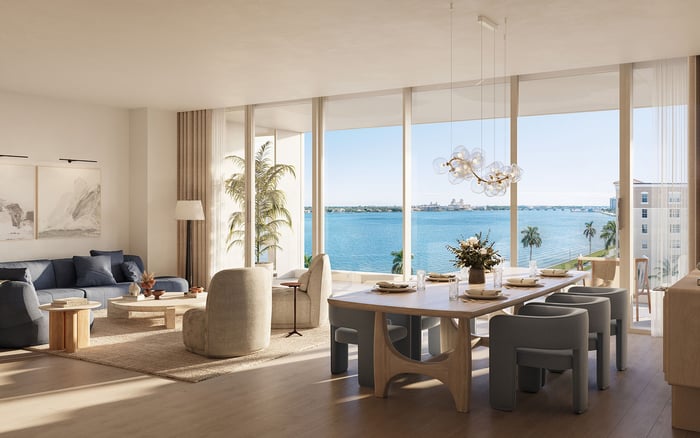
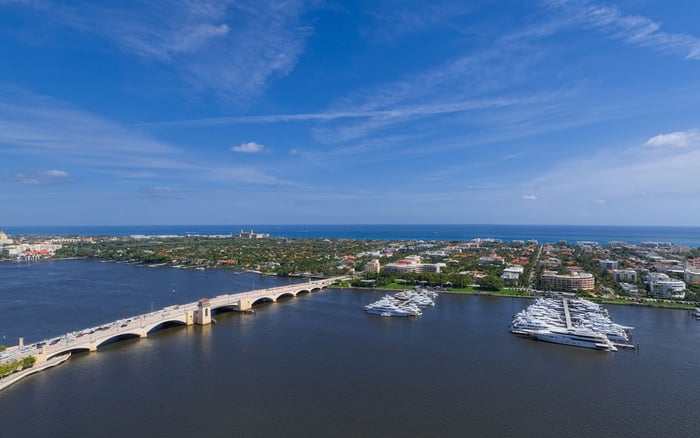
If their giving is more local, education-focused, healthcare-oriented, civic, faith-based, environmental, or tied to family legacy, neighborhood authenticity may carry greater weight. A couple deeply involved in Palm Beach institutions, for instance, may prefer a residence aligned with established patterns of seasonal life and community engagement. The Ritz-Carlton Residences® West Palm Beach offers an example of how a known service culture can still be considered through the lens of place, routine, and proximity to a particular civic ecosystem.
The key is to separate public signaling from private usefulness. A famous brand can impress. A neighborhood can sustain. The best purchase does both, but rarely in equal measure. Couples should ask which function they need the residence to perform most often.
South Florida is not one luxury market. It is a constellation of highly specific social geographies. Miami Beach, Brickell, Coconut Grove, Palm Beach, Surfside, Bay Harbor Islands, Boca Raton, Fort Lauderdale, and Fisher Island each carry different associations. For philanthropic couples, those associations influence not only resale perception, but also how a home supports invitations, privacy, board service, and family life.
In Miami Beach, the decision may revolve around cultural proximity, waterfront atmosphere, and the ability to host elegantly without sacrificing privacy. A project such as The Perigon Miami Beach fits naturally into conversations about refined coastal living, where the address itself participates in the city’s long relationship with design, hospitality, and international visitors.
In Bay Harbor Islands, the conversation can become quieter and more residential. The Well Bay Harbor Islands suggests a different kind of appeal, one centered on wellness, scale, and neighborhood cadence rather than a purely skyline-driven identity. For couples who want proximity to major cultural and social circles while preserving domestic calm, that kind of setting can be persuasive.
Lifestyle should not be treated as a soft category. It is the practical test of whether a residence will be used well. Does the couple host seated dinners or informal salons? Do they need easy access to airports, beaches, schools, marinas, medical districts, or cultural venues? Will adult children visit for long weekends? Is the home a stage for giving, a sanctuary from it, or both?
A brand-forward residence can be ideal when the couple wants consistency, service, and an immediately understood point of view. A neighborhood-forward residence can be ideal when the couple wants discretion, continuity, and a stronger sense of place. The most sophisticated buyers resist the idea that one is inherently superior. They understand that prestige is contextual.
Begin with the calendar. Review the couple’s actual year: gala season, school calendars, board meetings, travel, religious holidays, family visits, wellness routines, and quiet months. A residence should reduce friction in that calendar, not merely photograph well.
Then consider the guest list. If most guests are international collectors, trustees, designers, founders, or hospitality-minded peers, brand cachet may carry immediate value. If most guests are local civic partners, family friends, nonprofit leaders, and long-standing neighbors, authenticity may create a warmer, more credible setting.
Finally, examine privacy. Some couples want to be recognized when they arrive. Others want architecture, staff, and location to protect anonymity. Neither instinct is wrong. The more public the couple’s philanthropy, the more carefully privacy should be designed into the purchase.
The wisest choice is not brand over neighborhood or neighborhood over brand. It is alignment. When the residence reinforces the couple’s values, honors their daily life, and supports their philanthropic presence without strain, the address becomes more than an asset. It becomes part of the couple’s legacy architecture.
Should philanthropic couples prioritize a branded residence? They should prioritize fit. A branded residence can help when service consistency, global recognition, and ease of hosting are central to daily life.
When does neighborhood authenticity matter more? It matters more when the couple’s giving, friendships, schools, clubs, or cultural commitments are deeply local. Authenticity can make participation feel natural rather than staged.
Is Brickell best for couples with global networks? Brickell can suit couples who value urban energy, business proximity, and a more international social rhythm. The decision still depends on privacy needs and household routines.
Is Coconut Grove a good fit for discreet philanthropy? Coconut Grove can appeal to buyers seeking a more residential pace and a strong sense of place. It often suits couples who want elegance without constant visibility.
How should Palm Beach buyers think about legacy? Palm Beach buyers often consider continuity, seasonal rhythm, and community presence. A residence should support both private family life and public commitments.
Does Miami Beach favor brand cachet or authenticity? Miami Beach can support both. The strongest choice depends on whether the couple wants international cultural energy, coastal privacy, or a blend of the two.
Should donors choose a home near the causes they support? Proximity can be valuable when involvement is hands-on. It can make board service, events, site visits, and informal relationship-building easier.
Can a branded residence still feel authentic? Yes, if the project’s scale, service culture, and location respect the surrounding neighborhood. Brand and authenticity are not mutually exclusive.
What is the biggest mistake couples make? The biggest mistake is buying for external perception while ignoring the calendar. A beautiful residence should also solve practical lifestyle needs.
How should couples begin the selection process? They should define how the home will be used, who will be hosted, and which communities matter most. Then they can compare residences through that lens.
To compare the best-fit options with clarity, connect with MILLION.
If branded residences are on your mind — as a home or as an allocation — we would be glad to share what we are seeing, privately.
Begin a quiet conversation