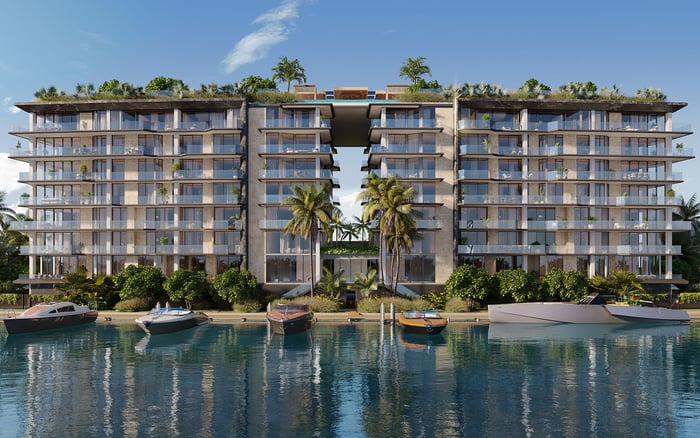
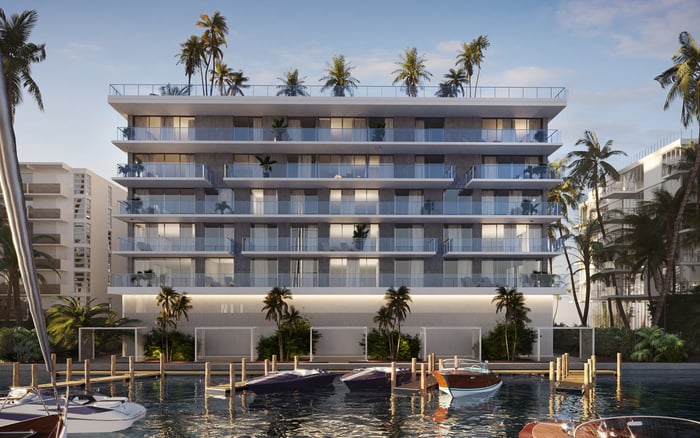
A marina-adjacent home in Bay Harbor Islands becomes a serious long-term purchase when the boating utility, legal rights, association strength, climate resilience, insurance exposure, tax profile, and resale logic all support the same disciplined ownership thesis.
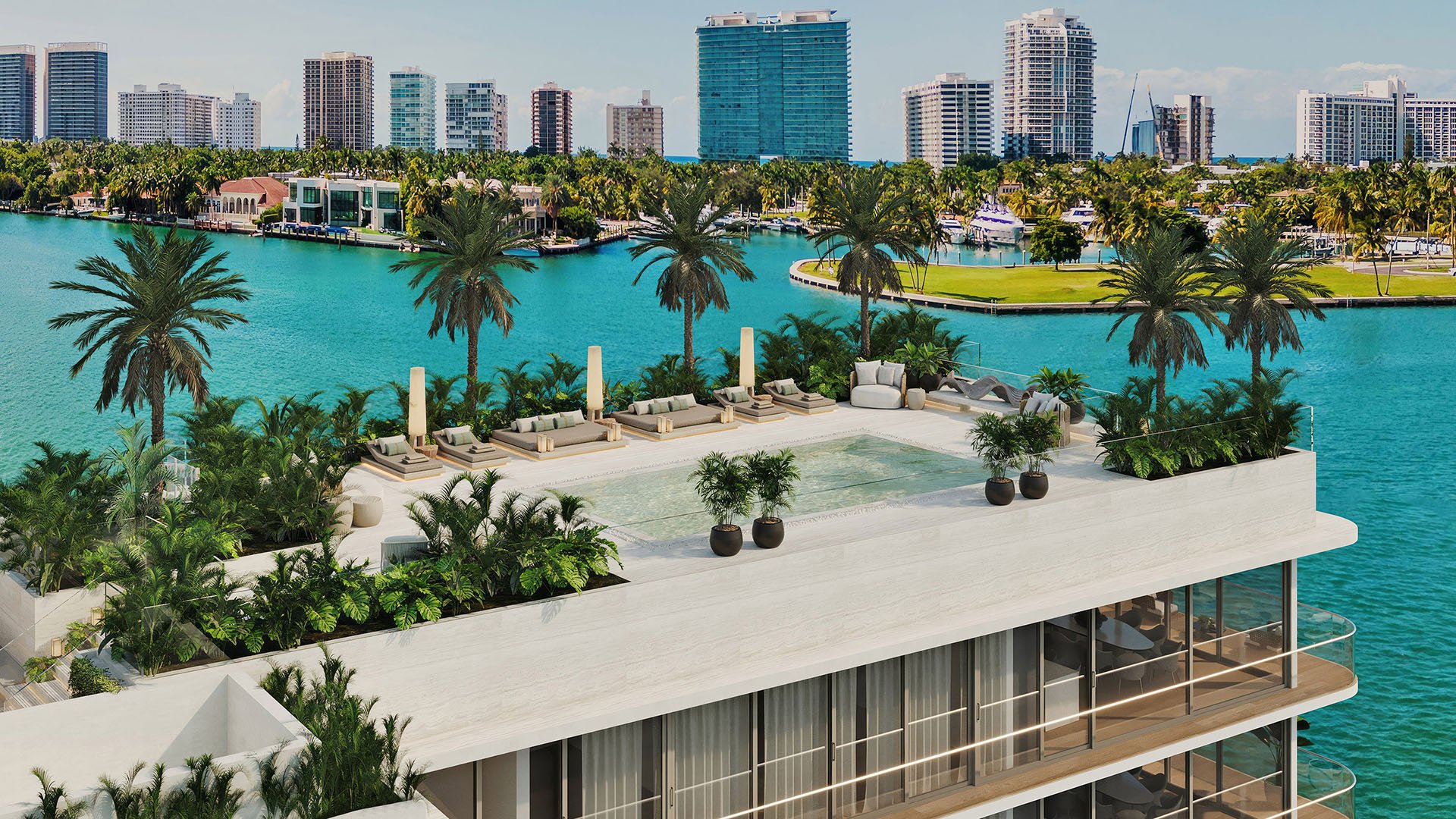
Bay Harbor Islands has a specific kind of restraint that sophisticated buyers recognize quickly. It is small, island-based, residential in character, and surrounded by Biscayne Bay, which naturally limits the supply of marina-adjacent and waterfront-adjacent land. That scarcity does not guarantee performance, but it is a meaningful starting point for a long-term purchase.
The real question is whether the scarcity is usable. A buyer should not pay a premium simply because a residence is near water, near a basin, or oriented toward a marina view. The purchase works when the location gives the owner a practical advantage: easier boating, a stronger daily lifestyle, proximity to Bal Harbour, walkability to local conveniences, and a credible resale story for the next qualified buyer.
This is where Bay Harbor Islands differs from broader waterfront markets. The island setting gives it intimacy, but it also creates constraints. Parking, renovation limits, building rules, shoreline conditions, access routes, and association governance all become part of value. A serious purchase treats those details not as irritants, but as the framework that can protect the asset over time.
Marina adjacency is one of the most overused phrases in coastal real estate. In Bay Harbor Islands, it should be treated as a functional boating claim, not a decorative description. The buyer needs to know whether there is actual dock or slip access, whether that access is deeded, assigned, leased, revocable, or subject to association approval, and whether it can transfer cleanly at resale.
Depth, vessel limits, bridge clearance, lifts, tide conditions, navigation routes, guest docking, fuel access, noise, lighting, and operating rules all affect the value of the premium. A boat slip that cannot accommodate the buyer’s vessel is not equivalent to one that can. A view over boats is not the same as boating utility.
This distinction matters when comparing buildings and residences across the islands. A buyer looking at Bay Harbor Towers should evaluate the residence, the building, and the surrounding marine context as one connected decision. The same discipline applies when reviewing newer or boutique options such as Onda Bay Harbor, where the long-term ownership case depends on how lifestyle, access, governance, and carrying costs come together.
The most elegant purchase process begins with unglamorous documents. Parcel-level diligence should confirm ownership, lot data, assessed values, exemptions, and comparable sales history. That work helps separate a compelling asking price from one that only sounds plausible in a scarce island market.
Recorded documents matter just as much. Deeds, liens, easements, covenants, mortgages, and association instruments can affect future use, financing, renovation, and resale. In marina-adjacent property, easements and waterfront-use restrictions deserve special attention because the value often depends on access that may be shared, limited, or conditioned.
Local code review is equally important. Zoning, development standards, parking rules, renovation constraints, and waterfront-use limits can shape what an owner can do after closing. A long-term buyer should understand not only what exists today, but what can be repaired, improved, replaced, or restricted tomorrow.
This is especially relevant for buyers comparing the softer privacy of Bay Harbor Islands with nearby luxury anchors. Bal Harbour, and particularly the retail and dining gravity of Bal Harbour Shops, supports the lifestyle and resale narrative. But the durability of the purchase still rests on the property’s own legal and physical fundamentals.
A marina-adjacent home in Bay Harbor Islands is a coastal asset, and coastal assets must be underwritten with patience. Flood-zone review is essential because flood maps influence insurance requirements, lender treatment, and renovation planning. Evacuation-zone review should be separate, since flood exposure and evacuation planning are related but not identical.
The long-term buyer also needs to consider elevation, drainage, seawalls, mechanical systems, lower-level improvements, and future adaptation costs. Sea-level rise and flooding are not abstract issues in South Florida. They are ownership variables that influence maintenance planning, capital reserves, insurability, and eventual buyer confidence.
Insurance should be modeled early, not after a contract is emotionally committed. Coastal ownership may involve flood coverage, windstorm coverage, homeowners insurance, condo master policies, and association-deductible exposure. If private insurance is difficult or expensive, the buyer should understand the role of Florida’s state-backed insurer of last resort and how it may affect cost, coverage, and comfort.
The goal is not to avoid coastal real estate. The goal is to buy it knowingly. A residence that is well situated, well governed, properly insured, and physically prepared can remain deeply compelling. A residence that ignores those realities can convert lifestyle into liability.
For condominium buyers, the association is part of the asset. Budgets, reserves, insurance, rules, owner rights, pending projects, litigation, maintenance history, and assessment exposure all deserve review before the buyer becomes captivated by a terrace or a marina outlook.
Older coastal condominium buildings require particular care. Structural inspection obligations and reserve requirements can affect special assessments, financing, and future carrying costs. A lower acquisition price may not be a bargain if the building’s capital plan is weak or if major work has been deferred.
This is why the best Bay Harbor Islands purchases feel both beautiful and orderly. The residence should satisfy the buyer aesthetically, but the building should satisfy counsel, insurance advisors, lenders, and long-term financial judgment. When reviewing options such as La Maré Bay Harbor Islands and Alana Bay Harbor Islands, the serious buyer looks beyond the marketing language and studies how the ownership structure will behave through time.
HOA-governed properties require their own layer of review. Declarations, restrictions, budgets, architectural controls, and association authority can shape everything from exterior improvements to leasing flexibility. In an island environment, those controls can either preserve value or surprise an inattentive buyer.
The right marina-adjacent home is not merely a trophy. It is a place where lifestyle and exit liquidity reinforce each other. The strongest purchase thesis has several aligned parts: scarce island setting, authentic boating utility, sound building governance, manageable insurance, rational tax modeling, credible climate resilience, and a location that appeals to future buyers.
Tax modeling is particularly important. Florida homestead protections and assessment rules can create different carrying-cost outcomes for owner-occupants than for investors or second-home buyers. A buyer who plans to hold for years should understand that distinction before assuming the current tax bill tells the full story.
School fit should also be verified through official assignment and accountability tools rather than assumed from neighborhood reputation. For some families, that diligence influences not only daily life, but eventual resale to the next family buyer.
The serious long-term purchase in Bay Harbor Islands is not defined by a single feature. It is the convergence of water, rules, resilience, governance, and lifestyle. Marina proximity may open the conversation. Discipline determines whether the home deserves to be owned.
Is every marina-adjacent home in Bay Harbor Islands a boating property? No. The buyer should verify actual dock or slip rights, vessel limits, water depth, access rules, and transferability before valuing the premium.
Why does scarcity matter in Bay Harbor Islands? The islands are small and surrounded by Biscayne Bay, so waterfront-adjacent residential land is inherently limited. Scarcity helps the thesis, but it does not replace due diligence.
What records should a buyer review first? Start with parcel data, ownership, assessed values, exemptions, sale history, recorded deeds, liens, easements, covenants, mortgages, and association documents.
How important is flood-zone review? It is essential. Flood mapping can affect insurance, lending, renovation planning, and long-term comfort with the asset.
Should evacuation zones be checked separately? Yes. Evacuation risk and flood-zone risk are connected, but they are not the same underwriting question.
What should condo buyers study beyond the unit itself? Review the association’s budget, reserves, insurance, rules, assessments, maintenance plans, records, and any structural or capital obligations.
Can insurance change the ownership equation? Yes. Flood, windstorm, homeowners, master-policy, and deductible exposure can materially alter carrying costs.
Why does Bal Harbour matter to resale? Nearby luxury retail, dining, and services help support lifestyle appeal, which can strengthen the resale audience for Bay Harbor Islands homes.
Are older coastal buildings riskier purchases? Not automatically. They require careful review of structural obligations, reserves, maintenance history, and likely future assessments.
What makes the purchase serious rather than speculative? A serious purchase aligns boating utility, legal rights, climate resilience, insurance, taxes, association strength, and future resale demand.
To compare the best-fit options with clarity, connect with MILLION.
If branded residences are on your mind — as a home or as an allocation — we would be glad to share what we are seeing, privately.
Begin a quiet conversation