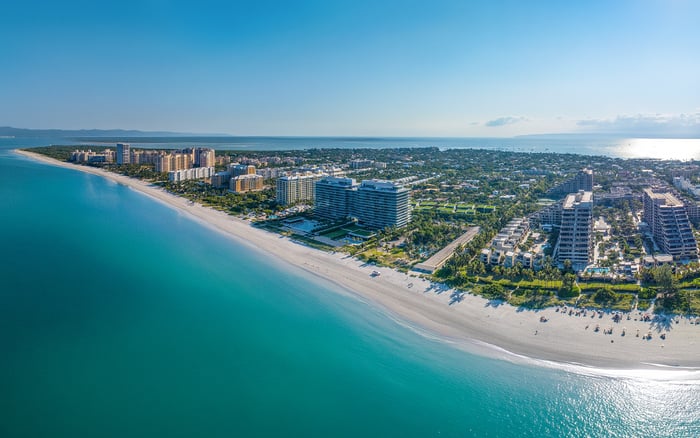
A buyer-focused look at how Key Biscayne changes the luxury real estate decision between immediate beach access and a more urban Miami lifestyle.
For many South Florida buyers, the choice between beach access and a city lifestyle is not abstract. It is the difference between starting the morning with sand underfoot and stepping into an elevator toward a denser urban routine. In Key Biscayne, that choice becomes especially nuanced: the island offers a rare residential calm while remaining connected to Miami’s broader social and business orbit.
The appeal is not only the beach. It is the sense of separation. Key Biscayne can feel removed from the velocity of the city, which is precisely why many buyers consider it. The island suits those who value privacy, daily outdoor rituals, family-oriented living and a quieter return home after evenings in Miami. Yet buyers who thrive on immediate restaurant access, late meetings, cultural events and walkable city energy may find the tradeoff more personal than financial.
This is where the decision becomes less about prestige and more about use. The right residence is the one that supports how a buyer actually lives, not how a weekend visit suggests life might unfold.
Beach access is a lifestyle asset because it compresses effort. When the shoreline is close, a short swim, a walk before breakfast or an unplanned hour outdoors becomes part of the day rather than an appointment. That convenience is easy to underestimate until it becomes routine.
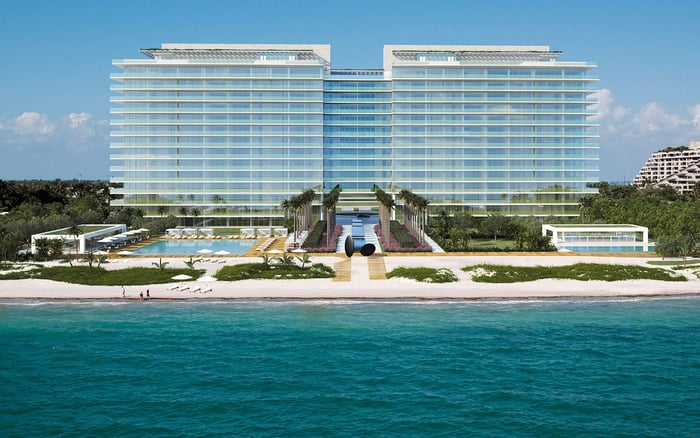
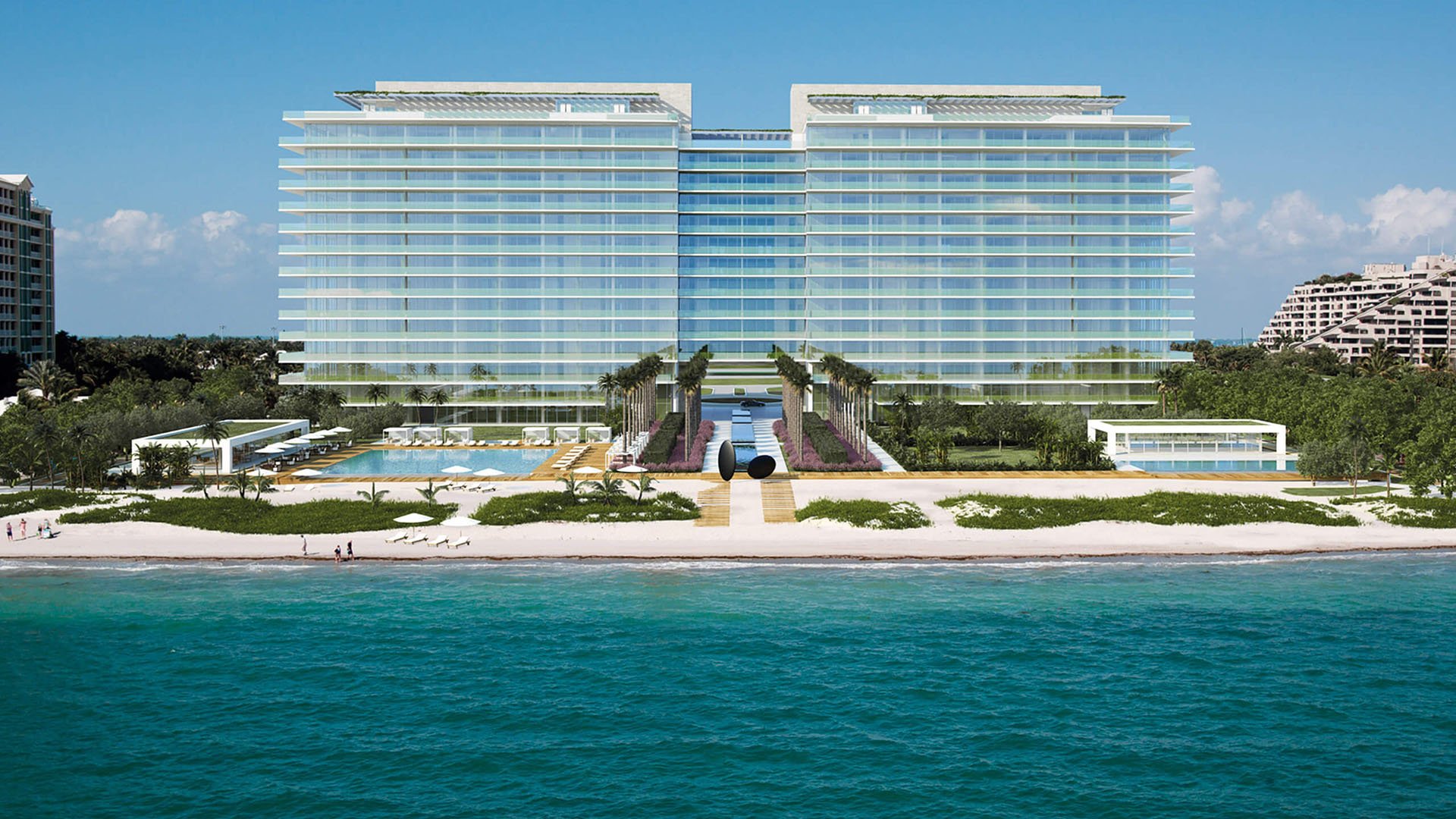
In Key Biscayne, buyers often respond to the softness of island living: ocean air, quieter residential streets, a more relaxed pace and a sense that leisure does not need to be scheduled. For those comparing condominiums, Oceana Key Biscayne sits naturally within that conversation because it represents the island-oriented side of Miami luxury, where privacy and proximity to the water carry as much emotional weight as finishes or amenities.
Beach access also changes how a home receives guests. Family visits tend to revolve around the water. Children, grandparents and friends can enjoy the setting without turning every outing into a drive. For second-home owners, that simplicity can be decisive. A coastal residence should reduce friction, especially when time in South Florida is limited.
The city buyer measures time differently. In Brickell, Downtown, Edgewater or select parts of Miami Beach, value often comes from immediacy: dinner downstairs or nearby, a shorter path to offices, a faster social calendar and more frequent cultural access. The city lifestyle is not necessarily busier, but it gives the owner more options with less planning.
For buyers who place a premium on that urban current, Una Residences Brickell provides a useful counterpoint to Key Biscayne. It speaks to waterfront living within a city framework, where bay views and metropolitan proximity can coexist. Similarly, The Residences at 1428 Brickell belongs in the conversation for buyers who want architecture, services and vertical living aligned with a daily Brickell rhythm.
The distinction is subtle but important. Key Biscayne offers retreat first. Brickell offers access first. Both can be luxurious, but they solve different problems.
The most revealing question is not “beach or city?” It is “what do I want to be effortless?” If the answer is a morning walk near the water, a calmer school-day cadence, more outdoor time and a sense of residential privacy, Key Biscayne becomes compelling. If the answer is restaurants, meetings, events and a social life that begins immediately outside the lobby, a city residence may be the more honest fit.
Commute patterns matter, but so do softer patterns. Where do friends gather? How often will extended family visit? Is the home a primary residence, a seasonal base or a long-term hold? Does the owner prefer a quieter evening after crossing the bridge, or the feeling of being embedded in Miami’s movement?
Even amenity preferences should be read through this lens. Balcony, Pool, Terrace and Waterview features are not merely checklist items. Their value depends on how often they will be used and whether they replace or complement the surrounding neighborhood. Oceanfront living can make a private terrace feel like an extension of the shoreline. In the city, the same terrace may function as a calm counterbalance to urban energy.
Not every buyer sees the decision as Key Biscayne versus Brickell. Miami Beach and Coconut Grove can act as intermediate choices, depending on the exact address and building character. Miami Beach can provide coastal energy with a stronger hospitality and dining layer, while Coconut Grove offers lush, village-like character with strong access to the broader city.
For buyers drawn to the beach but hesitant about a quieter island setting, The Ritz-Carlton Residences® Miami Beach offers another interpretation of waterfront luxury, with a more connected Miami Beach identity. For those who want greenery, bay proximity and a softer urban environment, Four Seasons Residences Coconut Grove can frame the choice around discretion, design and neighborhood texture rather than pure beach access.
These alternatives matter because the best luxury search is rarely binary. Key Biscayne may be the answer, but it should be tested against the buyer’s tolerance for quiet, preferred dining radius, boating or beach habits, and appetite for city adjacency.
In the luxury segment, a property’s long-term appeal is often strongest when its purpose is legible. A beach residence should feel genuinely connected to the water. A city residence should deliver meaningful access and services. A hybrid property should offer enough distinction to avoid feeling like a compromise.
That clarity is particularly important in Key Biscayne. Buyers who choose the island should be doing so because they want the island’s rhythm, not because it seems like a calmer version of mainland Miami. The market for this lifestyle is specific: privacy, beach proximity, family comfort, outdoor ease and a sense of escape without leaving the Miami area.
City residences have their own clarity. They appeal to buyers who value energy, convenience and a polished lock-and-leave pattern. The strongest urban choices make the city feel like an amenity rather than an interruption.
A weekend can flatter any address. The more useful exercise is to imagine a normal Tuesday, a rainy Thursday, a guest-filled Saturday and the first week back after travel. In Key Biscayne, the reward is often the emotional reset of returning to the island. In the city, the reward is the ability to move quickly from home to work, dinner, appointments and events.
For some buyers, beach access will be used every day and will justify every tradeoff. For others, it will be admired more than used, while urban convenience will shape daily satisfaction. Neither answer is superior. The luxury is choosing with precision.
Is Key Biscayne better for beach access than city lifestyle? Key Biscayne is generally better suited to buyers who prioritize a quieter residential setting and easy access to the water over immediate urban energy.
Who is the ideal Key Biscayne buyer? The best fit is often a buyer seeking privacy, outdoor routines, family comfort and a stronger sense of retreat within reach of Miami.
Should Brickell buyers consider Key Biscayne? Yes, if they are willing to trade some city immediacy for a calmer coastal rhythm and more separation from daily urban intensity.
Does beach access matter for resale? It can, especially when the residence clearly supports the lifestyle buyers expect from a coastal South Florida home.
Is Miami Beach a compromise between Key Biscayne and Brickell? For some buyers, yes. It can offer beach proximity with a more active hospitality, dining and cultural layer.
How should second-home buyers think about this choice? They should prioritize ease of use, guest comfort and whether limited time in Miami is better spent near the beach or near city amenities.
Are amenities more important in Key Biscayne or the city? Amenities matter in both, but their role differs. In Key Biscayne they complement outdoor living, while in the city they often create private calm.
Does Coconut Grove compete with Key Biscayne? It can for buyers who want greenery, bay proximity and a quieter feel without fully committing to island living.
What is the biggest mistake buyers make in this decision? The most common mistake is choosing for vacation mood rather than the routines of an ordinary week.
How should a buyer make the final call? Compare daily patterns, guest needs, commute habits and how often the beach or city will truly be used.
If you'd like a private walkthrough and a curated shortlist, connect with MILLION.
If branded residences are on your mind — as a home or as an allocation — we would be glad to share what we are seeing, privately.
Begin a quiet conversation