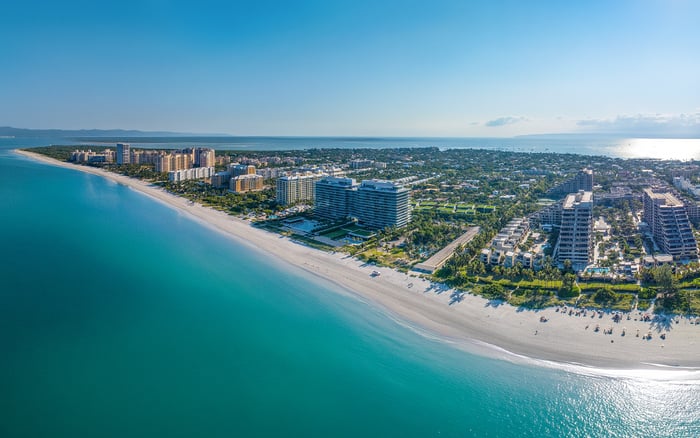
Key Biscayne appeals to families who want privacy, calm, and long-term flexibility while remaining meaningfully connected to Miami’s cultural and financial core.
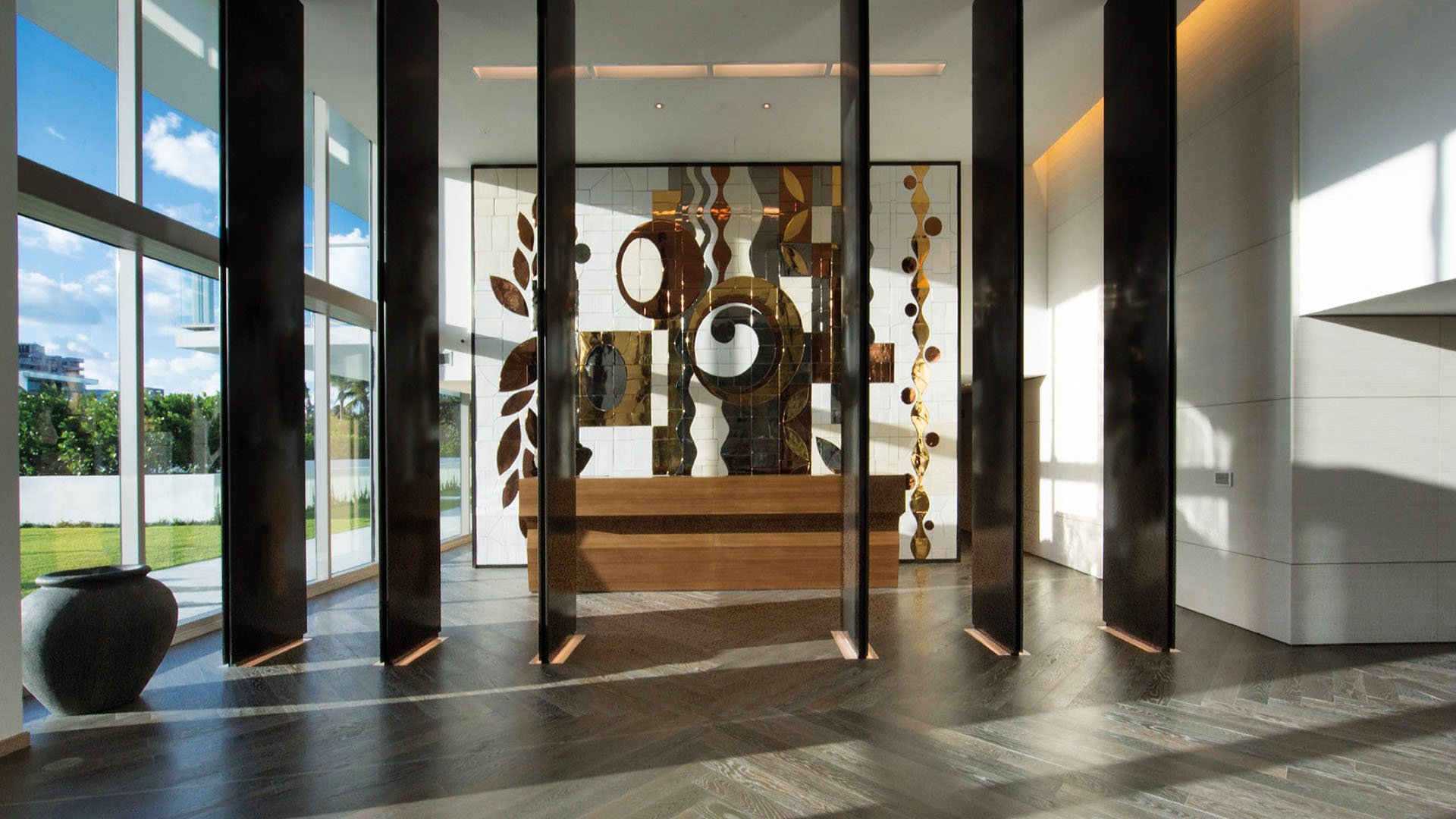
For families planning across generations, the ideal South Florida base is rarely just a beautiful address. It is a living framework. It must welcome grandparents without making them feel peripheral, give adult children autonomy, accommodate grandchildren without fragility, and still function elegantly when only one household is in residence. Key Biscayne can answer that brief with unusual restraint.
The appeal begins with tempo. Compared with more vertical, nightlife-driven neighborhoods, Key Biscayne reads as composed, residential, and self-contained. It can feel less like a seasonal stage and more like a place where a family system can settle into rhythm. The search language may include Key-biscayne, Oceanfront, Brickell, Coconut-grove, and Fisher-island, but the deeper question is whether the property can support continuity without sacrificing discretion.
That distinction matters. Multigenerational buyers are not simply purchasing square footage. They are buying emotional bandwidth: a place where different ages can share proximity without constant friction. A refined base should make togetherness easy, but not mandatory.
A view may open the conversation, yet livability sustains it. In a multigenerational residence, the practical hierarchy differs from that of a conventional second home. Primary suites need separation. Guest rooms should not feel improvised. Elevators, service paths, storage, parking, and outdoor areas become part of the family architecture. So do kitchens, breakfast areas, and informal rooms where daily life actually gathers.
Key Biscayne’s strength is that it can accommodate a quieter, more domestic luxury. The best homes and residences are judged less by spectacle than by how gracefully they manage simultaneous needs. A grandparent may want morning light and privacy. Teenagers may want independence. Parents may need a place to work between family meals. Visiting relatives may arrive for a weekend that becomes two weeks. The home must absorb all of it.
That is why buyers often study the island alongside established condominium models such as Oceana Key Biscayne, where the conversation naturally turns to privacy, services, water-oriented living, and the ease of locking and leaving. For families who alternate between full-time use and seasonal occupancy, that balance can be decisive.
For a family with several households, a South Florida residence becomes an operating system. It coordinates holidays, school visits, medical appointments, business trips, social obligations, and rest. A successful base reduces negotiation. It gives everyone a place to be.
Key Biscayne can work particularly well for families who prefer a contained environment without feeling removed from Miami. The island sensibility gives daily life a natural boundary, while nearby urban districts remain part of the broader routine. That duality helps explain why some buyers compare Key Biscayne with Una Residences Brickell, where the appeal is more directly tied to city access, waterfront vertical living, and a faster metropolitan cadence.
Neither model is inherently superior. They serve different family constitutions. Brickell can be compelling for those who want immediate proximity to business, dining, and cultural life. Key Biscayne is often more persuasive for those who want the city available, not omnipresent. For multigenerational families, that difference can shape the quality of every visit.
The most successful family properties understand that privacy is not anti-social. It is what allows extended togetherness to last. A multigenerational residence should allow a couple to entertain friends without disturbing grandparents, let children return from the beach without crossing formal rooms, and give overnight guests a sense of independence.
This is where floor plan intelligence becomes more important than pure size. Separate bedroom wings, secondary living areas, shaded terraces, staff-capable service zones, and calm circulation can matter as much as design pedigree. A property may be large and still feel crowded if every route intersects. Conversely, a more efficient residence can feel generous if it gives each generation control over its own rituals.
Key Biscayne’s refined character supports this kind of living because its luxury is often expressed through ease. The objective is not to impress every hour. It is to make repeated family use feel natural. That is a more durable form of prestige.
Sophisticated buyers rarely evaluate Key Biscayne in isolation. They compare it with other enclaves that offer different forms of privacy, access, and architectural identity. Park Grove Coconut Grove, for example, often enters the conversation for families drawn to a lush, established Miami setting with a more mainland rhythm. Coconut Grove can offer a layered residential atmosphere, while still keeping the city close.
Fisher Island presents another point of comparison, especially for families seeking an even more insulated residential experience. A project such as The Residences at Six Fisher Island represents a different expression of seclusion, one centered on exclusivity and separation. For some families, that level of removal is ideal. For others, Key Biscayne’s balance of privacy and accessibility feels more practical for daily use.
The important exercise is not to chase the most famous enclave. It is to determine how the family actually lives. Do relatives arrive independently? Are there young children or older family members who need convenience? Is the residence a holiday gathering point, a school-year base, a retirement bridge, or a future primary home? Each answer changes the property brief.
For multigenerational ownership, the smartest buyers begin with use patterns. Count bedrooms only after defining who will use them, how often, and with what expectations. A room intended for a grandparent is different from a guest room for a long weekend. A den used for remote work differs from a media room for grandchildren. A terrace for formal entertaining is not the same as an outdoor space built for daily lunches after the beach.
Storage is another quiet luxury. Families accumulate beach gear, strollers, sports equipment, luggage, holiday objects, and owner supplies. Without thoughtful storage, even a prestigious residence can feel transient. Parking, guest arrival, building policies, and service access also deserve scrutiny. In a multigenerational context, friction compounds quickly.
The strongest properties are those that make hosting feel effortless. They allow a family to gather without turning the home into a hotel. They also preserve the dignity of each guest, which is essential when family members are not merely visiting but returning again and again.
A refined family base requires more than design judgment. It requires governance. Families should discuss ownership structure, usage calendars, maintenance standards, guest expectations, and future liquidity before emotion takes over. These conversations may feel unromantic, but they protect the residence from becoming a source of tension.
Key Biscayne is well suited to this kind of long-view thinking because its appeal is not dependent on novelty. The island’s value to a family is experiential and repeatable. Morning routines, shared meals, beach days, quiet evenings, and recurring holidays create the meaning. The property becomes a container for memory.
That is ultimately why multigenerational buyers are drawn to places with restraint. The home must be special enough to anchor the family, but calm enough to be used often. Key Biscayne can serve that role when the purchase is approached with discipline, privacy, and a clear understanding of how several generations will live together over time.
Why does Key Biscayne appeal to multigenerational luxury buyers? It offers a calmer residential setting that can support privacy, family gathering, and repeat use without the intensity of denser urban neighborhoods.
Is Key Biscayne better for full-time living or seasonal use? It can work for either, depending on the residence, building services, family schedule, and how often multiple generations plan to be present.
What should families prioritize in a Key Biscayne residence? Prioritize separation between sleeping areas, generous informal spaces, storage, service access, parking convenience, and outdoor areas that can be used daily.
Are condominiums suitable for multigenerational families? Yes, particularly when the layout offers privacy and the building provides services that simplify seasonal ownership and hosting.
How should Key Biscayne be compared with Brickell? Brickell is typically a more urban choice, while Key Biscayne can feel more residential and retreat-like while still keeping Miami accessible.
How should Key Biscayne be compared with Coconut Grove? Coconut Grove may appeal to buyers who want a lush mainland setting, while Key Biscayne emphasizes island calm and a more contained coastal rhythm.
How should Key Biscayne be compared with Fisher Island? Fisher Island offers a more insulated model of privacy, while Key Biscayne may feel more practical for families wanting seclusion with easier everyday movement.
What makes a floor plan family-friendly across generations? The best plans create separate zones for rest, work, guests, and gathering, so family members can be together without losing personal space.
Should families discuss ownership rules before purchasing? Yes, clear agreements around scheduling, guests, expenses, and future decisions can protect both the property and family relationships.
What is the best way to shortlist comparable options for touring? Start with location fit, delivery status, and daily lifestyle priorities, then compare stacks and elevations to validate views and privacy.
To compare the best-fit options with clarity, connect with MILLION.
If branded residences are on your mind — as a home or as an allocation — we would be glad to share what we are seeing, privately.
Begin a quiet conversation