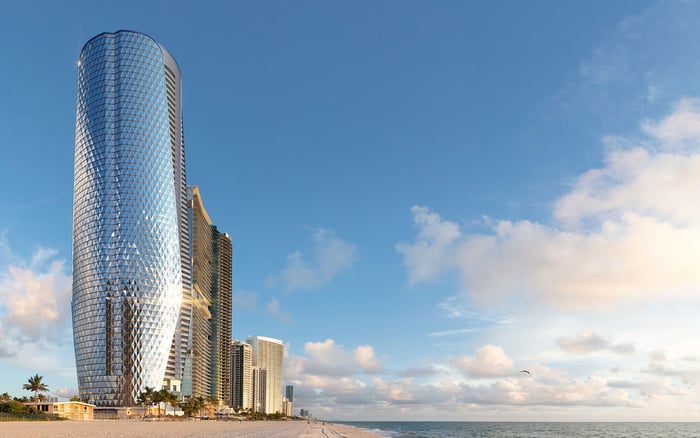
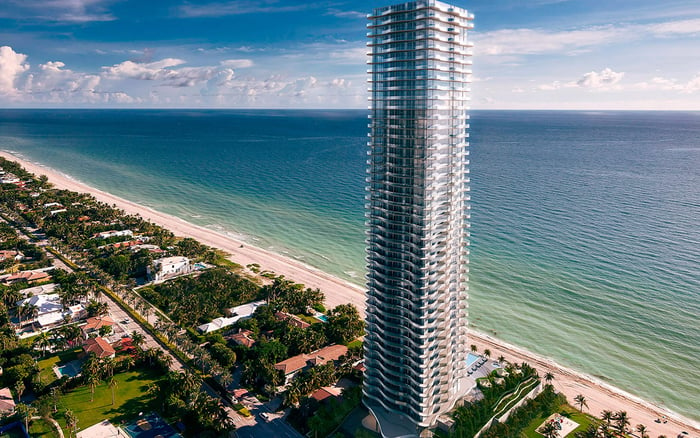
A buyer-focused framework for evaluating how service standards at Turnberry Ocean Club may affect arrival, privacy, daily convenience, second-home use, and the ongoing responsibilities of residential ownership.

At Turnberry Ocean Club in Sunny Isles Beach, buyers evaluating service culture should distinguish the residential promise from the operating details that shape daily ownership. The central issue is not simply whether service appears in marketing materials, but how requests, privacy, access, shared spaces, and owner communications are handled in practice.
This distinction is particularly relevant for purchasers comparing luxury condominiums across Sunny Isles Beach. Buildings may present different approaches to staffing and resident interaction, so a private tour and a careful review of current documents are essential. Buyers should avoid assuming that a brand name, amenity list, or polished arrival area establishes the scope or consistency of ongoing service.
Arrival is a useful place to begin an evaluation because it brings together access procedures, visitor handling, staff responsiveness, privacy, and circulation. During a tour, buyers can observe whether entry feels orderly and whether the transition from shared areas to the private residence suits their expectations.
A comparison with Bentley Residences Sunny Isles can help purchasers identify differences in arrival design and residential positioning. The purpose of a comparison is not to assume equivalent services, but to determine which approach is most compatible with the buyer’s habits and preferred level of interaction.
Questions should address resident entry, guest authorization, deliveries, vendor access, after-hours requests, and escalation procedures. Current policies and management explanations should guide the analysis.
Amenity spaces do not define service culture by themselves. Their residential value depends on access rules, maintenance, staffing, scheduling, guest policies, and the way management communicates with owners. Buyers should ask how shared spaces are operated and whether reservations or separately charged services apply.
Purchasers considering a branded-residence environment may also review St. Regis® Residences Sunny Isles as another local point of comparison. Each property must be assessed on its own current documents, management structure, policies, and operating costs rather than on brand recognition alone.
A service model becomes meaningful when an owner needs assistance. Buyers should ask which communication channels are currently available, who receives resident requests, how matters are assigned, and what happens when a request is not resolved promptly.
Technology may support communication, but buyers should not assume that a digital interface guarantees a particular outcome. Staffing, accountability, operating procedures, and management oversight determine how reliably requests are handled. Any claims about concierge functions or owner support should be confirmed directly.
Second-home buyers should examine procedures for extended absences and return visits. Relevant questions include what assistance is offered while a residence is unoccupied, who is authorized to enter, how access is documented, and whether any service carries an additional charge.
Privacy in a luxury condominium extends beyond physical access. It can include how staff communicate, how visitors and vendors are managed, how owner information is handled, and how assistance is delivered in shared areas. Buyers should request current policies rather than infer standards from presentation alone.
A tour of The Ritz-Carlton Residences® Sunny Isles may provide another basis for evaluating residential atmosphere and interaction. Observations from any tour should be tested against governing documents and direct explanations from the appropriate representatives.
The preferred level of attention is personal. Some owners value frequent assistance, while others prioritize minimal interaction. The right service culture is therefore the one that aligns with the purchaser’s expectations and is supported by clear, sustainable operations.
Before purchasing, buyers should review available condominium documents, current budgets, assessments, management responsibilities, staffing arrangements, reserve information, owner policies, and charges associated with optional requests. Professional legal and financial advice may be appropriate when evaluating these materials.
Buyers should also clarify which services are included, which are separately billed, and whether availability changes by time, staffing, or circumstance. Written information is preferable to assumptions based on a tour or general brand positioning.
No service narrative establishes future costs, consistency, resale performance, or appreciation. The practical question is whether the documented operating model, current delivery, and financial structure fit the buyer’s priorities for a primary residence or South Florida second home.
What should buyers mean by service culture? It is the combination of staffing, procedures, communication, access, privacy practices, and management oversight that affects the resident experience.
How can a buyer evaluate service before purchasing? Tour the property, observe common-area operations, ask detailed questions, and review current condominium and management materials.
Should buyers rely on brand recognition alone? No. Brand positioning should be tested against current staffing, policies, budgets, responsibilities, and actual service delivery.
Why is the arrival experience important? Arrival can reveal how a property handles access, visitors, privacy, circulation, and staff interaction.
What should second-home owners ask about? They should clarify access controls, procedures during extended absences, return preparations, available assistance, and related charges.
Are concierge services necessarily included in assessments? Buyers should not assume so. They should confirm which services are included and which requests may be billed separately.
How should privacy standards be assessed? Review access and communication policies, ask how guests and vendors are handled, and observe staff interaction during a private tour.
What financial information is relevant to service? Current budgets, assessments, staffing costs, management obligations, reserve information, and optional-service charges can all be relevant.
Can service culture affect resale performance? It may influence buyer perception, but no resale conclusion should be made without current market and property-specific analysis.
What is the central due diligence question? Determine whether the documented service model, current operations, costs, and degree of interaction align with the buyer’s ownership priorities.
For a tailored shortlist and next-step guidance, connect with MILLION.
If branded residences are on your mind — as a home or as an allocation — we would be glad to share what we are seeing, privately.
Begin a quiet conversation