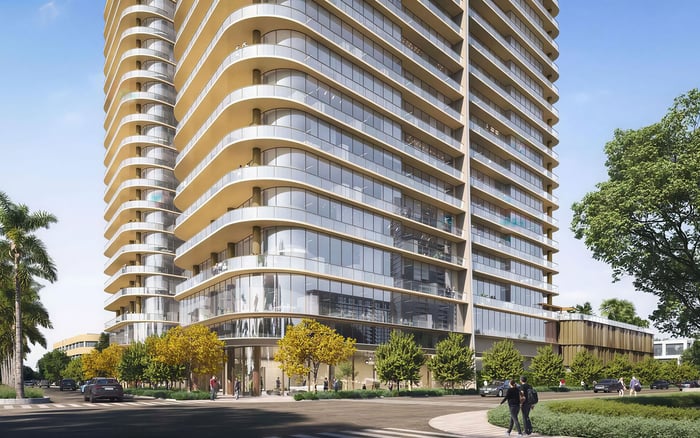
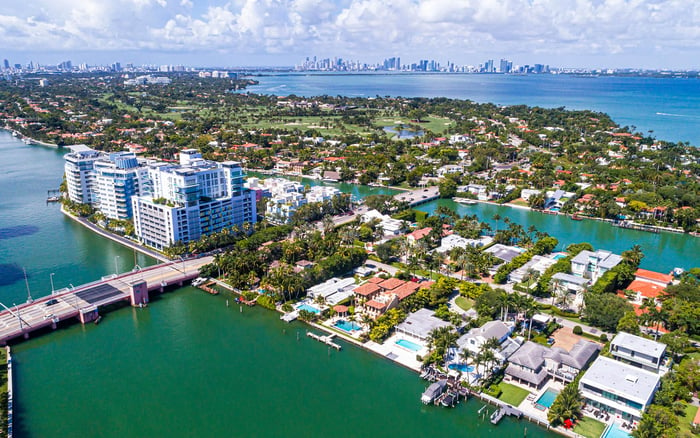
A practical guide for cash purchasers evaluating wind, flood, deductible, and association-insurance exposure before acquiring a luxury Miami residence.
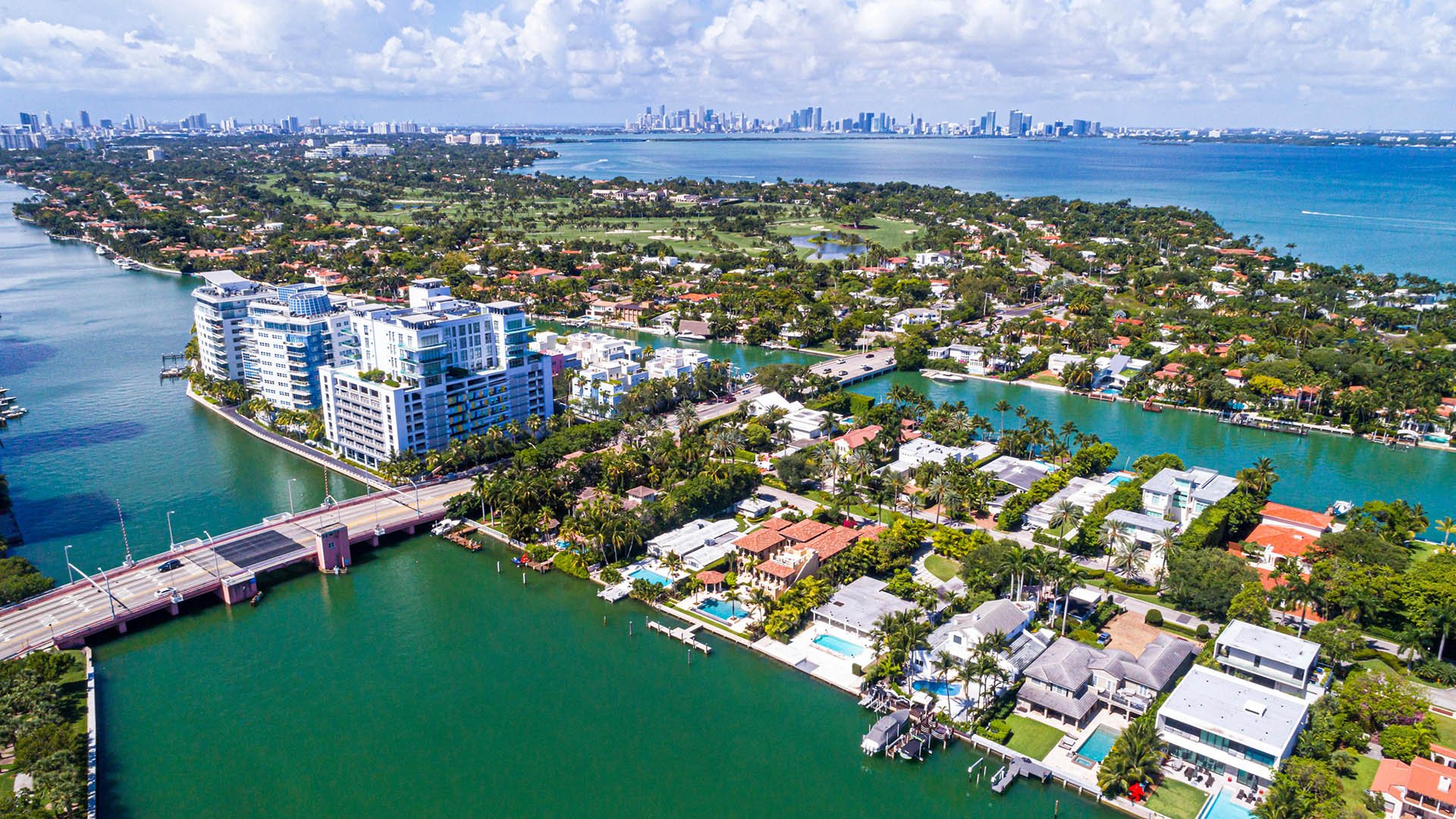
A cash acquisition in Miami Design District can feel elegantly uncomplicated. There is no lender underwriting the collateral, no mortgage contingency, and often greater control over timing. Yet that freedom also removes a layer of third-party scrutiny that might otherwise raise questions about wind coverage, flood exposure, deductibles, and the building’s broader insurance position.
The essential distinction is between the ability to close and the wisdom of closing. A buyer may be able to accept more risk, but should do so only after translating that risk into plausible cash obligations. Insurance diligence deserves the same attention as title, inspections, association records, and ownership structure.
This distinction is particularly relevant when comparing a Design District opportunity such as Kempinski Residences Miami Design District with other Miami formats. The residence, building, association, and location can each produce a distinct coverage profile. Price alone does not reveal it.
Buyers should resist treating “insurance” as a single document. Wind, flood, and ordinary property risks may be addressed through different contracts, exclusions, limits, and deductibles. The correct question is not simply whether a residence is insured, but what is insured, by whom, against which event, and for what amount.
Request complete policy documents rather than relying on a summary page. Review named insureds, effective periods, covered property, exclusions, limits, sublimits, deductibles, and loss-settlement language. If coverage is still being quoted, confirm which assumptions could alter the indication before binding.
For an urban residence such as Miami Tropic Residences, diligence should remain property-specific. Proximity within the same metropolitan area does not make two buildings equivalent from an insurance perspective.
A deductible is not a minor line item when it represents the amount retained by the owner or association before coverage responds. Buyers should determine whether each deductible is a flat amount, a percentage, or event-specific-and precisely what value forms the basis of any percentage calculation.
The next step is to model the consequences. If a loss occurs, how much might the unit owner need to fund directly? Could the association allocate an uninsured portion, deductible, or repair obligation among owners? Would reserves be available, or could a special assessment become relevant? These are questions for the appropriate insurance, legal, and association professionals, supported by current documents.
Liquidity planning should account for more than the purchase price. A disciplined investment analysis can include the owner’s deductible, potential temporary-living costs, uncovered improvements, and possible association-level exposure. Cash buyers value optionality, and a dedicated risk reserve helps preserve it.
A flood-zone designation can inform diligence, but it should not be treated as a complete prediction of loss. Buyers should obtain the current official determination for the specific parcel and ask whether the building, garage, access points, mechanical systems, storage areas, or amenities present distinct vulnerabilities.
For condominium purchases, elevation within the tower does not eliminate every flood-related concern. A high-floor residence may still depend on lower-level building systems and common areas. Conversely, design, maintenance, and operational planning can matter alongside the mapped designation. The goal is to understand the residence as part of a functioning property, not as an isolated interior.
This broader lens is useful when evaluating waterfront alternatives or The Residences at Mandarin Oriental, Miami. Buyers should compare documents and physical conditions rather than assume a prestigious address resolves an insurance question.
In a condominium, the association’s policy and the owner’s policy should be examined together. Ask counsel and the insurance adviser to identify where the master policy ends and the unit owner’s obligation begins. Interior finishes, improvements, contents, liability, loss assessment, and temporary relocation may require separate treatment, depending on the governing documents and policy wording.
The association review should encompass current insurance certificates, full policies, deductibles, claims history if available, budgets, reserves, recent assessments, pending insurance changes, and relevant meeting records. The objective is not merely to confirm that a master policy exists, but to test whether the coverage structure aligns with the buyer’s expectations and financial tolerance.
New construction warrants the same discipline. Marketing materials are not substitutes for final governing documents, bound policies, or a clear handoff from construction risk to residential operations.
Before making a nonrefundable commitment, assemble a coordinated review team to examine the same document set. The insurance adviser can assess available coverage and deductibles. Counsel can interpret contractual and association obligations. The inspector can flag physical conditions that may affect underwriting or future losses. The tax and wealth team can consider ownership and liquidity implications.
A useful file includes the survey or condominium description, inspection findings, building details, association materials, renovation history, and information about protective features. Before the relevant deadline, ask for written confirmation of what can be bound, on what terms, and for which named owner.
Comparisons between Design District property and Brickell, Miami Beach, or another submarket should be equally exacting. 2200 Brickell may belong in a buyer’s architectural or lifestyle comparison, but its insurance review must stand on its own documents. The same principle applies across Miami.
The refined cash buyer does not pursue certainty where none is available. Instead, the buyer identifies retained risks, prices them, assigns responsibility, and maintains liquidity for the remainder. That process can influence the offer, diligence period, requested documents, closing timeline, or decision to walk away.
Insurance terms can also evolve after acquisition. An annual review-and another after renovations or ownership changes-can help keep declared values and coverage intentions aligned. In a luxury residence, bespoke finishes, art, furnishings, and technology may warrant separate consideration rather than assumptions.
The result is not simply a smoother closing. It is a residence acquired with a more precise understanding of the obligations that accompany it.
Does paying cash make property insurance unnecessary? Cash may remove lender-driven requirements, but it does not eliminate wind, flood, liability, or property-loss exposure.
Is a flood-zone designation enough to judge flood risk? No. Review the specific parcel, building systems, access, common areas, and available coverage with qualified advisers.
Does a high-floor condominium avoid flood concerns? Not necessarily. The residence can still depend on lower-level mechanical systems, elevators, garages, and common infrastructure.
What should I ask about a wind deductible? Confirm whether it is flat, percentage-based, or event-specific, and determine what insured value is used for any calculation.
Can an association deductible affect an individual owner? It may, depending on the policies, governing documents, reserves, loss circumstances, and allocation decisions.
Is the association’s insurance certificate sufficient? A certificate is only a starting point. Request the full current policies and review them alongside the governing and financial documents.
What should a unit-owner policy coordinate with? Review it against the master policy, condominium documents, interior improvements, contents, liability needs, and loss-assessment exposure.
When should insurance diligence begin? Begin before contractual deadlines make the deposit nonrefundable, allowing time to obtain documents, quotes, and professional review.
Should a second-home buyer budget differently? A second-home owner should discuss occupancy patterns, property management, contents, and emergency access with the insurance adviser.
How often should coverage be revisited after closing? Review it whenever circumstances change, especially after renovations, major purchases, ownership changes, or policy revisions.
For a confidential assessment and a building-by-building shortlist, connect with MILLION.
If branded residences are on your mind — as a home or as an allocation — we would be glad to share what we are seeing, privately.
Begin a quiet conversation