A discreet guide for buyers prioritizing calm arrivals, residential privacy and boutique scale over hotel-style lobby movement in South Florida.
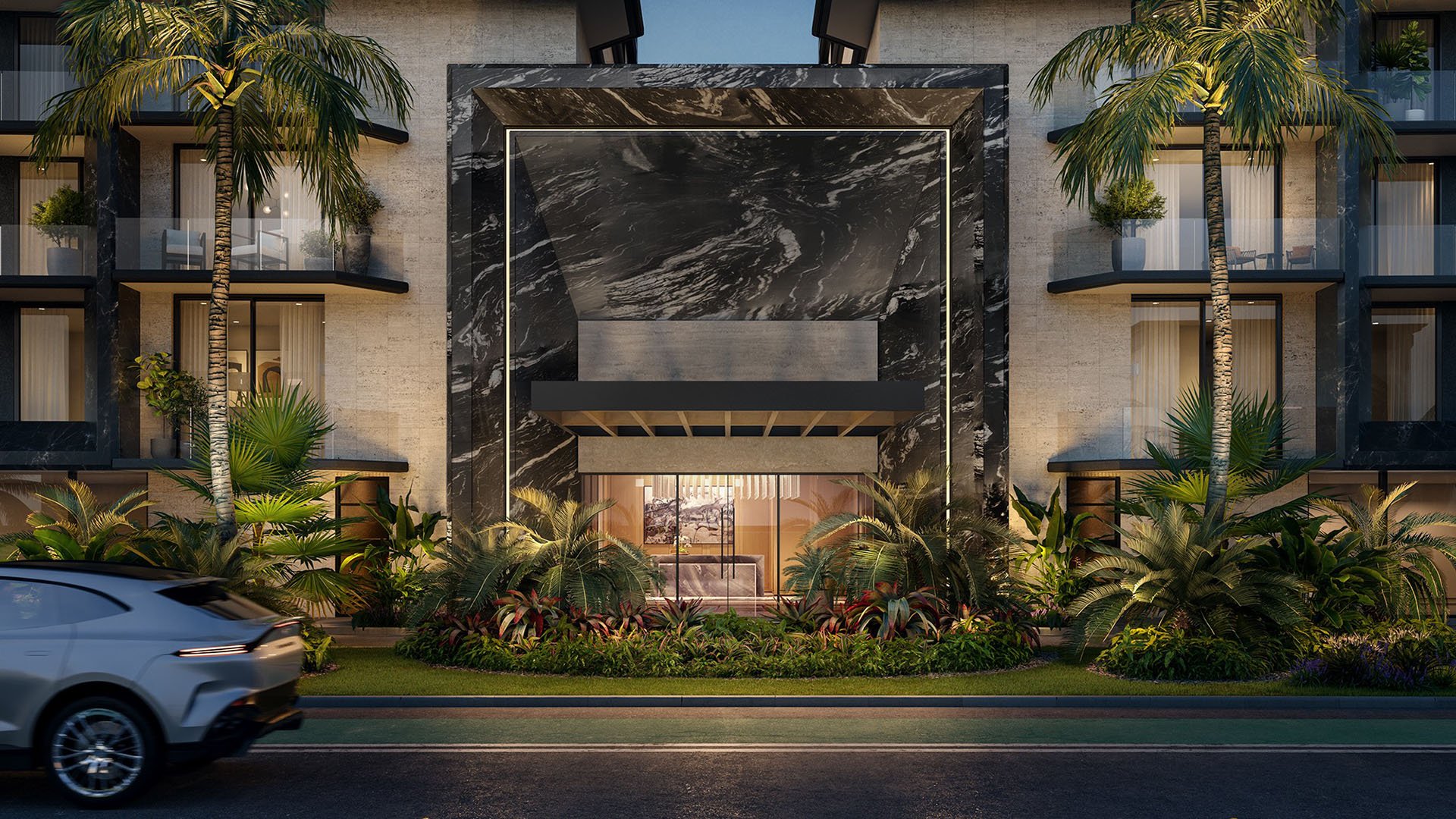
For a certain South Florida buyer, the most coveted amenity is not the most photographed one. It is the ability to come home without passing a crowded hotel desk, a transient valet queue, a lobby lounge filled with nonresidents or a porte cochere operating like a public arrival court. This buyer wants service without spectacle; hospitality without hotel traffic.
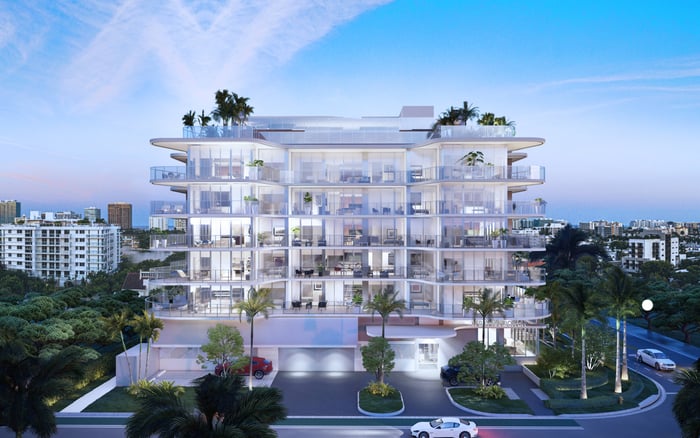
That distinction has become increasingly important as branded, mixed-use and amenity-rich residential towers compete for attention. Some buyers welcome the energy of a hotel-connected address. Others want a building that feels residential from the first turn into the driveway. The best boutique residences for this audience are not merely smaller. They are composed, legible and intentionally private.
Boutique, in this context, is less a marketing term than a daily-life condition. It is about how many people share the arrival, how guests are processed, how elevators are organized, where service teams circulate and whether amenity areas feel like resident extensions rather than public destinations. A quiet building can still be architectural, social and richly serviced. It simply does not ask owners to negotiate hotel-scale movement every time they come home.
1. The Delmore Surfside - Surfside coastal discretion
Surfside suits buyers who want proximity to the ocean without the larger resort atmosphere often associated with heavily visited beachfront zones. A residence in this profile should be judged by how calmly it separates resident arrival, beach access, guest circulation and service movement.
For hotel-traffic-averse buyers, the appeal is not isolation. It is a more residential version of coastal life, where the building reads as a private address first and a destination second.
2. Alana Bay Harbor Islands - Bay Harbor Islands residential scale
Bay Harbor Islands is compelling for buyers who prefer a quieter island rhythm while staying connected to dining, shopping and the beach. The right Bay Harbor residence should feel neighborly without feeling casual, with controlled access and a lobby that serves residents rather than entertaining passersby.
This profile is especially relevant for buyers who want water, walkability and discretion in the same conversation. Bay Harbor living, when selected carefully, can offer a calm alternative to larger resort corridors.
3. Arbor Coconut Grove - Coconut Grove low-key elegance
Coconut Grove attracts buyers who value shade, texture, mature landscaping and a softer urban pace. A boutique Grove residence should be evaluated for its relationship to the street, its sense of enclosure and its ability to create privacy without appearing defensive.
For buyers leaving high-traffic towers, the Grove can feel less performative. It remains connected, but the daily experience can be more residential, more grounded and more personal.
4. 2200 Brickell - Brickell with a residential filter
Brickell is not the obvious answer for buyers avoiding traffic, yet some purchasers need the financial district, private schools, dining and city access. In that case, the best choice is not necessarily outside Brickell, but within a building that filters the neighborhood’s energy effectively.
The buyer should look closely at arrival sequencing, vehicle stacking, guest management and the elevator experience. Brickell can work beautifully when the residence feels buffered from the district rather than absorbed by it.
5. Glass House Boca Raton - Boca Raton private-city living
Boca Raton appeals to buyers who want a polished residential base with a different pace from Miami’s densest corridors. A boutique residence here should be assessed for privacy, parking ease, guest protocol and the ability to feel intimate even when fully occupied.
This profile is particularly attractive for buyers who split time between South Florida and another residence, because a calmer building can make short stays feel immediate rather than logistical.
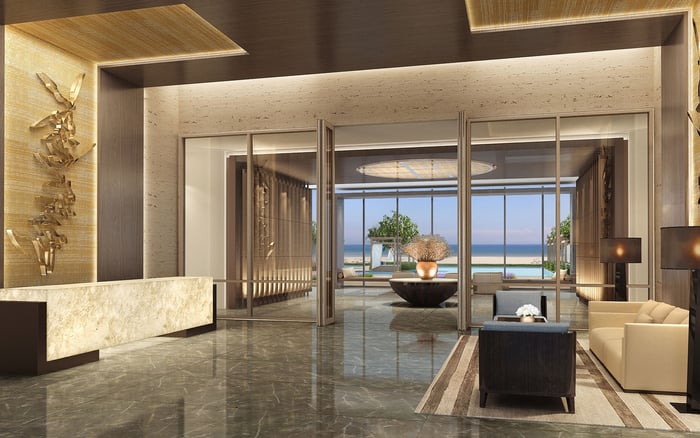
The lobby is often the first emotional sell, but it is only one part of the privacy equation. A beautiful room can still be too busy if it doubles as a social crossroads, guest holding area, delivery channel and valet waiting zone. The sharper question is whether the building has a clear choreography.
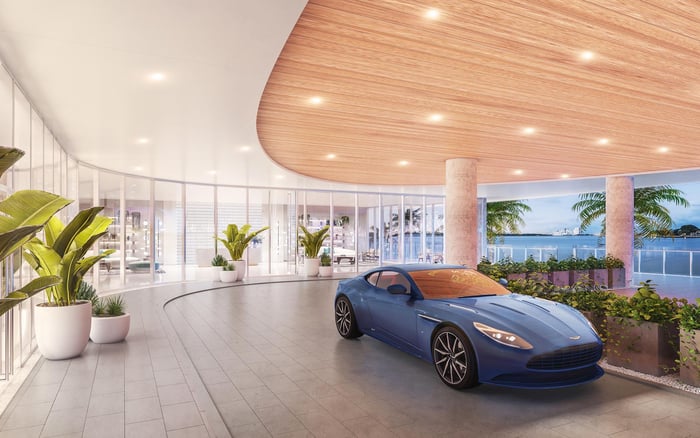
Start with the driveway. Is the approach obvious, calm and separated from heavy pedestrian flow? Does the porte cochere feel like a residence or a hotel forecourt? During peak hours, does the valet area remain composed, or does it become the building’s public theater? Buyers who dislike hotel traffic should visit at different times, including late afternoon, weekend evenings and weekday mornings.
Then study vertical circulation. A building may feel boutique at ground level but crowded if elevators serve too many overlapping populations. Ask how resident elevators, service elevators and amenity access are organized. The goal is not emptiness. The goal is predictability.
Finally, consider where amenity life occurs. A great private residence does not need to suppress sociability. It needs to place it well. Fitness rooms, pools, lounges and wellness spaces should feel resident-oriented, not like venues designed to impress visitors.
In Brickell, privacy is about insulation from momentum. Buyers who want city access without a hotel atmosphere should pay special attention to buildings with a residential identity and a measured arrival experience. A project such as 2200 Brickell belongs in that conversation for buyers who want to study a Brickell address through a quieter lens.
In Surfside, quiet luxury often comes from restraint. The neighborhood’s scale and coastal setting can support a more discreet lifestyle, provided the building preserves that tone in its operations. Buyers comparing ocean-adjacent options may want to look at The Delmore Surfside as part of a broader search for residential calm near the beach.
Bay Harbor Islands offers a different kind of discretion. It is not about retreating far from Miami Beach, but about choosing a more measured island setting. Residences such as Alana Bay Harbor Islands can be useful reference points for buyers considering Bay Harbor Islands as a lower-friction alternative to higher-intensity waterfront corridors.
Coconut Grove is less about formal quiet and more about atmosphere. Tree canopy, neighborhood texture and a softer street rhythm can create a residential feeling before the buyer even enters the building. For Grove-focused purchasers, Arbor Coconut Grove is a natural name to include when comparing more intimate condominium options.
The clearest candidate is the owner who values privacy over scene. This may be a family that wants children and guests moving through a secure, understandable environment. It may be a finance or technology executive who works irregular hours and wants arrival to feel frictionless. It may be an international owner who prefers staff to manage the residence without exposing daily life to a constant flow of strangers.
Second-home buyers are especially sensitive to this issue. A home used for long weekends should not require a hotel-style check-in experience by another name. The best boutique buildings allow the owner to arrive, settle in and feel oriented within minutes.
There is also a resale logic. Not every buyer wants maximum public energy. A well-chosen quieter residence can appeal to a durable audience: people who have already experienced the busiest addresses and are now trading visibility for control. For them, the value is not only in finishes, views or amenities. It is in the way the building protects their time.
Branding can signal service quality, but it should not replace due diligence. Buyers should ask whether the brand introduces outside traffic, guest overlap or operational complexity. In some cases, a branded private residence may operate with strong separation. In others, the hospitality element may be too visible for a privacy-driven buyer.
The strongest boutique choice is usually the one where the owner can explain the building’s daily rhythm in simple terms: how residents arrive, where guests wait, how deliveries are handled, how staff move and where amenities are concentrated. If those answers are vague, the building may feel busier in practice than it appears in renderings.
A good private advisor will also test the buyer’s tolerance honestly. Some clients want a little lobby energy; some want none. Some enjoy restaurant adjacency, while others see it as a source of friction. The best answer is personal, but the framework is consistent: choose the building that makes everyday movement feel composed.
What does hotel traffic mean in a residential building? It refers to nonresident movement through arrival areas, lobbies, elevators, valet zones and amenities, especially when hotel or public-facing uses overlap with private residences.
Are boutique residences always better for privacy? Not automatically. A smaller building can still feel busy if circulation is poorly organized, while a larger building can feel calm if access and operations are well separated.
Is Brickell a poor fit for buyers who want quiet? Not necessarily. Brickell requires more careful selection, with emphasis on arrival design, elevator planning and how effectively the building filters urban energy.
Why is Surfside attractive to low-traffic buyers? Surfside can offer coastal living with a more residential atmosphere than larger resort-driven areas, depending on the building’s design and management.
What should I ask during a private showing? Ask how residents, guests, deliveries, service staff and amenity users move through the property during peak periods.
Do branded residences create more traffic? Some do, particularly when hospitality uses are integrated. Others are structured as private residences with strong separation, so the operational plan matters.
How important is valet design? Very important. For privacy-minded buyers, the valet court often determines whether the building feels calm or congested on arrival.
Should I visit at different times of day? Yes. A building can feel serene during a sales tour and noticeably different during weekends, evenings or morning departure periods.
Are Bay Harbor Islands and Coconut Grove good alternatives? They can be, especially for buyers who want a more residential rhythm while staying connected to Miami’s core destinations.
What is the main mistake buyers make? They focus on finishes and views before studying how the building actually moves, serves and protects residents day to day.
When you're ready to tour or underwrite the options, connect with MILLION.
If branded residences are on your mind — as a home or as an allocation — we would be glad to share what we are seeing, privately.
Begin a quiet conversation