A discreet buyer’s guide to how staged deposit structures typically work in Bay Harbor Islands pre-construction, using The Well Bay Harbor Islands and Onda as reference points, plus practical risk controls under Florida condominium escrow rules.
Bay Harbor Islands is small by design, with a population around 6,005, and the new-construction landscape tends to reflect that intimacy: boutique buildings, fewer residences, and a buyer profile that is often deliberate rather than speculative. In this setting, the deposit schedule is more than a payment timeline-it’s a practical window into how a project is capitalized, how much buyer equity is committed before closing, and how you should plan liquidity within a broader portfolio.
For many ultra-premium buyers, the better question isn’t simply, “How much is the deposit?” It’s, “What is my total pre-closing exposure, when does it step up, and how are those funds handled?” In Bay Harbor Islands, where inventory is limited and brand-new options can be highly specific, these mechanics shape negotiating posture, opportunity cost, and peace of mind.
Across Bay Harbor Islands pre-construction offerings, a familiar structure appears: staged deposits totaling roughly 40% prior to closing, followed by the remaining 60% due at closing. While exact terms can shift during a sales cycle, this architecture is widely used because it balances two priorities at once.
For developers, staged deposits can demonstrate sell-through and support construction financing and cost certainty. For buyers, the stages create predictable checkpoints-allowing capital planning over time rather than a single large cash event.
A typical cadence is described in tranches that may look like 10% at contract, another 10% roughly 60 days later, then additional 10% installments tied to construction milestones, culminating in a 60% closing balance. Even when the percentages are familiar, the fine print can be meaningfully different. For a second-home buyer, a small change in timing can affect tax planning, cash management, and even the decision to finance versus deploy liquidity.
Florida’s condominium escrow framework is governed by Fla. Stat. 718.202, which addresses how buyer deposits are held and under what conditions funds can be used. In practice, this means your deposit isn’t simply “paid to the developer.” It is typically handled through escrow requirements designed to protect purchasers, with specific conditions around how and when funds may be accessed.
Because purchase agreements and escrow addenda can vary, the takeaway is simple: treat escrow terms as primary due diligence, not administrative paperwork. In an ultra-premium transaction, your counsel should confirm how deposits are held, when they may be released, and what happens under scenarios such as construction delays and material changes.
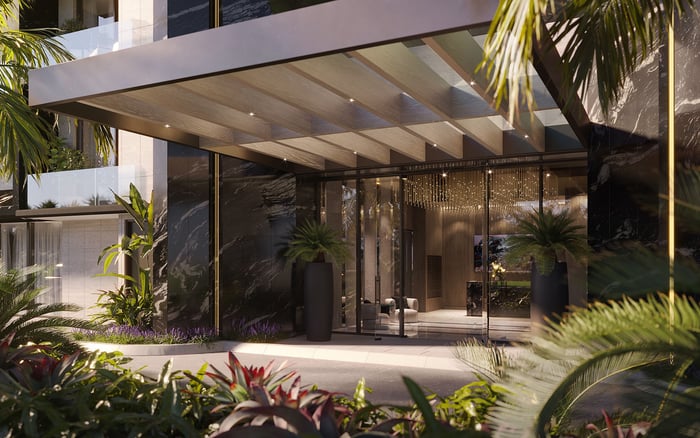
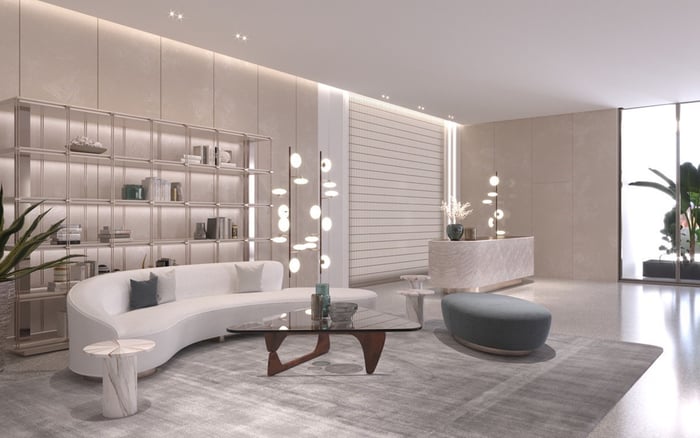
The Well Bay Harbor Islands is a THE WELL-branded luxury condominium with 54 residences in an eight-story building, commonly associated with the address 1177 Kane Concourse. The residence mix is publicly marketed as one- to four-bedroom homes, with published sizes roughly 924 to 3,291 square feet. Pricing is marketed from about $1.25 million, with upper pricing cited around $5 million depending on the residence.
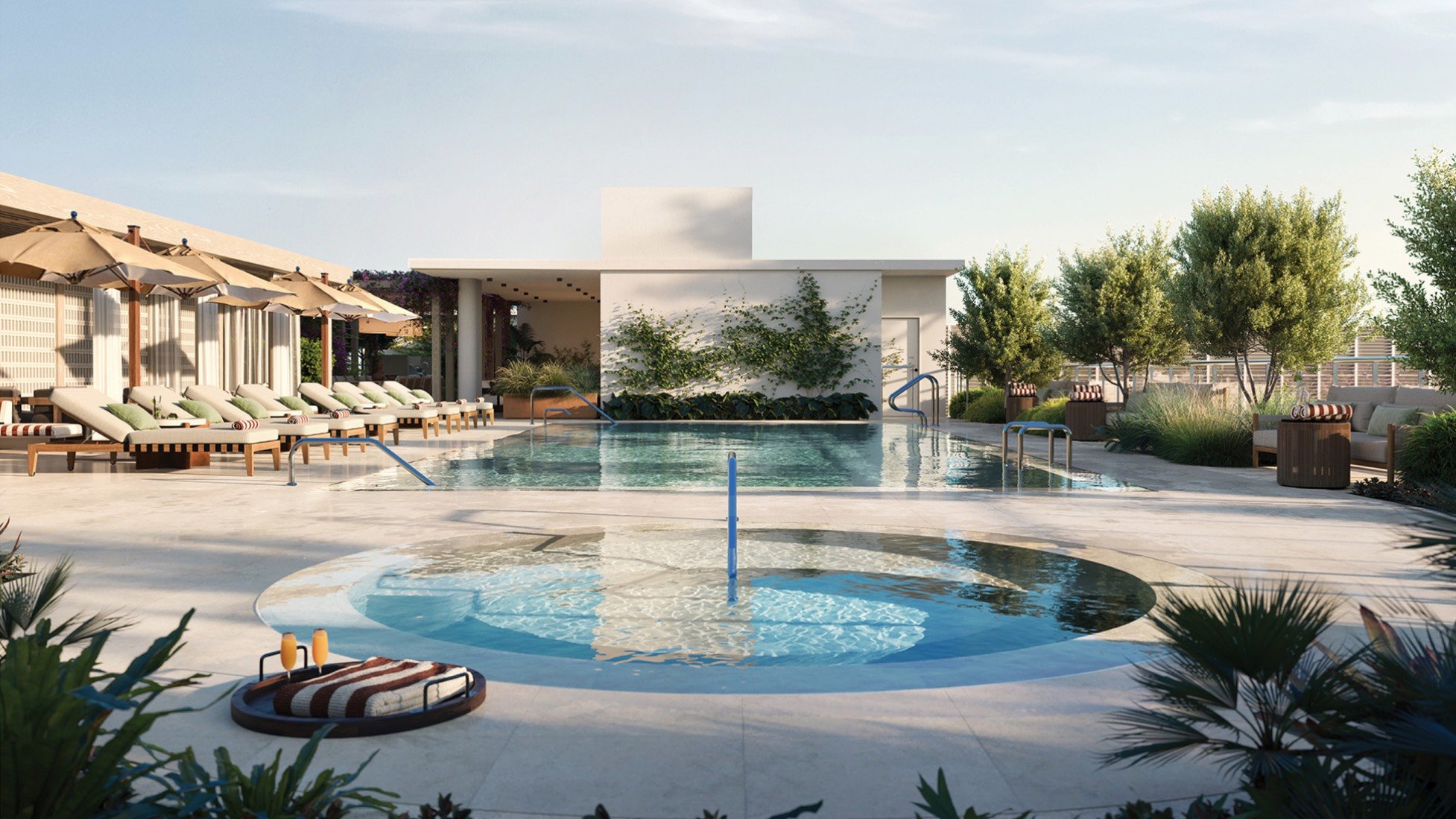
What differentiates the property is its stated orientation toward wellness. Amenities emphasize a substantial wellness and fitness component and rooftop pool programming, positioning the building for buyers who want primary conveniences curated within the property envelope.
From a deposit perspective, The Well is commonly marketed with staged deposits totaling approximately 40% pre-closing and a 60% balance due at closing, often structured in multiple 10% tranches. For risk management, the practical question isn’t whether the schedule is “normal,” but whether its milestones align with your liquidity horizon.
A second factor that matters for long-term carry costs is the project’s projected homeowners association fees, marketed around $2.00 per square foot. For a buyer comparing boutique options, that’s a figure worth pressure-testing-particularly when a building’s amenity operations are wellness-forward and staffing intensive.
If you are exploring Bay Harbor Islands options with similarly scaled inventory, it can be helpful to compare positioning with nearby boutique peers such as Alana Bay Harbor Islands or newer inventory like La Maré Bay Harbor Islands, even if your final choice is driven by lifestyle rather than pure economics.
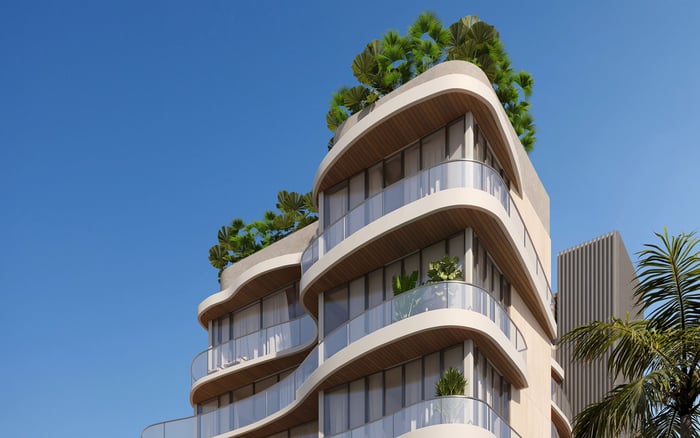
Onda Residences is a boutique waterfront condominium with 41 residences in an eight-story building, located at 1135 103rd Street. It is commonly cited as developed by CMC Group and Morabito Properties. Residences are typically marketed as two- to four-bedroom plus den layouts, with sizes roughly 1,809 to 3,523 square feet, plus penthouses.
Its defining feature is water access. The building includes a private marina with 15 boat slips, commonly cited for vessels roughly 30 to 55 feet-genuine utility for buyers who treat boating as a weekly habit rather than a vacation idea.
Construction completion has been reported in 2024, with prior construction milestones including a top-off reported in March 2023. For buyers, this matters because a project’s stage can influence both deposit exposure and the timing of when lifestyle benefits become tangible.
Onda’s deposits have also been marketed as staged deposits totaling about 40% prior to closing with 60% due at closing, commonly tied to reservation, contract, and construction milestones. Onda’s homeowners association fees have been marketed around $0.75 per square foot, a number that can resonate with buyers comparing operating-cost profiles across boutique buildings.
For readers wanting a broader Bay Harbor Islands snapshot, Onda Bay Harbor and Origin Bay Harbor Islands offer additional points of reference for how new inventory is being positioned in the neighborhood.
When both projects present the familiar “about 40% pre-closing, 60% at closing” structure, the real differentiation is what those deposits are securing.
The Well tends to trade on brand and a wellness-centric amenity stack, with a smaller unit-size starting point and a projected HOA metric marketed materially higher. For a buyer who values in-building programming and daily wellness convenience, paying for operations can be a rational trade. The deposit schedule, in that context, is a commitment to a lifestyle platform as much as a physical residence.
Onda, by contrast, makes a more direct promise: waterfront living paired with a private marina and larger residence footprints. If boating is central to your use case, the deposit is effectively reserving a scarce combination of location and utility. A lower marketed HOA figure can be compelling, but buyers should still treat pre-construction HOA estimates as estimates and validate how they may evolve at turnover.
Pre-construction in Bay Harbor Islands rewards buyers who are precise. Before releasing your initial 10% at contract, focus on five practical points.
First, confirm total pre-closing exposure and each trigger date. “10% at contract” is simple; the second and third tranches are where timing can surprise a buyer who assumed a longer runway.
Second, review escrow handling and statutory compliance under Florida condominium rules. Your goal is to understand where funds sit, who controls them, and how they can be used.
Third, model carry costs using each project’s marketed HOA metric, then stress-test it. The Well has been marketed around $2.00 per square foot and Onda around $0.75 per square foot. Even if both move at closing, the spread can be meaningful when you are underwriting long-term ownership.
Fourth, align the deposit plan with your intended use: primary residence, second-home, or investment. Your ideal liquidity posture differs for each.
Fifth, ensure the schedule complements your financing strategy. Even if you intend to pay cash at closing, the timeline can dictate how you allocate capital across other opportunities.
Bay Harbor Islands’ enduring appeal is its combination of privacy and proximity. You’re close to the energy of Miami Beach and Bal Harbour, yet far enough removed to feel residential. In that environment, boutique projects can deliver a sense of ownership that reads more like a private club than a high-rise.
The deposit structure is part of that identity. Because many offerings are small in residence count, sell-through and buyer quality can matter as much as price. A well-managed deposit plan can function as a filter-attracting buyers prepared to close and to carry.
For those who want to compare Bay Harbor Islands living to a different style of luxury product elsewhere in South Florida, a true waterfront, resort-forward benchmark like 2000 Ocean Hallandale Beach can be a useful contrast in scale, amenity operations, and buyer mix-without changing the core discipline required around deposits.
What is a typical pre-construction deposit structure in Bay Harbor Islands? Many projects market staged deposits totaling about 40% before closing, with 60% due at closing.
Where is The Well Bay Harbor Islands located? It is commonly listed at 1177 Kane Concourse in Bay Harbor Islands.
How many residences are at The Well Bay Harbor Islands? The building is marketed with 54 residences in an eight-story format.
What home sizes are marketed at The Well? Published sizes are roughly 924 to 3,291 square feet across one- to four-bedroom homes.
Where is Onda Residences located? Onda is located at 1135 103rd Street, Bay Harbor Islands.
Does Onda have boat slips? Yes, it includes a private marina with 15 slips, commonly cited for boats about 30 to 55 feet.
How many residences are at Onda? Onda is a boutique project marketed with 41 residences.
Are HOA fees fixed in pre-construction? They are typically estimated during sales and can differ at closing depending on final budgets.
Why do some buyers prefer boutique buildings in Bay Harbor Islands? Fewer residences can mean more privacy, tighter community, and a more curated amenity experience.
What law governs Florida condo deposit escrow handling? Florida’s condominium escrow framework is addressed under Fla. Stat. 718.202.
For a tailored shortlist and next-step guidance, connect with MILLION Luxury.
If branded residences are on your mind — as a home or as an allocation — we would be glad to share what we are seeing, privately.
Begin a quiet conversation