A buyer-focused guide to evaluating balcony enclosure thermal performance in Miami’s luxury condo market, with emphasis on comfort, glazing, HVAC coordination, condensation risk, approvals, and long-term value.
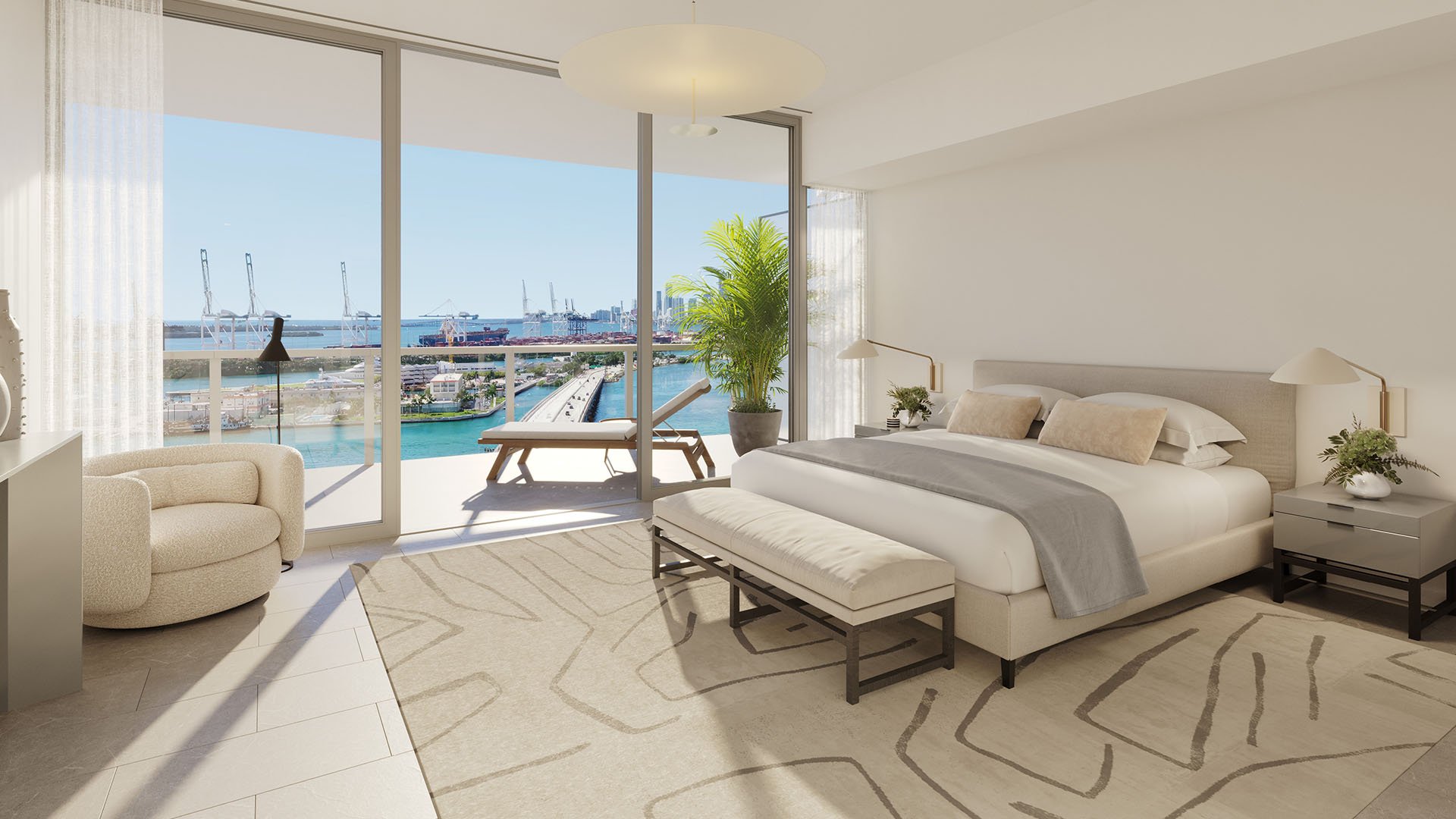
In Miami’s luxury condominium market, the balcony is no longer a casual spillover space. It is often part lounge, part breakfast room, part private observatory, and part architectural signature. When an owner considers enclosing it, the conversation moves quickly beyond glass and views. The real measure is thermal performance: how the enclosure manages heat, humidity, solar exposure, airflow, and comfort over time.
For ultra-premium buyers, the question is not simply whether a balcony enclosure looks seamless. It is whether it performs like a refined interior space in a subtropical climate. A poorly coordinated enclosure can feel warm, damp, acoustically thin, or visually compromised. A carefully planned one can extend daily living, preserve views, and support a quieter, more controlled residential experience.
This is especially relevant in Brickell, Miami Beach, Sunny Isles, Bay Harbor Islands, and other waterfront settings where glass, sunlight, wind, and salt air shape daily life. The most sophisticated buyers now evaluate enclosure strategy with the same seriousness they apply to kitchens, wellness amenities, parking, and private elevator access.
A luxury balcony enclosure should be treated as a small building-envelope intervention. Glass selection, framing, seals, drainage, shading, and mechanical coordination all influence how the space will perform. The goal is not to erase the original terrace character, but to create a transition zone that feels intentional, comfortable, and durable.
In practice, performance begins with the enclosure’s response to sun and humidity. Miami’s climate can make unconditioned glass spaces uncomfortable when heat gain is not managed. Buyers should ask whether the proposed enclosure has been evaluated for solar exposure, whether the glass specification suits the orientation, and whether the framing system is compatible with the building’s façade design.
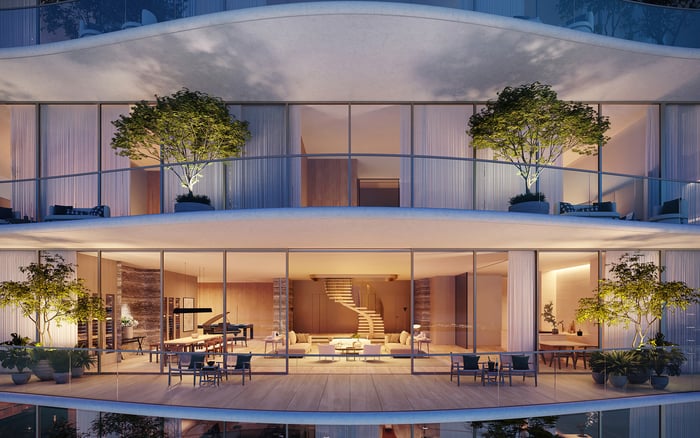
At the highest end of the market, this standard is aesthetic as well as technical. A mismatched enclosure can disrupt the rhythm of an elegant tower. A well-designed system should read as quiet, aligned, and architecturally disciplined, particularly in buildings where floor-to-ceiling glazing and deep outdoor spaces are central to the lifestyle proposition.
The first document to understand is the condominium association’s alteration policy. Many buildings restrict, condition, or carefully review balcony enclosure proposals. Even where enclosures may be considered, the association may require specific materials, professional drawings, insurance, contractor approvals, and visual consistency with the existing architecture.
The second review should address mechanical impact. If an enclosed balcony is expected to function as conditioned space, the existing HVAC system may not have been designed for the added load. Buyers should avoid assuming that opening a sliding door will make the area comfortable. Thermal performance depends on system capacity, air distribution, humidity control, and whether the enclosure is separated from or integrated with the interior.
The third issue is moisture. In a luxury Miami condo, condensation is not a minor inconvenience. It can affect finishes, furnishings, flooring, and long-term maintenance. A competent plan should consider where warm, humid air may meet cooler surfaces, how air will circulate, and whether the detailing reduces the chance of trapped moisture.
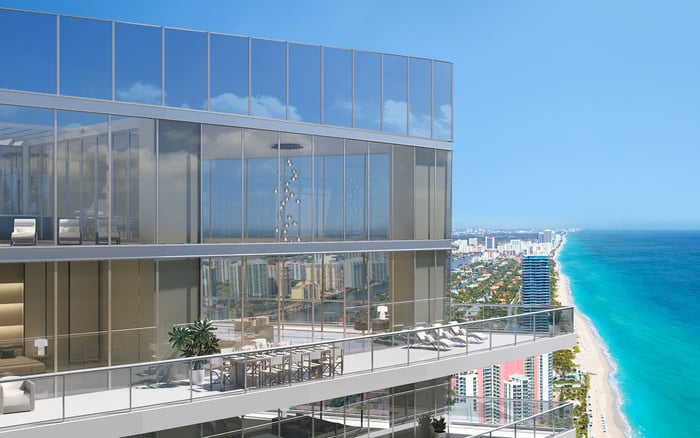
In Brickell, balcony enclosures often intersect with an urban glass lifestyle. Buyers are drawn to skyline views, bay-facing exposures, and high-rise living that feels cinematic at all hours. At The Residences at 1428 Brickell, the appeal of expansive glazing underscores a broader market point: glass is part of the luxury language, but performance determines how comfortably that language is lived.
For residences in dense urban corridors, thermal comfort is shaped by direct sun, reflected heat, and the owner’s daily pattern of use. A morning coffee terrace may have different requirements from an afternoon lounge or evening media space. The buyer’s intended use should guide the enclosure discussion early, before material selections and cost estimates become the focus.
Nearby, Una Residences Brickell reflects another aspect of the conversation: waterfront living in Brickell often emphasizes fluid indoor-outdoor space. Any enclosure concept should respect that original design intent. The best outcomes preserve openness while improving comfort, rather than turning an elegant terrace into a visually heavy add-on.
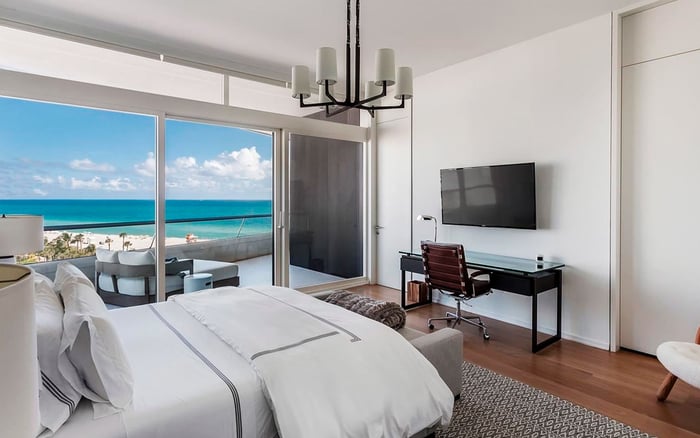
On Miami Beach, the priorities can shift. Ocean proximity makes comfort feel more sensory. Light, breeze, glare, salt air, and horizon views all shape the way a residence is experienced. At 57 Ocean Miami Beach, the relationship between residence and shoreline illustrates why enclosure decisions should be subtle. The value of the balcony is not only square footage, but atmosphere.
A high-performance enclosure in an oceanfront context should protect the elegance of the view. Oversized frames, darkened glass that changes the façade character, or heavy tracks can diminish the feeling buyers are trying to preserve. The stronger approach is disciplined: clean sightlines, careful detailing, and a thermal strategy that supports comfort without making the residence feel sealed away from the water.
This is where the distinction between a terrace and an enclosed room becomes important. A terrace has a certain informality and openness. An enclosure can add function, but without restraint, it may reduce the emotional value of the outdoor room. Luxury buyers should evaluate both the measurable comfort benefits and the experiential trade-offs.
In Sunny Isles, many residences are defined by height, views, and a direct relationship to the Atlantic. At St. Regis® Residences Sunny Isles, the branded-residence context reinforces buyer expectations for quiet execution and exacting finish standards. An enclosure in this environment should feel like part of a coherent residence, not a retrofit driven only by convenience.
High-floor conditions can make the enclosure discussion more complex. Wind exposure, façade uniformity, and the way the enclosure interfaces with existing doors and slabs all become part of the performance picture. Buyers should seek clarity on whether a proposed system is suitable for the building’s conditions and whether the approval path is realistic.
Sound is equally important. Thermal performance may be the headline, but acoustic comfort often becomes part of the luxury experience. A balcony enclosure that moderates heat but introduces vibration, rattling, or noticeable noise transfer will not meet the expectations of a discerning owner.
New-construction buyers should ask about balcony design before assuming future enclosure flexibility. Some buildings are conceived around open terraces as architectural elements, and later enclosure may be limited or discouraged. Others may offer enclosed or semi-enclosed outdoor rooms as part of the original design concept. The distinction matters because original design integration is usually more graceful than post-closing improvisation.
Resale buyers should be even more careful. If an existing enclosure is already in place, due diligence should confirm whether it was approved, who installed it, how it has performed, and whether any maintenance issues have appeared. A beautiful enclosure can be an asset, but only when its documentation and execution match the quality of the residence.
For both buyer types, the thermal standard is ultimately a matter of alignment. The enclosure, HVAC strategy, association approvals, and owner lifestyle must support one another. When one element is treated casually, the result can feel less than luxury.
For the South Florida buyer, balcony enclosure performance is not a technical footnote. It is part of the broader evolution of luxury living in a humid, sun-rich, view-driven market. The most desirable residences are not merely photogenic. They are comfortable at noon, composed in summer, resilient during seasonal changes, and elegant in daily use.
A thoughtful enclosure can make a residence more livable, particularly for owners who spend extended time in Miami or use the home as a primary residence. It can create a more versatile morning room, reading lounge, office, or dining alcove. Yet discretion remains essential. The highest standard is not maximum enclosure. It is the right enclosure: properly reviewed, quietly detailed, and appropriate to the building.
What is balcony enclosure thermal performance? It refers to how an enclosed balcony manages heat, humidity, solar exposure, airflow, and comfort in everyday use.
Should every luxury Miami condo balcony be enclosed? No. The decision depends on building rules, architecture, exposure, owner lifestyle, and whether the enclosure improves the residence without compromising it.
Why does HVAC coordination matter? An enclosed balcony may create added comfort demands, so buyers should understand whether the mechanical system can support the intended use.
Can an enclosure affect resale value? It can help when approved, elegant, and well documented, but a poorly executed or unapproved enclosure may raise buyer concerns.
Is condensation a serious issue in Miami? Yes. Humidity and temperature differences can create moisture concerns if the enclosure is not planned with proper airflow and detailing.
Do condo associations usually review balcony enclosures? Many associations require review and approval, particularly when exterior appearance, structure, or building systems may be affected.
What should buyers ask before purchasing a unit with an existing enclosure? They should ask for approval records, contractor information, maintenance history, and any documentation related to the enclosure’s performance.
Are oceanfront enclosures different from urban enclosures? They can be. Oceanfront settings place greater emphasis on views, salt air, glare, and maintaining the open feeling of the terrace.
Can a balcony enclosure still feel luxurious? Yes, when the design is restrained, the sightlines are clean, and the thermal performance supports a comfortable daily experience.
Who should guide a buyer through this issue? A buyer should rely on qualified design, engineering, construction, and real estate professionals familiar with the building and market.
For a discreet conversation and a curated building-by-building shortlist, connect with MILLION.
If branded residences are on your mind — as a home or as an allocation — we would be glad to share what we are seeing, privately.
Begin a quiet conversation