A disciplined buyer's framework for examining the recurring and episodic costs of ownership at Oceana Key Biscayne, from insurance and reserves to maintenance scope and private staffing.
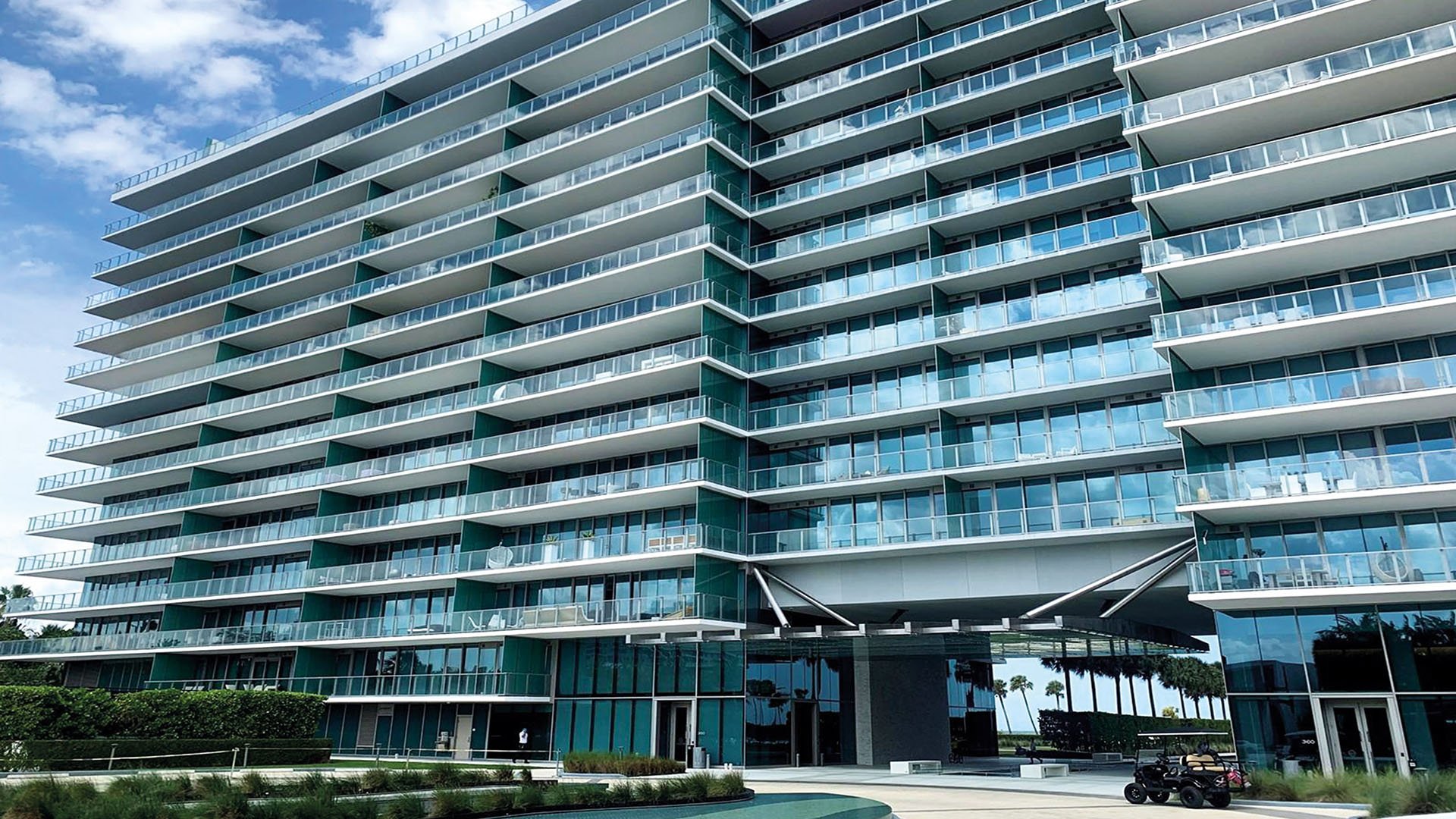
Oceana Key Biscayne is a waterfront luxury residential development in Key Biscayne, Florida. For a prospective owner, however, the purchase price is only the opening figure. A clear view of carrying costs separates recurring association obligations, residence-level expenses, periodic capital needs, and optional service choices.
That distinction is particularly important for second-home ownership, when a residence may require attentive oversight even while unoccupied. No single headline number captures every owner's position. Unit size, insurance selections, usage patterns, staffing preferences, and future building decisions can all shape the annual total.
Begin with four columns: association charges, owner insurance, residence maintenance, and private staffing. Then add a fifth line for contingencies. This structure prevents unlike expenses from being folded into a deceptively simple monthly estimate.
Review what association charges include, how often they are billed, and whether separate charges apply. Residence-level costs may include utilities, interior servicing, repairs, and systems care, depending on the home and the owner's arrangements. A contingency allocation creates room for deductibles, replacements, or special assessments without treating them as predictable annual expenses.
An insurance review should address both the association's coverage and the owner's policy. Buyers should determine where one ends and the other begins, then examine deductibles, exclusions, limits, renewal dates, and responsibility for interior improvements and personal property.
The premium alone is not enough. A lower quoted cost may carry a different deductible or narrower scope. Request current documents and have qualified insurance and legal advisers interpret the coverage for the specific residence. The useful result is a written map of responsibility, not merely a certificate or verbal summary.
Reserves warrant separate consideration from routine maintenance. Review the latest available reserve materials, recent financial statements, adopted budget, meeting records, and any discussion of planned capital work. The central question is whether anticipated projects align with the funding approach.
Buyers should also distinguish between a regular reserve contribution and a special assessment. One is part of the ongoing budget structure; the other may arise through a separate decision. Neither should be assumed without current documentation. Ask whether any assessment has been approved, discussed, paid, or remains outstanding for the residence under consideration.
The phrase maintenance fee can obscure important differences in scope. Obtain an itemized schedule of association services and identify anything billed separately. Then prepare a residence-specific operating plan covering interior cleaning, air-conditioning service, appliance care, window treatments, smart-home systems, terraces, furnishings, and other privately maintained elements, as applicable.
Buyer expectations matter here. A lightly used home with a preventive service calendar may have a different operating profile from a primary residence with continuous occupancy. The more useful comparison is the cost of each defined service and level of care, not a fee viewed in isolation.
Seasonal staffing is best approached as a service-design exercise. Start with the owner's calendar: arrival preparation, departure closing, routine inspections, deliveries, housekeeping, vendor access, vehicle readiness, and emergency coordination. Decide which functions belong to a household employee, an independent provider, or a residence-management firm.
A written scope should specify frequency, response expectations, authorization limits, reporting, and key control. Buyers should also account for the difference between scheduled visits and on-call availability. The goal is not maximum staffing, but a discreet structure proportionate to occupancy and the home's complexity.
A meaningful market comparison should apply the same worksheet to every property. Buyers considering other oceanfront or waterfront options might use the framework for Oceana Bal Harbour, 57 Ocean Miami Beach, or The Ritz-Carlton Residences® Miami Beach. These links are starting points for project review, not substitutes for residence-specific documents.
Normalize each comparison by service scope, policy structure, reserve treatment, and intended use. A higher recurring charge may include services that would otherwise be purchased privately, while a lower charge may leave more to the owner. The disciplined question is what the total ownership plan delivers.
Before contract milestones expire, organize the current budget, financial statements, reserve materials, insurance documents, meeting records, assessment information, service schedules, and any residence-specific utility or maintenance history the seller is prepared to provide. Confirm the dates, because stale documents can distort an otherwise careful analysis.
Create three annual scenarios: expected use, extended occupancy, and a contingency case. Keep unsupported figures out of the model until written evidence or a qualified quote is available. This approach gives a Key Biscayne buyer a defensible range while preserving flexibility for personal service standards.
What are carrying costs at Oceana Key Biscayne? They may include association charges, owner insurance, residence maintenance, utilities, staffing, and periodic capital obligations, depending on the home and owner.
Is there one reliable monthly carrying-cost figure? No universal figure should be assumed. The total depends on current documents, the specific residence, coverage choices, and use.
What insurance documents should a buyer request? Request the association's current coverage materials and obtain a residence-specific owner-policy proposal for professional review.
Why do insurance deductibles matter? Deductibles affect the owner's potential exposure when a covered event occurs. Evaluate them alongside limits and exclusions.
How should reserves be reviewed? Compare reserve materials with financial statements, the adopted budget, meeting records, and any planned capital work under discussion.
Are reserves the same as special assessments? No. Reserve contributions are part of a funding structure, while a special assessment may be authorized separately.
What should be confirmed about maintenance charges? Confirm the billing frequency, included services, separately billed items, and responsibilities retained by the residence owner.
Is seasonal staffing mandatory? Not as a general budgeting assumption. It is an owner-selected layer of service shaped by occupancy, response needs, and desired oversight.
How can a buyer compare competing residences fairly? Use one worksheet and normalize insurance scope, reserve treatment, included services, private maintenance, and staffing assumptions.
Who should review the final carrying-cost plan? Appropriate legal, insurance, tax, property-management, and financial advisers should review the documents and assumptions relevant to the buyer.
To compare the best-fit options with clarity, connect with MILLION.
If branded residences are on your mind — as a home or as an allocation — we would be glad to share what we are seeing, privately.
Begin a quiet conversation