A discreet buyer’s guide to understanding balcony and terrace responsibilities before committing to a South Florida luxury residence, with emphasis on documents, inspections, lifestyle use, and resale confidence.
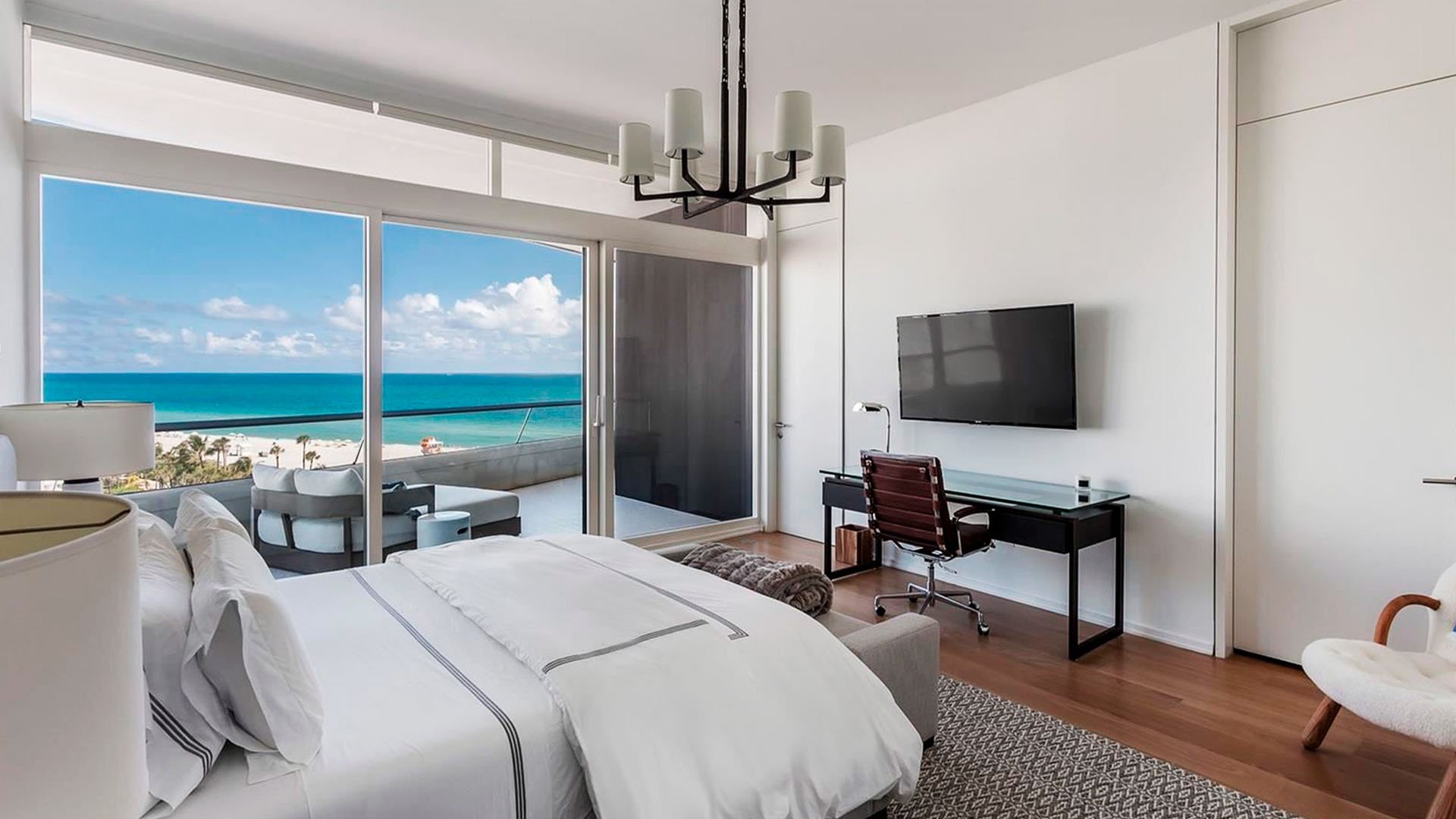
For many international buyers, private outdoor space is the emotional signature of a South Florida residence. It is where morning light, water views, evening air, and a sense of arrival converge. Yet a balcony or terrace is not merely a lifestyle amenity. It is an exterior condition, a maintenance responsibility, a rule-governed space, and, in some cases, a future negotiation point.
Before signing, buyers should slow the conversation down. The question is not only whether the outdoor area is expansive, photogenic, or beautifully furnished. The more important question is who maintains what, how issues are handled, and whether the ownership documents support the way the buyer intends to live. This matters especially for buyers who will use the residence seasonally, manage it from abroad, or hold it as an investment or second home.
In condominium living, outdoor space can fall into a nuanced category. A buyer may have exclusive use of a terrace or balcony, while certain structural or exterior elements remain governed by the association. The answer is not universal, so the closing process should include a careful review of the declaration, bylaws, rules, maintenance standards, and any current guidance from building management.
The practical questions are direct. Can the owner install planters, shades, outdoor furniture, lighting, or decorative elements? Are there restrictions on weight, drainage, finishes, or placement? Who is responsible for cleaning surfaces, maintaining railings, replacing flooring, or addressing water intrusion concerns? What approvals are required before any improvement is made?
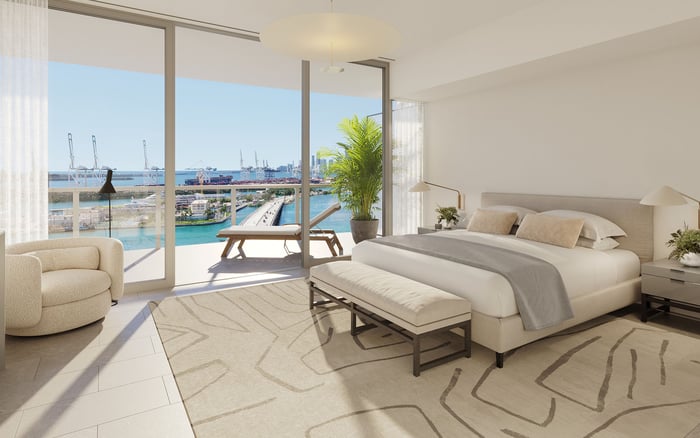
A buyer comparing 2200 Brickell with The Residences at 1428 Brickell may be focused on architecture, service, and location. The balcony and terrace conversation adds another layer: how the building expects residents to preserve the exterior character and shared integrity of the property.
International buyers often move quickly once the right residence appears. The best properties invite decisive action, but balcony and terrace diligence should begin before emotional commitment becomes difficult to unwind. This is not a reason to hesitate. It is a reason to ask sharper questions.
A seasonal owner may not be present to notice small changes. A buyer planning extended absences should understand inspection access, cleaning routines, storm preparation expectations, and communication protocols with management. If the residence will be used by family, guests, or household staff, written instructions matter. Outdoor cushions, planters, doors, drains, and furnishings can become operational details, not just decorative choices.
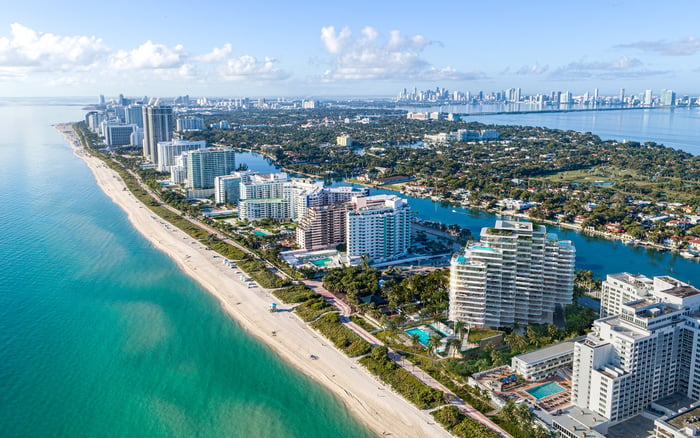
Along the coast, buyers studying Miami Beach residences such as 57 Ocean Miami Beach or The Perigon Miami Beach should treat the exterior living area as part of the full ownership profile. The view may sell the dream, but the rules determine how comfortably that dream is managed.
A pre-signing review should not stop at the interiors. Buyers should ask their advisers to examine terrace and balcony surfaces, railings, doors, thresholds, drainage paths, privacy conditions, and the relationship between indoor and outdoor areas. The aim is not to create alarm. It is to determine whether the condition, configuration, and maintenance expectations are consistent with the price and intended use.
Questions should be specific. Are there visible stains, cracks, uneven surfaces, corrosion, loose elements, or drainage concerns? Do doors seal properly? Does water appear to move away from living areas? Are there pending association discussions that could affect access, repairs, appearance, or costs? If outdoor improvements are desired, can they be approved in writing before the buyer relies on them?
This is where luxury buyers benefit from discretion and precision. A beautiful terrace can remain a strength when its care is understood. Uncertainty, by contrast, can become friction during closing, ownership, or resale.
Outdoor space carries social meaning in South Florida. Some buyers imagine quiet sunrise coffee. Others picture dinners, art-filled evenings, or family gatherings. Not every building will accommodate every pattern of use in the same way. Noise rules, cooking restrictions, furniture standards, pet access, smoking policies, and guest behavior can all shape the actual experience.
This is particularly relevant in Brickell, where vertical living can place private outdoor areas near neighbors above, below, and beside the residence. The more elevated the service environment, the more important it becomes to understand how the building balances privacy, design uniformity, and individual expression.
Buyers should avoid assuming that a large terrace automatically permits a fully customized outdoor lifestyle. Approval pathways, association aesthetics, and neighbor considerations may be as important as square footage. The right question is not “Can I imagine it?” but “Will the building allow and support it?”
A terrace or balcony can be a meaningful resale asset when it feels usable, well cared for, and aligned with the residence’s broader design language. Conversely, ambiguity around responsibility can weaken confidence. Buyers who understand maintenance obligations at acquisition are better positioned to preserve value, document care, and answer future buyer questions with ease.
For international owners, a simple maintenance file can be valuable. Keep approvals, correspondence, repair records, cleaning instructions, warranty information, and photographs in one place. If the residence is managed while the owner is abroad, clarify who checks the outdoor area and how quickly concerns are escalated.
At the ultra-premium level, the most persuasive ownership stories are orderly. The residence feels effortless because the unseen details have been handled.
Before signing, review the governing documents and ask for written clarification on owner versus association responsibilities. Confirm what can be placed outside, what requires approval, and whether any planned improvements are realistic. Ask about cleaning, access, weather preparation, drainage, railings, doors, flooring, and any known exterior maintenance discussions.
Then connect the answers to your lifestyle. If you will live abroad part of the year, decide who will inspect the outdoor area. If you entertain, understand rules for sound, guests, food preparation, and hours. If design is central, confirm whether your preferred furnishings and finishes fit building standards.
For buyers comparing new offerings, resale residences, waterfront towers, and boutique buildings, this discipline creates clarity. It allows the outdoor space to remain what it should be: a graceful extension of the home, not an unexamined obligation.
Why should international buyers focus on balcony and terrace maintenance before signing? Because outdoor space can involve ownership duties, association rules, access protocols, and future costs that are easier to clarify before a contract becomes binding.
Is a balcony always maintained by the unit owner? Not always. The documents should be reviewed to determine which elements are owner responsibilities and which are handled by the association.
Can I furnish a terrace however I want? Possibly, but many buildings have rules on furniture, planters, finishes, visibility, weight, and appearance. Confirm approval requirements in writing.
Should balcony condition be part of the inspection? Yes. The inspection should consider surfaces, railings, doors, thresholds, drainage, visible wear, and any conditions that could affect use or upkeep.
What if I plan to use the residence only seasonally? Create a management routine for inspections, cleaning, weather preparation, and prompt communication while you are abroad.
Do terrace rules affect resale value? They can affect buyer confidence. Clear records, approvals, and consistent maintenance make the outdoor space easier to present later.
Are outdoor kitchens or planters automatically allowed? No. Any installation should be checked against building rules and approval procedures before purchase decisions rely on it.
What documents should my adviser review? The declaration, bylaws, rules, maintenance guidelines, association communications, and any written policies affecting outdoor areas should be reviewed.
Is this more important for waterfront or high-rise residences? It is important for any luxury condominium with private outdoor space, regardless of location or height.
What is the most important question to ask before signing? Ask who is responsible for each part of the balcony or terrace, and what written rules govern how it may be used, maintained, and altered.
For a confidential assessment and a building-by-building shortlist, connect with MILLION.
If branded residences are on your mind — as a home or as an allocation — we would be glad to share what we are seeing, privately.
Begin a quiet conversation