A buyer-oriented analysis of how Miami’s ultra-prime residential market may settle after global event attention, with emphasis on selectivity, liquidity and enduring lifestyle value.
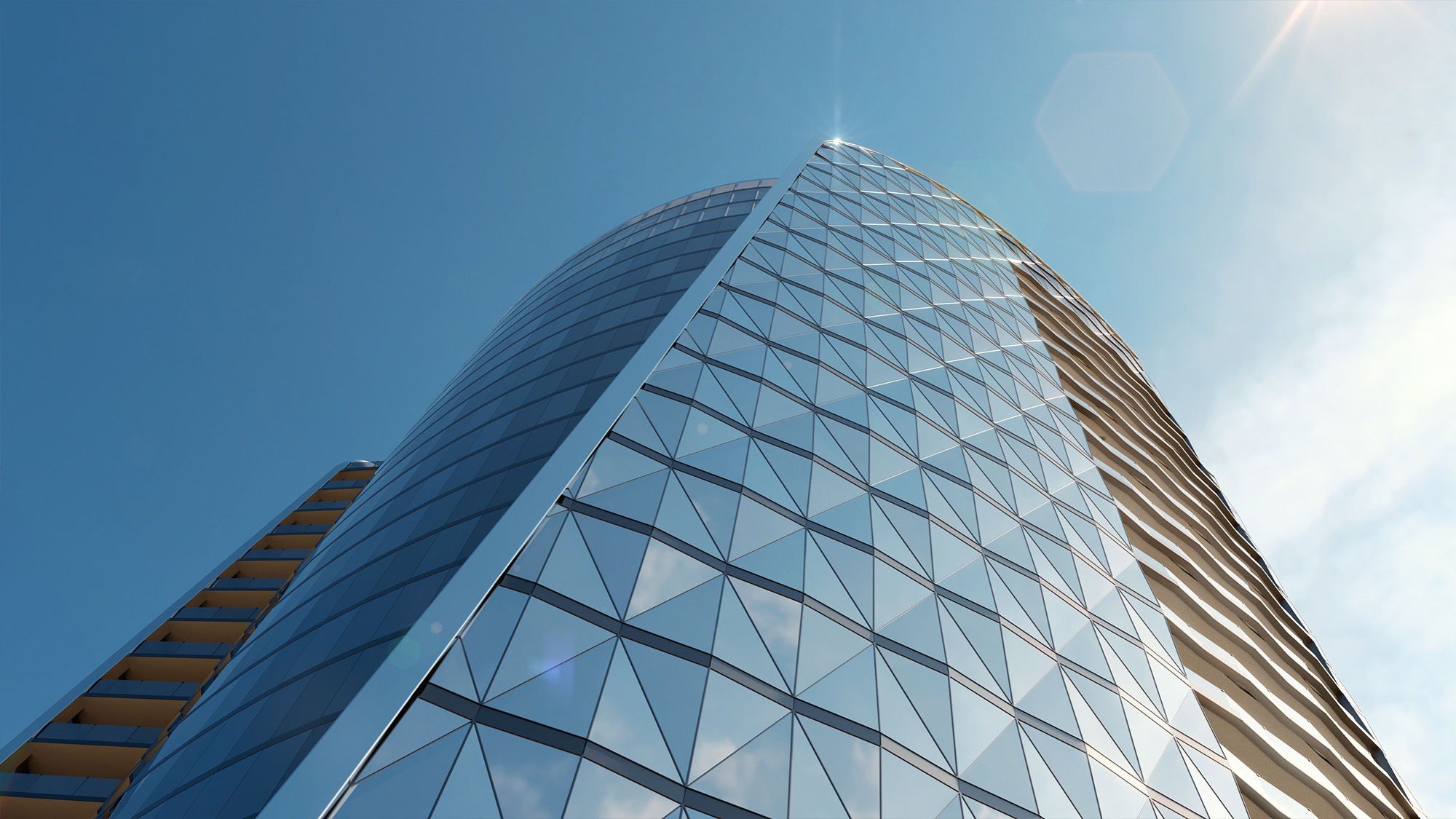
The most sophisticated Post-FIFA World Cup Investment conversation in Miami is not about spectacle. It is about what remains after the spectacle moves on. Global attention can introduce new buyers to a city, sharpen international perception and temporarily heighten urgency. Yet the lasting measure for luxury residential real estate is quieter: which properties retain desirability when the calendar no longer provides momentum.
For South Florida’s ultra-prime audience, stabilization should not be confused with softness. It is a shift from broad enthusiasm to disciplined selection. In a stabilized market, buyers assess architecture, privacy, service, water orientation, walkability and long-term livability with sharper precision. Sellers with genuinely rare assets tend to defend value more effectively. Owners of undifferentiated inventory may need to become more pragmatic.
That distinction matters because Miami is not one luxury market. Brickell behaves differently from Miami Beach, which behaves differently from Sunny Isles, Coconut Grove, Fisher Island or Palm Beach. The post-event phase rewards buyers who understand those micro-markets rather than chase a single headline narrative.
In the immediate orbit of a mega-event, attention often lifts the entire conversation. The post-event period is more exacting. Demand can remain present, but it becomes more discerning. Buyers who once asked, “Will Miami keep rising?” begin asking, “Which address, which exposure, which plan, which service model and which exit profile?”
That is the essence of stabilization. It does not require a dramatic correction. It can simply mean longer deliberation, more negotiation around secondary assets and a clearer premium for homes that solve practical luxury needs. Privacy, parking, elevator experience, staff efficiency, outdoor space, wellness programming and proximity to daily rituals become investment variables, not lifestyle footnotes.
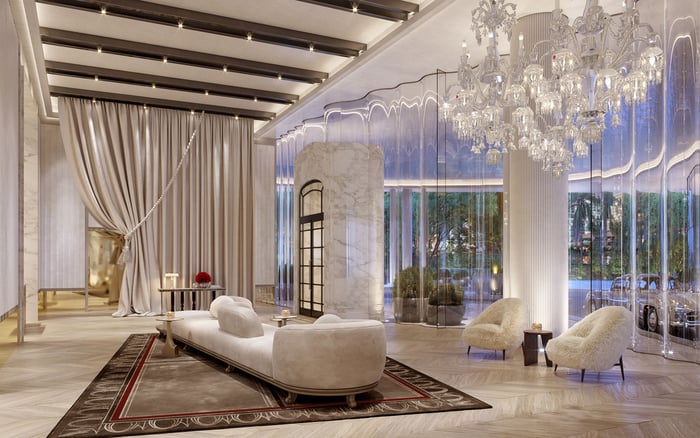
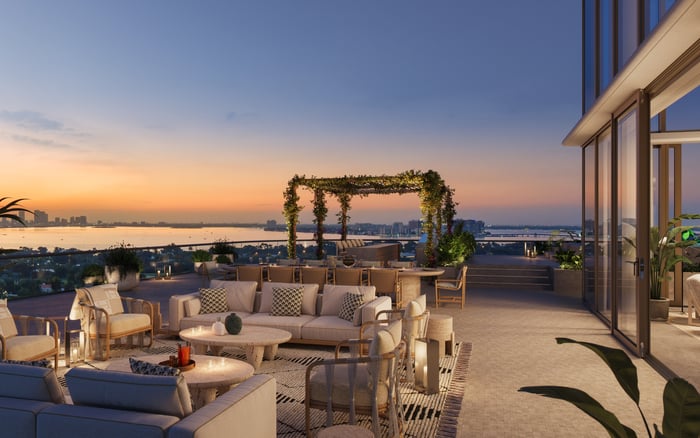
This is where branded and design-forward residences can retain an advantage, provided the underlying location and product logic are compelling. A buyer considering Baccarat Residences Brickell is not only evaluating a skyline address. The decision also involves how a full-service residential environment may perform when the market becomes more selective and when tenants, future purchasers or second-home users compare buildings by experience as much as by view.
Brickell remains one of Miami’s clearest urban luxury propositions because its appeal is grounded in daily utility. The neighborhood offers a dense residential, financial, dining and hospitality ecosystem that makes ownership legible to both local and international buyers. In a post-FIFA World Cup setting, that matters. Markets stabilize most gracefully where lifestyle use is not dependent on seasonal excitement alone.
For investors, Brickell’s question is less about whether the district is visible and more about which residences feel durable to a mature buyer. Floor height, water outlook, building services, arrival sequence and the quality of surrounding development all influence confidence. The best Brickell assets can function as primary residences, pied-à-terre homes or long-term holds, giving them flexibility across cycles.
This is also where investment discipline becomes important. Carrying costs, rental restrictions, association culture and resale depth should be reviewed before emotion takes over. In a stabilized environment, the market tends to reward homes with multiple plausible end users. A residence that can appeal to an executive relocating to Miami, a Latin American family seeking a financial district base and a domestic second-home buyer has a broader demand profile than a product aimed at only one mood.
Miami Beach offers a different pattern. Here, scarcity, setting and lifestyle mythology do more of the work. Waterfront orientation, beach proximity, architectural identity and neighborhood texture can create a form of insulation not available to every urban district. Yet the post-event phase can also be less forgiving to properties that rely on address prestige without delivering contemporary livability.
For many buyers, the appeal of The Perigon Miami Beach sits within this broader search for rarity and refinement. The relevant post-event question is not whether Miami Beach remains desirable. It is whether a given residence feels sufficiently special to command attention when buyers are no longer rushing to participate in a moment.
The strongest Miami Beach purchases tend to combine emotional clarity with practical restraint. A home should feel like a reward, but it should also make sense when viewed through liquidity, maintenance, privacy and long-range ownership. Stabilization favors this dual lens. Beauty alone is not enough. Convenience alone is not enough. The best assets offer both.
Sunny Isles introduces another pattern: the vertical trophy market. Buyers here often focus on views, scale, building identity and resort-like amenities. In expansionary periods, dramatic architecture can capture demand quickly. In stabilization, the test becomes more exacting. Does the residence offer true differentiation, or is it merely large and high?
A project such as Bentley Residences Sunny Isles belongs in the conversation because Sunny Isles buyers often evaluate the relationship between brand identity, privacy, automotive convenience, ocean proximity and long-term collectability. The point for investors is not to assume that every branded residence is equal. It is to determine whether the brand enhances an already coherent real estate proposition.
Oceanfront property has an enduring emotional advantage in South Florida, but it still requires disciplined underwriting. The more elevated the price point, the smaller the buyer pool may become. That makes product specificity crucial. Plans should be livable, terraces should feel usable, service should be consistent and the building’s reputation should strengthen over time rather than depend on opening-year attention.
Coconut Grove illustrates why stabilization can favor neighborhoods with deep residential identity. Buyers seeking privacy, canopy, marina proximity, schools, dining and a more village-like rhythm may be less influenced by event-driven excitement. Their decisions are often rooted in permanence.
That is why Four Seasons Residences Coconut Grove fits naturally into a post-event analysis. The Grove’s appeal is not primarily about spectacle. It is about a quieter form of luxury: access without overexposure, refinement without ostentation and daily life that feels complete beyond the building itself.
In a stabilized market, this kind of neighborhood logic can matter as much as skyline drama. Buyers may accept less theatrical visibility in exchange for a stronger sense of home. For long-term holders, that can be a meaningful advantage. Properties connected to enduring local rituals often avoid the volatility of purely trend-driven demand.
The post-FIFA World Cup period should be treated as a diligence window, not a pause. Serious buyers can use stabilization to compare inventory with less pressure and separate rare assets from merely available ones. The most important work is comparative: building against building, line against line, view against view, service model against service model.
Liquidity deserves particular attention. A luxury residence is not only an acquisition. It is a future resale story. The strongest story usually includes a recognizable location, a defensible scarcity angle, a refined floor plan, strong maintenance culture and a buyer audience that is not too narrow. When those elements converge, stabilization can become an opportunity rather than a warning.
Sellers should read the same signals. Aspirational pricing may still succeed for exceptional homes, but only when the property justifies the ambition. Presentation, staging, timing and discretion matter more when buyers have alternatives. The market can be elegant and demanding at once.
Does a post-FIFA World Cup period automatically weaken Miami luxury real estate? No. It may simply shift the market from event-driven attention to more selective, quality-led decision-making.
What does stabilization mean for luxury buyers? It means buyers may have more room to compare, negotiate and focus on properties with durable lifestyle and resale appeal.
Which Miami areas may deserve close review after a major event? Brickell, Miami Beach, Sunny Isles and Coconut Grove each offer distinct ownership profiles and should be evaluated separately.
Are branded residences always safer investments? Not automatically. The brand should reinforce a strong location, intelligent design, privacy and service, not replace them.
Why is liquidity important in ultra-prime real estate? Liquidity determines how broad the future buyer pool may be when an owner eventually decides to sell.
Should investors prioritize new construction or resale? The better choice depends on pricing, delivery risk, building quality, maintenance expectations and the buyer’s intended hold period.
Is Oceanfront property still compelling in a stabilized market? Yes, when scarcity, views, building quality and ownership costs align with the buyer’s long-term objectives.
How should second-home buyers approach the market? They should focus on ease of use, service, privacy, lock-and-leave convenience and a location they will genuinely enjoy.
Can stabilization create buying opportunities? Yes. It can allow disciplined buyers to identify motivated situations without abandoning standards for quality.
What is the most important post-event investment rule? Buy the asset that remains desirable when the headline fades and daily life becomes the true measure of value.
If you'd like a private walkthrough and a curated shortlist, connect with MILLION.
If branded residences are on your mind — as a home or as an allocation — we would be glad to share what we are seeing, privately.
Begin a quiet conversation