A disciplined buyer should test whether wellness spaces perform as promised, whether medical access works in real conditions, and whether both advantages justify their long-term carrying costs.
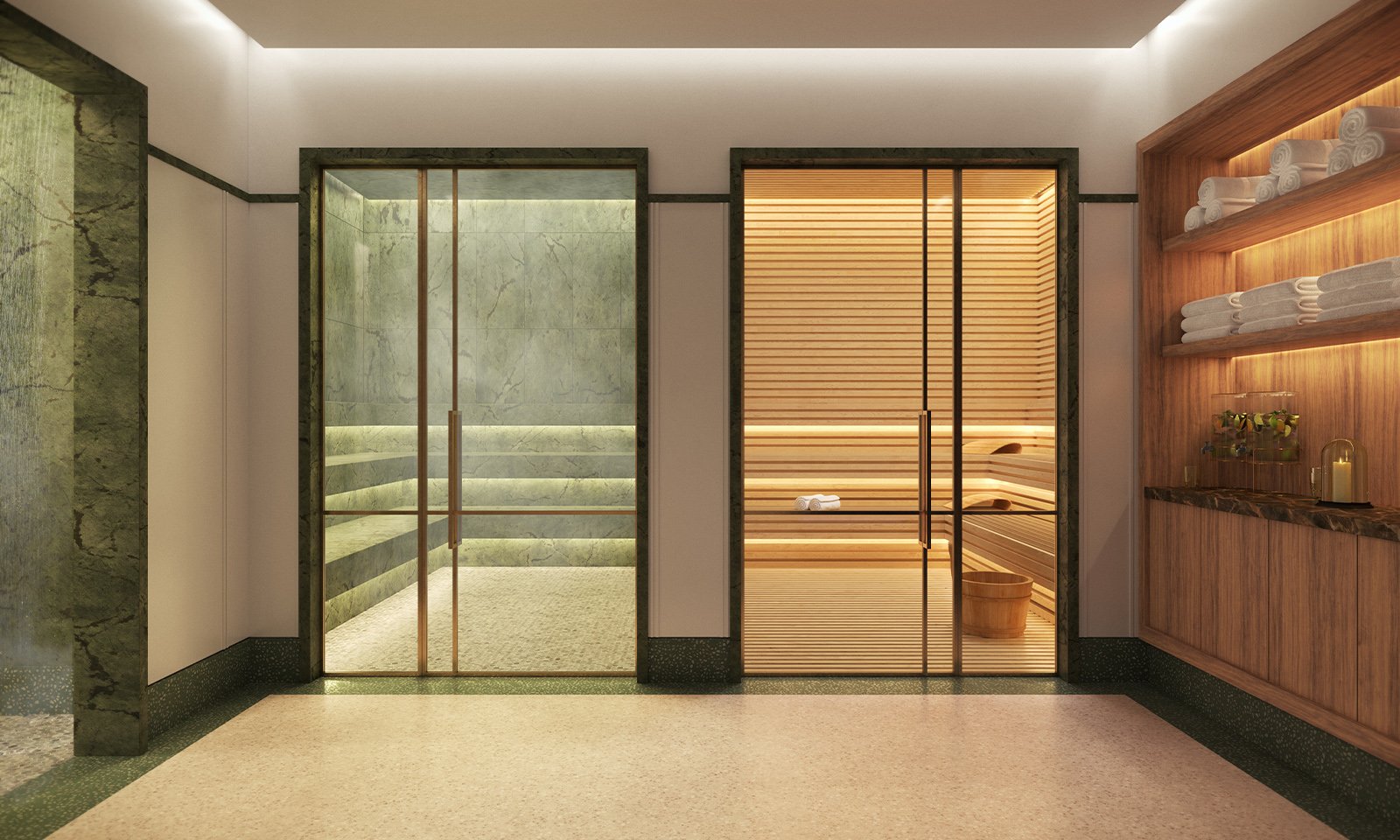
In Hallandale Beach, wellness can shape how a residence feels every day. Yet an impressive amenity schedule is not the same as a dependable wellness program. Before making an offer, buyers should distinguish physical facilities from services, operating policies, and future costs.
This buyer's guide begins with a simple question: Which features will materially improve your routine? A beautiful pool may matter more than a seldom-used treatment room. A private training space may hold value only if its equipment, ventilation, hours, and guest rules suit the household. Lifestyle value is personal; operating risk belongs to every owner.
Use buildings such as 2000 Ocean Hallandale Beach as direct comparison points, then examine Shell Bay by Auberge Hallandale to broaden the local conversation. The purpose is not to assume equivalence, but to identify the questions that reveal genuine utility, privacy, and depth of service.
Request a current amenity inventory and distinguish resident facilities from separately operated services. Ask whether fitness areas, spa rooms, saunas, steam rooms, recovery spaces, pools, and outdoor areas are open, planned, seasonal, reservation-only, or subject to additional charges. If a feature is central to your decision, confirm its status in governing and transaction documents rather than relying on presentation materials.
Then examine daily operations. Who staffs each space? Are trainers, therapists, or other practitioners independent providers? What credentials and insurance must they maintain? Can residents bring outside professionals? Are guests permitted? What are the cancellation rules, quiet hours, age restrictions, and privacy protocols?
Physical quality warrants equal scrutiny. Visit at the hour you expect to use the facilities. Observe acoustics, odors, temperature, crowding, elevator access, locker arrangements, and the transition between wet and dry areas. Ask how water quality, equipment servicing, cleaning, and air handling are monitored. For an outdoor pool or exercise terrace, consider shade, wind, noise, and alternatives during adverse weather.
Wellness spaces are not complimentary simply because access is included. Staffing, utilities, repairs, insurance, and eventual replacement all flow through the building's economics. Request the current budget, recent financial statements, reserve information, insurance materials, meeting minutes, pending assessments, and available engineering documentation. Your attorney and financial adviser can help interpret what those records mean over the contemplated ownership period.
Examine recurring expenses alongside capital exposure. Specialized equipment, water-intensive facilities, sophisticated mechanical systems, and heavily staffed spaces can demand meaningful upkeep. Ask which costs are included in regular assessments, which services are à la carte, and whether outside operators can change prices or terms.
A regional comparison can sharpen judgment. Include Auberge Beach Residences & Spa Fort Lauderdale in a broader Broward review, while using Bentley Residences Sunny Isles as another reference point when assessing how luxury properties frame ownership and amenities. Compare documents, access rules, carrying costs, and actual usability-not names alone.
“Near medical care” is too imprecise to guide an offer. Define what proximity means for your household. One buyer may prioritize emergency access; another may need a particular specialist, recurring treatment, rehabilitation, imaging, pharmacy services, or coordinated home care. Verify providers and facilities independently, including whether they accept your insurance and whether new patients can obtain appointments.
Test routes at relevant times rather than relying on straight-line distance. Consider weekday congestion, bridge or rail interruptions, weather, building exit time, valet retrieval, and the availability of a driver or ride service. If mobility is a concern, trace the entire journey-from the residence door to the vehicle, then from drop-off to reception.
Within the building, ask about emergency procedures, generator coverage, elevator protocols, staff training, accessibility, and first-responder access. Determine whether security can direct responders quickly and whether the unit's floor, corridor, and elevator configuration suit the resident's needs. These inquiries are practical due diligence, not a substitute for medical advice.
A wellness amenity can quickly lose value if access is cumbersome or privacy is uncertain. Ask whether reservations identify residents publicly, whether cameras cover sensitive areas, how service providers enter, and what information third-party operators retain. Buyers who may use in-home care should review staff-entry procedures, parking, service elevators, overnight rules, and building registration requirements.
Also determine what happens when an amenity closes. Is there a temporary alternative during repairs? Can management reduce hours? Do commercial or hotel users share the spaces? Are exclusive resident areas protected by the governing framework? If the building is new or evolving, identify which components are complete and what remedies exist if delivery changes.
For a wellness-focused comparison beyond Hallandale, The Well Bay Harbor Islands can help refine questions about the distinction between wellness branding, physical infrastructure, and ongoing programming. The decisive issue remains what is documented and sustainable at the specific property under consideration.
Before signing, create a concise priority schedule: essential, desirable, and irrelevant. Give essential items to the appropriate advisers for verification. Review the declaration, bylaws, rules, budget, reserves, insurance, inspection materials, seller disclosures, and contract terms within the applicable review periods.
Record unresolved questions in writing. If an amenity, access right, parking arrangement, or operational representation materially affects value, discuss with counsel how it should be addressed in the offer or diligence process. A refined purchase is not simply the residence with the longest amenity list. It is the one whose services, finances, rules, and location align with the buyer's actual life.
What is the first wellness question a buyer should ask? Ask which amenities are operating now, who may use them, and what access costs beyond regular assessments.
Should I rely on marketing materials for amenity details? No. Confirm material features, rights, restrictions, and completion status through the applicable transaction and governing documents.
How should I assess a condominium fitness center? Visit during your likely workout time and evaluate equipment, maintenance, ventilation, crowding, privacy, and operating hours.
What financial records matter when wellness facilities are extensive? Review budgets, financial statements, reserves, insurance, meeting minutes, assessments, and available engineering materials with qualified advisers.
Does map distance establish medical proximity? No. Test realistic travel times, building exit logistics, traffic conditions, transportation options, and the exact provider required.
Should I verify a preferred physician before making an offer? Yes. Confirm location, appointment availability, insurance participation, and whether the practice is accepting new patients.
What should mobility-conscious buyers inspect? Examine the route from unit to vehicle, elevator reliability, accessible entries, valet procedures, and provider drop-off conditions.
Why do amenity rules matter? Rules determine hours, reservations, guests, age limits, outside practitioners, privacy, and whether the space suits your routine.
How can I compare two luxury buildings fairly? Compare documented access, actual condition, staffing, restrictions, recurring expenses, reserve exposure, and personal usability.
Can wellness amenities justify a higher offer? They may support personal value when useful and sustainable, but the buyer should weigh them against costs, rules, and execution risk.
When you're ready to tour or underwrite the options, connect with MILLION.
If branded residences are on your mind — as a home or as an allocation — we would be glad to share what we are seeing, privately.
Begin a quiet conversation