A discreet buyer’s guide to structural integrity assessments for luxury condominiums in wind-exposed South Florida markets, from façade review to board-level documentation and long-term ownership planning.
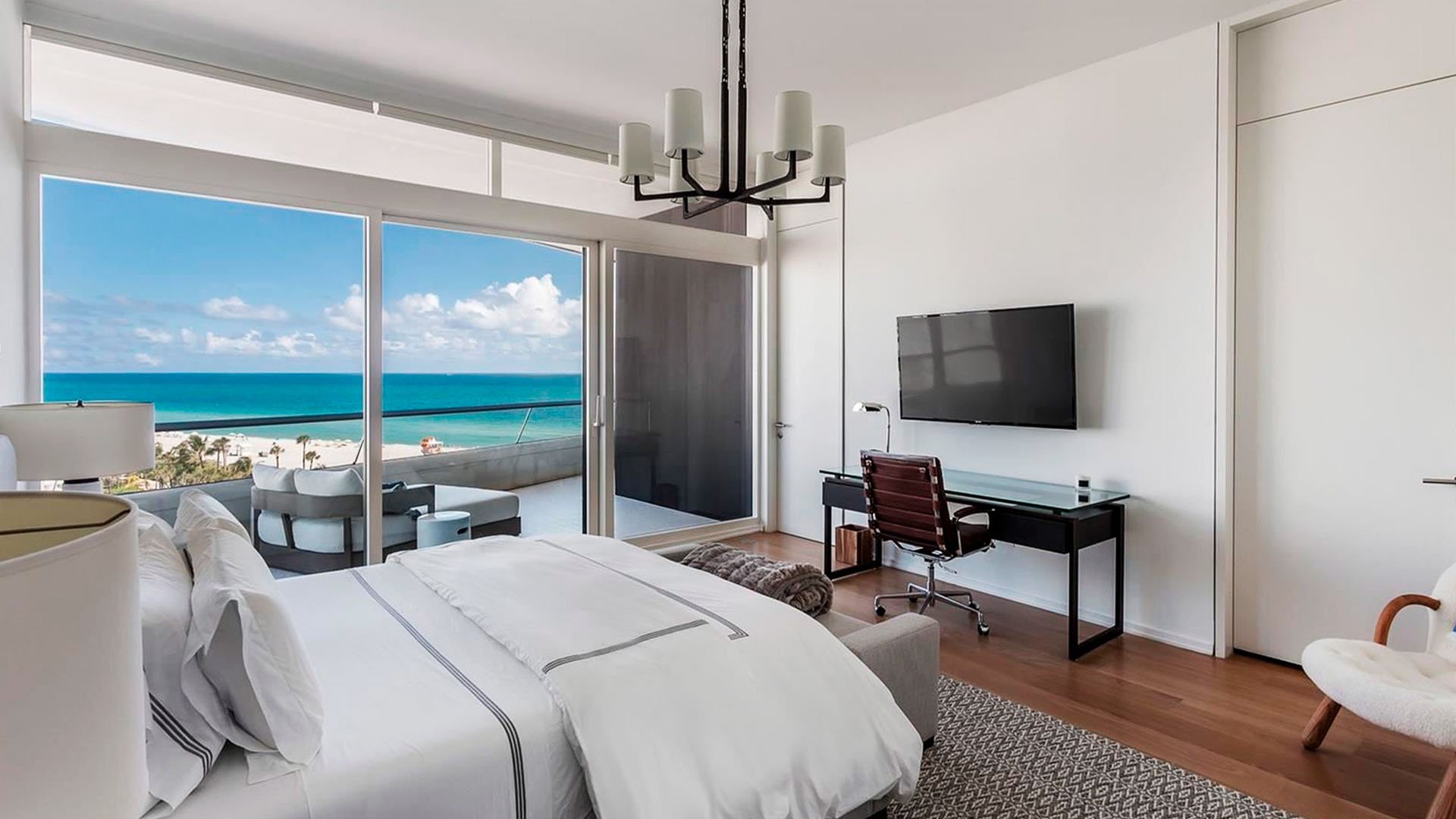
In South Florida, the most sophisticated condominium buyers no longer separate beauty from resilience. A private elevator foyer, sweeping Atlantic views, and a museum-grade amenity deck still matter, but the conversation has become more exacting. For residences in high-risk wind zones near Miami, structural integrity assessments now sit beside floor plan, service culture, parking, wellness programming, and privacy.
The shift is not about fear. It is about stewardship. A luxury condominium is both a residence and a shared physical asset. Its value depends not only on finishes and frontage, but on the performance of the building envelope, structural frame, balcony systems, roof assemblies, glazing, waterproofing, and maintenance culture over time. In a market shaped by salt air, wind exposure, and intense seasonal weather, discretion means asking sharper questions before signing.
For buyers comparing Brickell, Miami Beach, Sunny Isles, Surfside, and other coastal enclaves, the strongest structural review is layered. It considers the building as designed, as built, as maintained, and as governed by the association. That broader view matters most when the residence itself appears flawless.
A meaningful assessment should help a buyer understand the condition of the primary structure and the surrounding systems that protect it. In a luxury tower, that may include columns, slabs, transfer levels, balconies, terraces, pool decks, garage areas, mechanical spaces, roof conditions, exterior walls, windows, doors, sealants, drainage, and visible signs of water intrusion.
The assessment is not merely a walk-through. It is a professional reading of risk. A qualified reviewer may look for cracking patterns, corrosion indicators, spalling, ponding water, failed coatings, compromised waterproofing, balcony rail interface issues, or signs that repairs have been deferred. Just as important, the reviewer should distinguish cosmetic wear from symptoms that warrant deeper evaluation.
For a residence such as The Residences at 1428 Brickell, buyers often evaluate the tower through a new-construction lens: documentation, design intent, glazing performance, façade strategy, and long-term maintenance planning. In established coastal buildings, the emphasis may shift toward repair history, reserve culture, board responsiveness, and the quality of past remediation.
In Miami’s high-wind environment, the building envelope is a defining feature of luxury. It is the skin that mediates wind pressure, rain, salt, humidity, heat, and view. Buyers should pay close attention to exterior wall systems, balcony interfaces, window and door assemblies, roof edges, terrace drains, and any conditions where water can linger or migrate.
This is particularly relevant for oceanfront residences, where exposure is part of the appeal. A home such as 57 Ocean Miami Beach invites buyers to weigh the romance of direct coastal living against the practical questions that protect that lifestyle: how the façade is maintained, how glazing and doors are inspected, how terraces drain, and how the association plans for future envelope work.
Interior perfection can distract from exterior realities. Fresh plaster, stone flooring, custom millwork, and art lighting do not answer questions about waterproofing, sealants, or common-element maintenance. A refined buyer looks beyond the residence door.
The physical condition of a condominium is inseparable from the culture of its association. Minutes, budgets, reserve materials, maintenance histories, insurance discussions, engineering correspondence, and records of completed or pending repairs can reveal how a building is being managed.
Buyers should look for consistency. Are issues acknowledged promptly? Are repairs handled as isolated patches or within a broader plan? Does the board appear proactive about roof, façade, garage, balcony, and mechanical conditions? Are special assessments discussed plainly, or do major projects surface only after delays? The answers help define not only risk, but the ownership experience.
In ultra-premium markets, the most desirable associations often understand that maintenance is not an inconvenience. It is part of preserving value. Quiet competence at the board and management level can be as meaningful as valet choreography or a private dining room.
New-construction residences offer current design, contemporary amenity programming, and the possibility of modern materials and systems. Yet buyers should still review construction documentation, warranties, turnover procedures, maintenance obligations, and how the association will inherit responsibility for shared assets over time.
Resale buildings ask a different set of questions. How has the structure aged? Were repairs completed by qualified teams? Is there a history of recurring water intrusion? Have balconies, garage areas, terraces, roofs, and façade components been evaluated periodically? Are reserves aligned with visible needs?
A buyer studying St. Regis® Residences Sunny Isles may approach structural diligence through the expectations attached to branded, high-service coastal living. A buyer considering The Delmore Surfside may focus on the relationship between boutique privacy, coastal exposure, and long-term maintenance standards. In both cases, the objective is the same: to convert architectural desire into informed confidence.
For portfolio comparison, terms such as new-construction and Brickell may describe a buyer’s search path, while the true differentiator is the quality of diligence applied before acquisition.
Before a contract becomes emotional, buyers should assemble a focused advisory circle. That may include a real estate advisor, attorney, insurance professional, inspector, structural engineer, and, when appropriate, a façade or building-envelope specialist. The goal is not to overwhelm the process. It is to make the most important questions legible.
Ask what inspections have been completed, what repairs are planned, whether any building-envelope issues are recurring, and how the association prioritizes capital projects. Ask whether the residence has experienced leaks, whether terrace or balcony areas have been altered, and whether any owner improvements affect common elements. Ask how insurance, reserves, and maintenance expectations influence the total cost of ownership.
Luxury buyers are accustomed to evaluating scarcity. Structural diligence adds another dimension: durability. The most compelling residence is not only the one with the best view, but the one supported by a building culture capable of protecting that view over decades.
In South Florida, structural integrity is no longer a back-office technical matter. It is part of taste. It shapes how a buyer interprets glass, terraces, height, proximity to water, and the quiet confidence of a well-run building.
The best acquisitions near Miami balance emotion with evidence. They invite desire, then reward scrutiny. For the buyer who expects lasting value, the structural assessment is not an obstacle to luxury. It is one of its most refined expressions.
What is a structural integrity assessment for a luxury condo? It is a professional review of the building’s structural and protective systems, often focused on visible conditions, documentation, and potential areas requiring deeper evaluation.
Why is it especially important in high-risk wind zones near Miami? Wind, rain, salt air, and humidity can place added stress on façades, roofs, balconies, glazing, and waterproofing systems over time.
Should buyers order their own engineer review? Many luxury buyers do, especially when purchasing in coastal towers, older buildings, or properties with planned repairs or complex association records.
Is a beautiful renovated unit enough proof of building quality? No. Interior finishes can be excellent while common elements, exterior systems, or association planning still require careful review.
What documents should buyers request from the association? Buyers should request relevant budgets, meeting materials, reserve information, maintenance records, repair discussions, insurance details, and engineering-related correspondence when available.
Are new-construction condos exempt from structural diligence? No. New buildings still require review of warranties, turnover procedures, maintenance obligations, and how shared systems will be managed.
What are common red flags in coastal condo buildings? Repeated water intrusion, unexplained cracking, visible corrosion, deferred façade work, recurring balcony issues, and unclear repair planning all deserve further review.
How does structural condition affect luxury resale value? Buyers often price confidence. A well-maintained building with clear planning can support stronger long-term appeal than one with unresolved uncertainty.
Can an assessment predict every future issue? No assessment can remove all risk, but it can clarify visible conditions, document concerns, and guide smarter negotiation or follow-up review.
Who should coordinate the diligence process? A seasoned real estate advisor and attorney typically coordinate timing, while engineers, inspectors, and insurance professionals address technical and risk questions.
For a confidential assessment and a building-by-building shortlist, connect with MILLION.
If branded residences are on your mind — as a home or as an allocation — we would be glad to share what we are seeing, privately.
Begin a quiet conversation