A buyer-oriented framework for clarifying guest registration, elevator access, parking, amenities, service standards, and enforcement at Miami Tropic Residences.
At a luxury residence, guest management should feel composed, not restrictive. The ideal system protects resident privacy, confirms authorization and guides visitors through the property without making arrival feel institutional. For buyers considering Miami Tropic Residences, the essential question is not simply whether guests are permitted, but how registration, elevators, parking, amenities and service come together as a single hospitality standard.
The available information does not establish Miami Tropic-specific fees, access configurations, stay limits or operating hours. Buyers should therefore use the following as a diligence framework and request the current written policy, governing documents and management procedures before relying on any detail.
A unified policy should distinguish social guests from residents, service providers and delivery personnel. Each category may require a different entrance, authorization method or destination protocol. The distinction matters: a dinner guest, an overnight visitor and a contractor present different operational needs.
Management should specify whether residents must preregister visitors, what identification is required and how host authorization is confirmed. It should also explain what happens when a guest arrives early, the resident cannot be reached or the submitted name does not match the identification presented. A discreet exception process is as important as the standard protocol.
This level of detail matters throughout Miami’s luxury market, whether a buyer is comparing urban service at 2200 Brickell or evaluating another new project. Written procedure-not informal assurance-establishes predictability.
Guest-stay rules should state any limits on duration and frequency while clearly distinguishing legitimate visits from prohibited transient occupancy. Buyers who regularly entertain family, maintain a second home or travel with household staff should ask how those circumstances are classified.
Residents should expect responsibility for guest conduct, including noise, occupancy, amenity use and compliance with building rules. The policy should explain how warnings, charges or other penalties are communicated and whether the resident receives notice before enforcement. Rules should be accessible through resident handbooks, digital portals, arrival instructions and appropriately placed signage.
Elevator policy can define the entire guest experience. Management should clarify visitor routing, floor-access controls, group limits and the circumstances requiring a service or freight elevator. Buyers should also ask whether a resident must authorize a floor remotely, personally escort a guest or arrange access through the concierge.
Larger gatherings demand more planning. Advance notice, occupancy limits, elevator scheduling and applicable safety requirements should be addressed before invitations are issued. The objective extends beyond convenience: coordinated arrivals preserve privacy for other residents and reduce congestion in shared spaces.
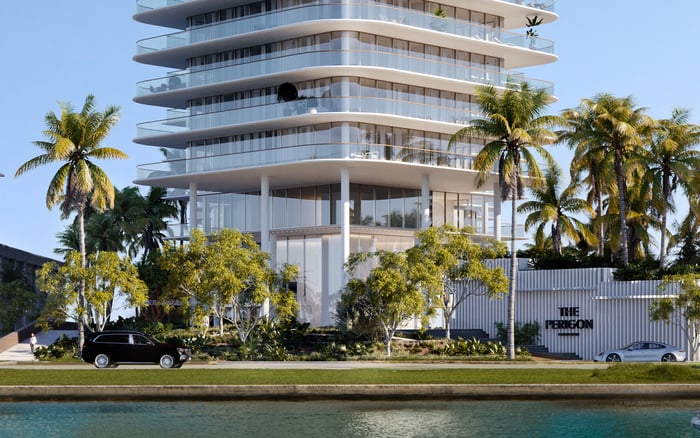
Those accustomed to hospitality-led properties in Miami Beach, including The Perigon Miami Beach, may naturally focus on the elegance of arrival. The more revealing diligence question is whether security, concierge and elevator teams execute the same protocol consistently.
Guest parking guidance should answer several practical questions: Is valet required, or may visitors self-park? Are there fees, validation rules, space limits or overnight restrictions? What happens when guest capacity is reached? None of these details should be left to assumption.
Buyers who host frequently should request procedures for multiple vehicles, special events and accessibility needs. They should also determine how valet records connect with guest authorization and how vehicle retrieval is managed during peak periods. A polished arrival depends on coordination among the entrance, front desk and parking team.
Amenity policies should identify which facilities guests may use, whether resident accompaniment is required and whether reservations or capacity limits apply. Pool access, wellness spaces and private entertaining areas may be subject to different controls. The most useful policy presents every distinction in one place.
Concierge, security and valet personnel should follow shared standards for greeting visitors, confirming permission, protecting resident information and escalating exceptions. Staff should never disclose a resident’s presence, residence details or schedule merely because a visitor asks. Privacy and warmth can coexist when the authorization path is clear.
That balance is central to the South Florida lifestyle, from Brickell to Coconut Grove. Buyers comparing service-oriented residences such as Four Seasons Residences Coconut Grove should ask not only what services exist, but how the teams coordinate them when an unexpected guest arrives.
Accurate visitor records support emergency evacuation and accountability. Management should explain how guests are logged, how records are protected and how staff account for visitors during an emergency. The final policy must also align with the property’s governing documents and applicable condominium, zoning, fire-safety, elevator and occupancy requirements.
Before closing, request the current handbook, guest-registration instructions, parking schedule, amenity rules and enforcement provisions. Property management and qualified Florida counsel should verify how these materials interact. For Miami Tropic Residences, clarity around guest operations is not a minor administrative detail. It is integral to evaluating privacy, convenience and the daily quality of ownership.
Are Miami Tropic Residences guest rules confirmed publicly? The available information does not verify property-specific limits, fees, elevator configurations or service hours. Buyers should request current written materials from management.
Should residents expect to preregister guests? Management should clarify whether preregistration is required and how host authorization is documented.
What identification might a guest need? The policy should specify accepted identification and the process for resolving a mismatch or missing authorization.
Can guests stay overnight? Any limits on duration and frequency should be stated in writing, with legitimate visits distinguished from prohibited transient occupancy.
Who is responsible for a guest’s conduct? Residents should expect responsibility for guest noise, occupancy, amenity use and compliance with building rules.
May visitors use resident elevators? Management should define guest routing, floor-access controls, group limits and when service or freight elevators must be used.
What should residents do before a large gathering? They should confirm advance-notice requirements, occupancy limits, elevator planning and applicable safety procedures.
Is guest parking self-park or valet? The available information does not confirm either arrangement. Request written terms covering fees, validation, capacity and overnight restrictions.
Can guests use every amenity? Not necessarily. The policy should identify permitted facilities, accompaniment rules, reservations and capacity limits.
What documents should a buyer review? Review the handbook, governing documents, registration instructions, parking terms, amenity rules and enforcement provisions with appropriate advisers.
If you'd like a private walkthrough and a curated shortlist, connect with MILLION.
If branded residences are on your mind — as a home or as an allocation — we would be glad to share what we are seeing, privately.
Begin a quiet conversation