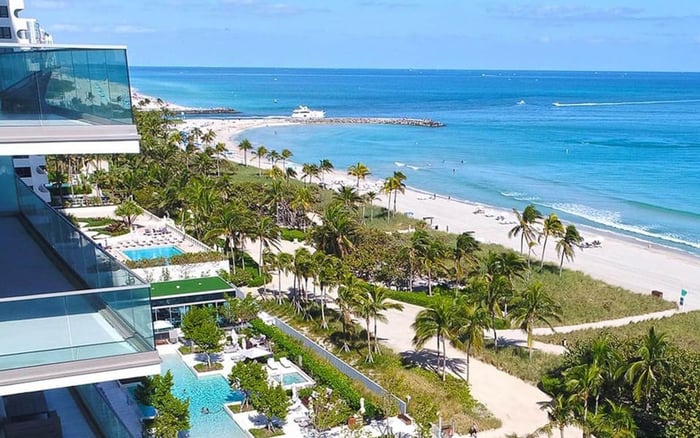
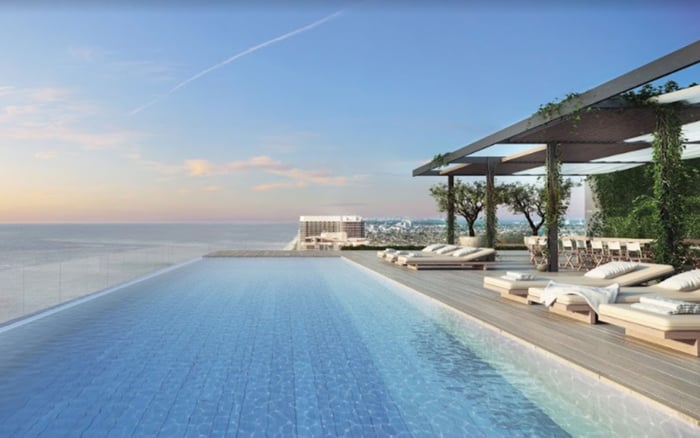
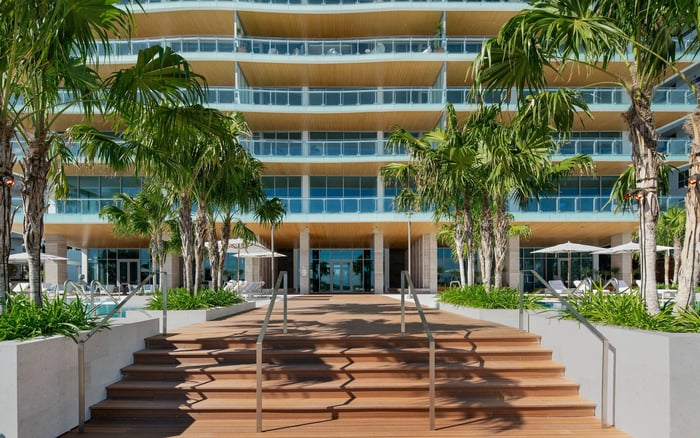
A discreet, buyer-oriented framework for evaluating cabana privacy in Bal Harbour, contrasting the lived experience of oceanfront cabanas at Rivage and Oceana without resorting to unverified building specifics.
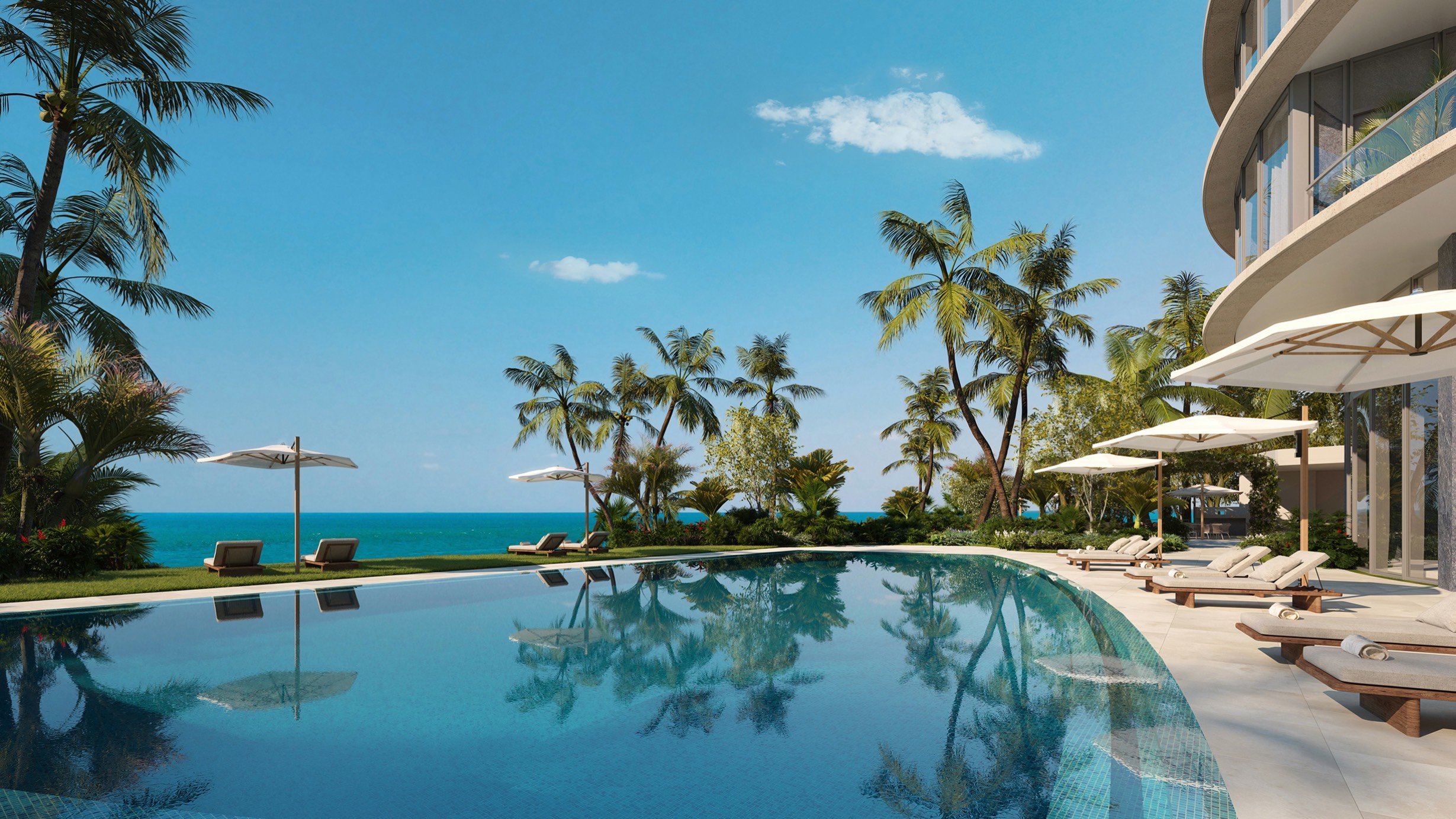
In Bal Harbour, “privacy” at an oceanfront cabana isn’t a single feature. It’s a lived experience shaped by approach, exposure, acoustics, and how reliably the property enforces its own boundaries. When buyers compare oceanfront cabanas at Rivage Bal Harbour against Oceana Bal Harbour, the most useful lens isn’t marketing language-it’s a tight, practical checklist: who can see you, who can pass by you, how easy it is to access, and how consistent the environment feels across weekdays, weekends, and peak season.
That distinction matters because an oceanfront cabana functions like a second living room at the shoreline. It’s where you leave linens, store beach essentials, host a quiet lunch between swims, or take a call without returning upstairs. If it feels like a corridor, you’ll treat it like a locker. If it feels protected, it becomes part of the home.
Even within the same zip code, two luxury towers can deliver very different cabana privacy simply through beach-level planning and day-to-day operations. The goal is to evaluate the cabana as a micro-property with its own “street,” “front yard,” and “neighbors.”
The first test is visual. Stand inside the cabana at midday and look outward and laterally. Notice whether your seating area faces open sand, a busy pass-through, or a quieter stretch. The more your cabana is oriented toward a natural buffer-landscape, dunes, elevation change, or a controlled-use deck-the less exposed it will feel.
Just as important is the view back toward the building. If the approach lane is straight and long, visibility extends far. If it turns, narrows, or is softened by planting and architectural screening, casual sightlines drop.
Luxury privacy is often won or lost through circulation. Where do residents naturally walk to reach beach chairs, the towel station, the outdoor shower, or the pool edge? People will default to the shortest line, even when a plan intends otherwise. If your cabana sits on a primary desire line, you’ll get constant pass-by traffic-even when no one is trying to intrude.
A well-positioned cabana is close enough to feel effortless, but offset enough to avoid becoming a thoroughfare. Think of it like a penthouse foyer: accessible, not public.
At the ultra-premium level, the strongest privacy feature is consistent enforcement. Does the beach operation read as hotel-like, with staff guiding flow and correcting boundary drift? Or does it feel more laissez-faire, where adjacent guests or visitors blur edges on busy days?
This is where two buildings can feel dramatically different even with similar physical layouts. The privacy you buy is partly architectural-and partly managerial.
Noise is privacy’s quieter counterpart. Listen for generator hum, pool music bleed, kitchen or service doors, and the rhythm of carts. A cabana can be visually shielded yet still feel exposed if operational movement constantly cuts through your zone. In a refined setup, service is present but not performative, with fewer “micro-interruptions” at the shoreline.
Because cabana privacy is sensitive to exact placement, the most honest way to compare Rivage Bal Harbour and Oceana Bal Harbour is to evaluate your specific cabana line as if you were buying a ground-level residence.
Use this side-by-side approach:
Approach test: Walk from lobby to cabana at a normal pace. Note how many decision points exist. Fewer decision points typically means more pass-through traffic.
Threshold test: Stand at the cabana entrance for 30 seconds. Count how many people pass within arm’s length. You’re measuring ambient intrusion, not intent.
Seat test: Sit where you would actually sit. Check for direct lines of sight from beach chairs, the pool edge, and any transitional decks.
Boundary test: Observe how boundaries are communicated: subtle fencing, planting, signage, staff presence. The best privacy feels unspoken but unmistakable.
Peak-hour test: If possible, schedule a second visit on a weekend afternoon. Privacy that works only at 10:00 a.m. isn’t privacy.
In practice, buyers often find that the most private cabanas aren’t always the “closest to the ocean,” but the ones that combine an offset position, soft buffers, and reduced circulation pressure.
Cabana privacy is also a legal and operational concept. Two cabanas can look identical yet carry different rights and restrictions that shape how private they feel over time.
Ask for the following, in writing, during due diligence:
Use rights and exclusivity: Confirm whether the cabana is assigned to the residence, transferrable, and how exclusivity is defined.
Rules and enforcement: Understand guest policies, hours, and any limits on furnishings, music, or food service.
Alterations and screening: If privacy screening or additional soft barriers are desired, confirm what’s permissible.
Service protocols: Clarify how deliveries, towels, and maintenance occur so you can anticipate operational traffic.
For buyers who treat the cabana as a lifestyle anchor, these details carry the same weight as parking allocation or storage rights.
Bal Harbour is a benchmark, but the design logic appears across South Florida.
In Surfside, some oceanfront products emphasize controlled transitions and a quieter tone, which can translate into a more protected beach-level experience when the plan is disciplined, as seen in Arte Surfside.
In Miami Beach, the privacy equation often includes greater public energy and more active shoreline patterns. Buildings like The Perigon Miami Beach illustrate how buyers should think about buffers, arrival sequences, and how beach service integrates with resident-only zones.
In Sunny Isles, where towers and beachfront activity can be more vertical and animated, the cabana privacy test often becomes a question of separation from primary pool circulation and beach access points. The same framework applies when touring Bentley Residences Sunny Isles: look for how the property prevents the cabana level from turning into a passageway.
The point isn’t to equate these places, but to recognize a repeatable principle: the most private cabanas are rarely the most visible ones.
Bring a phone for notes, not photos. You’re collecting impressions that help you decide whether the cabana will actually be lived in.
Lines of sight: From the cabana, can you see the main walkway? If you can, they can see you.
Neighbor distance: How close are adjacent cabana doors and outdoor seating zones?
Buffer quality: Are buffers real (landscape, level change, screening) or symbolic?
Operational edges: Where do staff enter and exit? Where are carts staged?
Wind and sand behavior: A cabana that constantly fills with sand often ends up propped open for cleaning, which reduces privacy.
Evening feel: If access extends later, confirm lighting levels and whether the area feels discreet or spotlighted.
The outcome should be a clean verdict: “This feels like an extension of my residence,” or “This feels like a shared facility.” Only one of those supports a premium.
In the resale market, buyers may not know the beach-level plan intimately. They will, however, react instantly to a cabana that feels tucked away and calm. Privacy is easier to register than square footage, and it’s often what justifies the emotional premium.
When comparing Rivage and Oceana, the smartest move is to capture your cabana’s privacy advantages in clear language for your own records: position relative to walkways, presence of buffers, and any operational practices that protect the zone. This also helps align expectations if beach operations evolve.
Ultimately, cabana privacy isn’t about hiding. It’s about control-control over proximity, interruption, and exposure-while still enjoying the oceanfront setting that brought you to Bal-harbour in the first place.
What makes an oceanfront cabana feel truly private? Strong buffers, minimal pass-by traffic, and consistent access control matter more than size.
Is the closest cabana to the water always the most private? Not necessarily; the best positions are often slightly offset from the busiest paths.
How can I test privacy during a showing? Do a seated sightline check and count passersby at the entrance over a few minutes.
What operational details affect cabana privacy? Staff routing, towel and chair stations, and where carts stage can change the feel daily.
Should I visit on a weekend before deciding? Yes; peak-hour circulation reveals whether the cabana zone becomes a thoroughfare.
Do cabana rules impact long-term enjoyment? Absolutely; guest policies and hours can determine whether the space feels exclusive.
How do I compare Rivage Bal Harbour and Oceana Bal Harbour fairly? Evaluate your exact cabana line on-site for sightlines, circulation, and enforcement.
Can I add privacy screening to a cabana? Sometimes, but permissions vary; confirm what alterations are allowed in writing.
Does acoustic privacy matter as much as visual privacy? Yes; operational noise and service cadence can make a cabana feel exposed.
What should I document for resale value? Note the cabana’s position, buffers, and any written rights or exclusivity terms.
For a tailored shortlist and next-step guidance, connect with MILLION Luxury.
If branded residences are on your mind — as a home or as an allocation — we would be glad to share what we are seeing, privately.
Begin a quiet conversation