A discreet, side-by-side guide to two of Miami’s coveted oceanfront addresses—The Surf Club Four Seasons in Surfside and The St. Regis Bal Harbour—framing what drives UHNW choices: service culture, privacy, beach setup, residences, and hold value. One brings boutique, heritage-rich calm with Four Seasons’ anticipatory touch; the other offers resort scale, butler ritual, and family programs. Both sit on prime sand by Bal Harbour Shops and Surfside’s walk. Focus on cadence, key count, views, and liquidity—then choose the strand that fits your days, guests, and plans now and later.
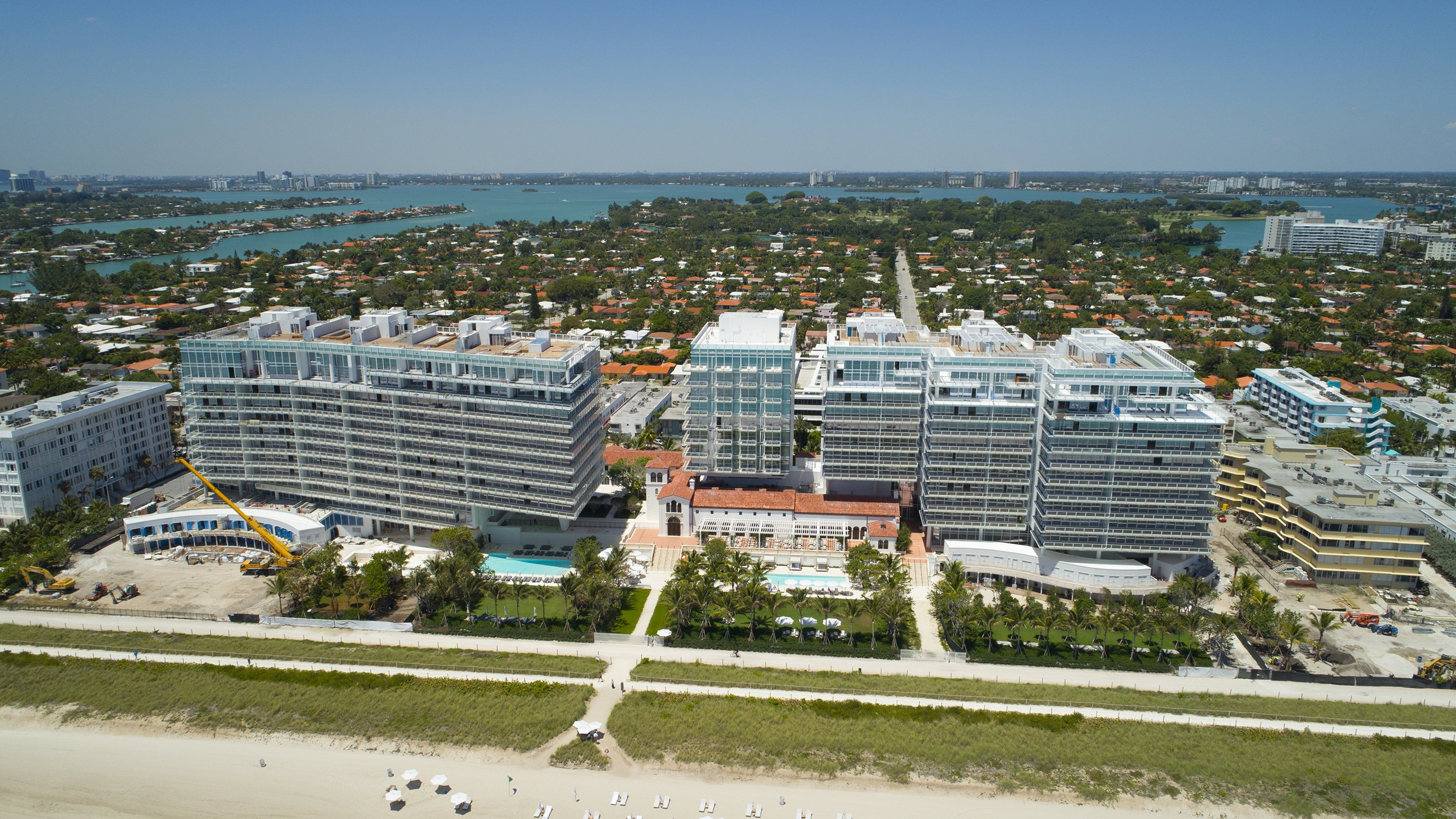
Place is destiny on this coastline. The Surf Club began as an invitation‑only society in the 1930s and today lives on as a modern Four Seasons whose restored club rooms and crystalline towers face a tranquil, residential stretch of sand. The setting within Surfside is intentionally hushed—dawn walkers set the tone, not day‑clubs—and the procession from lobby to lawn to shoreline is seamless. Deep dunes and manicured gardens act as a natural buffer, and the soundtrack is the sea.
St. Regis Bal Harbour, a few blocks north, sits precisely opposite Bal Harbour Shops—arguably the region’s most concentrated assemblage of couture and fine jewelry. Its three‑tower composition—two residential, one hotel—creates a taller skyline and a more animated arrival court. The choreography is grand: porte‑cochère, ocean‑view lounges, layered pool terraces, and a direct axis to the beach. On a busy season afternoon, the ambience is cosmopolitan yet controlled—more energy by design, with owners‑only zones that filter the flow.
Beach geometry matters. At The Surf Club, fewer public access points translate to a quieter strand and an easy command of chairs and umbrellas without feeling observed. At St. Regis Bal Harbour, the oceanfront promenade is livelier and the guest‑to‑owner ratio rises on holiday weeks; the trade‑off is a richer menu of outlets and people‑watching. Both properties run disciplined programs for towels, umbrellas, and food‑and‑beverage, with staff trained to be present but never intrusive.
Context helps triangulate. For a pure‑residential benchmark with museum‑grade art and gardens, study Oceana Bal Harbour. New‑era entries like Rivage Bal Harbour push engineering and wellness forward without a hotel layer. Just south along the beachfront promenade, Eighty Seven Park shows how landscape‑first design can soften daily life while preserving horizon drama. In contracts and MLS you may encounter both “Bal Harbour” and “Bal-harbour”; for clarity we use both forms in this guide.
For nomenclature, our analysis treats The Surf Club Four Seasons Surfside as shorthand for the Four Seasons–operated Surf Club ensemble. If you prefer to preview the property’s dedicated overview, see The Surf Club Four Seasons, which provides a succinct orientation for prospective owners.
Service is the differentiator you feel most acutely after closing. Four Seasons culture tends to be anticipatory and restrained—housekeeping that seems to happen between breaths; pool attendants who remember your preferences by the second morning; a concierge crew that handles owners’ needs with quiet efficiency. At The Surf Club, heritage amplifies that ethos: hushed salons for breakfast, light‑soaked club rooms for long lunches, and sunset cocktails that feel like a private ritual rather than a scene. The result is a personality that reads intimate, with fewer keys and a high recognition factor across the team.
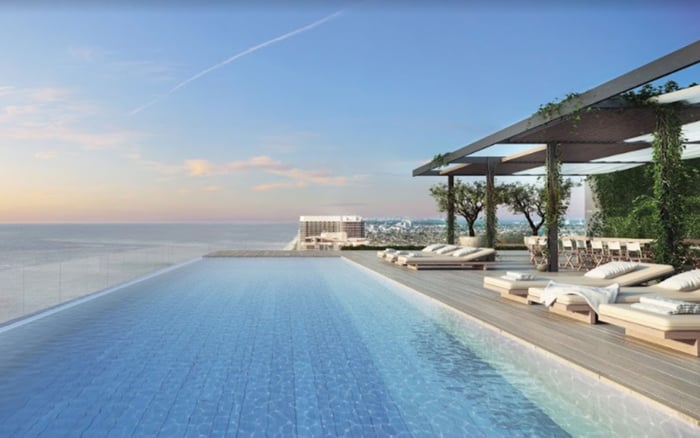
St. Regis brings a complementary—but distinct—personality anchored by ritual and ceremony. Butler service, champagne traditions, and a showpiece lobby support a more festive cadence for arrivals and celebrations. The resort scale enables amenity depth: multiple pool environments (including adult‑forward and family‑friendly zones), private cabanas, kids’ programming during peak seasons, and a spa built to accommodate both express tune‑ups and comprehensive wellness protocols. For multigenerational households—grandparents, adult children, nannies, friends—the extra venues and supplemental staffing create flexibility without sacrificing polish.
Dining underscores the difference. The Surf Club is synonymous with destination‑caliber cuisine delivered in rooms that keep the doorway discreet and the dining luminous; reservations are coveted, the host knows your name, and the walk back to your residence is measured in steps, not city blocks. At St. Regis Bal Harbour, the program is broader by design—casual outlets for pool days, refined rooms for evening, and reliable in‑residence dining when private entertaining is preferred. If your calendar skews toward intimate dinners and low‑profile lunches, Surf Club’s club pedigree resonates. If you host often and want breadth on property, St. Regis will feel frictionless.
Security and staff ratios matter as much as menus. Both addresses operate sophisticated access controls, with experienced teams managing arrival, elevators, and the beach line. Surf Club’s smaller key count can make recognition near‑instant; St. Regis’s larger staff bench scales seamlessly for holidays and events. In both cases Beach-access is properly managed—chairs placed precisely, umbrellas adjusted without a word, shoreline play supported by watchful attendants.
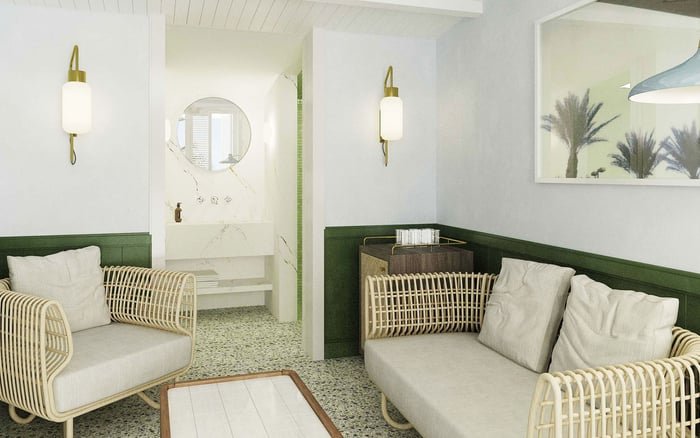
The residences express distinct philosophies. At The Surf Club Four Seasons, inventory is limited and architecture reads museum‑grade—floor‑to‑ceiling glass, deep terraces, and lineups that favor corner exposure and frame‑worthy Waterview perspectives. Many homes are true flow‑throughs, catching sunrise over the Atlantic and sunset over the bay. Material palettes tend toward the tactile and natural: sculptural stone, finely milled wood, hardware with satisfying weight. Elevators open into minimal, gallery‑like foyers, and glazing specifications help interiors remain hushed even on breezier days.
At St. Regis Bal Harbour, variety is the point. With three towers and numerous stack lines, you can optimize for height, bedroom mix, and outlook—full Oceanfront panoramas, angled views that trace the shoreline, or lower‑floor residences whose terraces connect you directly to gardens and pool life. Terraces are generous, summer kitchens are common, and primary suites typically deliver spa‑scale baths and dual dressing. For buyers who want predictable program—staff rooms, wine storage, long dining for entertaining—St. Regis offers multiple line solutions without compromising the horizon.
Practicalities: valet garages, owner storage, service entries, and delivery logistics. Surf Club’s numbers are deliberately small and tailored; St. Regis can field more vehicles and service traffic without strain. Both communities manage parcel flow cleanly, a material quality of life improvement if you travel frequently, entertain often, or maintain complex household operations.
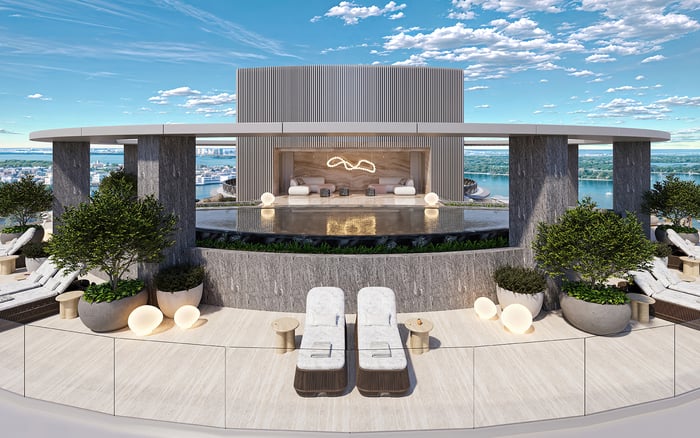
The ground plane completes the picture. At Surf Club, restored gardens and low‑rise club architecture step gently to the sand, creating a cinematic progression from lobby to lawn to shoreline—a linear, meditative rhythm: wake, swim, read, repeat. At St. Regis, the procession is axial and theatrical: layered lawns, pools, and cabanas frame the horizon like apertures. If you respond to calm minimalism, Surf Club’s choreography will feel like a daily reset; if you savor a sense of occasion, St. Regis delivers it without noise.
For ultra‑prime beachfront, the hold thesis usually rests on three pillars: scarcity, carrying comfort, and exit optionality. With The Surf Club Four Seasons, scarcity is self‑evident—a finite assemblage, a globally resonant brand expressed in boutique form, and a community that tends toward long holds. Inventory compression means the right residence may appear rarely; when it does, decisive action with pre‑arranged diligence is essential. Resales benefit from narrative power—heritage club pedigree, design integrity, and a daily cadence that many owners would rather not leave.
At St. Regis Bal Harbour, the thesis is different but equally compelling. Scale brings liquidity: more stacks, line variations, and therefore more opportunities to match price bands, exposure, and renovation appetite. This flexibility is invaluable if you are assembling multiple residences for family members or upgrading within the property over time. Carrying costs reflect resort‑level staffing and maintenance—elevators that run flawlessly, gardens that look hand‑combed, spas and restaurants that operate daily—translating into a home that works on arrival.
Daily rhythm should guide your budget more than line‑item fees. If your life oscillates between board meetings and restorative long‑weekends, Surf Club’s intimate scale and human‑scale service becomes a wellness asset. If you host often and want infrastructure to entertain at volume—holiday dinners, milestone birthdays, extended breaks with friends—St. Regis’s amenity bench will justify itself.
Portfolio context sharpens the decision. If you love the Bal Harbour/Surfside axis but also want a pure‑residential, art‑park expression, Oceana Bal Harbour is a natural complement. If you prefer Surfside calm but want a landscape‑led tower just south, Eighty Seven Park pairs beautifully. For yacht‑club intimacy minutes away across the Intracoastal, Indian Creek Residences & Yacht Club offers a boutique waterfront alternative that keeps you close to this shoreline’s restaurants and schools.
Bottom line: choose cadence first. If you want intimate club pedigree, fewer keys, and a serene strand, prioritize The Surf Club Four Seasons—and, for orientation, start with the property overview at The Surf Club Four Seasons. If your household thrives on a festive lobby, deep amenities, and flexible line variety, St. Regis Bal Harbour remains a global classic on the sands of Bal Harbour.
Which property is more private on a holiday week?
The Surf Club’s smaller key count and Surfside’s residential character tilt it more private at peak times. St. Regis Bal Harbour manages flow impressively with owners‑only buffers and seasoned staffing, but the atmosphere is purposefully more animated.
How do services differ day‑to‑day?
Four Seasons service is minimalist and anticipatory—you feel known, not seen. St. Regis emphasizes ritual, butler attentiveness, and a broader menu of venues for families and guests. Both deliver reliable Beach-access and thorough security.
What about floor plans and views?
Surf Club residences skew bespoke—many are flow‑through with dramatic Waterview sightlines and gallery‑level finishes. St. Regis offers a broader range of line types across three towers, helpful if you are optimizing bedroom count, height, or budget while retaining direct ocean panoramas.
Is one address better for long family stays?
If your household spans grandparents to toddlers, St. Regis’s amenity depth and kids’ programming will likely feel effortless. For couples or smaller families who favor quiet and heritage charm, the Four Seasons cadence at Surf Club is difficult to beat.
How should an UHNW buyer decide?
Decide first between intimate club pedigree and resort‑scale versatility. If the former, zero in on The Surf Club Four Seasons Surfside; if the latter, St. Regis Bal Harbour is a proven, globally recognized hold on an A‑plus beach.
When you’re ready to refine your shortlist or secure private previews, connect with our team at MILLION Luxury for confidential guidance.
If branded residences are on your mind — as a home or as an allocation — we would be glad to share what we are seeing, privately.
Begin a quiet conversation