A discreet guide to why privacy-minded buyers consider Bal Harbour, with practical due diligence points for residences, building culture, access, arrivals, and alternatives nearby.
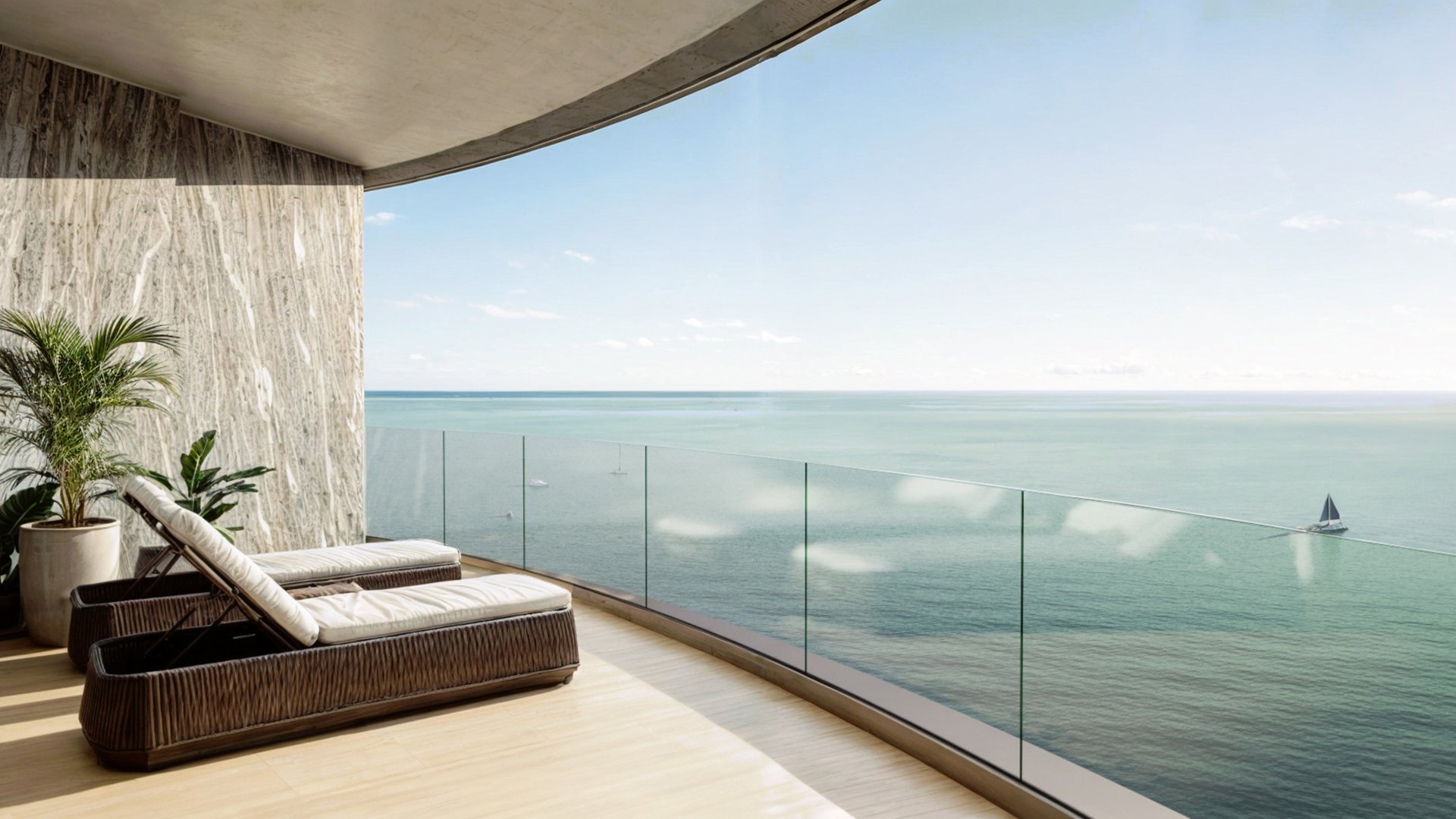
For a certain buyer, the most valuable luxury in South Florida is not visibility. It is the ability to arrive, live, host, and leave without feeling observed. Bal Harbour speaks directly to that preference, with a form of prestige that is quieter than Miami’s more theatrical luxury corridors. The appeal is not simply a recognizable name or an oceanfront address. It is the sense that daily life can remain composed, selectively social, and removed from the constant churn of high-traffic destinations.
Privacy-focused buyers should make that distinction at the outset. Security is not a single amenity, and privacy is not guaranteed by price alone. Both are shaped by location, building scale, resident culture, access points, service protocols, architectural planning, and the rhythm of surrounding streets. In Bal Harbour, the strongest purchases often feel calm on an ordinary Tuesday, not only polished during a scheduled showing.
Quiet prestige is not isolation. Buyers still want immediate access to dining, beaches, shopping, wellness, and the broader Miami lifestyle. What they do not want is a home environment that feels like a stage. They are often weighing the cachet of a celebrated address against the practical desire for privacy in elevators, lobbies, porte cocheres, pool decks, and parking areas.
That is why the decision becomes granular. A residence may be beautiful, while the approach to the building feels too exposed. Another may be less overtly dramatic, yet offer a calmer arrival sequence and a more discreet daily experience. Buyers considering Rivage Bal Harbour, for example, are usually evaluating more than design language. They are weighing how the building’s positioning fits their personal threshold for visibility, movement, and social density.
For search shorthand, this conversation often falls under Bal-harbour, Exclusive-area, Surfside, and Bay-harbor criteria, but the real filter is more personal: how much of your life do you want your building to reveal?
Luxury buyers often ask whether a building is secure. The better question is how security is experienced. A polished security desk can be reassuring, but it is only one element. Buyers should consider how guests are received, how deliveries are handled, how vendors move through the property, how staff communicate with residents, and how easily the public can read the resident experience from outside the building.
Security also intersects with convenience. Too much friction can make daily life feel institutional. Too little can leave residents uncomfortable. The strongest environments strike a balance: professional, discreet, and consistent, without turning the home into a fortress. That balance is especially important for executives, public figures, family offices, and international buyers who want service without unnecessary exposure.
When evaluating Oceana Bal Harbour or any comparable high-end condominium, the practical tour should include more than finishes and views. Notice the sequence from car to residence. Observe whether arrivals feel protected or performative. Ask how visitors are announced, where waiting happens, and how private residential circulation remains during busy periods.
High-traffic luxury has its own energy. It can be exciting, social, and highly visible. For some owners, that is the point. For others, it becomes the reason to look elsewhere. Bal Harbour appeals to buyers who prefer a residential identity over a destination identity, particularly those who want a primary home or seasonal base to feel separate from nightlife, constant lobby movement, and overt branding.
This does not mean avoiding amenities. It means selecting amenities proportionate to the resident culture. A pool deck can be serene or highly social. A lobby can feel like a private threshold or a public room. A restaurant component, hotel adjacency, or large amenity program can be attractive, but privacy-minded buyers should evaluate how those features influence access, sound, traffic, and the presence of non-residents.
Nearby alternatives can sharpen the decision. A buyer comparing Bal Harbour with The Delmore Surfside may be looking for a similar language of coastal discretion in a neighboring setting. Another buyer may compare the quieter island feel of Onda Bay Harbor when water, scale, and a less oceanfront-forward rhythm matter more than immediate beachfront positioning.
Privacy due diligence should be conducted at different times of day. A building can feel serene in the late morning and entirely different during evening arrivals, weekend guest activity, or service windows. Buyers should revisit, watch how traffic flows, and pay attention to sound, valet cadence, pedestrian visibility, and the distance between public and private areas.
Ask precise questions. How are short-term guests handled? What are the building’s rental policies? How are contractors admitted? Are there separate service routes? What is the protocol for recognizable residents who do not want attention? How are packages, private chefs, drivers, wellness providers, and household staff managed? The answers reveal whether privacy is embedded in the building culture or improvised case by case.
The residence itself matters as well. Corner positioning, elevator configuration, terrace exposure, sightlines from neighboring buildings, and the relationship between bedrooms and outdoor areas all influence the feeling of privacy. A high floor is not automatically more discreet, and a lower floor is not automatically less private. The correct answer depends on orientation, setbacks, neighboring structures, and how the owner intends to live.
The best Bal Harbour purchase is not necessarily the most publicized one. It is the one that aligns with how the buyer manages family, staff, guests, travel, and entertaining. A buyer who arrives by car with children and household help has different privacy needs than a seasonal owner who visits quietly for long weekends. A collector, philanthropist, founder, athlete, or multigenerational family may each require a different operational environment.
This is where a discreet advisory process becomes essential. The right questions are not simply about square footage or views. They are about how life actually unfolds: who comes and goes, how often guests visit, whether the home is used during peak season, and how much separation the owner wants between public reputation and private residence.
Bal Harbour remains compelling because it allows buyers to pursue status without making status the center of daily life. In a region where luxury can be loud, that restraint has its own authority.
Is Bal Harbour a good fit for privacy-focused buyers? It can be, especially for buyers who value a quieter residential rhythm and want to avoid highly trafficked luxury settings.
Is security the same in every luxury condominium? No. Security depends on staffing, access protocols, guest handling, service routes, and the day-to-day culture of the building.
What should buyers observe during a private tour? Watch the arrival sequence, lobby activity, elevator access, valet flow, staff discretion, and how visible residents are from public areas.
Should I tour at more than one time of day? Yes. Morning, evening, weekday, and weekend visits can reveal different traffic patterns and resident behavior.
Are high floors always more private? Not always. Orientation, neighboring sightlines, terrace exposure, and elevator configuration can matter as much as elevation.
How does Surfside compare with Bal Harbour? Surfside can offer a similarly discreet coastal feel, though each building should be evaluated on its own access, scale, and resident culture.
How does Bay Harbor compare with Bal Harbour? Bay Harbor options may appeal to buyers who prioritize water, quiet scale, and a less beachfront-centered lifestyle.
What questions should I ask about guests and vendors? Ask how visitors are announced, where they wait, how vendors enter, and whether service movement is separated from resident circulation.
Do amenities reduce privacy? Not necessarily. Amenities become a privacy concern when they increase non-resident traffic, noise, or exposure beyond the owner’s comfort level.
What is the best way to shortlist comparable options for touring? Start with location fit, delivery status, and daily lifestyle priorities, then compare stacks and elevations to validate views and privacy.
For a confidential assessment and a building-by-building shortlist, connect with MILLION.
If branded residences are on your mind — as a home or as an allocation — we would be glad to share what we are seeing, privately.
Begin a quiet conversation