A buyer-focused guide to evaluating waterfront property in Coral Gables, with emphasis on protected views, insurability, construction quality, access, and long-term ownership discipline.

Buying waterfront in Coral Gables is not simply a purchase of blue on the horizon. It is a decision about privacy, orientation, engineering, insurance, and the daily rhythm of living close to the water. The most coveted homes and residences tend to feel effortless; the due diligence behind them should be anything but casual.
A buyer may begin with Coral-gables as a search shorthand, but the real evaluation is far more granular. Two properties can both be waterfront and still carry very different ownership profiles. One may offer a broad, cinematic outlook. Another may feel more intimate, with a protected canal setting and a stronger sense of enclosure. Neither is inherently superior. The right answer depends on how the buyer intends to live, entertain, dock, insure, renovate, and hold the asset over time.
In the language of buyer filters, Waterview, Boat-slip, Gated-community, and New-construction each describe a distinct layer of diligence. The mistake is treating them as decorative preferences. In a waterfront purchase, they are value variables.
A waterfront view is not a single condition. It is a corridor, a composition, and sometimes a vulnerability. Before focusing on finishes, buyers should study what the eye actually owns from the primary rooms, terraces, pool deck, and approach. A view that feels magnificent from one corner of a living room may be interrupted from the spaces where the household spends most of its time.
Orientation matters because light changes how a residence lives throughout the day. A wide outlook can feel serene in the morning and theatrical at sunset, while a narrower waterway may create a more sheltered mood. Buyers should walk the property at different times if possible, paying attention to glare, privacy, neighboring rooflines, dock activity, and how much water is visible from seated positions, not only from a staged standing viewpoint.
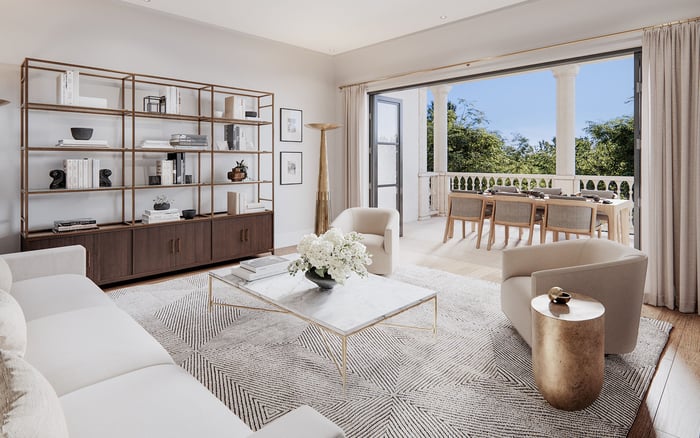
The best view corridors are not merely beautiful. They are legible. You understand where the water begins, how the landscape frames it, and whether future changes nearby could alter the experience. In a condo or townhome context, the discipline of newer design can be instructive. Projects such as Ponce Park Coral Gables illustrate how buyers increasingly compare architectural proportion, outdoor space, and neighborhood context even when the ultimate target is a waterfront address.
For waterfront buyers, insurance should be considered early, not treated as a post-contract formality. The premium is only one part of the discussion. Deductibles, exclusions, wind coverage, flood considerations, elevation, openings, roof condition, prior improvements, and documentation all belong in the ownership model.
A sophisticated buyer seeks insurance guidance before becoming emotionally fixed on a property. The goal is not to avoid waterfront ownership. It is to understand what kind of waterfront ownership is being purchased. A residence with stronger documentation, more recent improvements, and a clearer maintenance history may inspire a different conversation than a property where condition is visually appealing but technically opaque.
This is particularly important for buyers moving from non-coastal markets. In South Florida, the romance of water must be paired with a pragmatic view of risk transfer. The most elegant homes are not exempt from scrutiny. If anything, the higher the price point, the more disciplined the review should be.
In Coral Gables, architectural character is part of the appeal, but waterfront character must be supported by technical competence. Buyers should look beyond surface renovation and ask how the property handles water, wind, drainage, openings, mechanical systems, exterior materials, and ongoing maintenance.
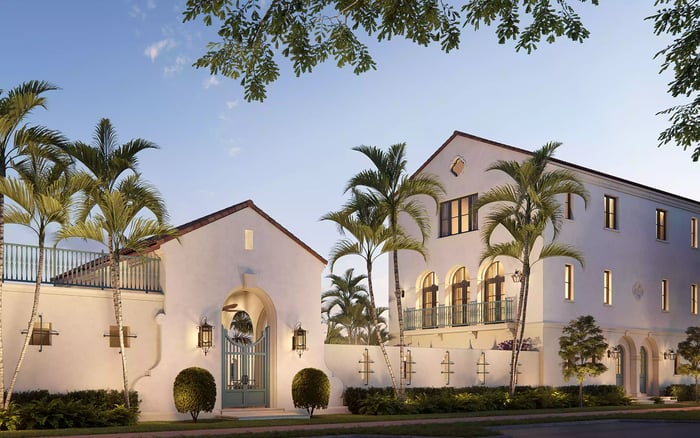
The conversation differs for a recently built residence, an extensively renovated home, and an older property with cosmetic updates. New-construction may offer contemporary systems and a cleaner paper trail, but it still requires review. Older homes may offer scale, setting, and mature landscaping that cannot be easily replicated, yet they may call for a more detailed capital plan.
A prudent inspection team should be comfortable with coastal conditions. The questions are direct: What has been improved, when was it improved, who performed the work, and how is it documented? A beautiful waterfront home should be able to tell a technical story, not merely an aesthetic one.
Not every buyer who wants waterfront ultimately buys directly on the water. Some begin with a bay or canal ambition and then compare that lifestyle against newer residences with more predictable maintenance, lock-and-leave simplicity, and walkable access to dining, culture, or services. This is where Coral Gables projects can become useful reference points.
A buyer considering a waterfront estate may also tour The Village at Coral Gables to understand the appeal of a curated, low-maintenance residential environment. Similarly, Cora Merrick Park can help frame the tradeoff between newer urban convenience and the privacy of a waterfront setting.
Nearby waterfront-oriented residences can also sharpen the lens. A project such as Vita at Grove Isle offers a useful comparison for buyers weighing water proximity, managed amenities, and the feeling of arrival. The point is not to substitute one lifestyle for another. It is to clarify what the premium is actually buying.
Waterfront ownership is as much about daily use as visual drama. Buyers should consider how the property lives from morning to night. Is the outdoor area comfortable, private, and usable, or primarily scenic? Does the dock condition match the buyer’s boating expectations? Is the route from kitchen to terrace to pool intuitive? Are guest areas separated enough for privacy without making the home feel fragmented?
Security and arrival also matter. Some buyers prioritize a Gated-community feel, whether through an actual gate, a controlled street presence, or a site plan that naturally limits exposure. Others value the ease of direct access and a more open neighborhood pattern. Neither preference is universal, but it should be intentional.
Sound is often underestimated. Boats, service activity, landscape equipment, and neighboring entertainment can change the mood of a waterfront property. A buyer should listen as carefully as they look.
The strongest offers are not always the fastest. They are the ones that understand which risks have been accepted, which have been priced, and which remain unresolved. For waterfront property, the due diligence period should allow enough time for insurance review, inspection, survey considerations, dock evaluation where relevant, and a careful reading of any association or municipal constraints that may affect future plans.
Buyers should also think ahead to resale. The next purchaser will likely ask the same questions about view, access, insurability, and building condition. A property that is easy to understand is often easier to defend in a changing market. In ultra-premium real estate, clarity is a luxury of its own.
Is every waterfront view equally valuable? No. Value depends on width, privacy, orientation, obstructions, outdoor usability, and how the view is experienced from the main living spaces.
Should insurance be reviewed before making an offer? It is wise to begin the insurance conversation early so the full cost and structure of ownership are understood before negotiations become emotional.
Does New-construction remove waterfront risk? No. It may offer modern systems and documentation, but buyers should still review construction quality, maintenance obligations, and site conditions.
How important is a Boat-slip to value? It can be important for boating buyers, but condition, access, water depth, and suitability for the intended vessel should be evaluated carefully.
What makes a view corridor strong? A strong corridor feels open, balanced, private, and visible from the rooms and terraces where the owner will actually spend time.
Are older waterfront homes worth considering? Yes, when setting, scale, and character are compelling, provided the buyer understands the technical condition and future capital needs.
Should I compare condos with single-family waterfront homes? Yes. Comparing managed residences with private homes helps clarify the value of privacy, maintenance control, amenities, and lifestyle convenience.
What inspections matter most near the water? Buyers should focus on envelope condition, roof, openings, drainage, mechanical systems, dock elements if present, and evidence of prior maintenance.
Is privacy as important as the water view? For many luxury buyers, yes. A beautiful outlook loses impact if neighboring sightlines, noise, or activity diminish the sense of retreat.
How should a buyer think about resale? Choose a property whose view, access, insurance profile, and building condition can be clearly explained to the next sophisticated buyer.
For a confidential assessment and a building-by-building shortlist, connect with MILLION.
If branded residences are on your mind — as a home or as an allocation — we would be glad to share what we are seeing, privately.
Begin a quiet conversation