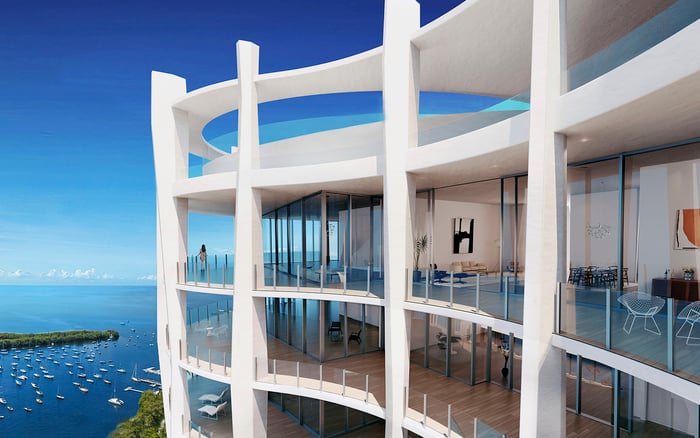
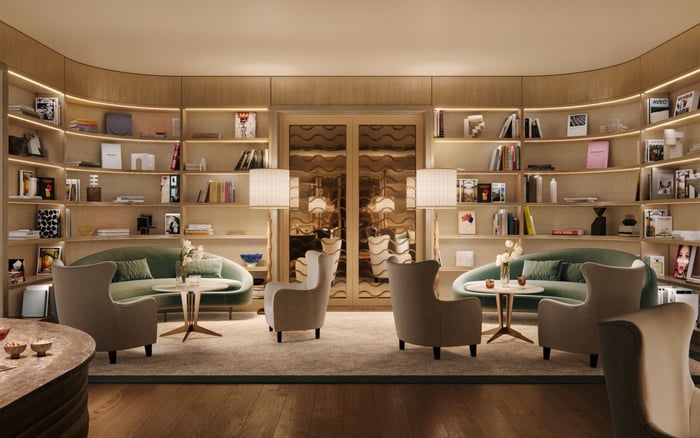
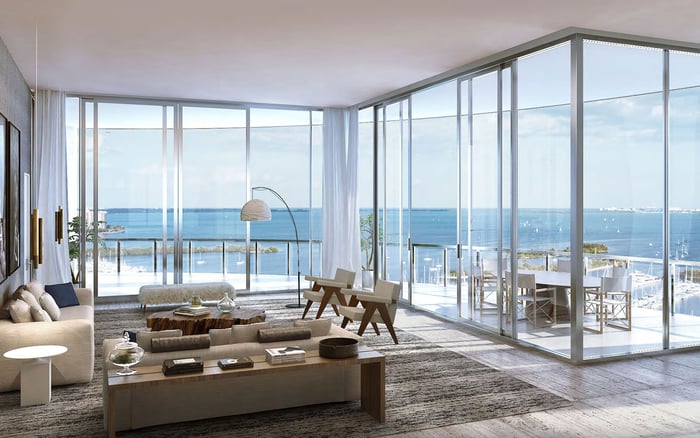
A discreet buyer’s guide to Coconut Grove’s walkable luxury rhythm, from village retail and parks to boutique residences and a calmer residential cadence.
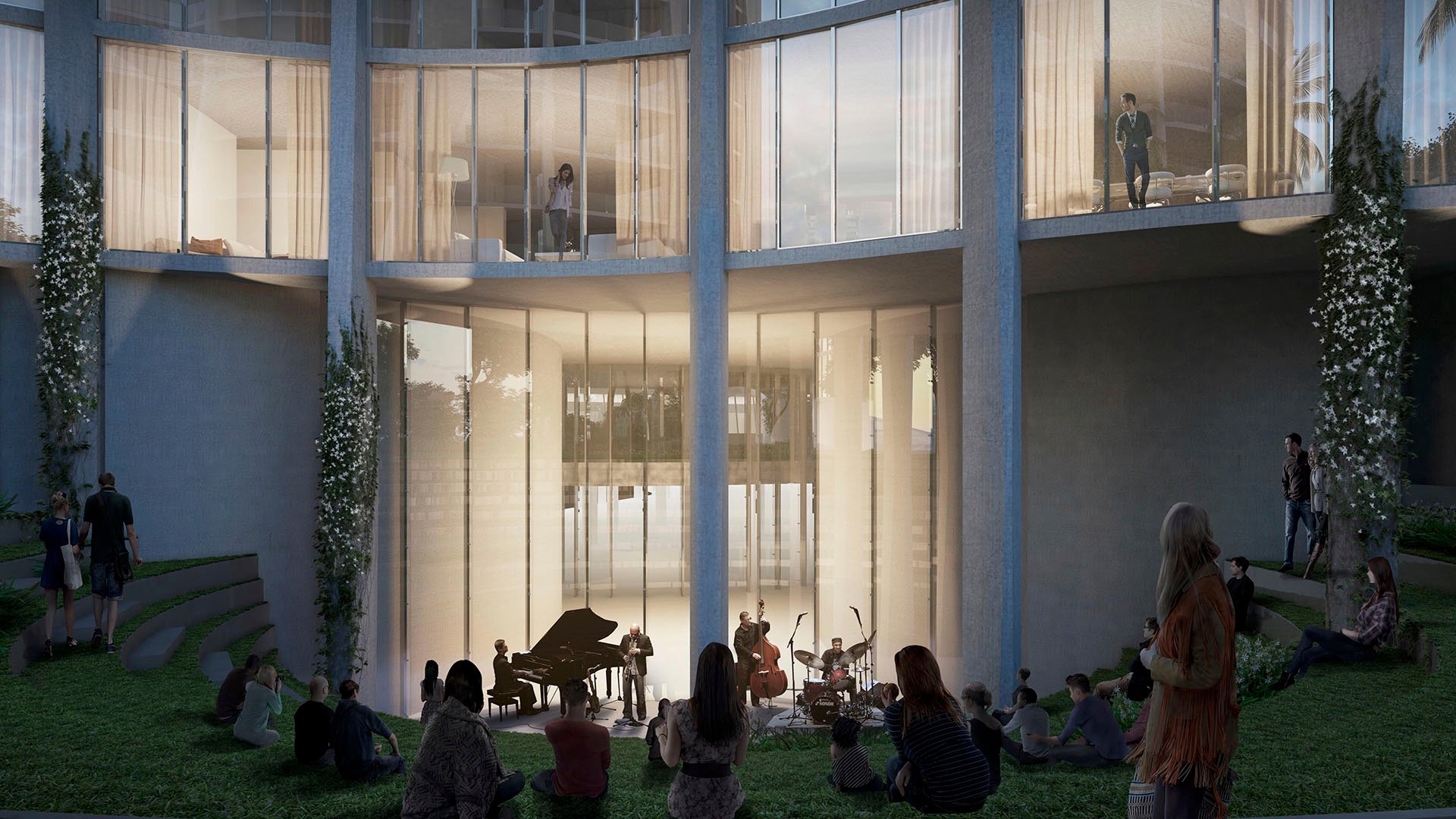
Coconut Grove’s appeal is not simply that one can walk. It is that walking feels aligned with the neighborhood’s scale. For luxury buyers accustomed to the vertical energy of Brickell, the resort polish of Miami Beach, or the oceanfront formality of Sunny Isles, the Grove offers a distinct proposition: a residential pace where daily life unfolds in shorter, softer increments.
Here, walkability functions as a lifestyle filter. It is the ability to step out for coffee, browse village retail, meet friends without making the car the center of the day, and return home through streets that feel more residential than transactional. That quality is difficult to quantify, but immediately legible to buyers who value privacy, shade, and the freedom to be spontaneous.
For search-minded buyers, Coconut Grove is less a keyword than shorthand for a particular version of Miami living: close to culture and dining, yet less insistent than the city’s denser corridors. In this market, the daily route from residence to retail can matter as much as a view line.
In many South Florida neighborhoods, amenities are internalized. The pool deck, fitness suite, lounge, and private dining room carry much of the lifestyle promise. Coconut Grove adds another layer: the village itself. Retail, restaurants, cafés, wellness studios, and neighborhood services become part of the amenity package because they are woven into the way residents move.
That is why the strongest Coconut Grove purchases often begin with a simple question: what does the buyer want within an easy walk? Some buyers want morning rituals, with a short path to espresso and a quiet return home. Others prioritize evening convenience, preferring a residence that makes dinner plans feel effortless. Families may weigh proximity to parks and everyday errands, while seasonal owners may value a lock-and-leave address that still feels animated when they arrive.
This is where projects such as Mr. C Tigertail Coconut Grove enter a broader conversation about lifestyle, not just architecture. The right residence is more than a private home in a desirable district. It is a base from which the village can be used naturally.
Parks and green edges are central to the Grove’s residential identity. For buyers, their relevance is practical as much as aesthetic. Green space changes how a neighborhood feels in the morning, how families spend weekends, how dog owners structure the day, and how a second-home owner resets between travel and social commitments.
A softer residential pace does not mean a lack of sophistication. It means the luxury experience is less dependent on spectacle. Instead of announcing itself through height or constant activity, Coconut Grove often appeals through atmosphere. Mature streetscapes, layered plantings, outdoor dining, and the rhythm of people moving between home, retail, and parks create a sense of ease that many buyers struggle to find in more commercial settings.
A residence such as Arbor Coconut Grove can speak to buyers who want the Grove’s intimate tone reflected in daily life. The premium is not only in finishes or services, but in the feeling that the neighborhood still belongs to residents first.
Walkability should be tested, not assumed. A property may appear close to the village on a map, yet feel different at breakfast time, school pickup, sunset, or late evening. Serious buyers should walk their likely routes before making a decision. The best evaluation accounts for shade, curb cuts, traffic comfort, sound, lighting, and the ease of returning with groceries, children, pets, or guests.
Parking also matters, even in a walkable neighborhood. Coconut Grove buyers often want both convenience and optionality. They may walk to dinner, but still expect graceful arrival for visitors, easy departures to other parts of Miami, and a residence that does not make logistics feel secondary.
Privacy is another essential filter. A home can be close to retail without feeling exposed to it. The most successful Grove residences create a buffer between public village life and private domestic space. Buyers should pay close attention to lobby experience, approach, balcony orientation, service access, and how the residence feels at different times of day.
Coconut Grove can accommodate more than one luxury temperament. Some buyers gravitate toward boutique scale, valuing discretion, lower intensity, and a more residential point of entry. Others prefer a branded or highly serviced environment that delivers hospitality, consistency, and a recognizable standard.
The choice is less about prestige than fit. A buyer considering Four Seasons Residences Coconut Grove may be drawn to the confidence of a service-led residential experience. Another buyer may prefer the intimacy suggested by a smaller building or a quieter approach to shared spaces.
Projects such as The Well Coconut Grove also point to the way wellness has become part of the residential vocabulary. In the Grove, that conversation feels especially natural because outdoor movement, parks, and village proximity already support a less compartmentalized daily life.
Coconut Grove tends to resonate with buyers who want Miami without surrendering to Miami’s faster tempo. They may entertain often, but do not necessarily want to live in a constant social corridor. They may appreciate design, hospitality, and services, while still wanting the option to retreat into a calmer residential setting.
For families, the Grove’s appeal often comes from a sense of neighborhood continuity. For empty nesters, it may be the ability to simplify daily routines without losing access to restaurants and culture. For seasonal owners, it can be the rare combination of lock-and-leave convenience and a neighborhood that feels lived-in rather than purely transient.
A residence such as Park Grove Coconut Grove often enters the discussion for buyers who want a refined Grove address with a strong residential identity. The key is to compare not only floor plans, but also the way each building mediates the relationship between home, street, village, and green space.
The most valuable Coconut Grove purchase is the one that aligns with a buyer’s actual rituals. Before focusing on finishes, buyers should define their daily non-negotiables. Is the priority a short walk to dining, a quieter street, access to parks, a boutique lobby, a larger terrace, or a higher-service environment? Each answer points to a different kind of residence.
Noise sensitivity should be discussed early. So should exposure, arrival sequence, guest parking, pet logistics, storage, and the practical distance between the front door and the places the buyer expects to use weekly. In a walkable neighborhood, small details carry outsized importance because they shape daily pleasure.
Coconut Grove’s luxury is not loud. It is cumulative. It gathers through shade, proximity, routine, privacy, and the subtle pleasure of not needing to plan every movement around a car. For the right buyer, that may be the Grove’s most enduring advantage.
Is Coconut Grove a good fit for buyers who prioritize walkability? Yes, especially for buyers who want village retail, parks, and daily convenience within a more residential atmosphere.
Does Coconut Grove feel quieter than Brickell or Downtown Miami? It generally appeals to buyers seeking a softer residential pace rather than a dense urban tempo.
Should buyers walk the neighborhood before choosing a building? Yes. Route comfort, shade, traffic feel, lighting, and noise are best evaluated in person at different times of day.
Are parks important to Coconut Grove’s luxury appeal? Yes. Parks and green space support outdoor routines, family time, pet ownership, and a calmer sense of place.
What type of buyer is drawn to Coconut Grove? The Grove suits buyers who want access to Miami lifestyle amenities while preserving privacy and neighborhood ease.
Is boutique scale better than a branded residence in the Grove? Neither is universally better. The right choice depends on the buyer’s preference for discretion, services, and daily rhythm.
How should seasonal owners think about Coconut Grove? Seasonal owners should focus on lock-and-leave ease, walkable dining, arrival comfort, and whether the area feels active when they visit.
Why does village retail matter for resale appeal? Convenient retail can make daily life easier, which often broadens a property’s lifestyle appeal to future buyers.
Should parking still matter in a walkable neighborhood? Yes. Buyers may walk often, but guest access, errands, and cross-city travel still make parking and arrival logistics important.
What is the most important due diligence step in Coconut Grove? Match the residence to actual daily rituals, including walks, errands, quiet preferences, pets, guests, and outdoor routines.
To compare the best-fit options with clarity, connect with MILLION.
If branded residences are on your mind — as a home or as an allocation — we would be glad to share what we are seeing, privately.
Begin a quiet conversation