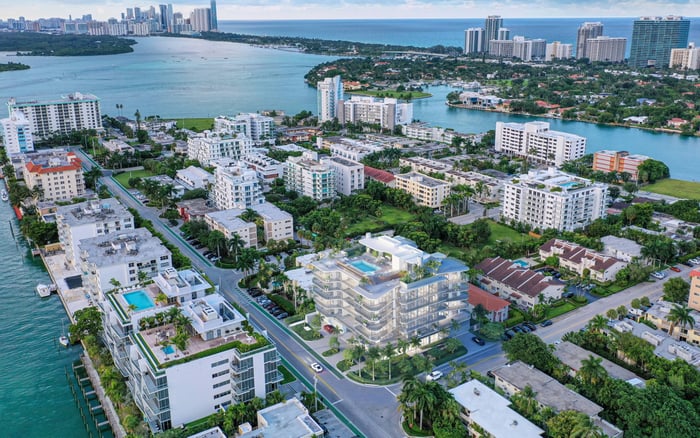
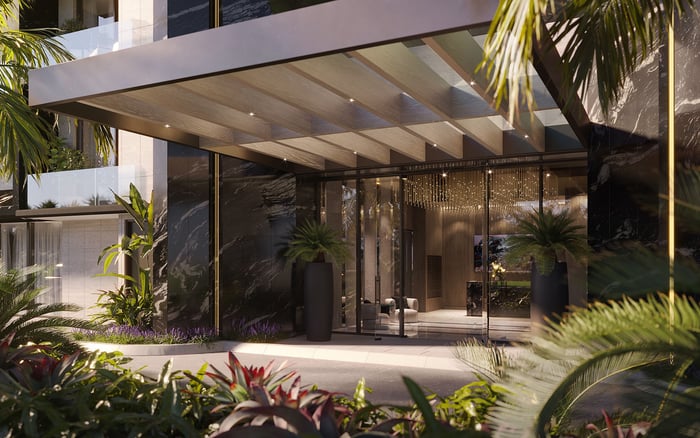
For Bay Harbor Islands buyers, “walkability to Bal Harbour Shops” is less about raw distance and more about the quality of the route: shade, crossings, bridges, and how quickly you can transition from a quiet residential pocket to luxury retail and dining. This editorial compares two well-known options, Onda Bay Harbor and Bay Harbor Towers, through the lens of a realistic, day-to-day walk to Bal Harbour Shops, plus what that walk signals about lifestyle, privacy, and resale positioning.
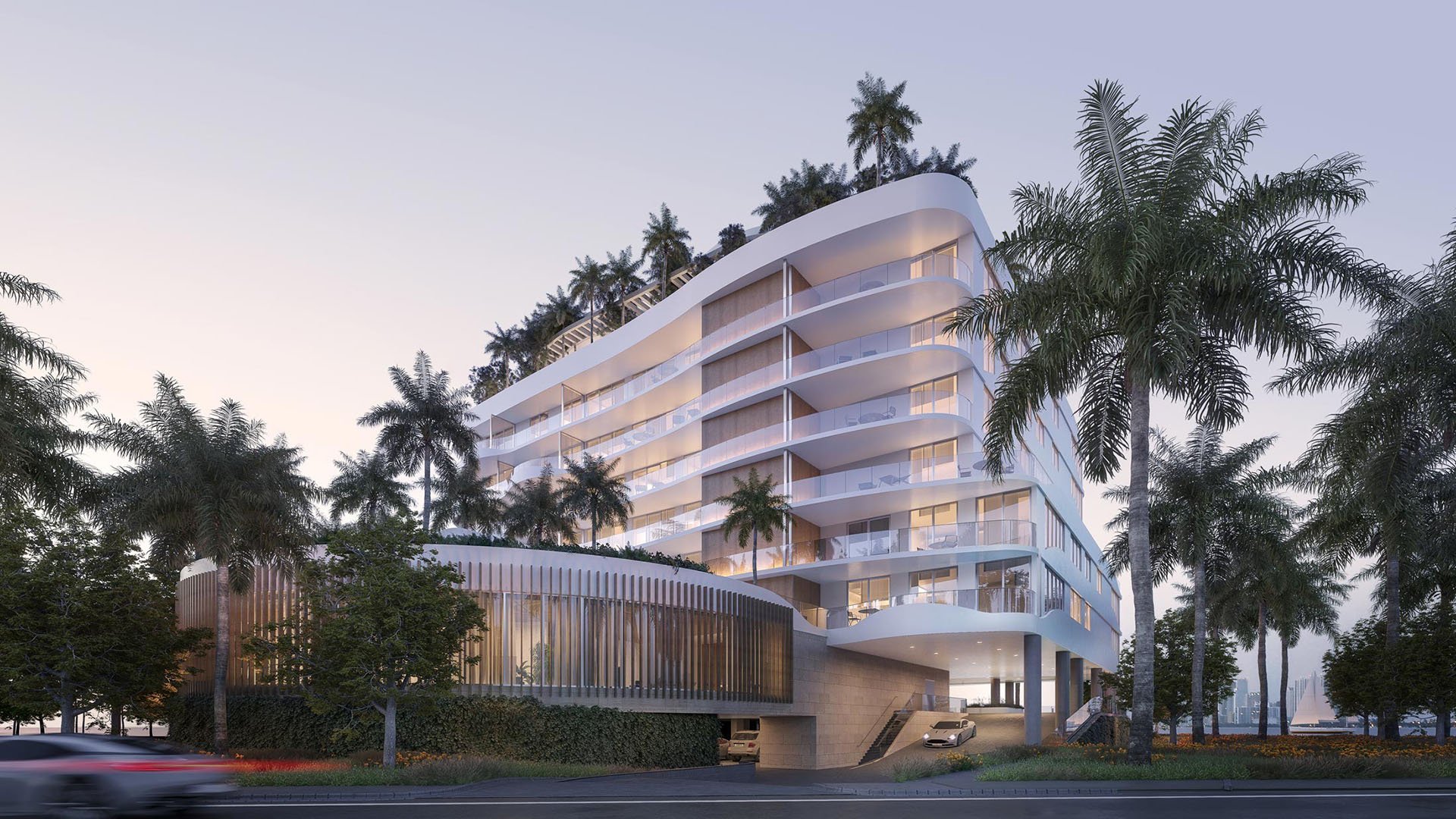
In Bay Harbor Islands, proximity to Bal Harbour Shops is a lifestyle preference that shows up in small, repeatable moments: a morning coffee run, an early dinner reservation, a last-minute gift, a quiet decompression walk after a long day. “Walkability” here is not a single metric. It is a blend of route quality, comfort, and how effortlessly you can move between a residential setting and one of South Florida’s most polished retail environments.
Comparing Onda Bay Harbor and Bay Harbor Towers through this lens is useful because they represent two distinct expressions of the same neighborhood. One is perceived as newer and more design-led in its positioning; the other is established and familiar to long-time Bay Harbor buyers. Yet both sit within the same micro-market, where a few blocks, a bridge approach, or one awkward crossing can materially change how you actually live.
This is a buyer-oriented comparison, focused on what the walk feels like, when you will use it, and why that should influence your purchase decision as much as square footage or view lines.
A credible walkability assessment in this corridor typically comes down to five practical considerations.
First: bridge dynamics. Your route is shaped by the bridge connections between Bay Harbor Islands and the Bal Harbour side. A walk that includes a bridge can still be “easy,” but the experience depends on sidewalk continuity, traffic cadence, and whether you feel comfortable doing it in evening attire or with a child.
Second: crossings and waiting time. Even a short route can feel long if you are repeatedly stopped by wide intersections, fast turns, or long signal cycles.
Third: shade and exposure. South Florida sun can turn a pleasant stroll into a negotiation. Tree cover, building setbacks, and the ability to stay on shaded edges matter.
Fourth: arrival quality. Reaching Bal Harbour Shops is not only about stepping onto the property; it is about where you enter and whether you arrive as a pedestrian with dignity rather than as an afterthought.
Fifth: the return trip. Many buyers focus on the walk there and forget that you will be walking back with packages, potentially after dark, possibly in a sudden rain.
With these elements in mind, the comparison becomes clearer-and more personal.
Onda Bay Harbor tends to appeal to buyers who enjoy the ritual of walking, not just the convenience. The surrounding neighborhood context reads as suited to a deliberate, unhurried pace, where the route can be part of the day rather than a functional transfer between points.
From a walkability standpoint, Onda’s appeal is often psychological: when a building reads as contemporary and lifestyle-oriented, residents are more likely to choose the sidewalk over the car, even for trips that could be driven in minutes. The result is more consistent use of the route, which in turn clarifies what you value-quieter streets, an easy on-foot transition, and a walk that feels safe and socially normal.
For buyers who treat Bal Harbour Shops as an extension of their living room, this matters. You are not simply “near” the Shops. You are setting up a routine where you can step out, handle one or two errands, and return without it feeling like a full outing.
If you like the idea of Bay Harbor as a calm home base with quick access to a more cosmopolitan retail and dining environment, it is worth also looking at other design-forward options nearby such as Origin Bay Harbor Islands, which speaks to the same desire for curated living with proximity to the Bal Harbour and Surfside orbit.
Bay Harbor Towers, as a recognizable name in the neighborhood, often attracts buyers who prioritize predictability. The building’s identity is less about making a statement and more about serving as a stable base in an exclusive area.
When you translate that preference into walkability, the theme is simplicity. Residents who gravitate toward established buildings often have a clear sense of their patterns: a quick trip to Bal Harbour Shops, a return home, and minimal friction. The best walk is not necessarily the prettiest; it is the one that feels direct and repeatable-the one you can do without planning.
This mindset also tracks with resale logic. A buyer who values Bay Harbor Towers’ established positioning may care that a future purchaser will understand the building instantly and will appreciate that Bal Harbour access is practical, not precious.
For those comparing the broader Bay Harbor Island options, Bay Harbor Towers can sit in the same consideration set as newer inventory, but it tends to win when the buyer’s definition of luxury is ease rather than novelty.
Because both properties sit within Bay Harbor Islands, the headline distance to Bal Harbour can sound similar in casual conversation. In practice, however, your lived experience is shaped by micro-details.
One route might offer a more continuous sidewalk experience, while another feels interrupted by driveways, curb cuts, or stretches where the pedestrian becomes secondary. One route may feel comfortable at dusk, while another is fine during the day but loses appeal later.
This is why serious buyers should do the walk twice: once in bright daylight and once closer to dinner time. Notice whether you hesitate at crossings, whether you find yourself switching sides of the street for shade, and whether the last few minutes approaching the Shops feel welcoming.
The same logic holds if you are also considering the new wave of wellness-led residential positioning in the neighborhood. Projects like The Well Bay Harbor Islands cater to residents who want their daily movement patterns, including walking, to feel intentional and health-forward. That intent can influence how “walkable” the Shops truly feels, because you will actually use the route.
For many ultra-premium buyers, Bal Harbour Shops is less about shopping bags and more about hosting. If your lifestyle includes impromptu dinners, last-minute meetups, or “come join us” invitations, the ability to walk there changes the texture of your social calendar.
Onda Bay Harbor aligns with a hosting style that values atmosphere and arrival. You may be more inclined to treat the walk as part of the evening, especially when the weather cooperates. The underlying value is a sense of ease without sacrificing discretion.
Bay Harbor Towers aligns with hosting that values efficiency and familiarity. You can keep the evening tight: leave, arrive, return-done. This matters if you are balancing a second home schedule, family logistics, or a preference for routine.
If you want to explore a similarly walk-forward, design-oriented posture in nearby Surfside, Arte Surfside offers a different coastal context, but it reinforces the same idea: luxury is often defined by how elegantly your daily movements fit together.
In this corridor, the walk back is the true test. Packages, a light rain, heels, or a phone call can change your perception quickly.
Ask yourself:
Do you feel exposed crossing wide intersections?
Is the sidewalk continuous and intuitive, or do you have to improvise?
Do you see other pedestrians, or does it feel isolated?
Would you do this walk alone at night without second-guessing it?
Because the Fact Table provided for this assignment is empty, this comparison stays deliberately qualitative rather than claiming time-to-walk or exact distances. Still, the decision framework remains valid: in Bay Harbor Islands, a “walkable” promise is only meaningful if you will use it routinely and comfortably.
If you are deciding between Onda Bay Harbor and Bay Harbor Towers specifically for walkability to Bal Harbour Shops, your choice often maps to a personal operating system.
Choose Onda Bay Harbor if you:
Want the walk to feel like part of your lifestyle rather than a utility.
Prefer a modern, curated residential experience that encourages on-foot routines.
See Bal Harbour Shops as a frequent extension of your day and evening plans.
Choose Bay Harbor Towers if you:
Want established familiarity and a straightforward, repeatable routine.
Prefer convenience over ceremony, especially for quick trips.
Value a more traditional residential identity in the Bay Harbor setting.
Both can satisfy the core goal: access to Bal Harbour. The difference is whether you want that access to feel like a promenade or a quick connection.
Do a simple, buyer-grade test.
Start at your likely “leave the building” time. Do not choose an ideal moment. Pick when you actually go out.
Walk the route you would realistically take to Bal Harbour Shops. Do not optimize mid-walk. Notice where you hesitate.
Enter as you would on a normal day and then reverse the route with your hands “full,” even if you are just holding a phone and water.
Repeat near dusk. The neighborhood’s mood and visibility shift, and your comfort level will tell you more than a map.
In Bay Harbor Islands, walkability is not just proximity. It is the friction, the comfort, and the confidence to do it again tomorrow.
Is Onda Bay Harbor or Bay Harbor Towers closer to Bal Harbour Shops? Both are in Bay Harbor Islands, but your practical “closeness” depends on the exact walking route and crossings.
Is the walk to Bal Harbour Shops realistic for daily errands? For many residents, yes, as long as you are comfortable with bridge and intersection dynamics.
What makes a route feel less walkable even if it is short? Discontinuous sidewalks, long signal waits, and high-speed turns can add friction beyond distance.
Which building suits buyers who prefer to walk instead of drive? Onda Bay Harbor often aligns with residents who treat walking as part of a lifestyle routine.
Which building suits buyers who prioritize straightforward convenience? Bay Harbor Towers often appeals to buyers who prefer predictable, no-fuss daily patterns.
Does time of day change the walkability experience? Yes-heat, shade, traffic, and visibility can make the same route feel very different at dusk.
Should I test the walk before buying? Yes, do it at least twice, including a late return, to gauge comfort and confidence.
How important is shade in this comparison? Very important, because sun exposure can determine whether you walk routinely or default to driving.
Will walkability impact resale in Bay Harbor Islands? Often, yes, because buyers consistently value easy access to Bal Harbour’s retail and dining.
Is “walkable to Bal Harbour Shops” the same as “walkable lifestyle”? Not always; true walkable living depends on whether the route feels safe, comfortable, and repeatable.
For a discreet conversation and a curated building-by-building shortlist, connect with MILLION Luxury.
If branded residences are on your mind — as a home or as an allocation — we would be glad to share what we are seeing, privately.
Begin a quiet conversation