Fashion-branded residences in Miami are best understood as design-led homes whose long-term value depends on execution, scarcity, location, and buyer perception rather than a logo alone.
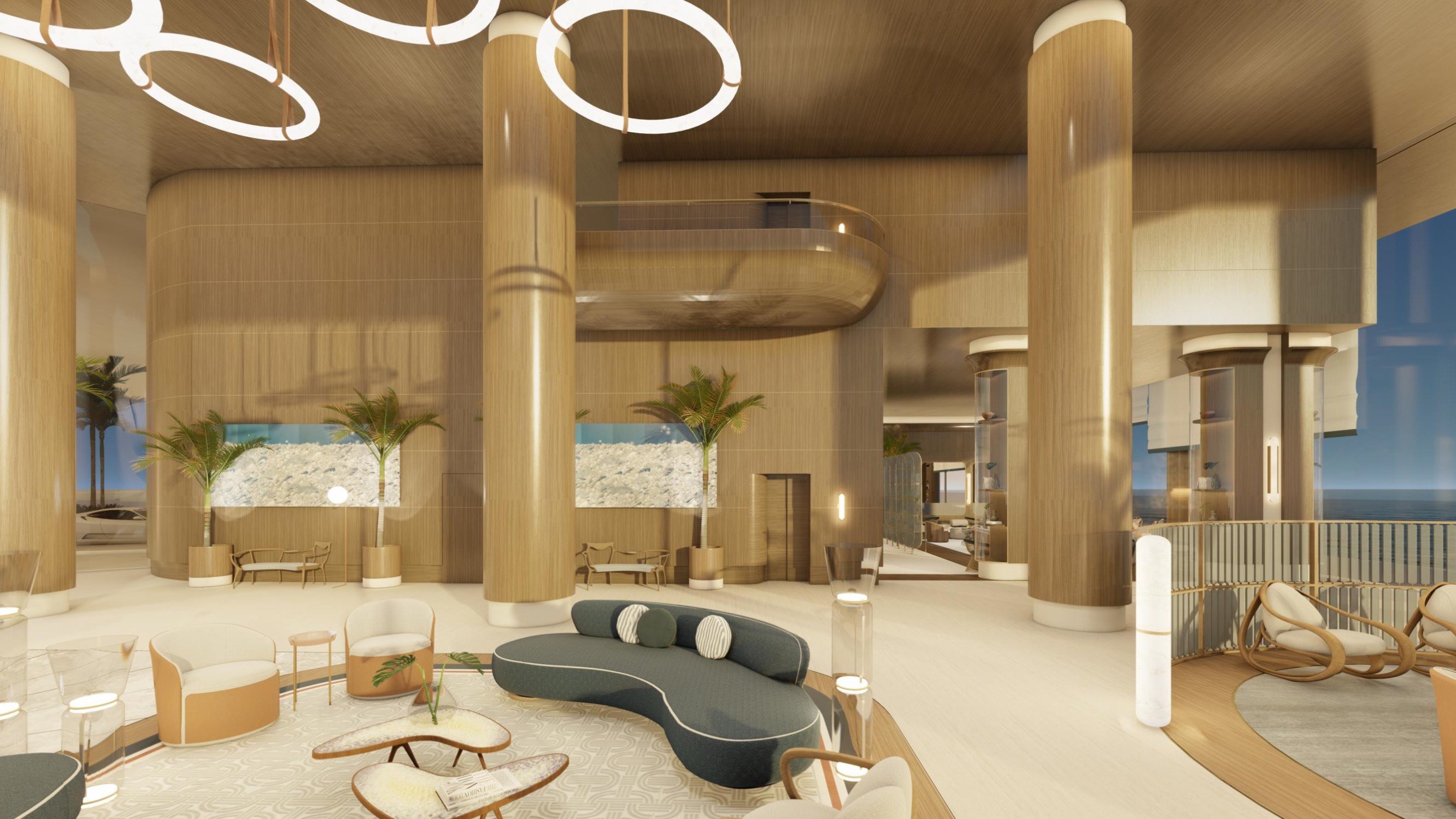
Fashion-branded residences in Miami occupy a precise place in the luxury market. They are not simply condominiums with a recognizable name attached. At their best, they translate a design house’s visual codes into architecture, interiors, service expectations, and social identity. For buyers, the question is no longer whether a brand is famous. It is whether the residence feels genuinely composed, durable, and desirable after the first impression fades.
That distinction matters in South Florida, where international buyers, second-home owners, and design-literate residents often evaluate property through both lifestyle and asset lenses. A fashion brand can create immediate recognition, but recognition is only the opening move. Long-term appeal comes from proportion, materials, privacy, light, arrival sequence, amenity restraint, and the emotional clarity of the interiors.
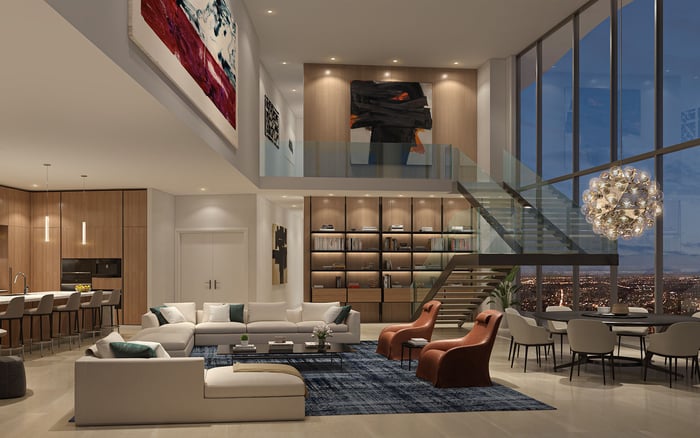
In Brickell, 888 Brickell by Dolce & Gabbana gives buyers a useful reference point for how a fashion identity can shape the conversation around a residential tower. It invites a different buyer psychology from a conventional glass condominium: more editorial, more image-conscious, and more focused on the total atmosphere of ownership.
The strongest fashion-branded residences do not rely on a nameplate at the entrance. They establish a point of view. That may appear in the palette, the rhythm of private and shared spaces, the way furniture is selected, or the tone of the amenities. The residence should feel edited rather than decorated.
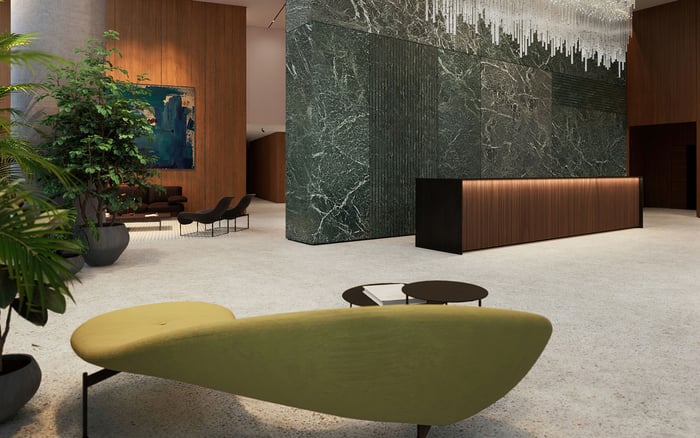
For the ultra-premium buyer, coherence is often more persuasive than spectacle. A marble lobby can impress once, but a calm elevator arrival, a well-proportioned primary suite, and a terrace that lives like an outdoor room can support daily life for years. The best branded projects understand that fashion is not only surface. It is discipline, silhouette, and restraint.
This is why buyers often compare fashion-branded residences with design-led or hospitality-led projects rather than only with nearby condominiums. Casa Bella by B&B Italia Downtown Miami sits naturally in that conversation because its appeal is tied to design identity and interior language. The broader lesson is that branding works when the home can stand on its own after the brand story is stripped away.
A branded residence may command a premium in a buyer’s mind, but that premium is not automatic. It has to be earned through location, architecture, finish level, service, scarcity, floor plan quality, and the credibility of the brand translation. A name can sharpen demand, but it cannot overcome weak execution.
Premiums are also psychological. Some buyers value the confidence of a curated environment. Others prefer a quieter canvas they can personalize. In Miami, both instincts exist at the high end of the market. The fashion-branded buyer is often seeking instant identity, a sense of belonging to a specific aesthetic world, and a residence that communicates taste before a single piece of private art is installed.
That does not mean louder is better. In fact, resale perception can be strongest when the branding feels recognizable but not restrictive. A buyer should ask whether the interiors will still feel relevant as tastes evolve. If every design decision is too tied to one seasonal mood, the home may age quickly. If the brand language is architectural and material rather than purely graphic, it has a better chance of feeling permanent.
Brickell frames fashion branding through an urban lens. The buyer is often weighing skyline views, convenience, dining, private club energy, and the prestige of a central Miami address. In that setting, brand identity can amplify the sense of arrival and make the residence feel less generic within a competitive vertical market.
Sunny Isles and Surfside create a different context. Along the ocean, the brand has to coexist with light, horizon, and privacy. A residence that feels too theatrical may compete with the water, while one with a more controlled material palette can heighten the beachfront experience. Armani Casa Sunny Isles Beach and Fendi Château Residences Surfside are often discussed in this broader category because their names signal fashion and design fluency in coastal settings.
Downtown Miami, Miami Beach, and nearby waterfront enclaves each add their own interpretation. Some buyers want cultural proximity. Others want discretion and fewer daily frictions. The right branded residence is therefore not only a brand choice. It is a neighborhood choice, a rhythm-of-life choice, and a statement about how visible or private the owner wants the home to feel.
Investment analysis for fashion-branded residences should be sober. The brand may help the property stand out, but liquidity ultimately depends on whether the next buyer sees the same value. A residence that is too personal to the original design concept can narrow the buyer pool. A residence with strong bones, elegant finishes, and a widely understood identity can widen it.
Resale perception is shaped by a simple question: does the brand make the home easier to understand? If the answer is yes, the identity becomes a market advantage. It gives brokers, buyers, and owners a concise narrative. If the answer is no, the brand becomes decoration, and decoration rarely protects value on its own.
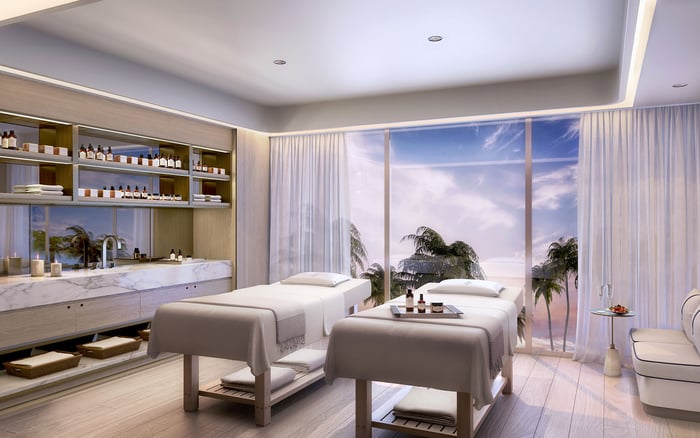
Buyers should examine floor plan flexibility, storage, ceiling presence, terrace usability, views, service model, parking experience, and the quality of shared spaces. These details influence everyday satisfaction and future buyer confidence. A strong name may bring attention to a listing, but the physical residence must convert that attention into conviction.
Before purchasing, imagine the residence being shown five or ten years from now. Would the brand identity still feel elegant? Would the finishes feel maintained and relevant? Would a buyer who does not follow fashion still understand the value? These questions are more useful than asking whether the brand is currently popular.
The most resilient branded residences tend to balance memory and neutrality. They are distinctive enough to be remembered, but not so specific that only one buyer profile can imagine living there. This is especially important in South Florida, where owners may use the home seasonally, host internationally, or eventually reposition the asset within a changing market.
For a buyer choosing between a fashion-branded residence and a non-branded ultra-luxury property, the decision should come down to alignment. If the brand enhances the way the owner wants to live, entertain, and be perceived, it can be meaningful. If it is merely a premium attached to an aesthetic one does not fully share, restraint may be the wiser luxury.
Are fashion-branded residences in Miami only about the logo? No. The strongest examples translate brand identity into architecture, interiors, amenities, and the overall feeling of ownership.
Do fashion-branded residences always sell at a premium? Not always. A premium depends on location, scarcity, finish quality, design coherence, and how strongly future buyers value the brand.
Is Brickell a natural fit for fashion-branded residences? Brickell can work well because its urban energy supports a more visible, design-forward ownership experience.
How should buyers evaluate design identity? Buyers should look for consistency in materials, proportions, arrival experience, private spaces, and amenity design.
Can a strong fashion brand hurt resale? It can if the interiors feel too narrow, dated, or difficult for future buyers to personalize.
Are oceanfront branded residences different from urban ones? Yes. Oceanfront settings usually reward restraint, privacy, and materials that complement light and water.
Should buyers prioritize the brand or the floor plan? The floor plan should come first. A powerful brand cannot compensate for awkward circulation, weak storage, or compromised views.
Do branded residences appeal to international buyers? They can, especially when the brand provides immediate recognition and a clear design narrative.
What makes a branded residence feel timeless? Timelessness comes from proportion, material quality, restraint, and a design language that is not overly trend-dependent.
Is a fashion-branded residence a good long-term hold? It can be, provided the buyer chooses a strong location, livable plan, durable finishes, and a brand identity with broad appeal.
If you'd like a private walkthrough and a curated shortlist, connect with MILLION.
If branded residences are on your mind — as a home or as an allocation — we would be glad to share what we are seeing, privately.
Begin a quiet conversation