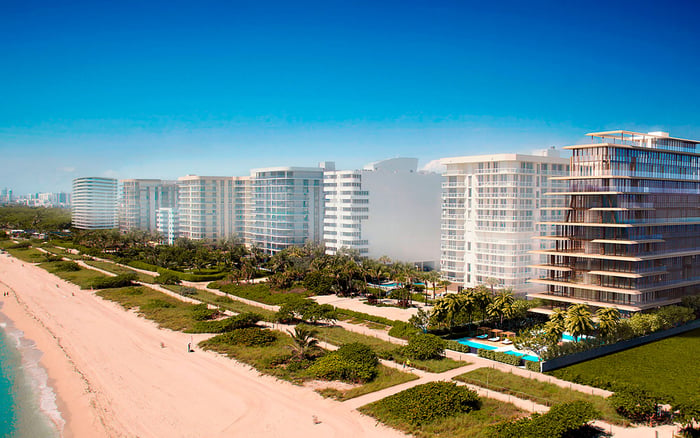
In Surfside, two oceanfront addresses capture very different definitions of certainty and ambition: Arte, a finished boutique condominium with immediate lifestyle delivery, and The Delmore, a planned statement building with a longer runway and staged capital deployment. This editorial compares how each option behaves as a home, a balance-sheet decision, and a long-term hold, from architecture and amenities to closing mechanics and buyer fit.
Surfside’s appeal is engineered as much as it is geographic. Oceanfront inventory is tight, the town’s scale stays intentionally restrained, and the lifestyle is uncomplicated: walkable streets, a daily beach rhythm, and immediate proximity to Bal Harbour’s retail and dining pull. In that environment, the sharper question is not simply “Which building?” It is “Which timeline fits how you live and how you allocate capital?”
One lane is resale: finished product, visible condition, operational amenities, and the possibility of a fast close when diligence and documentation align. The other lane is pre-construction: a future building, a longer planning horizon, and staged capital commitments that unfold over years.
That split is clearly expressed by two neighbors on Collins Avenue. Arte Surfside is completed and exceptionally limited in scale. The Delmore Surfside is planned as an ultra-luxury oceanfront statement with a multi-year delivery window that has been widely reported around 2029.
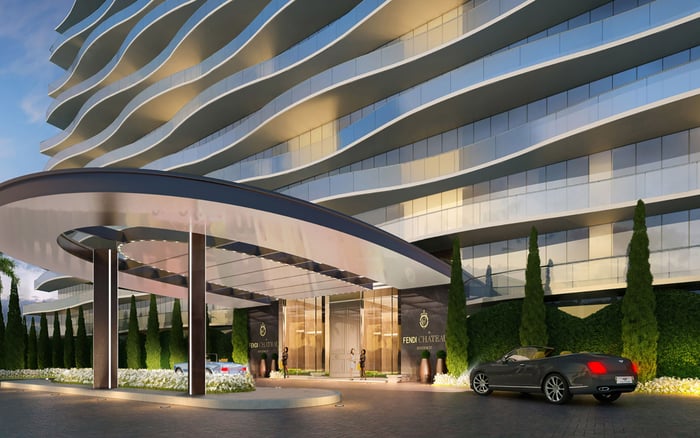
Arte Surfside is a completed oceanfront condominium at 8955 Collins Ave, Surfside, with a boutique profile: a 12-story building with 16 residences. In a segment where “luxury” can sometimes mean more density and more shared space, that residence count changes the day-to-day experience. Elevator privacy improves, amenities feel less scheduled, and staff familiarity can become more personal.
The product mix has been marketed with full-floor and duplex layouts. Residence sizing is commonly presented in the roughly 3,000 to 7,000-plus interior square foot range, depending on the home. Pricing seen in public marketing and listings has often sat roughly from about $12.9 million up into the high $20 millions, varying by residence type, floor, and position.
What differentiates Arte for many buyers is not just the checklist, but the fact that the checklist is already running. Amenities are positioned as fully operational luxury, including an indoor lap pool, spa programming, and a rooftop tennis court. For buyers who define oceanfront ownership by weekly routine rather than occasional escape, an established operational cadence can matter as much as views.
Arte also became a headline example of how quickly ultra-luxury can execute when capital is ready and teams are coordinated. A widely reported transaction involved a $22.5 million penthouse sale funded via cryptocurrency, noted for closing in roughly 10 days. Even when crypto is part of the funding narrative, closings are typically structured so proceeds arrive in USD rather than exposing the seller to direct crypto price risk. The broader market lesson is speed: in a delivered building, the timeline can be compressed when proof of funds, contract terms, and due diligence are clean.
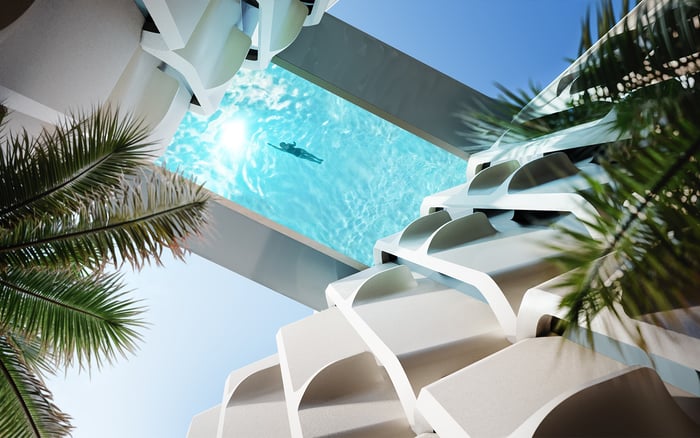
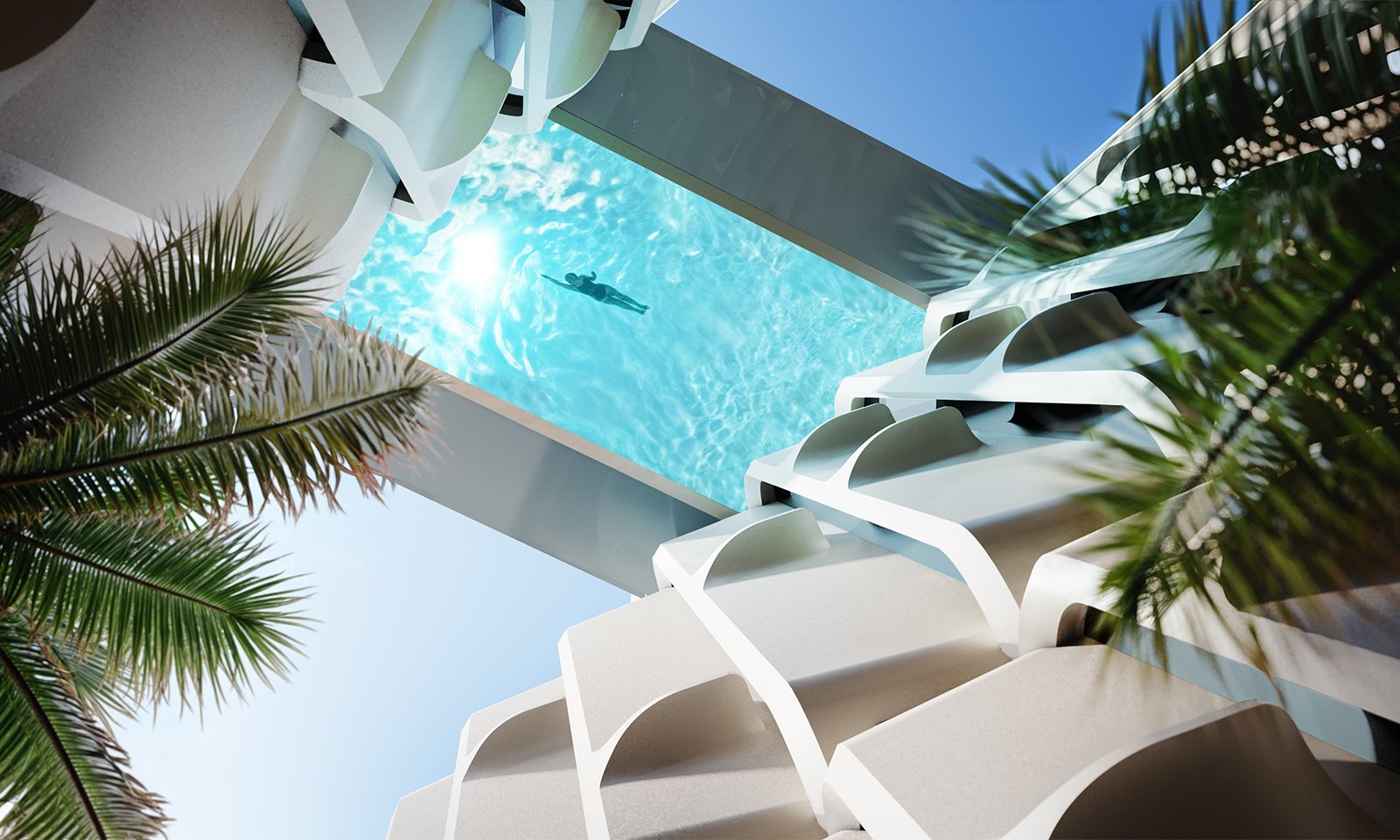
The Delmore is planned for 8777 Collins Ave, Surfside. It has been publicly presented as a 12-story building with 37 residences, developed by DAMAC International, which has described it as its first U.S. development. The design is by Zaha Hadid Architects, and the concept has attracted attention for a high-theater amenity idea: a suspended acrylic pool that has appeared in architecture and press coverage.
The buyer experience here is defined by sequencing. Unlike a resale purchase, you are not evaluating a finished operations platform. You are underwriting delivery, construction progress, and the timing of your own use. Construction reporting has highlighted specialized foundation work, including deep soil mixing and trench soil mixing, as key early steps before vertical construction.
Pricing has been publicly positioned as starting around $15 million, with larger residences higher. The Delmore’s appeal is less about immediate occupancy and more about securing a place in a limited, design-forward building with a future delivery horizon that has been widely reported around 2029.
In the ultra-luxury tier, many “lifestyle” choices are capital-timing choices wearing a lifestyle suit.
With resale, the capital event is concentrated. You negotiate, complete inspections and diligence, and then close. Because the building is already delivered, the primary variables are condition, terms, and the speed with which both sides can satisfy documentation and underwriting.
With pre-construction, you are effectively underwriting a timeline. In Miami, buyers commonly encounter staged deposits that begin with a reservation deposit that is often around 10%, followed by additional deposits at contract and construction milestones. A frequently cited structure results in a large total deposit, often around 40% to 50% in stages, prior to closing, with the balance due at delivery.
Those norms are not guaranteed terms for any particular project, and contracts vary. Still, the logic is consistent: pre-construction shifts exposure from a single closing moment to multi-year capital deployment. For some buyers, that is a feature because it can support structured liquidity planning and longer runway for balance-sheet timing. For others, it is friction, particularly when capital is best matched to immediate use.
Amenity lists are easy to compare. Utilization is what separates a good match from a costly mismatch.
Arte’s amenity set reads as daily living infrastructure: an indoor lap pool that functions as a true exercise facility, spa elements geared toward recovery and wellness, and a rooftop tennis court that is both social and usable. In a 16-residence building, those spaces can feel closer to private club access than shared resort amenities.
The Delmore’s public narrative is different. A suspended acrylic pool is not simply an amenity, it is a visual signature. For certain buyers, that signature is the point. Ownership becomes partly about architectural identity and the cultural signal of a design-forward address.
If you are deciding between them, run a simple personal audit: are you buying for routine, or for statement? Both can be rational. They are rarely interchangeable.
In the premium segment, architecture behaves like an intangible asset. It influences long-term desirability, resale perception, and how a building photographs, which increasingly affects market velocity.
Arte was designed by Antonio Citterio with Patricia Viel. That design pedigree is often associated with restraint, proportion, and a residential sensibility that prioritizes livability. When a building is meant to integrate seamlessly into daily life, discipline can be the highest form of luxury.
The Delmore, designed by Zaha Hadid Architects, signals a different intent: sculptural form and architectural authorship that reads instantly. That can expand global buyer interest, particularly among those who view real estate as part home, part collectible.
Even when Surfside is the target, sophisticated buyers often cross-shop Miami Beach to triangulate value, operations, and lifestyle.
If a buyer wants a Miami Beach address with an established hospitality ecosystem, Setai Residences Miami Beach commonly enters the conversation as a reference point for branded service expectations.
If the preference is for a quieter, residential cadence with a luxury flag attached, The Ritz-Carlton Residences® Miami Beach can be a useful benchmark for how brand standards and owner services shape the lived experience.
These comparisons are not about replacing Surfside. They are about sharpening your priorities: privacy versus social energy, architectural identity versus operational familiarity, and immediate use versus future delivery.
The highest-end buyers rarely stop at “Is it beautiful?” They also ask, “Will it hold its place in the market, and will the experience remain seamless?”
Confirm your timeline tolerance. If you need occupancy now, the decision compresses quickly.
Match home size to how you live. Arte’s marketed size ranges can support true single-level living at a grand scale, while The Delmore’s future layouts will be evaluated against your specific program needs.
Decide whether privacy is a primary value. A 16-residence building behaves differently than a 37-residence building in elevator traffic, amenity sharing, and staff familiarity.
Underwrite your capital plan. Pre-construction deposit staging can be elegant if it matches your liquidity strategy, and uncomfortable if it fights it.
Treat architecture as part of the purchase price. A signature designer can be a long-term advantage, but only if it aligns with your taste and your likely resale audience.
What is the core difference between Arte and The Delmore? Arte is completed and purchased via a resale-style closing; The Delmore is planned and typically requires staged deposits over a multi-year timeline.
Where is Arte located? Arte is at 8955 Collins Ave, Surfside, FL 33154.
How large is Arte as a building? Arte is a 12-story boutique building with 16 residences.
What amenities is Arte known for? Public marketing highlights an indoor lap pool, spa, and a rooftop tennis court among other features.
What is a widely reported pricing range for Arte resales? Public marketing commonly shows roughly about $12.9 million up to the high $20 millions, depending on residence and position.
Where is The Delmore planned? The Delmore is planned for 8777 Collins Ave, Surfside, FL 33154.
How large is The Delmore planned to be? The Delmore has been presented as a 12-story building with 37 residences.
Who is behind the design and development of The Delmore? It is designed by Zaha Hadid Architects and developed by DAMAC International, which has described it as its first U.S. development.
What is a commonly reported starting price for The Delmore? Market-facing coverage has indicated pricing starting around $15 million, with larger homes higher.
How do typical Miami pre-construction deposits work? Buyers often see a reservation deposit commonly around 10%, followed by additional staged deposits that can total roughly 40% to 50% before closing, with the remainder due at delivery.
For a private comparison tailored to your timing and priorities, connect with MILLION Luxury.
If branded residences are on your mind — as a home or as an allocation — we would be glad to share what we are seeing, privately.
Begin a quiet conversation