A discreet buyer’s guide to planning a Zurich-to-Fisher Island primary-residence conversion, from lifestyle evidence and property fit to advisory coordination and closing discipline.
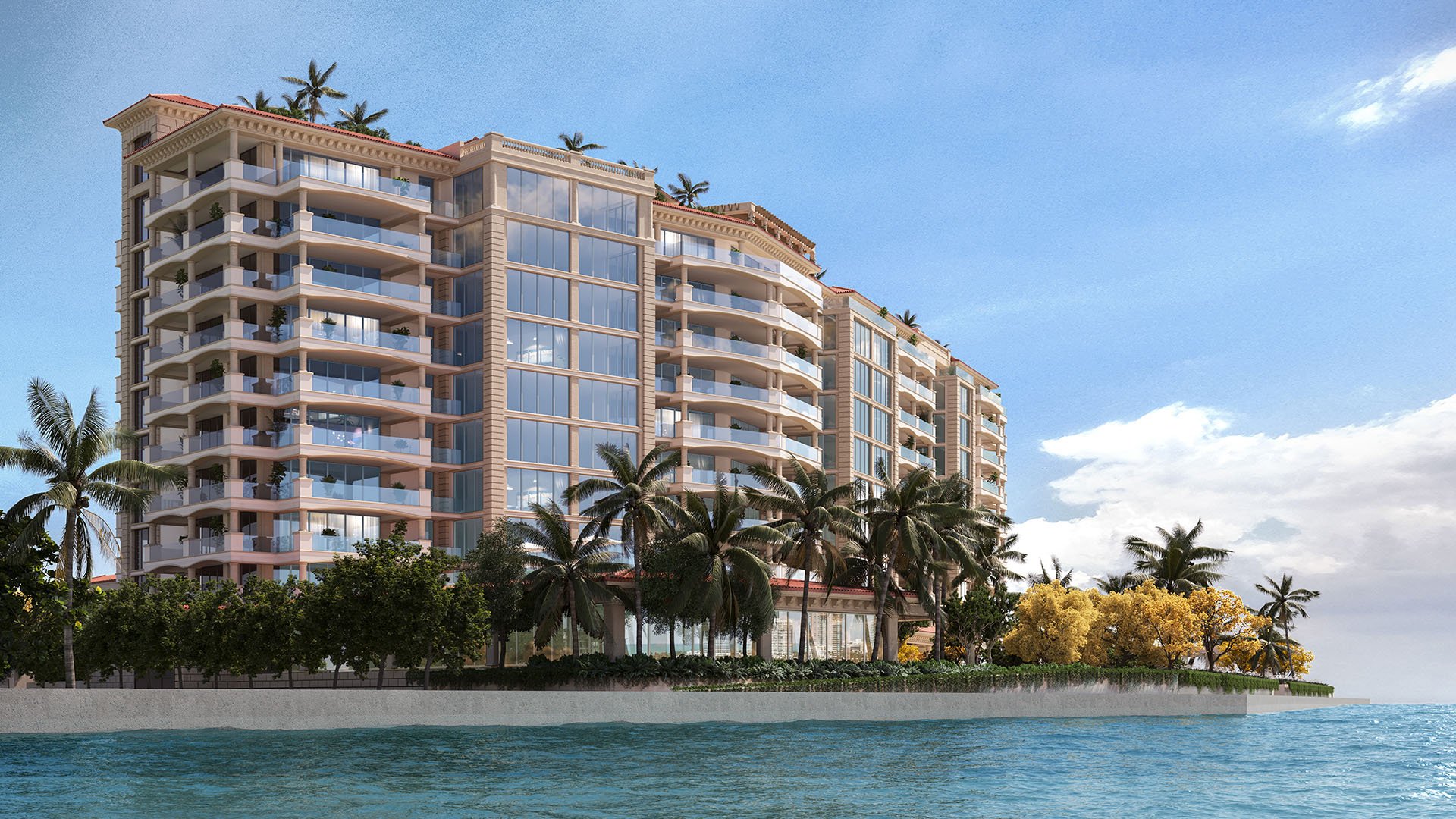
For a Zurich buyer considering Fisher Island as a primary-residence base, the purchase is only one part of the conversion. The larger decision is personal, financial, legal, and operational. A trophy address may signal intent, but residence is established through conduct: where family life is centered, where advisers coordinate, where personal records point, and where the owner’s daily rhythm is credibly anchored.
That distinction matters. South Florida’s luxury market is well acquainted with international second-home ownership, but primary-residence conversion is more deliberate. It requires planning before contracts are signed, before belongings are shipped, and before a family begins speaking casually about “moving to Miami.” For a Zurich household, the cleanest transition is usually designed as a sequence, not improvised around a closing date.
Fisher Island sharpens that discipline. It is private, self-contained, and deliberately discreet, which is precisely why global buyers are drawn to it. Yet privacy should not be mistaken for informality. Buyers who want the island to become their principal home should treat every step, from ownership structure to school calendars and healthcare relationships, as part of a coherent residence narrative.
A primary residence is not simply the most expensive property in a portfolio. It is the place that best reflects ordinary life. Advisers typically examine patterns rather than aesthetics: time spent, family presence, personal belongings, business conduct, banking, insurance, memberships, vehicles, voter or civic registrations where applicable, and the consistency of records.
For Zurich-based buyers, the first question is not “Which residence should we buy?” It is “What version of our life are we prepared to relocate?” A spouse who remains largely in Switzerland, children who continue schooling abroad, or a principal business operation that remains unchanged may all require careful analysis. None of these elements makes a move impossible, but each makes planning essential.
The most sophisticated buyers begin with a memorandum from their legal, tax, immigration, and wealth teams. That memorandum should outline the intended move, the timing, the property strategy, and the documents required to support it. It should also address what happens to the Zurich home, household staff, art, vehicles, banking relationships, and family office operations. Ambiguity is rarely elegant.
Fisher Island offers a particular kind of South Florida luxury: separation without isolation. Its appeal is not only waterfront living, but controlled access, privacy, service culture, and a residential environment that feels more like a private enclave than a conventional resort district. For buyers accustomed to Swiss order, discretion, and high-touch service, that combination can feel intuitive.
The island also allows different residential expressions. A buyer focused on new-generation design and private amenities may study The Residences at Six Fisher Island as part of a long-term primary-home strategy. A family looking for a more estate-like posture may evaluate The Links Estates at Fisher Island in the context of privacy, household staff, entertaining, and multi-generational stays.
Established residences also have a role. Palazzo del Sol speaks to buyers who want the feeling of a finished, mature island address rather than a purely speculative purchase. The right choice depends less on brand language than on whether the property can genuinely absorb the buyer’s daily life.
Before a purchase becomes emotional, the buyer should build a residence file. This private archive aligns the move across advisers. It may include passport and visa planning, entity charts, banking confirmations, insurance proposals, household employment plans, healthcare contacts, school or tutoring options, club memberships, shipping records, and a calendar of intended presence.
The purpose is not theatrics. It is consistency. If a Zurich buyer claims Fisher Island as home, the documents should tell the same story. Address changes should not be random. Insurance should reflect actual occupancy. Household services should support full-time living, not occasional use. If vehicles, art, wine, or collectibles are moving, the logistics should be timed with the residence plan.
A purchase contract should also be reviewed through this lens. Closing date, financing, title structure, inspection access, furniture packages, renovation permissions, and association approvals can all affect when a property becomes livable. A residence conversion does not begin when a press release circulates. It begins when the home can function.
International buyers often focus on privacy and asset protection, while advisers focus on tax, estate, reporting, lending, and succession. Those priorities are connected, but they are not always aligned. Choosing the ownership structure after identifying the residence can create delays, particularly when financing, trust planning, or family governance is involved.
The question is not whether an individual, trust, company, or other vehicle is “best” in the abstract. The question is which structure fits the buyer’s citizenship, family composition, wealth plan, reporting obligations, estate objectives, and intended use of the property. A structure designed for a vacation asset may be poorly suited to a primary residence.
This is where coordination matters. Swiss counsel, U.S. counsel, immigration counsel, private bankers, insurance advisers, and the real estate team should understand the same plan. If one adviser assumes the home is a seasonal pied-à-terre while another is preparing for a primary-residence conversion, the buyer has a governance problem, not merely a paperwork problem.
Primary residence is lived, not declared. A Zurich-to-Fisher Island transition should therefore include the quiet evidence of life: local physicians, household routines, recurring services, fitness and wellness appointments, family travel patterns, and social commitments. The goal is not to manufacture a record, but to ensure the record reflects reality.
Fisher Island can support this unusually well because the lifestyle is cohesive. Waterfront access, privacy, wellness, dining, and club-oriented routines can create a stable daily environment for owners who do not want the friction of a highly public neighborhood. For some buyers, that is the point: the move should feel secure, understated, and operationally simple.
Still, not every household will want island life every day. Some buyers compare Fisher Island with Miami Beach, where properties such as The Perigon Miami Beach offer a different relationship to the city, beach, and cultural calendar. Others prefer Brickell for finance, dining, and vertical convenience, with residences such as The Residences at 1428 Brickell serving a more urban routine. These comparisons are useful because residence planning should follow actual behavior, not a postcard image.
One of the most sensitive issues is the existing Zurich residence. Keeping it is not inherently incompatible with a Florida move, but its use should be addressed honestly. Will it remain available to the owner? Will it be leased? Will family members continue to live there? Will staff remain employed? Will vehicles, art, and personal effects stay in place?
The answers shape the residence narrative. A buyer can own homes in multiple places, but primary-residence conversion is weakened when the former home continues to look and function like the center of life. Advisers may recommend practical changes, including how the home is used, insured, staffed, and documented after the move.
The same applies to business presence. If the principal still runs daily affairs from Zurich, travels there constantly, and keeps executive functions there, advisers will need to evaluate the implications. The real estate decision should not outrun that analysis.
Fisher Island transactions require patience and privacy. Buyers should expect a more relationship-driven process than a standard urban condominium purchase. Proof of funds, advisory coordination, association protocols, and closing logistics should be prepared before serious negotiation begins.
The strongest buyers are not necessarily the loudest bidders. They are the ones who can perform cleanly, respect confidentiality, and make decisions through a prepared advisory framework. For a primary-residence conversion, speed is useful only when the architecture behind the move is already in place.
This is also where buyer’s-guide thinking becomes practical: define the life first, then the residence, then the transaction. Fisher Island is compelling, but it should be chosen because it supports the buyer’s intended center of gravity.
Is buying on Fisher Island enough to establish primary residence? No. The purchase is important, but advisers typically focus on the broader pattern of life and documentation.
Should Zurich buyers assemble advisers before making an offer? Yes. Legal, tax, immigration, banking, insurance, and real estate advisers should be aligned before contract execution.
Can a buyer keep a Zurich home after moving to Fisher Island? Potentially, but its use, staffing, insurance, and availability should be reviewed as part of the residence plan.
Does the ownership structure matter for a primary residence? Yes. Structure can affect estate planning, financing, reporting, privacy, and family governance.
Is Fisher Island better suited to full-time or seasonal living? It can serve either profile, but primary-residence buyers should ensure the property supports daily routines, not just holidays.
When should shipping, art, and household staffing be planned? Early. Logistics should be coordinated with closing, insurance, occupancy, and the buyer’s residence timeline.
Should families compare Fisher Island with Miami Beach or Brickell? Yes. The right primary residence should match actual daily behavior, schools, work patterns, and social life.
What makes waterfront living relevant to residence conversion? Waterfront amenities can support a stable lifestyle, but they matter only if they fit the owner’s ordinary routine.
Can a pre-construction purchase support a residence conversion? It can be part of the plan, but buyers need interim housing and a clear timeline for when the home becomes usable.
What is the most common mistake in a Zurich-to-Fisher Island move? Treating the property as the plan. The residence strategy should lead the purchase, not follow it.
When you're ready to tour or underwrite the options, connect with MILLION.
If branded residences are on your mind — as a home or as an allocation — we would be glad to share what we are seeing, privately.
Begin a quiet conversation