A mature-tower look at Jade Ocean Sunny Isles Beach through the lens that matters most to owners: arrival, elevators, amenity rhythm, glass-facing interiors, coastal upkeep, and seasonal occupancy. The result is a buyer-oriented read on lifestyle polish and practical performance.
Jade Ocean Sunny Isles Beach is no longer best understood through the idealized language of launch renderings. Its value is now measured in daily performance: how arrival feels on an ordinary weekday, how shared spaces hold up during winter occupancy, how efficiently residents move from residence to sand, and how the building’s glass-forward architecture performs after years of coastal exposure.
That distinction matters in Sunny Isles Beach, where the luxury corridor along Collins Avenue has evolved from a lower-rise resort strip into a dense skyline of residential towers. Jade Ocean sits squarely within that shift. It is a luxury condominium organized around oceanfront high-rise living, panoramic Atlantic views, and resort-style residential services, not a hotel-style short-stay premise. For the buyer comparing established towers with newer offerings such as Jade Signature Sunny Isles Beach or The Ritz-Carlton Residences® Sunny Isles, the question is not simply which building photographs better. It is which building works better as a private home.
The first livability test is arrival. In an oceanfront tower, the valet court, lobby sequence, staff attentiveness, and elevator cadence form the daily threshold between city and residence. A polished lobby can impress once; residents feel operational quality every time groceries arrive, guests come for dinner, or several households return from the beach at the same hour.
At Jade Ocean, that means looking beyond surface finishes and asking how the building manages its own rhythm. Are staff visible and composed during peak periods? Does the elevator experience feel residential rather than transient? Is parking handled with the discretion expected at this tier? These are not cosmetic questions. They define whether vertical beachfront living feels effortless or merely dramatic.
Weekdays and winter-season weekends should be evaluated separately. A quiet midweek morning may show the elegance of the building at rest. A peak seasonal afternoon reveals how well the infrastructure absorbs demand from full-time owners, seasonal residents, international buyers, family guests, deliveries, service providers, and beach traffic.
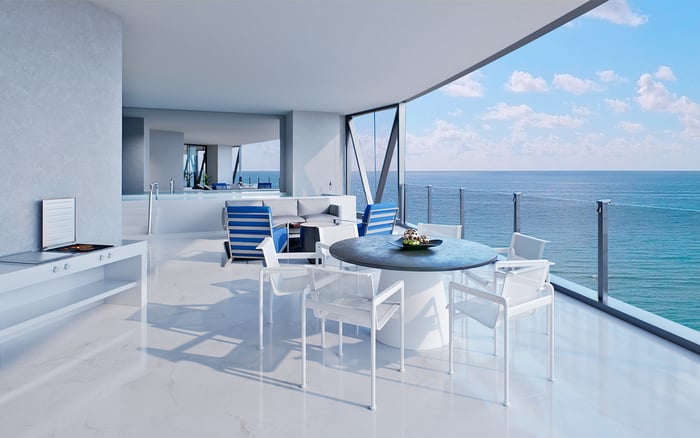
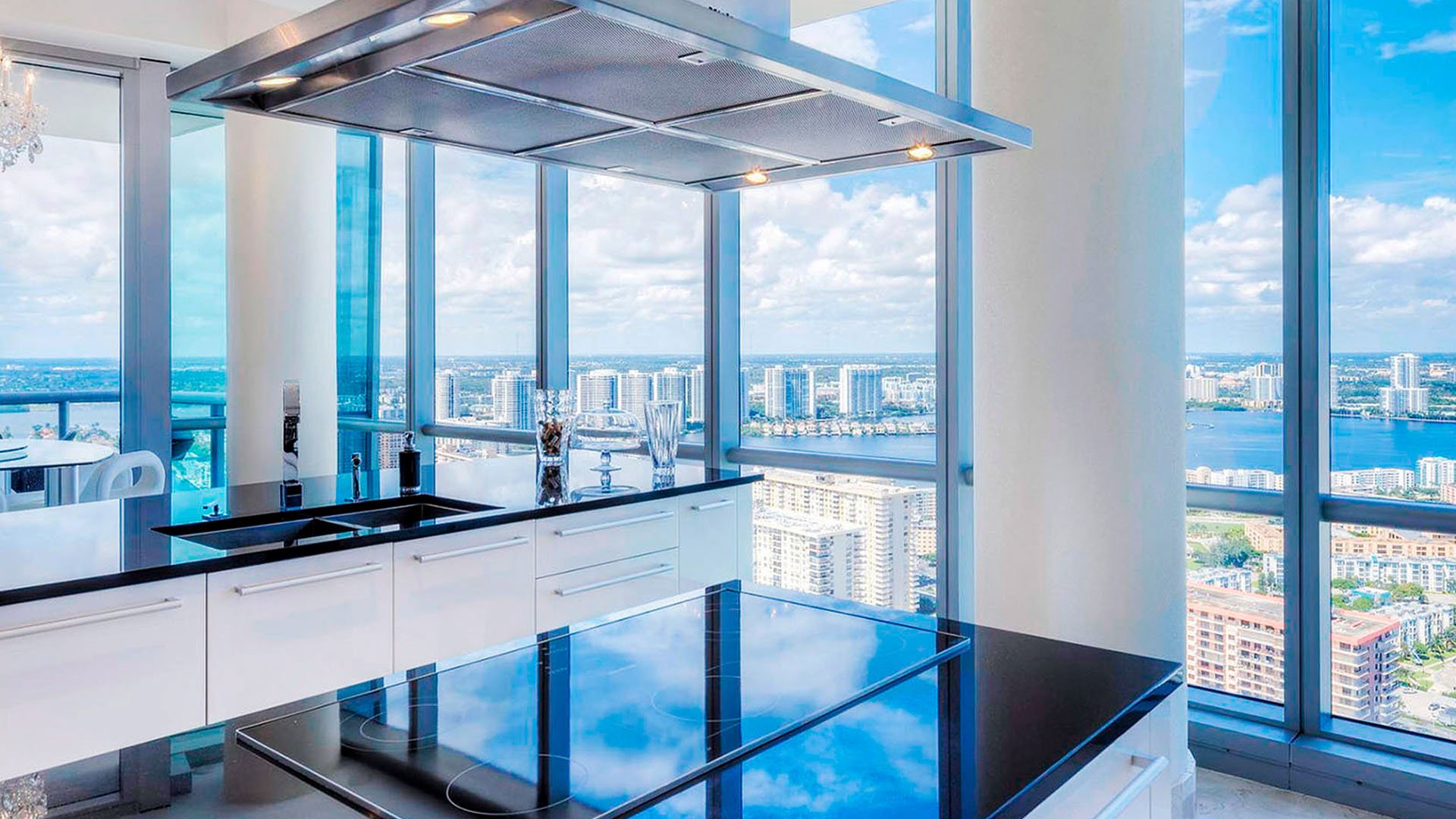
Jade Ocean’s identity is inseparable from glass and the Atlantic. The architecture frames water, sky, and horizon as part of the daily interior experience. For many owners, that is the core emotional proposition: waking above the ocean, living with shifting light, and entertaining against a panoramic coastal backdrop.
But glass architecture is never only visual. It shapes heat gain, privacy, glare, furniture placement, window treatments, and maintenance expectations. Buyers should study how a specific residence handles morning brightness, afternoon comfort, and neighboring sightlines. A view corridor that feels cinematic in photography can feel different when measured against day-to-day privacy and sun exposure.
Oceanfront conditions also require a practical ownership mindset. Salt air, storm risk, exterior maintenance, and building systems are part of the long-term conversation. The appeal is real, but so is the discipline required to preserve it. That is true at Jade Ocean Sunny Isles Beach and across comparable coastal towers such as Armani Casa Sunny Isles Beach, where glass, water, and service all converge.
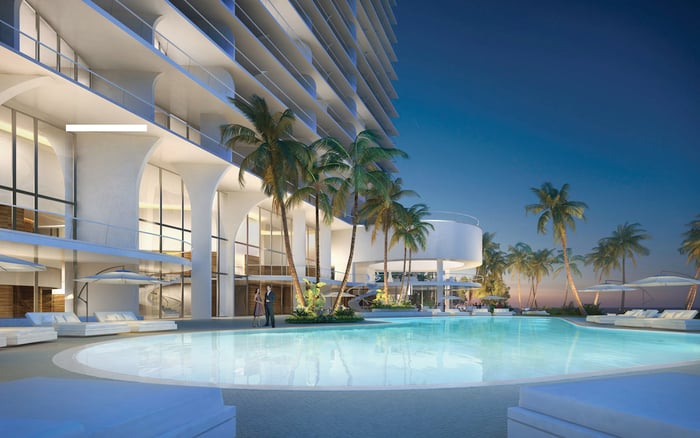
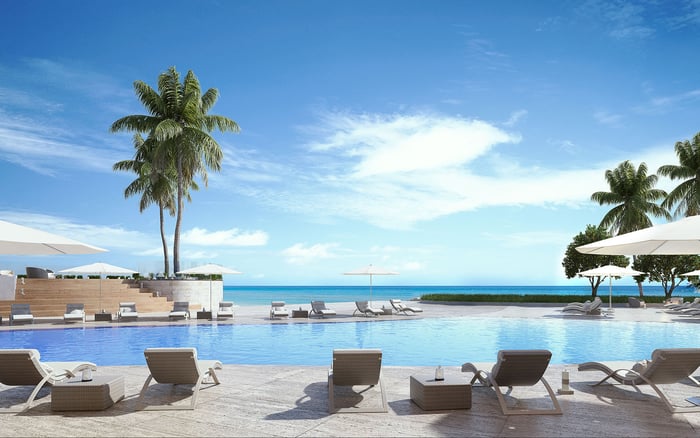
Resort-style residential services are a key part of Jade Ocean’s value proposition, but amenities should be judged by usability rather than brochure breadth. A pool deck matters most at the hours residents actually want to use it. Beach access matters most when families are moving with towels, strollers, guests, and service staff. Fitness, spa, lounge, and shared spaces matter most when seasonal demand is high.
The practical beach-access question is not whether the ocean is close. It is whether the transition from residence to sand feels graceful, secure, and well managed. The same applies to the pool. A beautiful deck can underperform if chair availability, shade, service coordination, or circulation feels strained during peak occupancy.
This is where mature buildings reveal themselves. Wear patterns, replacement cycles, staff protocol, and association priorities become visible in small ways. Are corridors fresh? Are common areas cared for consistently? Do amenity spaces feel actively managed? Daily livability is often found in these details, not in the grandest rendering.
Sunny Isles Beach has a layered resident base. Full-time owners, seasonal residents, and international buyers often use the same building differently. Jade Ocean’s strongest moments may be calm weekday mornings, when the tower feels private and composed. Its most demanding moments may arrive during winter weekends, holidays, and high-occupancy periods.
A serious buyer should experience both. Visit during a quiet hour, then return when the building is active. Watch the lobby, valet, elevators, pool, and beach path. Notice whether the service culture remains consistent. Notice whether the building still feels residential when many residents and guests are present at once.
That seasonal contrast is also relevant when comparing Sunny Isles options such as Turnberry Ocean Club Sunny Isles or other high-service towers. In this market, luxury is not only what is provided. It is how well those provisions function under pressure.
For high-net-worth buyers, the glamorous part of Jade Ocean is obvious: oceanfront living, Atlantic views, resort-style services, and the convenience of a self-contained residential environment. The quieter layer is governance. Association operations, reserves, insurance pressures, capital-maintenance planning, and long-term building upkeep should be part of any purchase conversation.
This is not a caution against the building. It is the normal diligence of coastal luxury ownership. A glass oceanfront tower needs disciplined maintenance and clear priorities. Buyers should understand how shared spaces are funded, how future work may be planned, and how the association approaches the tension between lifestyle polish and building preservation.
The surrounding Sunny Isles infrastructure matters as well. Jade Ocean offers a self-contained daily experience, but residents still depend on Collins Avenue circulation, nearby services, restaurant access, school and airport routines, and the broader rhythm of the city. Some buyers still file the market mentally as Sunny Isles, but the real decision is more nuanced: which exact tower, which exact line, and which daily pattern fit the owner’s life.
Jade Ocean remains a study in vertical beachfront living. Its strength is not merely that it faces the Atlantic, but that it packages the view into a residential lifestyle with services, shared spaces, and immediate access to sand. The buyer who will appreciate it most is not looking for novelty alone. They are looking for a mature oceanfront environment whose daily systems support privacy, ease, and visual drama.
In buyer shorthand, the relevant filters are lifestyle, oceanfront, beach access, and Sunny Isles Beach. The deeper assessment is more personal: how the residence handles light, how the building handles people, and how ownership responsibilities align with the pleasure of living on the water.
Is Jade Ocean a residential condominium rather than a hotel-style concept? Yes. Jade Ocean is best understood as a luxury residential condominium focused on oceanfront high-rise living.
What makes Jade Ocean’s architecture distinctive for daily living? Its glass-forward identity and direct Atlantic setting create strong views and light, while also raising privacy, heat, and maintenance considerations.
Why should buyers evaluate weekday and seasonal weekend use separately? Valet, elevators, amenities, and beach access can feel very different when seasonal occupancy and guest traffic increase.
Is beach access central to Jade Ocean’s appeal? Yes. The building’s lifestyle proposition is closely tied to direct beachfront living and the ease of moving between residence and sand.
What operational details matter most in a mature tower? Staff consistency, elevator flow, parking, amenity management, shared-space upkeep, and association planning are central to livability.
How should buyers think about the glass and ocean exposure? The views are a major advantage, but salt air, storm risk, glare, heat gain, and exterior upkeep should be part of due diligence.
Who typically considers a building like Jade Ocean? The audience often includes full-time owners, seasonal residents, and international buyers seeking a polished Sunny Isles Beach base.
Does Jade Ocean function as a self-contained lifestyle address? Largely yes, although residents still rely on the surrounding Sunny Isles Beach infrastructure for daily routines beyond the tower.
What should a buyer review before purchasing? Beyond the residence itself, review association governance, reserves, insurance pressures, maintenance planning, and shared-space condition.
What is the best way to judge Jade Ocean today? Judge it by daily performance: arrival, movement, service, amenity usability, coastal upkeep, and how the home feels in real occupancy.
For a confidential assessment and a building-by-building shortlist, connect with MILLION.
If branded residences are on your mind — as a home or as an allocation — we would be glad to share what we are seeing, privately.
Begin a quiet conversation