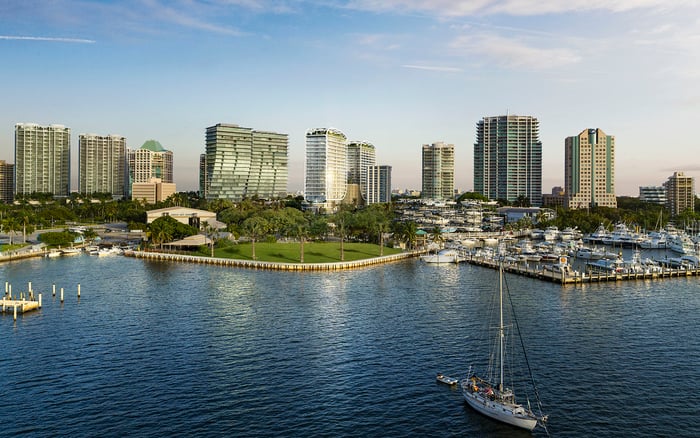
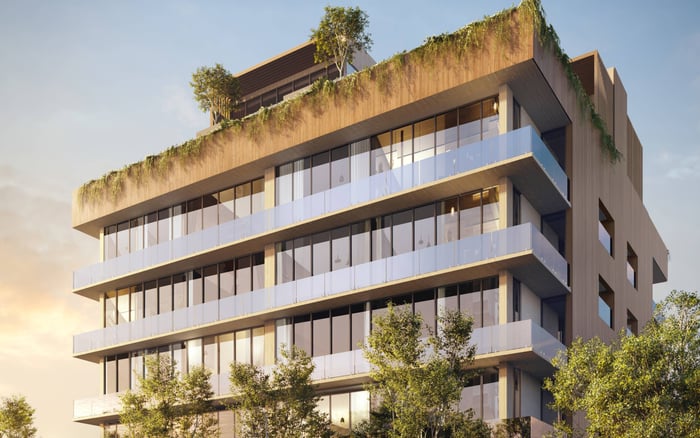
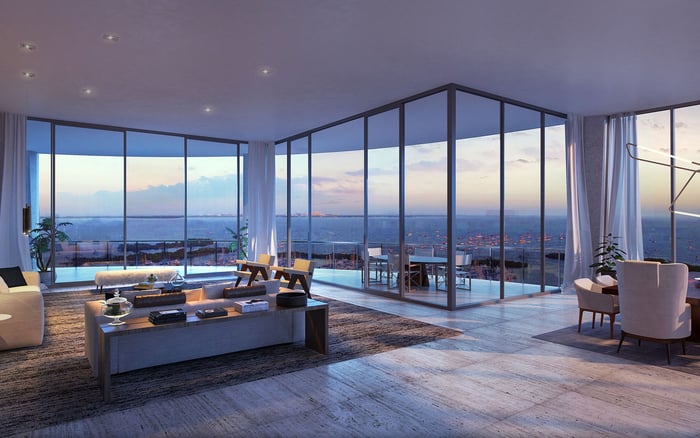
A buyer-focused editorial guide to comparing Coconut Grove and Bay Harbor Islands through the lens of view-corridor risk, lifestyle resilience, and discreet luxury due diligence.
For South Florida’s most discerning residential buyers, a beautiful view is no longer a simple photograph from the terrace. It is an investment variable, a daily-life amenity, and a measure of what may eventually happen beyond the glass. That is why view-corridor risk has become a more exacting conversation when comparing Coconut Grove with Bay Harbor Islands.
The issue is not whether a residence has a water view today. The sharper question is how much of that outlook is defensible, how much depends on neighboring parcels, and how the home would perform if the foreground changed. In a market where lifestyle, privacy, architecture, and outdoor space all contribute to value, the best buyers are no longer paying for a view alone. They are paying for the durability of the experience.
This changes how Coconut Grove and Bay Harbor Islands are evaluated. Coconut Grove may appeal to a buyer who wants a layered residential setting, with the view as one element within a broader daily rhythm. Bay Harbor Islands may appeal to a buyer who wants boutique scale, waterfront proximity, and a quieter island mood, while recognizing that adjacency diligence can be especially important.
In Coconut Grove, the view-corridor conversation often begins with a broader question: if the outlook changed, would the residence still feel special? For many Grove buyers, the answer may rest in the combination of canopy, architecture, walkability, privacy, and the feeling of being in one of Miami’s most established residential enclaves. A terrace view matters, but it may not be the only reason a buyer chooses the address.
That is why a buyer considering Arbor Coconut Grove might frame diligence differently from a buyer pursuing a pure trophy panorama. The questions become intimate and practical. How does the home receive light? Is the outdoor space enjoyable at different times of day? Does the plan feel private even if the surrounding context evolves?
At the upper end, buyers considering Four Seasons Residences Coconut Grove may be evaluating more than exposure. They may be weighing service, design language, the feeling of arrival, and the long-term usefulness of the residence for family, guests, and seasonal living. When the premium is supported by multiple forms of value, view-corridor risk becomes easier to contextualize.
Coconut Grove can also attract buyers who want emotional texture. The area’s appeal is often tied to a sense of place, not simply a sightline. That does not eliminate risk. It simply changes the hierarchy of concerns.
Bay Harbor Islands presents a different buyer psychology. Here, the appeal may be quieter, more compact, and more closely tied to water, privacy, and a low-key residential pace. For some buyers, the setting feels less urban than Miami’s larger condominium corridors, yet still connected to the broader luxury map of the coast.
That intimacy is part of the attraction, but it can also make view-corridor diligence feel more personal. If a residence is selected for its water orientation, sense of openness, or relationship to neighboring parcels, the buyer should understand exactly what is being purchased. Is the premium tied to a direct water relationship, a lateral outlook, a rooftop perspective, or simply the feeling of light and distance?
A buyer studying Alana Bay Harbor Islands may ask how the residence would live if the immediate visual field changed. The same is true for a buyer comparing boutique options such as Bay Harbor Towers. The most sophisticated decision is not driven by fear of change. It is grounded in knowing which parts of the experience are essential and which are secondary.
Bay Harbor Islands can reward buyers who value scale, calm, and a more residential mood. The diligence burden is simply different. A waterfront outlook may be central to the purchase, so confidence around that outlook deserves careful review before the premium is accepted.
View-corridor risk should not automatically disqualify a residence. Instead, it should refine the price conversation. A buyer can love a home and still ask whether the asking premium assumes a permanence that has not been tested. The goal is not to negotiate from pessimism. It is to separate what is certain from what is hoped for.
There are three distinct forms of value to consider. The first is intrinsic value: floor plan, ceiling height, terrace usability, materials, privacy, and services. The second is neighborhood value: whether the area itself supports the lifestyle, even if the view becomes less dramatic. The third is outlook value: the specific premium attached to water, skyline, garden, or open-sky exposure.
In Coconut Grove, the first two categories may carry more of the argument for some buyers. In Bay Harbor Islands, the third category may require closer scrutiny when the residence is primarily chosen for outlook. Neither approach is better. They simply create different due-diligence priorities.
A practical buyer should ask the same question in both locations: what would I still love about this home if the view were moderated? If the answer is immediate and specific, the purchase may be more resilient. If the answer is thin, the buyer may be paying for a single variable.
The most useful view-corridor diligence is not dramatic. It is methodical. Buyers should review the surrounding context, discuss potential changes with qualified advisers, and understand the difference between a protected feeling and a protected right. In luxury real estate, those are not the same thing.
Terrace orientation matters. So do balcony depth, the angle of the principal rooms, the height relationship to nearby buildings, and the quality of secondary exposures. A residence with only one celebrated view may feel more vulnerable than a residence with several pleasing outlooks, even if none is individually cinematic.
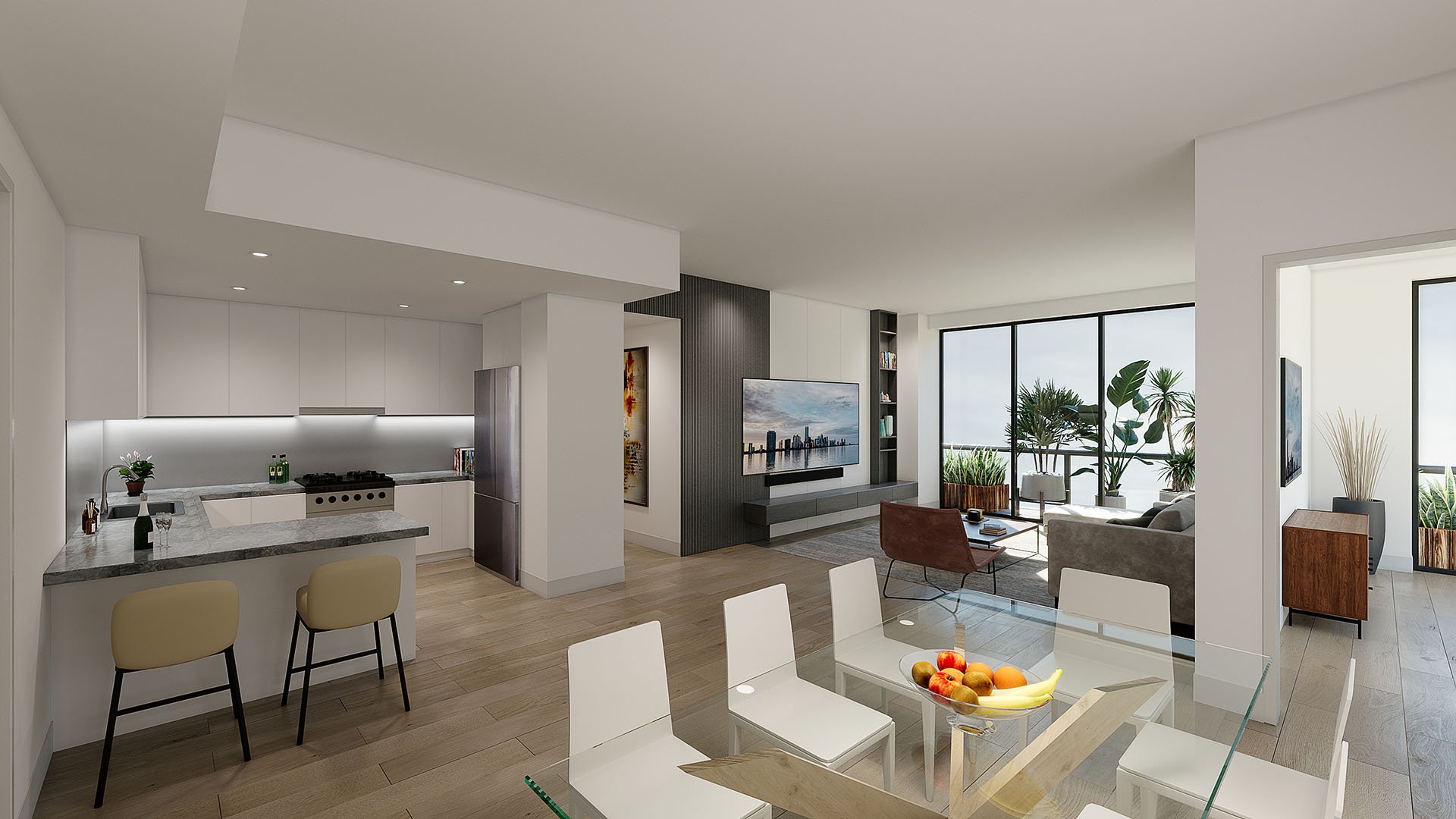
Buyers should also consider how the home photographs versus how it lives. A spectacular frame from one corner of a room can be seductive, but daily life is experienced from the kitchen, the primary suite, the breakfast table, and the terrace seating area. The best homes do not depend on a single viewing position.
This is where projects such as The Well Coconut Grove enter the conversation for lifestyle-oriented buyers. If wellness, privacy, and design are central to the purchase, the view becomes part of a more complete residential proposition rather than the entire thesis.
The choice between Coconut Grove and Bay Harbor Islands should begin with how the buyer defines permanence. For one buyer, permanence means a neighborhood that continues to feel emotionally right even as the skyline evolves. For another, it means a specific water relationship that must be studied carefully before value is assigned.
Coconut Grove may suit the buyer who wants a layered address, where design, greenery, lifestyle, and quiet prestige help support the purchase beyond the view. Bay Harbor Islands may suit the buyer who wants a boutique island sensibility and is willing to be especially exacting about the sightline, neighboring context, and the premium attached to openness.
The most elegant answer is rarely absolute. It is personal. View-corridor risk does not make one market superior to the other. It makes the buyer more disciplined, and in the luxury segment, discipline is its own form of taste.
What is view-corridor risk? It is the possibility that a current outlook could change because of future development, landscaping, or other surrounding conditions.
Does view-corridor risk matter more for waterfront homes? It often matters most when a buyer is paying a clear premium for water, skyline, or open-space exposure.
Is Coconut Grove safer from view risk than Bay Harbor Islands? The answer depends on the specific residence, exposure, and surrounding context, not simply the neighborhood name.
How should a buyer price an uncertain view? Separate the value of the residence itself from the premium attached to the view, then decide how much risk is acceptable.
Can a lower-floor residence be a better choice? Yes, if its privacy, plan, and lifestyle value are strong enough that the purchase does not rely on a single outlook.
What should be reviewed before contract? Buyers should study neighboring parcels, sightlines, terrace orientation, and any available professional guidance on future context.
Are project renderings enough to judge a view? No. Renderings can be useful, but buyers should evaluate actual orientation, surroundings, and how the home will live day to day.
Why might Coconut Grove appeal despite view questions? Some buyers value Coconut Grove for its broader residential atmosphere, design character, and lifestyle beyond the terrace view.
Why might Bay Harbor Islands still be compelling? Bay Harbor Islands can offer a quieter boutique feeling, especially for buyers who carefully understand the outlook they are buying.
Should view-corridor risk stop a luxury purchase? Not necessarily. It should make the buyer more precise about value, resilience, and what truly matters in daily living.
For a tailored shortlist and next-step guidance, connect with MILLION.
If branded residences are on your mind — as a home or as an allocation — we would be glad to share what we are seeing, privately.
Begin a quiet conversation