A buyer-oriented look at how Ziggurat Coconut Grove can use architectural identity, neighborhood context, and memorability to strengthen long-term desirability in Coconut Grove.
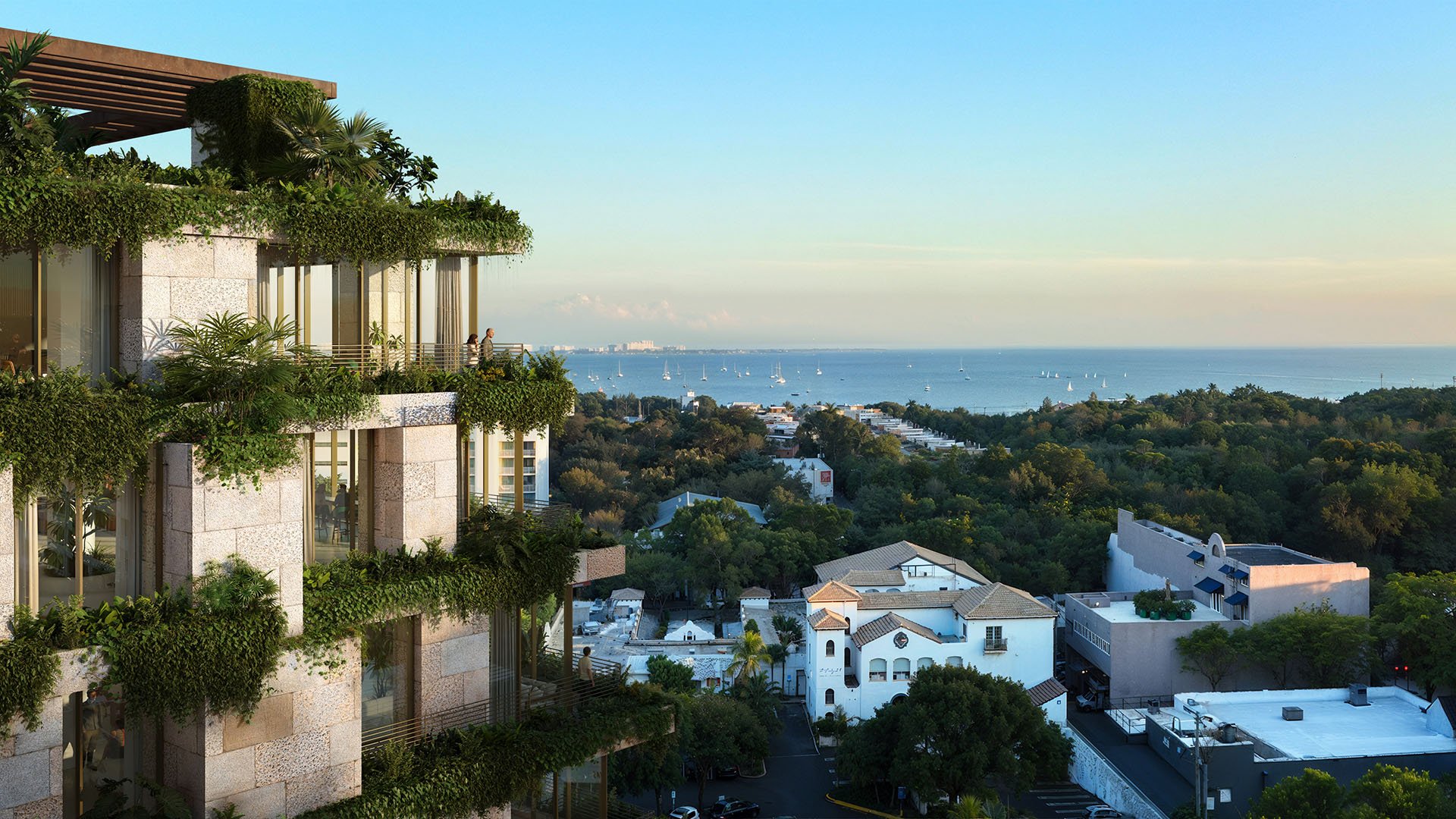
In South Florida luxury real estate, desirability is rarely built on square footage alone. The most memorable residences tend to offer something more durable: a clear point of view. That may emerge through setting, name, design language, lifestyle promise, or the feeling a buyer carries after a first private tour. For Ziggurat Coconut Grove, the opportunity begins with identity.
The project is framed within Coconut Grove, a neighborhood where luxury buyers often seek atmosphere as much as address. Grove buyers are typically not looking only for height, spectacle, or immediate visibility. They are often drawn to intimacy, greenery, walkability, privacy, and architectural character that feels personal rather than generic. In that context, Ziggurat Coconut Grove has a name that already signals intention.
The word “Ziggurat” carries architectural resonance without reducing the project to any single unverified design claim. It suggests a residence meant to be remembered. In a market filled with polished renderings and familiar amenity language, memorability can become its own form of luxury.
A luxury residence with a distinct identity has an advantage before a buyer reaches the floor plan conversation. It creates a mental shorthand. Rather than being remembered as another new option in Coconut Grove, a project with a strong name and point of view can occupy a more specific place in the buyer’s mind.
That matters because luxury buyers often compare many possibilities across long decision cycles. Some may be local families seeking a more refined version of Grove living. Others may be out-of-area buyers who know the neighborhood by reputation but need a clear reason to prioritize one building over another. Architectural identity helps turn an option into a reference point.
This does not mean identity alone creates financial performance, nor does it imply resale premiums or faster absorption for any specific project. Those outcomes require evidence over time. But identity can support the conditions that make a residence easier to discuss, revisit, and recognize. In luxury real estate, that recognition carries weight.
Coconut Grove has long appealed to buyers who prefer a more layered lifestyle than the typical high-gloss coastal formula. The Grove’s appeal is not only visual. It is experiential. Buyers consider how a residence feels on a quiet morning, how it relates to mature surroundings, and whether it seems compatible with the neighborhood’s rhythm.
That is why architectural identity can be especially important here. A project that feels anonymous may struggle to earn emotional loyalty, even if it is well appointed. A project that feels too forceful can miss the understated tone many Grove buyers value. The strongest positioning usually sits between distinction and restraint.
Within the broader Coconut Grove conversation, projects such as Arbor Coconut Grove, The Well Coconut Grove, and Four Seasons Residences Coconut Grove show how varied the neighborhood’s luxury vocabulary can be. Each name enters the buyer’s mind differently. Ziggurat Coconut Grove’s task is not to imitate that field, but to be clear within it.
For many buyers, the language around a new residence also touches investment discipline, terrace living, and the quiet confidence associated with a Coconut Grove setting. Those ideas should be handled carefully. The most persuasive luxury positioning is never simply a collection of labels. It is a coherent promise that the finished residence must be able to sustain.
The best architectural identities tend to age better than trend-driven gestures. A name, concept, or design attitude that feels overly tied to a moment can lose energy as buyer tastes evolve. By contrast, a clear but disciplined identity can remain relevant because it is not dependent on novelty alone.
For Ziggurat Coconut Grove, the enduring question is not whether the name is distinctive. It is whether the full residential experience ultimately supports the name’s ambition. Buyers will want the architecture, arrival sequence, residences, amenities, service model, and neighborhood presence to feel aligned. When those elements are consistent, identity becomes more than branding. It becomes a lived experience.
This is particularly important for owners who think beyond an initial purchase. Long-term desirability is shaped by how a building is remembered after the first sales cycle, how residents speak about it, and how future buyers understand its place in the neighborhood. A strong architectural identity can help, but only when matched by quality, discretion, and execution.
Because publicly available project-specific details are limited, buyers should approach Ziggurat Coconut Grove with a disciplined set of questions. The first is whether the project’s architectural identity feels authentic rather than decorative. Does the name connect to the experience being presented? Does the residence feel like it belongs in Coconut Grove? Does the project offer a sense of privacy, calm, and permanence that aligns with the neighborhood’s luxury buyer profile?
The second question is practical. Buyers should review verified details such as residence mix, pricing, delivery timing, design team, amenities, views, parking, service, and ownership terms when those items are available through appropriate channels. A distinctive identity may begin the conversation, but the purchase decision should rest on concrete information.
The third question is comparative, but not in a superficial way. A buyer considering The Lincoln Coconut Grove or Opus Coconut Grove may be responding to different ideas of Grove living. The right comparison is not simply which project is more visible. It is which one best aligns with the buyer’s daily life, privacy expectations, design sensibility, and time horizon.
The most compelling thesis for Ziggurat Coconut Grove is conceptual but powerful: in a crowded luxury market, architectural identity can help a project become easier to remember, easier to describe, and potentially more resilient in the buyer’s imagination. That is not the same as a guaranteed market outcome. It is a positioning advantage that must be proven through execution.
For Coconut Grove, this distinction matters. The neighborhood does not need every new residence to shout. It rewards nuance. A project can be memorable without being loud, recognizable without being ostentatious, and contemporary without severing itself from the area’s softer residential character.
If Ziggurat Coconut Grove can translate its name into a coherent living experience, it may stand as an example of how identity contributes to long-term desirability. Not through hype, but through recognition, restraint, and the quiet confidence sophisticated buyers tend to remember.
What is Ziggurat Coconut Grove? Ziggurat Coconut Grove is a residential project positioned within Coconut Grove. Its strongest currently supported discussion point is its architectural identity and neighborhood context.
Why does the name matter? The name gives the project a memorable identity cue. In luxury real estate, that recognition can help a residence stand apart in a buyer’s mind.
Does architectural identity guarantee long-term value? No. Identity may support desirability, but long-term value depends on execution, ownership experience, market conditions, and verified project details.
Is there a verified street address for Ziggurat Coconut Grove? A verified street address is not included in the available project information for this article. Buyers should confirm address details directly before making decisions.
Are pricing and residence details available? Verified pricing, residence count, floor count, delivery timing, developer, architect, and sales status are not included in the available information used here.
Why is Coconut Grove important to the project story? Coconut Grove shapes buyer expectations for privacy, character, restraint, and lifestyle. A project’s identity must feel compatible with that setting.
Should buyers compare Ziggurat Coconut Grove with other Grove projects? Yes, but comparisons should focus on lifestyle fit, verified specifications, design sensibility, and long-term ownership goals rather than surface-level branding.
Is Ziggurat Coconut Grove best viewed as a boutique project? That label should not be applied unless verified project details support it. Buyers should evaluate scale and exclusivity once confirmed information is available.
How should a buyer with a modern design preference approach the project? Buyers seeking a modern residence should assess whether the design, finishes, services, and daily experience ultimately match that preference.
What is the main takeaway for buyers? Ziggurat Coconut Grove’s appeal begins with a distinctive identity, but the final purchase case should be built on verified details and personal fit.
When you're ready to tour or underwrite the options, connect with MILLION.
If branded residences are on your mind — as a home or as an allocation — we would be glad to share what we are seeing, privately.
Begin a quiet conversation