A discreet buyer’s guide to choosing between eastern morning light and western sunset drama in Miami condos, with attention to lifestyle, glare, terraces, skyline context, and resale-minded flexibility.
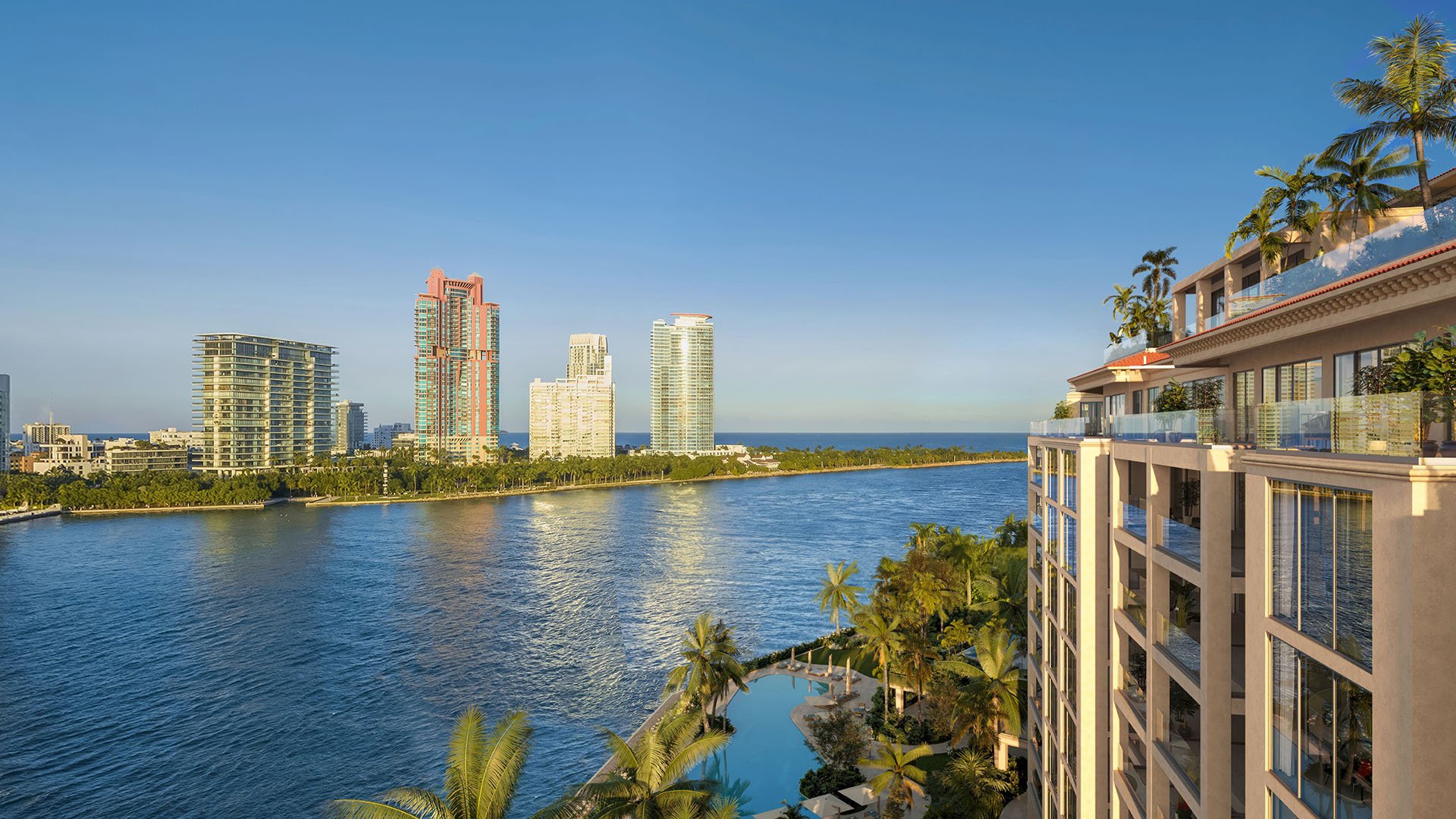
In Miami condo buying, exposure is often considered too late. Buyers fall for a view, a floor plan, or a building name, then discover that the real daily experience is governed by the sun. Morning light and sunset drama are not simply aesthetic preferences. They shape how a residence wakes up, how it entertains, how art reads on the wall, how a terrace feels, and which rooms become the true center of the home.
For a South Florida buyer, the right exposure begins with honesty. Are you most alive at breakfast, when the city is still quiet and the water has a silver cast? Or do you want the home to peak at cocktail hour, when the sky warms and the skyline begins to perform? A beautifully planned condo can serve either mood, but it rarely serves both in the same way unless the residence has multiple orientations or a flow-through plan.
East-facing residences often appeal to buyers who value a serene start. Morning light brings a fresher quality to bedrooms, breakfast areas, and workspaces. It can make a primary suite feel composed before the day gathers speed, and it suits owners who use their terrace early, read with coffee, or keep a disciplined wellness routine.
The appeal is not only visual. A home that receives its strongest direct light earlier in the day may feel more predictable for owners who prefer quieter afternoons. The mood is polished rather than theatrical. It is especially compelling for those who want the ocean, bay, or city to appear luminous without requiring the full intensity of late-day sun.
In an oceanfront setting, the east view can feel elemental: horizon, water, and sky. Yet the buyer should still study the exact line of sight. A lower floor may deliver intimacy with palms, dunes, or neighboring architecture, while high floors can shift the experience toward breadth and abstraction. Compass direction is only the beginning.
West-facing exposure is the choice for buyers who want the home to become more expressive as the day closes. Sunset light can turn dining rooms, lounges, and terraces into evening stages. It gives the city a warmer palette and can make skyline views feel layered, especially when reflections appear on glass towers and water.
This exposure often suits owners who entertain after work, host dinners, or want the residence to deliver a sense of arrival at day’s end. It can also appeal to collectors who enjoy rooms that change character through the afternoon. The tradeoff is that late-day sun requires close attention to glazing, window treatments, interior materials, and the orientation of primary seating areas.
A western view is not automatically better because it is dramatic. For some buyers, the drama becomes too assertive in rooms meant for quiet. For others, it is precisely the emotional signature they want. The question is whether the residence should soothe you into the day or reward you at the end of it.
Miami exposure is shaped by more than east and west. Neighboring towers, waterfront setbacks, bridges, parks, and future development corridors can all alter how light enters a home. A residence may be nominally east-facing yet receive filtered morning light because of nearby massing. Another may face west but enjoy a softer experience because the principal rooms are angled or shaded by architectural elements.
This is particularly relevant in Brickell, where tower placement and urban adjacency can matter as much as the compass. A buyer considering The Residences at 1428 Brickell should ask how the preferred line of sight behaves from the actual residence, not simply from the building’s marketing view. The same discipline applies across the city: identify the room you will use most, then judge the exposure from that room.
In Edgewater, a buyer studying Aria Reserve Miami might weigh bay orientation, skyline backdrop, and terrace usability as a single composition. The most successful purchase is rarely the brightest unit on paper. It is the one whose light supports the life planned inside it.
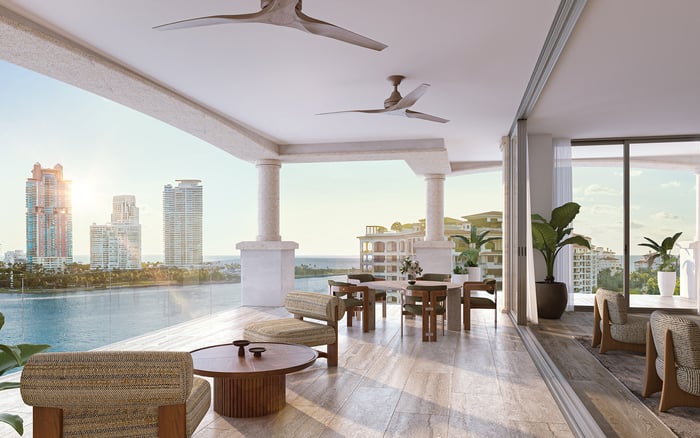
A balcony can transform an exposure, but only if it is usable when the light is strongest. Depth, overhang, railing transparency, and furniture placement all matter. A dramatic sunset terrace that is too intense at the precise hour you want to use it may become a view corridor rather than an outdoor room. Conversely, an east-facing terrace may become a daily ritual space because it is comfortable when the day begins.
Glass also changes the equation. Full-height windows can magnify light, reflections, and heat gain, while deeper overhangs or shaded loggias may temper the experience. Interior design should be considered before closing, not afterward. Pale stone, lacquer, metal, and large-scale art will respond differently to direct sun than textured woods, matte plaster, or layered textiles.
The most practical test is simple: imagine the first hour you are home on a weekday and the first hour you host guests on a weekend. If the same exposure supports both, you may have found a rare fit. If not, decide which moment matters more.
On Miami Beach, exposure often carries an emotional dimension because water, sand, and sky create a powerful sense of place. A residence such as The Perigon Miami Beach invites a buyer to think beyond brightness and ask how the home should feel in quiet hours, social hours, and seasonal use. The correct answer may be different for a primary residence than for a second home.
In Sunny Isles, vertical living and open views can make the exposure decision feel even more consequential. Buyers evaluating Bentley Residences Sunny Isles should consider whether the residence is meant to frame the Atlantic, the Intracoastal, the skyline, or a combination of moods. A single home can be luxurious and still be wrong for a buyer’s daily rhythm.
This is where restraint pays. Do not buy the sunset if you are rarely home for it. Do not buy the sunrise if your evenings are the heart of your household. The right exposure is not the one that photographs best. It is the one that repeatedly feels inevitable.
Before committing, visit at more than one time of day whenever possible. Stand in the primary bedroom, the kitchen, the main seating area, and the terrace. Notice glare, shadows, privacy, and how long you want to remain in each space. If a room feels beautiful but not restful, identify why. If a view is quieter than expected but makes the plan more livable, do not dismiss it.
Ask how window treatments will be integrated, where the television or art will sit, and whether the terrace furniture can be arranged without fighting the sun. Consider the difference between weekday habits and seasonal entertaining. For many buyers, the best exposure is not absolute east or west, but a nuanced orientation that lets light move through the home without dominating it.
The luxury decision is not simply morning light versus sunset drama. It is whether the residence understands your day.
Is east-facing exposure better in Miami condos? It can be better for buyers who value morning routines, calmer afternoons, and a fresher start to the day. It is not automatically superior for every lifestyle.
Who should consider a west-facing condo? A west-facing condo suits buyers who entertain in the evening or want sunset, skyline, and warmer late-day atmosphere to define the residence.
Does floor height change the exposure experience? Yes. Higher floors can broaden light and views, while lower floors may feel more intimate or more affected by nearby buildings and landscape.
Should I prioritize view or light? Prioritize the combination you will experience most often. A spectacular view is less valuable if the light makes your main rooms uncomfortable.
Are corner residences easier for exposure decisions? They can offer more nuanced light because they may capture multiple orientations. The plan still needs to match how you live.
How important are window treatments? Very important. They can make a dramatic exposure more livable and help protect comfort, privacy, and interior finishes.
Does a terrace always improve an exposure? Not always. A terrace improves daily life only when its depth, shade, and orientation make it comfortable at the hours you use it.
Is sunset exposure better for resale? It can be compelling, but resale strength depends on the whole residence, including layout, view quality, building context, and buyer demand.
Can a morning-light condo still feel glamorous? Yes. Glamour can come from proportion, materials, water views, and serenity, not only from sunset color.
What is the best way to compare two exposures? Walk each residence at the hours you expect to use it most, then judge comfort, glare, privacy, and emotional fit.
For a confidential assessment and a building-by-building shortlist, connect with MILLION.
If branded residences are on your mind — as a home or as an allocation — we would be glad to share what we are seeing, privately.
Begin a quiet conversation