A buyer-focused guide to evaluating waterfront living in Key Biscayne through the lens of vessel access, dock rights, marina logistics, storm planning, and long-term luxury value.

In Key Biscayne, waterfront luxury is rarely just about the water. For the buyer who owns a yacht, keeps a tender, or expects a residence to function as a seamless launch point for days on the bay, the more refined question is not whether the property has a view. It is whether the home supports the rhythm of ownership.
That rhythm is practical, quiet, and exacting. It includes where guests arrive, how provisions reach the vessel, whether a captain or crew member can access the property without friction, and how quickly the owner can move from the breakfast table to the helm. These details do not always photograph as beautifully as a sunset terrace, but they often determine whether a purchase feels effortless after closing.
For buyers scanning the market, terms such as Key-biscayne, Boat-slip, Marina, Waterview, Oceanfront, and single-family-homes can be useful first filters. The deeper work begins after that, when the buyer separates visual appeal from true operational convenience.
A disciplined waterfront search should start with the boat itself. Before falling in love with a façade, ask what the property must accommodate: length, beam, draft, height, tender storage, frequency of use, guest count, and preferred cruising pattern. A residence that works beautifully for a small day boat may be inadequate for a larger yacht or a program that includes crew, supplies, and regular entertaining.
The next question is control. Is access private, assigned, licensed, leased, or subject to association rules? Are there restrictions on vessel size, overnight stays aboard, commercial crew activity, lifts, shore power, or dock modifications? In luxury waterfront acquisitions, the distinction between physical possibility and legal permission is essential.
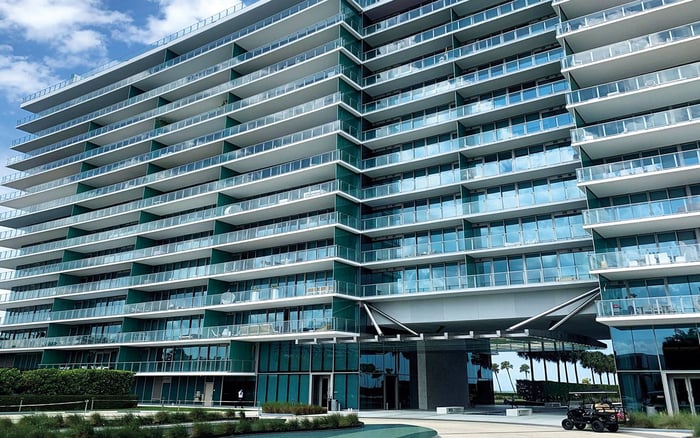
For condominium buyers, the conversation should be just as precise. A residence such as Oceana Key Biscayne may sit within the island lifestyle that appeals to many waterfront purchasers, but buyers should still examine exactly what rights, services, and access patterns apply to their specific residence and ownership structure.
The best yachting properties reduce small points of friction. Where does the owner park before a dawn departure? Can coolers, luggage, fishing gear, flowers, wine, and catering move discreetly from residence to vessel? Is there a service elevator path, a loading area, or a staff route that avoids the formality of the main lobby?
Guest arrival matters as well. A waterfront home may feel serene for its owner yet prove awkward for invited guests if parking, gate access, dock entry, or security procedures are unclear. For buyers who entertain on the water, the property should support the choreography of arrival without making the experience feel managed.
The same logic applies after return. Consider rinsing, cleaning, trash removal, fish handling, fuel, maintenance vendors, and storage. Yachting convenience is not limited to the moment of departure. It is the full cycle of use, from preparation to cleanup, repeated many times each season.
Waterfront buyers should ask practical questions with patience. What water depth is available under normal conditions? How does the approach feel at different tide levels? Are there fixed bridges, narrow turns, wake conditions, current patterns, or neighboring vessels that affect daily maneuvering? A beautiful dock that is stressful to use is not a convenience.
Storm planning deserves equal attention. Ask where the vessel goes when severe weather threatens, who makes that decision, and whether the residence, association, or marina has written procedures. Insurance, maintenance contracts, haul-out options, and captain availability should be part of the same conversation.
Governance can be as important as geography. Associations and waterfront communities may regulate noise, hours, contractors, dock appearance, lifts, lighting, cameras, and guest access. A sophisticated buyer reviews these rules before negotiating price, not after enthusiasm has narrowed the field.
Key Biscayne has a distinct appeal for buyers who want island calm within the broader Miami orbit. Still, the best purchase decision often comes from comparison. Nearby waterfront markets can clarify what the buyer values most: privacy, direct access, urban dining, beach proximity, marina culture, or a full-service condominium experience.
Fisher Island, for example, often enters the conversation for buyers who prioritize seclusion and controlled access. A residence such as The Residences at Six Fisher Island can serve as a useful comparison point for those weighing island privacy against the daily habits they expect from a Key Biscayne address.
Coconut Grove and Grove Isle may appeal to buyers who want a softer bayfront sensibility with proximity to mainland dining and cultural life. Vita at Grove Isle is an example of the type of nearby waterfront reference buyers may study when refining their priorities.
Brickell, by contrast, speaks to those who want a polished urban residence with quick access to business, dining, and city energy. Una Residences Brickell can help frame the tradeoff between skyline convenience and the more residential cadence associated with Key Biscayne.
The strongest buyers arrive at diligence with a written yachting brief. It should include vessel specifications, desired dock arrangement, crew needs, expected usage, storage preferences, vendor access, insurance considerations, and any plans for a future larger boat. This brief gives the broker, attorney, surveyor, and insurance advisor a shared standard.
Ask for all governing documents related to waterfront use. Review dock agreements, association rules, marina policies, maintenance obligations, alteration approvals, transferability, and termination rights. If a slip or dock right is central to the purchase, the buyer should understand whether it transfers with the residence, requires separate approval, or can change over time.
Finally, think about resale. Future buyers will ask many of the same questions, and the most valuable waterfront properties tend to offer clarity. A home that combines beauty, privacy, and clean operational answers will usually be easier to understand than one that depends on informal arrangements or assumptions.
In the upper tier of the market, the most elegant waterfront purchase is often the one that feels calm because the technical work was completed in advance. The buyer knows the boat fits, the access is documented, the storm plan is credible, and the lifestyle aligns with daily reality.
That is the essence of yachting convenience in Key Biscayne. It is not simply proximity to water. It is a property that lets the owner move between residence and vessel with the same discretion, efficiency, and pleasure expected from the residence itself.
What is the first question a Key Biscayne yacht owner should ask? Start with whether the property can accommodate the actual vessel, including length, beam, draft, access path, and use pattern.
Is a water view the same as yachting convenience? No. A view is visual value, while yachting convenience depends on access rights, dock usability, loading, service, and daily operations.
Should dock rights be reviewed before making an offer? Yes. Buyers should understand whether rights are private, assigned, leased, licensed, transferable, or governed by association approval.
Why do association rules matter for boat owners? Rules may affect vessel size, contractors, hours, lifts, lighting, noise, guest access, and dock alterations.
How should buyers evaluate water depth? They should consider the vessel’s draft, typical tide conditions, approach route, turning room, and any navigational constraints.
What service details are most often overlooked? Loading areas, vendor access, trash removal, rinsing, storage, and crew movement can all affect the ease of ownership.
Should storm planning be part of property diligence? Absolutely. Buyers should know where the vessel goes, who manages the plan, and how insurance and maintenance obligations align.
Are condominiums suitable for serious boat owners? They can be, provided the buyer confirms specific access rights, rules, services, and operational limitations before closing.
Why compare Key Biscayne with Fisher Island, Coconut Grove, or Brickell? Comparison helps clarify whether the buyer values privacy, island calm, urban access, bayfront character, or service infrastructure most.
What makes a waterfront property stronger for resale? Clear documentation, practical access, credible governance, and a layout that supports real boating use can strengthen buyer confidence.
For a confidential assessment and a building-by-building shortlist, connect with MILLION.
If branded residences are on your mind — as a home or as an allocation — we would be glad to share what we are seeing, privately.
Begin a quiet conversation