A discreet guide to how luxury condo buyers should evaluate walkability in Bal Harbour, with emphasis on daily routines, arrival sequence, beach access, privacy, and service-minded convenience.
For luxury condo buyers, walkability in Bal Harbour is not a measure of urban intensity. It is a measure of reduced friction without the loss of privacy. The strongest version of daily convenience lets an owner move from residence to beach, dining, retail, wellness, and household errands with an effortless sense of control. That may sound simple, but at the upper end of the market, the standard is exacting.
A buyer is not merely asking, “Can I walk there?” The more revealing question is, “Will I want to walk there every week?” The answer depends on shade, arrival sequence, lobby discretion, traffic exposure, service culture, and how the building manages the threshold between public life and private residence.
This is why Bal Harbour searches often begin with convenience, then quickly become a study in atmosphere. A five-minute walk that feels exposed may matter less than a slightly longer route that feels calm, elegant, and predictable. For a primary home, that difference shapes daily rhythm. For a seasonal residence, it can determine whether the property is used spontaneously or only for planned stays.
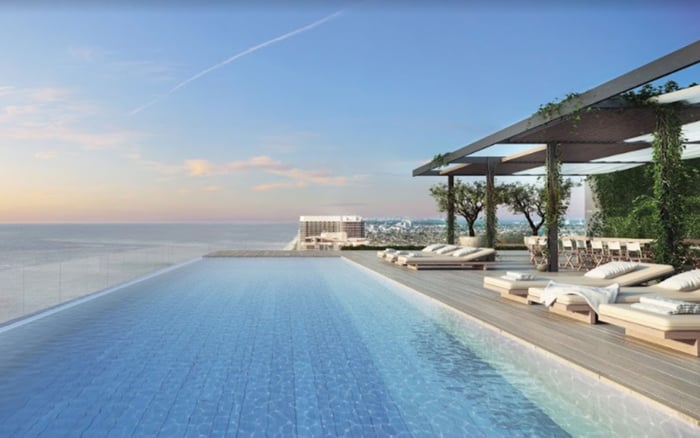
The first priority is the relationship between the residence and the beach. Beach access is more than proximity. It is the way the building supports the transition from home to sand and back again, including storage, service circulation, guest handling, and the ability to return without turning the day into a logistical exercise.
The second priority is the quality of nearby everyday destinations. Dining and retail matter, but so do quieter routines: coffee, a short walk after dinner, a quick errand before guests arrive, or a convenient stop between appointments. Buyers accustomed to serviced buildings should pay close attention to whether the surrounding environment matches that level of support.
The third priority is privacy. In many luxury markets, walkability can be confused with visibility. Bal Harbour buyers tend to value convenience that does not announce itself too loudly. A residence should make the day easier while keeping the owner’s movements discreet. That is especially important for families, executives, and owners who entertain frequently.
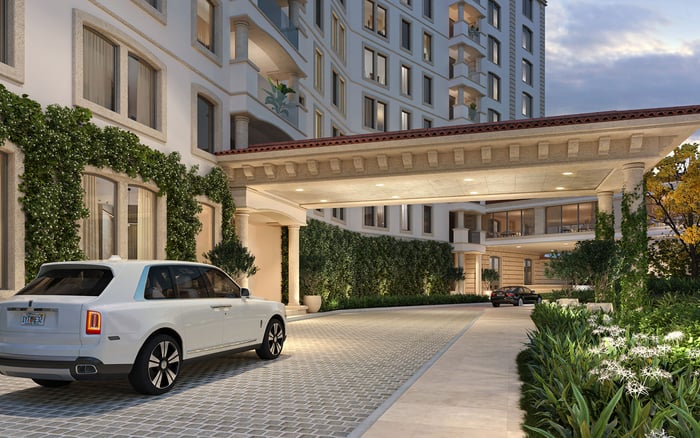
Finally, evaluate the approach to the building. A highly walkable address loses some of its appeal if arrival by car feels congested, valet patterns are awkward, or guests cannot be received gracefully. The most persuasive properties are those where walking, driving, and being driven all feel equally composed.
Oceanfront living remains a central aspiration, but oceanfront alone is not a complete convenience strategy. The strongest Bal Harbour condo choice balances the sensory value of water, light, and open air with an equally refined plan for daily movement. A buyer should ask how often the car will be needed, not in theory, but in the specific rhythm of the household.
For some buyers, Rivage Bal Harbour may enter the conversation because it sits within the buyer’s mental map of Bal Harbour luxury and new-residence expectations. The key is not to treat any single building name as a shortcut. Instead, use each property as a test case: How does it support a morning beach routine, a dinner reservation, a visiting family member, or a quiet weekday errand?
Established names such as Oceana Bal Harbour can also be part of a walkability discussion when buyers compare the value of a recognized residential setting with the practical ease of day-to-day living. Recognition matters, but the lived experience matters more. The best building is the one that makes both ordinary and exceptional days feel smooth.
This is where boutique scale can be compelling. A smaller or more intimate residential environment may offer a softer daily cadence, while a larger full-service property may provide broader operational depth. Neither is inherently superior. The right answer depends on whether the owner prioritizes quiet arrival, extensive amenities, staff depth, or a more personal sense of residence.
Bal Harbour buyers often compare neighboring enclaves as they calibrate convenience. That does not dilute the appeal of Bal Harbour; it sharpens the buyer’s understanding of the walkable lifestyle they actually want. A residence in a nearby waterfront setting may offer a different balance of quiet, access, and building scale.
For example, Bay Harbor Towers may appeal to buyers considering a more residential island rhythm while keeping the broader northern Miami Beach corridor in mind. The comparison is useful because it separates true daily priorities from brand-name assumptions.
Likewise, Surfside can become relevant for buyers who want a closely related coastal lifestyle with its own residential personality. The Delmore Surfside is the type of project a buyer might consider when weighing privacy, beach orientation, and access to a more intimate neighborhood pattern.
The larger point is strategic: walkability should be judged by the owner’s actual week. A buyer who entertains often may need immediate access to polished dining and a gracious guest arrival sequence. A wellness-focused buyer may care more about sunrise walks, beach routines, and quiet recovery spaces. A family may prioritize simplicity, safety, and the ability to accomplish small errands without turning every outing into a drive.
Before a private tour, buyers should define three daily routines: morning, afternoon, and evening. Then evaluate the property through those routines rather than through amenities alone. How does the morning begin? Is the path to the beach intuitive? Is there a comfortable place for a driver to wait? Can a guest arrive without confusion?
During the showing, notice transitions. The path from residence to lobby, lobby to exterior, exterior to nearby destinations, and back again reveals more than a brochure can. Luxury convenience is often found in the absence of interruption. Doors open easily, staff anticipate movement, service areas remain invisible, and the building’s public edges feel calm.
Also consider weather. South Florida walkability is not a generic urban concept. Heat, sun, rain, and seasonal humidity shape whether a route feels usable. A desirable walk in January may feel different in August. Buyers should think about covered paths, short routes, shaded moments, and whether the building provides enough support to make walking realistic year-round.
Finally, remember resale logic. Future buyers in this segment are likely to ask the same questions about daily ease, privacy, beach access, and building service. A residence that answers those questions elegantly may feel more durable over time because convenience, when paired with discretion, rarely goes out of style.
Why does walkability matter to Bal Harbour luxury condo buyers? It reduces daily friction while preserving the privacy and ease expected at the top of the market.
Is beach proximity the same as true beach access? No. True beach access also includes route quality, service support, storage, and the return experience.
Should buyers prioritize oceanfront positioning over nearby retail and dining? It depends on lifestyle. The strongest choice balances water-oriented living with practical daily reach.
How should a buyer evaluate privacy in a walkable setting? Look at lobby exposure, guest arrival, pedestrian visibility, and how gracefully the building separates public and private space.
Are boutique buildings better for daily convenience? They can be, especially for buyers who value intimacy and quiet, but larger buildings may offer deeper service infrastructure.
What should buyers test during a showing? Test the full routine from residence to lobby, exterior paths, beach access, car arrival, and guest reception.
Does walkability matter for seasonal owners? Yes. A convenient setting often encourages more spontaneous use and makes short stays feel more complete.
Can neighboring areas help refine a Bal Harbour search? Yes. Comparing nearby coastal enclaves can clarify whether the priority is privacy, access, building scale, or neighborhood rhythm.
What is the biggest mistake buyers make with walkability? They focus only on distance rather than the comfort, discretion, and repeatability of the walk itself.
How should resale factor into the decision? A residence with elegant daily convenience may appeal to future buyers because it solves practical needs without compromising luxury.
If you'd like a private walkthrough and a curated shortlist, connect with MILLION.
If branded residences are on your mind — as a home or as an allocation — we would be glad to share what we are seeing, privately.
Begin a quiet conversation