A discreet buyer guide to evaluating Palm Beach walkability as a daily luxury, from Worth Avenue routines and beach access to parking, privacy, pets, balconies, and long-term livability.
For the Palm Beach buyer planning to live in residence year-round, walkability is not a lifestyle extra. It is a measure of daily ease. A home may be visually exquisite, architecturally composed, and beautifully serviced, yet still feel inconvenient if every errand, lunch, appointment, or evening walk requires a car.
The full-time buyer evaluates Palm Beach differently from the seasonal guest. The question is not only whether a property sits near a favored restaurant or boutique. It is whether daily life can unfold without friction. Can one leave for coffee without coordinating a driver? Is a beach walk spontaneous? Does an evening on Worth Avenue feel like part of the neighborhood rhythm rather than an outing? Can visiting family, staff, pets, and guests move through the week without turning the residence into a logistics exercise?
This is where walkability changes the purchase conversation. It shifts attention from square footage alone to the choreography of living.
Luxury buyers often use the word walkable loosely. In practice, walkability has layers. A home may be near a destination, but the route may not feel pleasant at different times of day. Another may be slightly farther, yet offer a more gracious arrival, calmer sidewalks, or a more intuitive daily path.
For Palm Beach, the strongest walkability analysis begins with the buyer's actual calendar. Morning routines, club habits, medical appointments, grooming, dining, beach time, and entertaining patterns all matter. A couple who dines out often will read the island differently from a family that prioritizes privacy and long weekends at home. An owner with a dog will study shaded routes and building policies more closely than an owner who travels frequently.
A practical buyer file may use tags such as Palm-beach, West-palm-beach, Beach-access, Balcony, Pets, and Second-home, but the real work is translating those labels into a day that feels effortless.
A seasonal residence can tolerate small inconveniences because the stay is brief and celebratory. Full-time living is less forgiving. The charming extra drive becomes repetitive. The difficult parking situation becomes part of every dinner. A residence without useful outdoor space can feel less flexible once it becomes the primary base for work, recovery, reading, and entertaining.
This is why a buyer considering Palm Beach Residences should think beyond finishes and views. The more important question is how the home supports ordinary rituals with extraordinary ease. A residence that allows a quiet morning walk, simple guest arrival, and quick access to a preferred daily circuit may feel more luxurious over time than a larger property that demands constant driving.
Full-time living also rewards predictability. Owners want to know how the building receives deliveries, where guests arrive, how residents move to and from the garage, and whether the walk from home to favorite destinations remains comfortable after dark or during warm afternoons. These details are not secondary. They are the difference between a beautiful address and a genuinely livable one.
For many buyers, Palm Beach walkability immediately evokes the Worth Avenue routine: shopping, lunch, gallery visits, grooming appointments, and leisurely social encounters. The point is not simply proximity to retail. It is the pleasure of having a polished village life within reach.
A residence that supports this routine gives the owner optionality. One can host lunch without staging an entire day around transportation. One can meet friends, browse, return home, change, and go out again without making every movement feel planned. That spontaneity is increasingly important to buyers who could live anywhere but choose Palm Beach for its compact elegance.
The key is to test the routine before buying. Walk the route at the times you expect to use it. Consider footwear, heat, shade, street crossings, and how the path feels when returning with packages or guests. Walkability is sensory. It is not only map distance. It is comfort, grace, and repetition.
Some buyers weigh Palm Beach against nearby West Palm Beach options, particularly when they want newer residential formats, broader urban convenience, or a different service profile. The comparison should not be framed as better or worse. It is a question of how each location supports the owner's full-time pattern.
A buyer looking at Forté on Flagler West Palm Beach may be prioritizing a waterfront setting with a different daily rhythm from an in-town Palm Beach address. Another considering The Ritz-Carlton Residences® West Palm Beach may be seeking branded residential service, privacy, and convenience in a setting that relates differently to restaurants, culture, and transportation.
The essential exercise remains the same. Do not begin with prestige alone. Begin with the week. Where will you eat on Tuesday? Where will guests stay? How will you move between appointments? Where will you walk when you want privacy rather than display? The right answer is personal, but the wrong answer usually reveals itself through repeated inconvenience.
Walkability becomes more valuable as owners think about aging-in-place. The most elegant residence is one that reduces dependency without reducing pleasure. When daily needs are close, a buyer preserves independence, flexibility, and social access.
This does not mean every buyer wants to live in the busiest part of town. For some, the ideal is a quieter street with quick access to the beach and a short ride to dining. For others, it is a building where staff, valet, security, and concierge functions make the outside world feel closer. The point is to avoid a home that becomes isolating over time.
Any waterfront residence should be evaluated not only for residence scale and waterfront character, but also for how easily the owner can maintain social, wellness, and family routines year-round. The same discipline applies across every price tier. Long-term livability is a form of luxury preservation.
Walkable living does not eliminate the car. In Palm Beach, the car often remains part of the ownership experience. The question is whether it dominates. A residence should allow the owner to choose when to drive, rather than forcing the decision for every small movement.
Parking, valet flow, and guest access deserve close attention. Full-time owners entertain more casually and more often than they expect. If every guest arrival feels cumbersome, the home may become less hospitable. If the garage-to-residence path is awkward, daily errands become more tiring. If service access is poorly considered, the building's elegance can erode in practice.
Privacy also changes with walkability. A highly convenient address may invite more visibility. Buyers should weigh whether they prefer a sociable, in-town cadence or a quieter setting with selected access to restaurants and shopping. Both can be luxurious. The right choice depends on temperament.
Outdoor space matters because walkable living often compresses the owner's world into a cherished local circuit. A balcony, terrace, or loggia becomes the private counterpoint to the public walk. It offers air, light, and pause without leaving home.
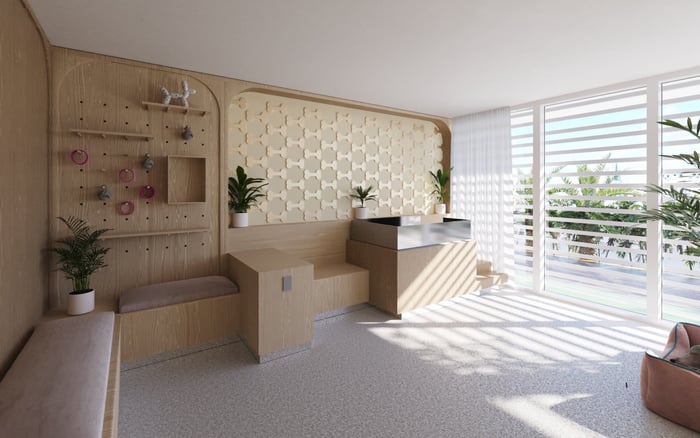
For pet owners, the walkability test is even more exacting. It includes building rules, elevator flow, nearby routes, and the ease of stepping out several times a day. For beach-oriented buyers, Beach-access should be assessed as a lived routine rather than a marketing phrase. How often will you actually go? At what hour? With towels, children, guests, or pets? The more honest the answers, the better the acquisition.
A property such as Alba West Palm Beach may enter the conversation for buyers who want a different relationship between waterfront living, residence design, and daily access. The lesson is broader than any single building: the home should support the life you repeat, not only the weekend you imagine.
The best walkability due diligence is practical. Spend time in the neighborhood without the broker, without the architect, and without the fantasy of a perfect day. Walk in the morning. Walk after dinner. Try the route in warm weather. Notice where you slow down, where you feel exposed, where you feel delighted, and where you instinctively reach for the car.
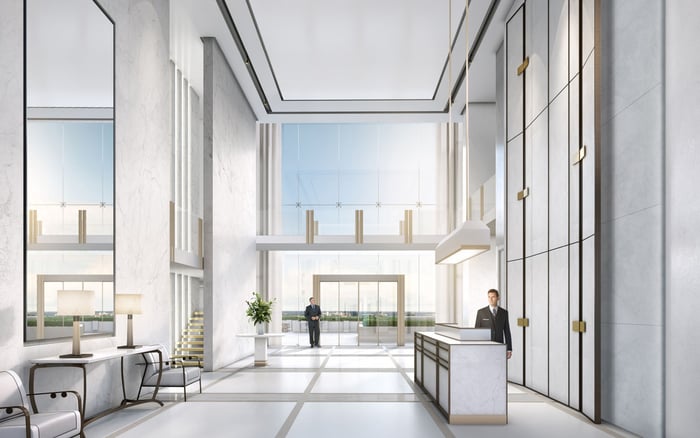
Then test the building. Enter as a resident would. Study the lobby's privacy. Ask how guests arrive, how packages are handled, how pets move, how valet works, and how service providers access the residence. Look at whether the balcony or terrace is usable for the way you live. Consider whether a Second-home could become a primary home without compromise.
The strongest Palm Beach purchase is not necessarily the most dramatic. It is the one that makes everyday life feel composed.
Why does walkability matter more for full-time Palm Beach buyers? Full-time owners repeat daily routines, so small inconveniences become part of the living experience. Walkability can make errands, dining, and social life feel easier.
Is walkability only about being close to Worth Avenue? No. Worth Avenue may be part of the routine, but walkability also includes beach access, appointments, pet routes, guest arrival, and evening comfort.
Should I choose a smaller home if it is more walkable? Sometimes. A slightly smaller residence can feel more luxurious if it reduces daily friction and supports the way you actually live.
How should pet owners evaluate walkability? Pet owners should study building rules, elevator flow, shaded routes, and the ease of quick daily walks. Convenience matters several times a day.
Does a walkable address reduce the need for parking? Not entirely. Parking still matters, but a walkable home allows the car to become optional for more everyday movements.
Is West Palm Beach a substitute for Palm Beach? It depends on the buyer's priorities. Some buyers compare both for service, residence format, waterfront setting, and daily convenience.
What should I test before making an offer? Walk the routes you expect to use, enter the building like a resident, and study guest, valet, package, and service flow.
How does walkability support aging-in-place? It can preserve independence by keeping social, wellness, and daily needs easier to reach. The goal is access without unnecessary dependence.
Are balconies important in a walkable residence? Yes. A balcony or terrace provides private outdoor relief when the neighborhood itself is part of daily life.
Can a second home become a full-time residence later? It can, but only if the residence supports ordinary routines as well as vacation moments. Buyers should evaluate both scenarios before purchase.
When you're ready to tour or underwrite the options, connect with MILLION.
If branded residences are on your mind — as a home or as an allocation — we would be glad to share what we are seeing, privately.
Begin a quiet conversation