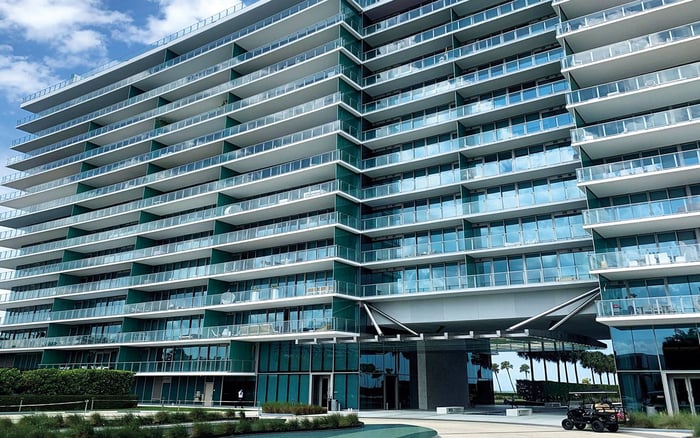
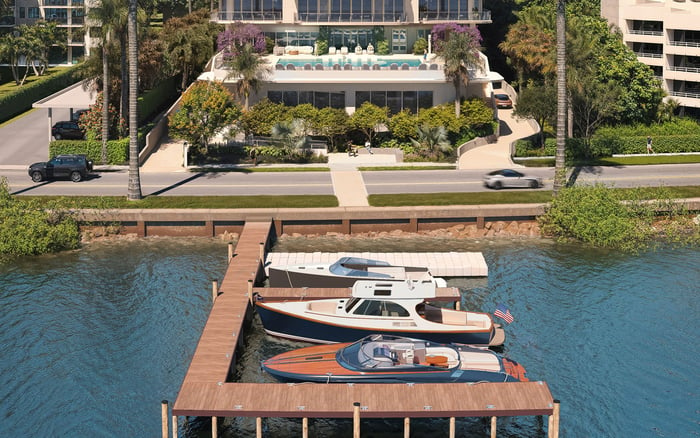
A discreet guide for full-time buyers evaluating Key Biscayne waterfront condos through the lens of beach access, bay orientation, boating priorities, building diligence, and daily livability.
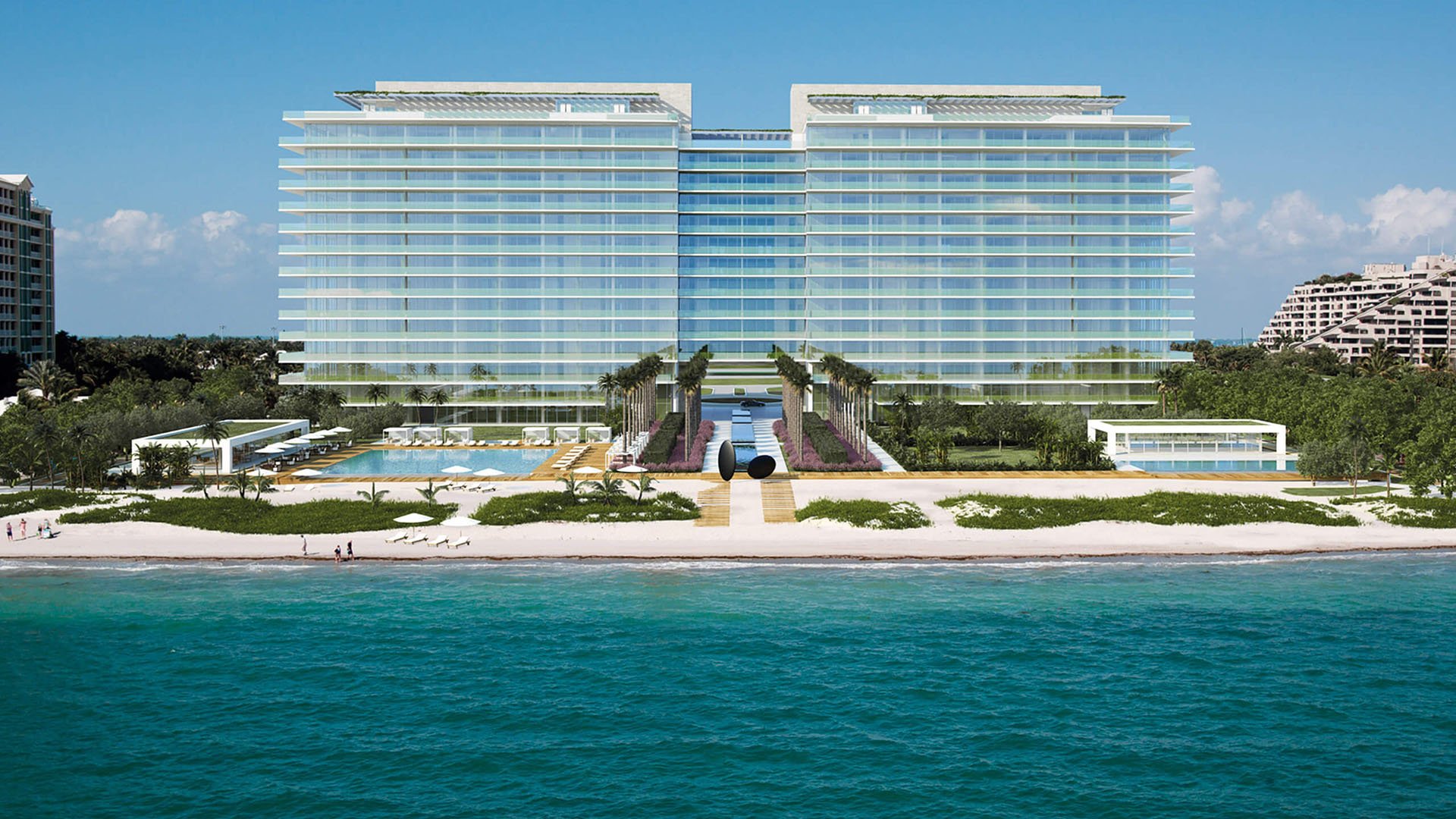
Key Biscayne waterfront condos hold a distinct place in the South Florida imagination. They suggest morning light on the water, a quieter island cadence, and proximity to Miami without surrendering to its constant urban momentum. For the full-time buyer, however, the decision is not simply beach versus bay. It is a more exacting study of daily patterns, building performance, privacy, service, storage, and the way water shapes life twelve months a year.
A weekend buyer may prioritize the most dramatic first impression. A full-time buyer has to think differently. How does the residence feel on a Tuesday afternoon? Where do guests park? How easily can groceries, luggage, paddleboards, bicycles, or a pet move through the building? Does the view remain serene after the novelty fades, or does the exposure become too bright, too public, or too exposed for the way the household actually lives?
In practical search language, the relevant filters often include Key-biscayne, Beach-access, Waterview, Marina, Boat-slip, and Oceana Key Biscayne. Yet those labels are only the beginning. The sharper question is how each attribute performs in daily life.
Beachfront condos deliver the most instinctive version of Key Biscayne living. The beach is not an amenity to be scheduled. It becomes part of the household rhythm: early walks, a swim before calls, late-afternoon air, and the quiet satisfaction of never needing to plan a beach day.
For buyers considering a residence such as Oceana Key Biscayne, the attraction is not merely the idea of the ocean. It is the discipline of proximity. Full-time owners tend to value the ability to move between home and shoreline without logistics, making the residence feel less like a seasonal escape and more like a personal resort.
The trade-off is that beachfront living deserves more than romance. Buyers should study window systems, balcony usability, exterior maintenance, elevator reliability, lobby circulation, and how the building manages sand, salt air, deliveries, and service access. The beach feels effortless only when the building behind it is meticulously operated.
Bay-oriented waterfront living often appeals to buyers who want the presence of water with a different emotional register. Instead of the theatrical horizon, the bay can create a more contemplative mood. Light shifts across the day, boats become part of the view, and evenings may feel softer than the more open oceanfront experience.
This is where the trade-off becomes personal. Some buyers want waves, sand, and sunrise energy. Others prefer a water view that reads like a private painting from the terrace. A bay-oriented residence may also bring the boating conversation closer to the center of the decision, particularly for buyers who already own a vessel or expect boating to become part of family life.
The nuance is that “bayfront” and “boating-friendly” are not the same thing. A buyer should confirm exactly what access, dockage, guest pick-up, storage, and water-related permissions are available, rather than relying on the mood of the setting. The most elegant purchase is one where the visual promise and the operational reality align.
Boating can be the most misunderstood part of the waterfront search. For some households, it is central: weekends, visiting friends, fishing, cruising, or simply using the water as another form of mobility. For others, it is more atmospheric, a pleasure to look at rather than a necessity to own.
Full-time buyers should be clear about which category they occupy. If boating is essential, due diligence should begin early. Questions around dock availability, waitlists, vessel size, association rules, insurance, storm procedures, access points, and service providers should be addressed before the emotional attachment to a residence becomes too strong.
If boating is occasional, the better value may lie elsewhere: a stronger floor plan, a quieter stack, better storage, or a more functional terrace. The goal is not to pay for a lifestyle one admires but rarely uses. It is to buy the water experience that fits the household’s real habits.
Waterfront living rewards strong buildings and exposes weak ones. Full-time buyers should be especially attentive to the less glamorous details: reserves, assessments, façade condition, mechanical systems, elevator modernization, roof and waterproofing work, insurance posture, staffing, security, and the rhythm of maintenance.
This does not mean the search should become defensive. It means the most beautiful waterfront residence should also pass a practical test. Does the building feel calm during peak arrival hours? Are common areas maintained with consistency? Are service elevators and loading zones adequate? Is there a clear culture of stewardship among owners and management?
The most sophisticated buyers often walk a building twice: once for the view, and once for the operations. The second visit is where the long-term decision is made.
Key Biscayne has its own identity, but buyers often sharpen their thinking by comparing it with nearby waterfront settings. The exercise is not about substitution. It is about clarifying priorities.
A buyer drawn to a more urban waterfront rhythm may study Continuum on South Beach to understand how beach access feels when paired with the energy of South Beach. Someone who wants waterfront presence without the same island profile may compare the residential atmosphere around Vita at Grove Isle. Buyers intrigued by a quieter bay conversation may look at Onda Bay Harbor as a reference point for a different waterfront mood.
For those who place privacy at the highest level, Palazzo del Sol can serve as a useful comparison in the broader ultra-prime waterfront landscape. These comparisons help define whether the buyer is truly choosing Key Biscayne for its specific balance, or simply responding to the general appeal of South Florida water.
In waterfront condos, the floor plan can be as important as the address. A stunning view loses some of its value if the living room is difficult to furnish, if the primary suite lacks privacy, or if guest rooms feel like afterthoughts. Full-time buyers should test the plan against daily rituals: coffee, work, entertaining, family dinners, staff access, pet routines, and long stays by visiting relatives.
Exposure deserves equal attention. Morning light, afternoon glare, cross-breezes, terrace depth, and the relationship between indoor and outdoor seating all shape the experience. The best terrace is not always the largest. It is the one that is usable, proportionate, and connected to the rooms where the household actually gathers.
Storage is another quiet luxury. Full-time waterfront living often involves more equipment than expected, from beach chairs and bicycles to holiday décor, luggage, sports gear, and wine. A residence that looks flawless during a showing should still have a place for real life.
The right Key Biscayne waterfront condo depends less on a universal hierarchy and more on behavioral fit. If the household lives in swimsuits and bare feet, beachfront immediacy may be worth prioritizing above almost everything else. If evenings on the terrace matter more than sand, a bay-oriented view may be more satisfying. If boating is central, operational access may outweigh the drama of the residence itself.
Full-time buyers should resist choosing the most photogenic option by default. The better purchase is the one that remains graceful after routine sets in. It supports the household on ordinary days, not only during holidays. It feels private without being isolated, serviced without being impersonal, and connected to water without turning maintenance into a burden.
Key Biscayne rewards this kind of disciplined evaluation. Its appeal is not a single postcard view. It is the possibility of a waterfront life that feels complete, composed, and deeply personal.
Is beachfront always better than bayfront on Key Biscayne? Not necessarily. Beachfront favors immediate sand-and-ocean living, while bay-oriented residences may better suit buyers who prioritize calmer views or boating considerations.
Should full-time buyers prioritize the view or the building? Both matter, but building quality becomes critical for full-time ownership. Operations, maintenance, reserves, staffing, and everyday circulation shape the experience.
What should boating buyers confirm before purchasing? They should verify dockage, association rules, vessel limits, access procedures, storage, storm planning, and any waitlist or approval process.
Are water views enough if there is no direct water access? They can be, if the buyer mainly wants atmosphere and light. Buyers who expect daily beach or boating use should be more exacting.
Why does terrace usability matter so much? A terrace is often the emotional center of a waterfront condo. Depth, exposure, privacy, and furniture layout determine whether it is truly livable.
How should pet owners evaluate waterfront condos? They should consider elevator access, outdoor routines, building rules, nearby walking patterns, and how easy daily movement will feel in every season.
Do full-time buyers need more storage than seasonal buyers? Usually, yes. Full-time waterfront living often involves beach gear, luggage, sports equipment, guest items, and household overflow.
Is a lower floor or higher floor preferable? It depends on the buyer’s tolerance for height, desire for privacy, view preference, and relationship to the surrounding landscape and water.
How can buyers compare Key Biscayne with other waterfront areas? They can tour different settings to test whether they prefer island quiet, urban beach energy, bayfront calm, or a more private enclave.
What is the best way to shortlist comparable options for touring? Start with location fit, delivery status, and daily lifestyle priorities, then compare stacks and elevations to validate views and privacy.
For a confidential assessment and a building-by-building shortlist, connect with MILLION.
If branded residences are on your mind — as a home or as an allocation — we would be glad to share what we are seeing, privately.
Begin a quiet conversation