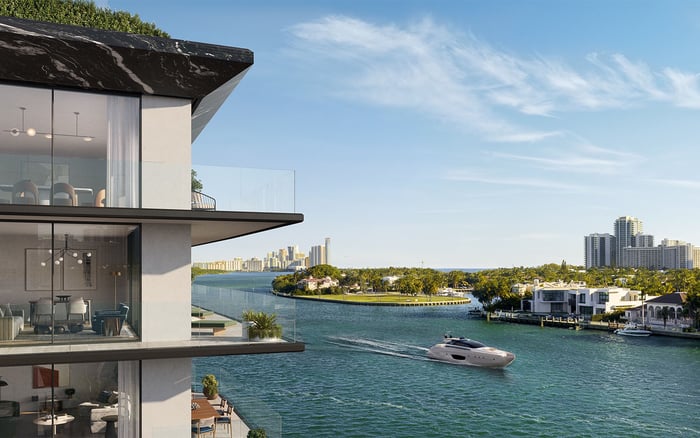
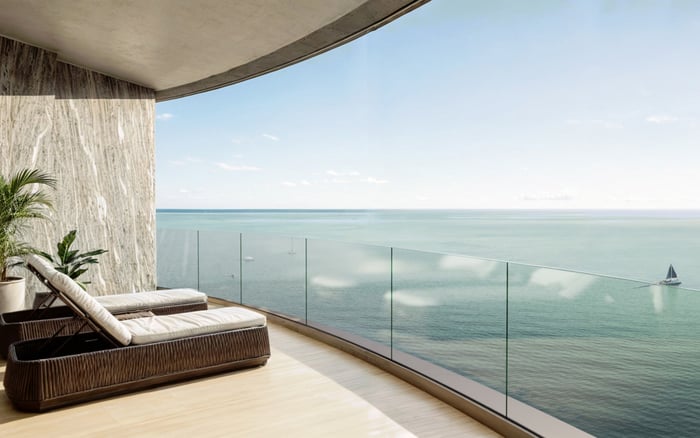
A discreet buyer’s guide to marina and boating due diligence in Bal Harbour, from slip rights and draft to rules, storm planning, transferability, and waterfront resale context.
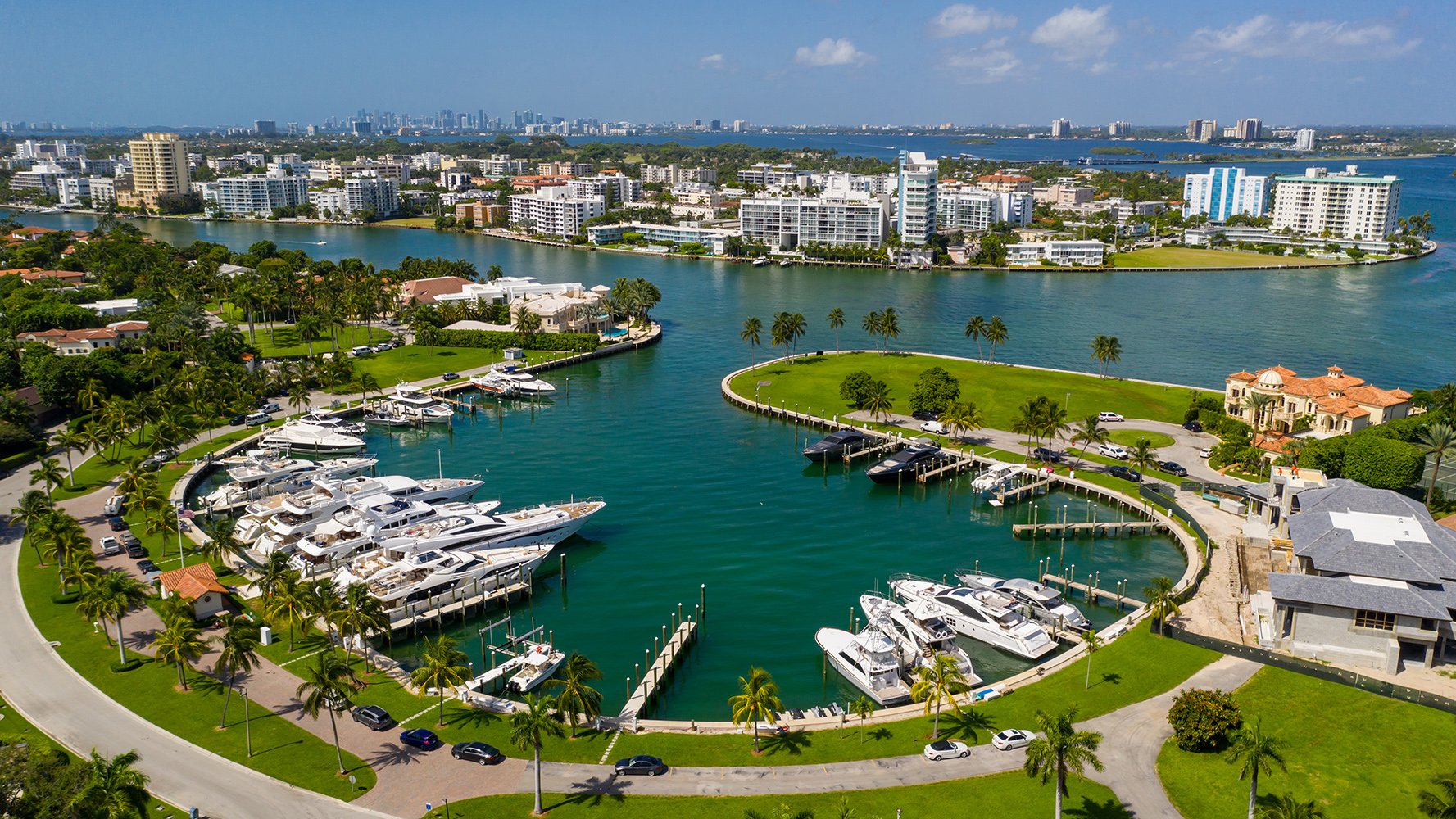
In Bal Harbour, the most valuable waterfront amenity is often not the widest terrace, the most cinematic sunrise, or the most polished lobby. For a certain buyer, it is the ability to move from residence to water with confidence. That confidence is not created by an attractive dock photograph. It is created by documents, dimensions, rules, maintenance clarity, and a sober understanding of how a boat actually lives at the property.
Waterfront buyers tend to use the same vocabulary, yet the meanings can differ sharply from building to building and from home to home. “Boat access” may describe a private slip, a community marina, a first-come arrangement, a leased berth, or simple proximity to a nearby facility. A listing may sound effortless, but the purchase should not proceed on atmosphere alone.
This is especially true for buyers comparing Bal Harbour with adjacent markets and nearby islands. A residence at Rivage Bal Harbour may satisfy one lifestyle brief, while a buyer also evaluating Oceana Bal Harbour may be thinking more broadly about privacy, beach orientation, and the daily rhythm of ownership. For those who boat, the question is not simply whether the water is close. The question is whether the access is legally secure, physically practical, and financially understood.
The first verification is ownership structure. A boat slip may be deeded, assigned through an association, leased, licensed, or made available through a club-like arrangement. Each structure carries a different level of control. A deeded interest may travel differently in a sale than a revocable use right. A leased slip may depend on renewal terms. An assigned berth may be subject to association discretion.
Buyers should ask for the actual governing language, not a summary. The critical questions are simple: who owns the slip, who controls assignment, whether the right transfers with the residence, whether separate approval is required, and whether waiting lists or priority rules apply. If the boat is central to the purchase, the slip should be central to the contract review.
It is also worth distinguishing between a slip that exists and a slip that fits the buyer’s vessel. A berth that accommodates a center console may not suit a larger yacht. Length, beam, draft, shore power, access width, and turning room all matter. The most elegant waterfront address can still be the wrong boating property if the vessel cannot use the facility comfortably.
A dock is only one part of boating access. The buyer should verify water depth, tidal behavior, route constraints, bridge considerations, channel conditions, and how the property functions in ordinary use. Draft is not a theoretical figure; it is the difference between effortless departures and careful timing. A vessel that is manageable at high tide may be inconvenient at low tide.
For many luxury buyers, the ideal waterfront property is a seamless extension of a larger life: morning crossings, weekend runs, sunset cruises, and practical access to service yards or refueling. That vision depends on details. Where does the boat load? How far is the walk from residence to slip? Is there valet or service assistance? Are carts, dock boxes, lifts, or tenders permitted? Can guests board easily and discreetly?
Buyers looking beyond Bal Harbour often compare the feel of the wider bayfront corridor. In Bay Harbor Islands, residences such as La Baia North Bay Harbor Islands and Onda Bay Harbor may enter the conversation for those studying a more intimate island setting. The point is not that one waterfront condition is universally better. It is that every version of boating access must be tested against the buyer’s actual vessel and habits.
Marina rules shape the lived experience as much as architecture shapes the residence. Review restrictions on vessel size, liveaboard use, commercial activity, charters, noise, fuel storage, repairs, dock appearance, pets, crew access, guest boarding, and overnight stays. A rule that seems minor during negotiation can become a daily irritation after closing.
Fees deserve equal attention. Slip charges, maintenance assessments, insurance contributions, utilities, pump-out costs, capital repairs, and special assessments can all affect carrying cost. Even when fees are modest relative to the purchase price, uncertainty is not elegant. A serious waterfront acquisition should clarify the current financial responsibility and the mechanism by which that responsibility can change.
The buyer should also understand the culture of the marina. Some facilities are highly residential and quiet. Others are more active, with frequent vessel movement and a stronger service component. Neither is inherently superior. The right fit depends on whether the owner wants near-private stillness or a more energetic boating environment.
For waterfront buyers, boat access is not merely a personal amenity. It can become a resale variable. A residence with a clearly transferable slip right may speak to a narrower but highly motivated buyer pool. A residence with uncertain or non-transferable access may require more careful positioning when it returns to market.
Transferability should be confirmed before the buyer assigns value to the slip. If approval is discretionary, what is the approval standard? If there is a separate agreement, who must consent? If the slip is associated with membership, can the membership move with the property? If the berth is leased, how long is the term and what renewal rights exist?
The issue becomes especially relevant for buyers moving between waterfront submarkets. A purchaser comparing an oceanfront lifestyle with a more protected bay orientation may be weighing beach access, views, privacy, and boating convenience at the same time. In that conversation, a boat slip can be decisive, but only when the right is documented.
South Florida waterfront ownership requires a practical storm plan. Buyers should know what happens when severe weather approaches: whether vessels must be removed, who decides, how notice is delivered, where lines and fenders are managed, and whether the association has written procedures. A beautiful marina can still expose an owner to frustration if responsibilities are vague.
Maintenance obligations should be reviewed in the same spirit. Docks, pilings, seawalls, lifts, utilities, lighting, gates, and access systems all age. The question is not only whether the property is attractive today, but how repair decisions are funded and governed. If the buyer’s slip use depends on common infrastructure, the condition and reserve planning for that infrastructure matter.
Insurance is another essential layer. The residence, vessel, marina facility, and association may all involve separate coverage. The buyer should understand required insurance levels, named insured requirements, liability expectations, and any limitations on vessel type or use. In premium waterfront ownership, risk is not eliminated. It is allocated.
The finest purchases combine emotional appeal with technical discipline. A terrace view may sell the dream, but marina verification protects the ownership experience. Buyers should walk the route from residence to dock, observe guest access, inspect lighting, consider privacy, test the convenience of provisioning, and ask how service providers reach the vessel.
This is where Bal Harbour’s appeal becomes especially nuanced. The area can offer a rare blend of discretion, resort-level polish, beach proximity, and water-oriented living. Yet each property expresses that blend differently. Some buyers prioritize a waterview from a high residence. Others want direct marina functionality. Some want a quiet seasonal base. Others expect the boat to be used as frequently as the car.
For search purposes, shorthand terms such as Bal Harbour, Bay Harbor, marina, boat slip, waterview, and oceanfront may capture the broad desire. The actual purchase, however, turns on precise rights and daily usability. Luxury is not the absence of complexity. Luxury is complexity resolved before closing.
Before assigning meaningful value to boating access, request the slip documents, association or marina rules, fee schedule, insurance requirements, maintenance history, and any transfer procedures. Confirm vessel specifications against slip dimensions and water conditions. Ask whether lifts, dock boxes, shore power, charging, tenders, crew access, and guest boarding are permitted.
Then test the routine. Imagine arriving with luggage, provisions, family, guests, and crew. Imagine departing at different tides. Imagine a storm notice arriving while the owner is abroad. Imagine a future resale conversation with a buyer who asks the same questions. If the answers are clean, the asset becomes stronger. If the answers are soft, the price should reflect that uncertainty.
Nearby island and beach markets can provide useful comparison points. A buyer may study The Well Bay Harbor Islands for a different residential mood, then return to Bal Harbour with sharper questions about what waterfront convenience really means. The best advisors do not reduce the decision to views or branding. They separate the romance of the water from the legal and operational details that make the romance livable.
Is every waterfront residence in Bal Harbour suitable for boat owners? No. Suitability depends on documented slip rights, vessel fit, water access, rules, and the owner’s boating routine.
What is the first document a buyer should request? Start with the document that defines the slip or marina-use right, then review the governing rules and transfer language.
Does a boat slip always transfer with a condo sale? Not always. Transferability depends on the ownership or use structure and any required approvals.
Why does draft matter so much? Draft determines whether a vessel can navigate the water comfortably at different tides and conditions.
Should buyers inspect marina rules before making an offer? Yes. Rules can affect vessel size, guests, repairs, crew access, noise, and other daily-use details.
Can marina fees change after purchase? They may change depending on the governing documents, maintenance needs, utilities, insurance, and association decisions.
Are storm procedures important for seasonal owners? Yes. Seasonal owners need clear protocols for vessel removal, notices, lines, fenders, and emergency responsibilities.
Is a nearby marina the same as private boating access? No. Proximity can be convenient, but it does not replace a documented right to use a specific slip or facility.
How should buyers value a slip? Value should reflect legal control, transferability, vessel fit, convenience, costs, and the strength of future resale demand.
What should a buyer do before relying on listing language? Ask for the documents, verify the vessel fit, and have the access terms reviewed before closing.
To compare the best-fit options with clarity, connect with MILLION.
If branded residences are on your mind — as a home or as an allocation — we would be glad to share what we are seeing, privately.
Begin a quiet conversation