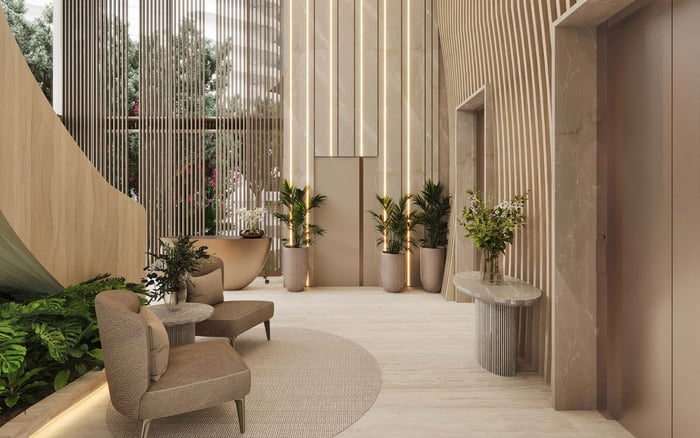
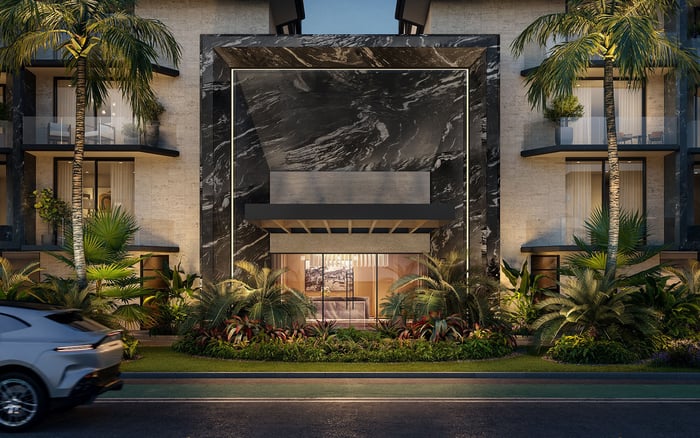
A growing slice of South Florida’s ultra-wealthy buyers is gravitating toward boutique condominium towers that offer rarity, discretion, customization, and simpler day-to-day ownership over the spectacle of larger resort-style residences.
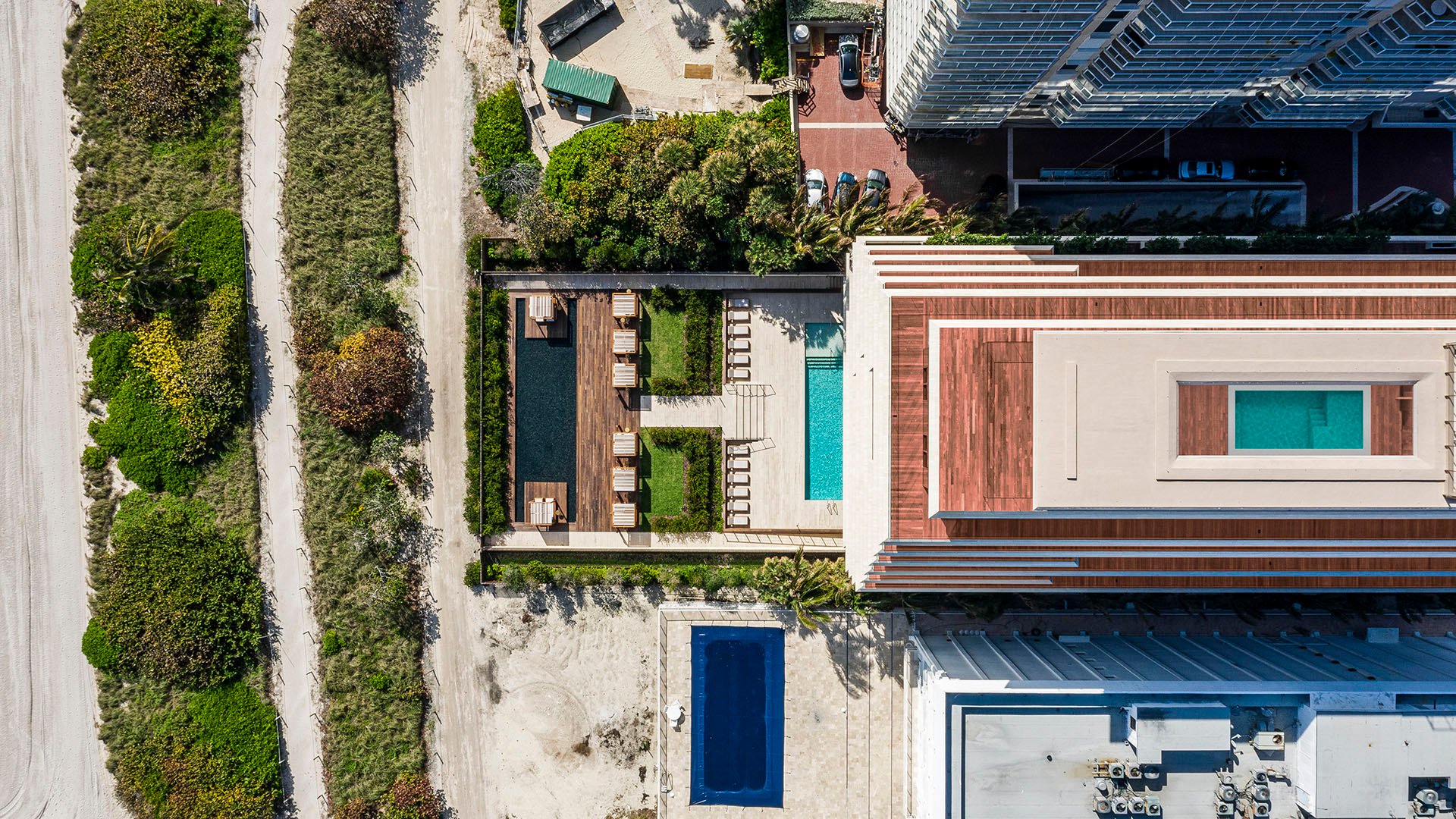
For years, South Florida’s luxury condominium race was defined by scale. The larger the tower, the more dramatic the arrival, the deeper the amenity offering, and the more resort-like the experience. That formula still resonates with many buyers, especially those seeking a highly serviced second home or a residence with broad rental and social appeal.
But among a notable segment of HNWI purchasers, preferences are becoming more exacting. Rather than pursuing the greatest possible number of amenities, these buyers are prioritizing fewer residences, quieter common areas, more personalized service, and a stronger sense of control over the building they own in. In that context, the boutique tower has become less a niche product and more a deliberate lifestyle choice.
In South Florida, boutique luxury projects are typically positioned as low-density buildings with roughly 50 to 150 residences. That scale matters. It creates a different rhythm of living, one that feels less like a private club attached to a hotel and more like a highly tailored residential address.
At the upper end of the market, privacy is no longer just a marketing adjective. It is a practical standard. Buyers with family offices, complex schedules, security considerations, or simply a preference for discretion often view resident density as a defining factor in daily quality of life.
A tower with fewer homes generally means fewer elevator stops, less crowding at the pool or wellness areas, and a more composed arrival experience. Even everyday essentials such as package handling, parking access, and guest coordination tend to feel more seamless when designed for a smaller ownership base.
That helps explain the appeal of buildings such as 2200 Brickell, where the conversation in Brickell is increasingly expanding beyond pure amenity volume to privacy within a walkable urban setting. The same dynamic shapes interest in more intimate waterfront addresses like Ocean House Surfside, where buyers often place as much value on serenity as on frontage.
For many primary-residence buyers, this is the real luxury proposition: not doing more in the building, but moving through it with less friction.
Mega-amenity towers remain compelling because they offer visible abundance. Fitness campuses, multiple pools, extensive food and beverage components, spas, lounges, children’s spaces, and concierge programming can create an impressive all-in ecosystem. Yet abundance comes with a trade-off. Large resort-style buildings usually require more intricate staffing, maintenance, and operational layers, and that complexity can translate into a heavier recurring ownership burden.
Boutique towers are increasingly competing on a different promise. Instead of thirty amenities, they may offer a smaller set that is exceptionally maintained and genuinely used: a private dining room, intimate wellness suite, wine storage, discreet concierge service, or household coordination support. For HNWI buyers who already belong to clubs, travel extensively, or entertain privately, this can feel more relevant than an expansive but lightly personalized amenity deck.
This preference also reflects a broader fatigue with formulaic luxury. Some buyers want residences that feel residential first, branded lifestyle environment second. In neighborhoods where culture, dining, and retail already sit outside the front door, the building itself does not need to replicate a full resort to justify its value.
Another reason boutique towers continue to command attention is that they often allow for more authorship. In larger developments, finishes, layouts, and service patterns are more likely to be standardized across a broad inventory mix. Boutique buildings, by contrast, often compete through more bespoke interiors, stronger architectural signatures, and greater flexibility in how homes are configured.
That distinction matters to buyers who do not want a residence that feels interchangeable. In Coconut Grove, for example, projects such as Opus Coconut Grove and Vita at Grove Isle align with a market preference for distinctive design, lower density, and a more curated relationship between private residence and shared space.
In Miami Beach and adjacent coastal enclaves, the same design-led logic helps explain the enduring appeal of projects like The Perigon Miami Beach, where buyers are often drawn as much to architectural identity as to service.
Boutique, in other words, is not merely about having fewer units. It is about creating a property with a more individual point of view.
South Florida’s condo market now requires buyers to think more seriously about governance, reserves, and the practical mechanics of ownership. In the wake of heightened scrutiny around building oversight, many purchasers have become more attentive to how decisions are made, how capital planning is handled, and how clearly owners can understand the building’s obligations.
For some HNWI buyers, smaller buildings offer a psychological advantage here. A leaner ownership structure can feel easier to monitor, easier to participate in, and easier to understand. That does not automatically make every boutique building better managed, but it can make the governance framework feel more visible.
This is especially relevant for buyers treating a residence as a long-term primary home or legacy asset rather than a more transactional holding. In those cases, the quality of ownership experience extends far beyond finishes and views. It includes confidence in the building’s decision-making culture.
At the luxury end, convenience is often most valuable when it is nearly invisible. Boutique towers frequently emphasize assigned parking, direct-access arrival, or more controlled entry sequences rather than centralized, valet-heavy systems that can become cumbersome in larger buildings.
That may sound operational, but for many buyers it is deeply personal. The ability to arrive privately, move quickly, and avoid the choreography of a large shared environment is one of the clearest distinctions between intimate residential formats and larger resort-style towers.
These practical details are part of why walkable districts such as Brickell, Miami Beach enclaves, and select Grove locations remain so attractive for boutique development. Buyers can enjoy proximity to restaurants, culture, and retail without sacrificing calm at home.
Boutique ultra-luxury supply in South Florida remains limited, and scarcity continues to support premium positioning. Developers increasingly market these buildings as tightly held, limited-release opportunities because rarity itself has become part of the value equation.
That scarcity can matter at resale as well. When a building has fewer homes and a more differentiated identity, it may face less internal competition than a much larger tower with many similar residences returning to market over time. For buyers focused on asset quality, this can be as important as the initial purchase experience.
The result is not a wholesale rejection of mega-amenity living. Large towers still suit many purchasers, particularly those who value broad social energy, extensive programming, or hotel-like infrastructure. But for a growing class of HNWI buyer, the boutique tower better aligns with priorities of permanence, privacy, and precision.
The current preference shift is best understood as a refinement of luxury rather than a reversal of it. Today’s affluent buyer is often less interested in visible abundance and more focused on whether a residence supports daily ease. That means scrutinizing density, governance, service style, customization, access, and the long-term character of the building.
In the South Florida market, that mindset is helping smaller-format projects stand out in Brickell, Coconut Grove, Surfside, and other highly walkable enclaves where privacy and neighborhood connectivity can coexist.
For buyers making a primary-home or legacy-oriented decision, boutique living offers a persuasive proposition: a residence that feels quieter, more intentional, and less interchangeable than the mega-amenity model that defined an earlier cycle.
What is considered a boutique tower in South Florida? Generally, it refers to a lower-density luxury building with roughly 50 to 150 residences and a more private ownership experience.
Why are HNWI buyers drawn to boutique towers? Many value privacy, fewer neighbors, quieter common areas, and a residence that feels more tailored to daily living.
Are mega-amenity towers falling out of favor? No. They still appeal to many buyers, but some primary-residence purchasers now prefer a more intimate format.
Do boutique towers usually have fewer amenities? Often yes. The appeal is usually that the offerings are more focused, well maintained, and aligned with actual use.
Can boutique buildings have simpler operations? They can. With fewer shared spaces and less resort-style programming, some buyers find the ownership experience easier to understand.
Why does governance matter more now? Buyers are paying closer attention to reserves, oversight, and decision-making, especially in buildings intended for long-term ownership.
Is customization a major selling point? Often yes. Boutique projects frequently compete through bespoke interiors, flexible layouts, and a stronger design identity.
How does parking differ in boutique buildings? Many emphasize assigned or direct-access parking, which can feel more discreet and convenient than valet-heavy systems.
Do boutique towers benefit from scarcity? In sought-after neighborhoods, limited supply and a distinct identity can help support premium positioning.
Which buyers are most likely to choose boutique over resort-style living? Typically, buyers seeking a primary home, legacy asset, or highly private second residence are the strongest fit.
For a tailored shortlist and next-step guidance, connect with MILLION Luxury.
If branded residences are on your mind — as a home or as an allocation — we would be glad to share what we are seeing, privately.
Begin a quiet conversation