A discreet guide to reading short-term visitor exposure as a future resale strength in South Florida luxury real estate, with emphasis on governance, location, wear, income narrative, and buyer psychology.
In South Florida, the conversation around short-term visitor exposure is often reduced to income. For a luxury owner, that lens is too narrow. The more sophisticated question is whether temporary occupancy, guest visibility, and rental permissibility can strengthen the eventual resale story of a residence without compromising privacy, condition, or long-term desirability.
The answer is situational. Visitor exposure can be a genuine resale advantage when it serves as proof of demand, not evidence of overuse. It can widen the pool of future buyers, especially those who want a residence that works as a second home, an occasional personal retreat, and a flexible asset. But exposure can also weaken positioning if it suggests transient energy, fatigued finishes, or an uncertain building culture.
This is where short-term rentals, resale, investment, Miami Beach, Brickell, and second-home considerations intersect. The best outcome is not simply a unit that can host visitors. It is a residence whose rules, design, location, and upkeep allow guest demand to be presented as an elegant supporting argument at resale.
Visitor exposure helps when it confirms that the residence sits in a place people actively choose. In South Florida, that can mean proximity to the water, dining, arts, business districts, private clubs, marinas, or walkable resort corridors. A buyer reviewing resale potential may read a history of guest interest as a quiet indication that the property has enduring lifestyle relevance.
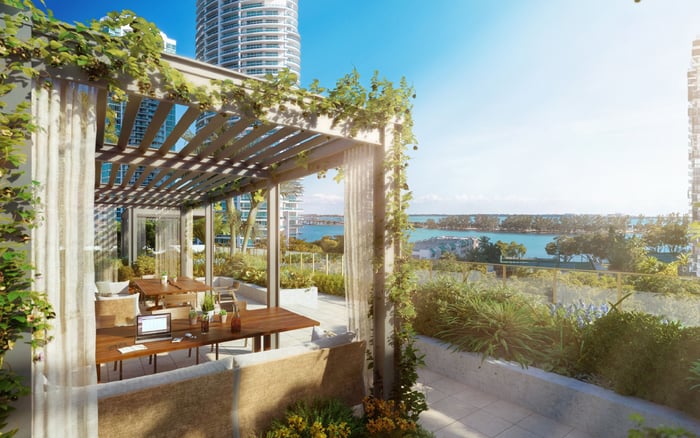
That signal is strongest when the residence remains clearly owner-caliber. A gracious entry sequence, durable surfaces, strong storage, refined lighting, and well-proportioned outdoor space all help short stays feel controlled rather than consumptive. If the home photographs beautifully, lives intuitively, and shows minimal wear, visitor exposure can reinforce desirability.
The key is restraint. A residence that feels like a private home with optional guest flexibility will usually read better than one staged entirely around turnover. Luxury buyers tend to reward properties that preserve a sense of permanence, even when the ownership model is flexible.
Before treating visitor exposure as a resale advantage, evaluate the building or community rules. Luxury resale depends on certainty. A buyer will want to understand whether short stays are clearly permitted, conditionally allowed, tightly limited, or discouraged by culture even if not formally prohibited.
Strong governance can enhance the argument. Clear registration procedures, guest screening, elevator protocols, parking rules, security standards, and amenity controls help preserve the residential experience. In that setting, visitor exposure may feel curated rather than chaotic.
Weak or ambiguous governance creates the opposite effect. If future buyers perceive uncertainty, they may discount the property or avoid it altogether. A resale narrative should be simple: the residence has flexible-use potential within a framework that protects the building’s tone.
Short-term visitor exposure has different meanings across South Florida. In Brickell, a buyer may associate flexibility with business travel, dining access, and urban convenience. In Miami Beach, the same concept may be tied to sand, wellness, design, and seasonal leisure. In quieter enclaves, it may require more discretion to avoid conflict with the expectations of full-time residents.
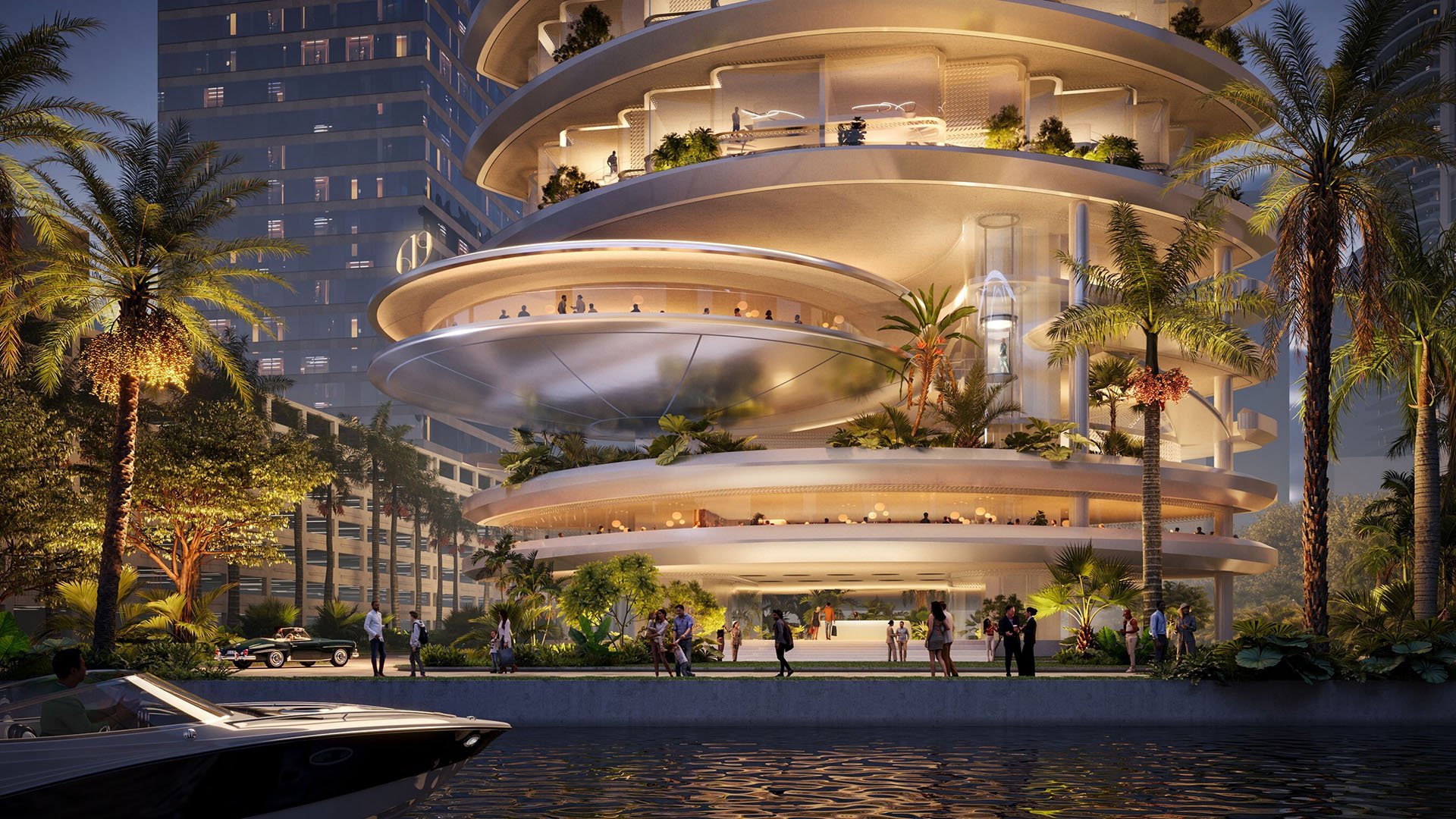
The strongest resale case emerges when the location’s visitor demand is intuitive. A waterfront residence, a walkable urban home, or a resort-adjacent address does not need a complicated explanation. The lifestyle is immediately legible.
By contrast, if a property is in a setting where privacy and continuity are the dominant premiums, frequent short-term use may narrow the buyer pool. In those cases, occasional guest exposure may be acceptable, but it should not become the headline of the resale strategy.
No resale advantage survives poor condition. If visitor exposure is part of the ownership history, the residence must show that it has been protected. Fresh maintenance records, consistent service routines, repaired millwork, clean upholstery, functioning systems, and cared-for outdoor areas matter enormously.
Luxury buyers are highly sensitive to small signals. Scuffed elevator foyers, overworked kitchens, tired linens in marketing images, or damaged terrace furniture can undermine the idea that visitor demand added value. The residence should feel rested, not rented.
Owners who may eventually resell should treat maintenance as part of asset management. Durable materials, professional cleaning standards, owner-grade furnishings, and periodic refreshes allow the property to carry flexible use without looking commercial.
A short-term use history can support an investment thesis, but it should rarely dominate the luxury resale presentation. High-net-worth buyers often care less about maximizing yield than about optionality, control, and confidence that the asset can serve multiple phases of life.
The most elegant framing is not, “This unit produces income.” It is, “This residence has demonstrated market appeal while remaining suitable for private enjoyment.” That distinction matters. Income language can attract one buyer group, but lifestyle optionality can speak to a wider audience.
If financial history is presented, it should be clean, organized, and contextual. Avoid making the residence feel like a hospitality product unless that is the explicit nature of the asset. In many cases, the softer language of flexibility will protect the luxury premium better than an aggressive yield narrative.
Visitor exposure becomes a liability when it conflicts with the identity of the building or neighborhood. If neighbors value discretion, staff are strained by turnover, amenities feel crowded, or management is frequently involved in guest issues, future buyers may see risk.
It can also hurt when the buyer profile is primarily end-user driven. Families, full-time residents, and privacy-focused owners may hesitate if they believe transient occupancy is common. Even where rules allow it, the social atmosphere of a building can shape resale perception.
Another warning sign is policy uncertainty. If rules are frequently debated, inconsistently enforced, or likely to tighten, short-term flexibility may be treated as speculative rather than valuable. A resale advantage should be durable enough to survive buyer diligence.
The best resale strategy is balanced and discreet. Lead with the residence: architecture, views, floor plan, finishes, service, privacy, and location. Then introduce visitor exposure as an added dimension of flexibility.
A strong seller narrative might emphasize that the property appeals to seasonal users, occasional guests, and owners who want optionality. It should also underscore that the home has been maintained to a private standard. The message is not volume. It is versatility.
For marketing, photography should avoid overt rental cues. Keep the visual language residential, polished, and calm. Show terraces, primary suites, kitchens, and arrival spaces as places of ownership, not turnover. Buyers should imagine themselves living there first, even if they appreciate the flexibility later.
A buyer considering a premium for visitor exposure should verify the rules, the building culture, the condition history, and the practical guest experience. Ask whether the residence can be used flexibly without creating friction. Consider how check-in, parking, luggage, service access, and amenity use are handled.
Also evaluate whether the feature will matter to the next buyer. If the likely future purchaser is another seasonal owner, flexible exposure may help. If the likely buyer wants a serene primary residence, the same feature may be neutral or negative.
The most resilient assets are those that do not depend on short-term use to justify value. Visitor exposure should be an accelerant, not the foundation.
When is short-term visitor exposure a resale advantage? It helps when the property is in a naturally desirable location, rules are clear, and the residence remains in excellent private-home condition.
Can visitor exposure hurt a luxury resale? Yes. It can hurt if it suggests heavy wear, building disruption, uncertain rules, or a transient atmosphere that conflicts with buyer expectations.
Should rental income be the main selling point? Usually not in the luxury segment. Optionality and demonstrated demand often read more elegantly than a purely income-driven pitch.
Why does building governance matter so much? Clear rules protect the residential experience and reduce buyer uncertainty. Ambiguity can make flexibility feel risky rather than valuable.
Is this more relevant in urban or resort areas? It is often easier to explain in locations with obvious visitor demand, such as urban cores, waterfront districts, or resort-oriented neighborhoods.
What condition issues should sellers address first? Focus on surfaces, upholstery, millwork, appliances, terraces, lighting, and any visible signs of repeated guest use.
Do luxury buyers like short-term flexibility? Some do, especially seasonal and second-home buyers. Others prioritize privacy, so the feature should be positioned carefully.
How should sellers describe prior visitor use? Present it as evidence of lifestyle appeal and flexibility, while emphasizing that the residence has been maintained to an owner-grade standard.
Should buyers pay more for this flexibility? Only when the rules are stable, demand is intuitive, and the property would remain desirable even without short-term use.
What is the safest resale strategy? Lead with enduring residential quality, then treat visitor exposure as an added layer of optionality rather than the entire value story.
For a tailored shortlist and next-step guidance, connect with MILLION.
If branded residences are on your mind — as a home or as an allocation — we would be glad to share what we are seeing, privately.
Begin a quiet conversation