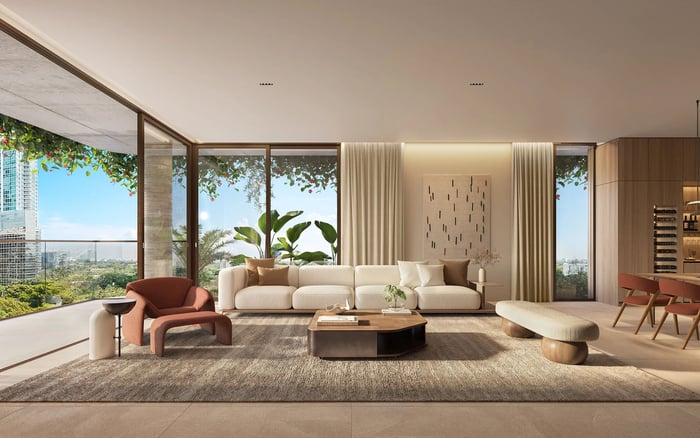
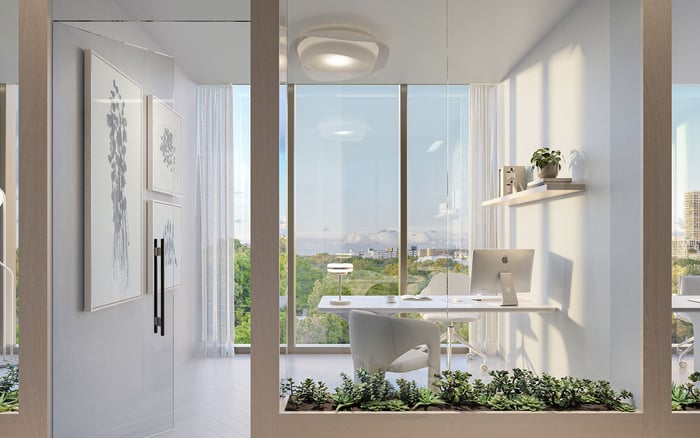
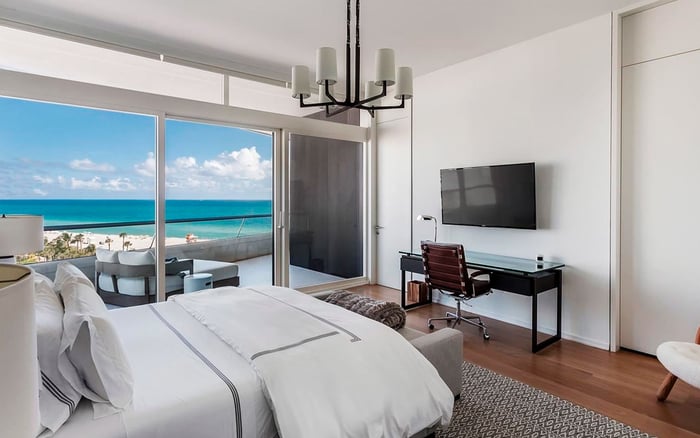
For buyers whose calendars move between showroom appointments, client dinners, and quick departures, Miami Design Residences in Midtown Miami offers a particularly efficient address. Its value is less about seclusion and more about adjacency: a walkable urban setting beside the Miami Design District, with a dense retail and dining ecosystem and practical road access toward Miami International Airport.
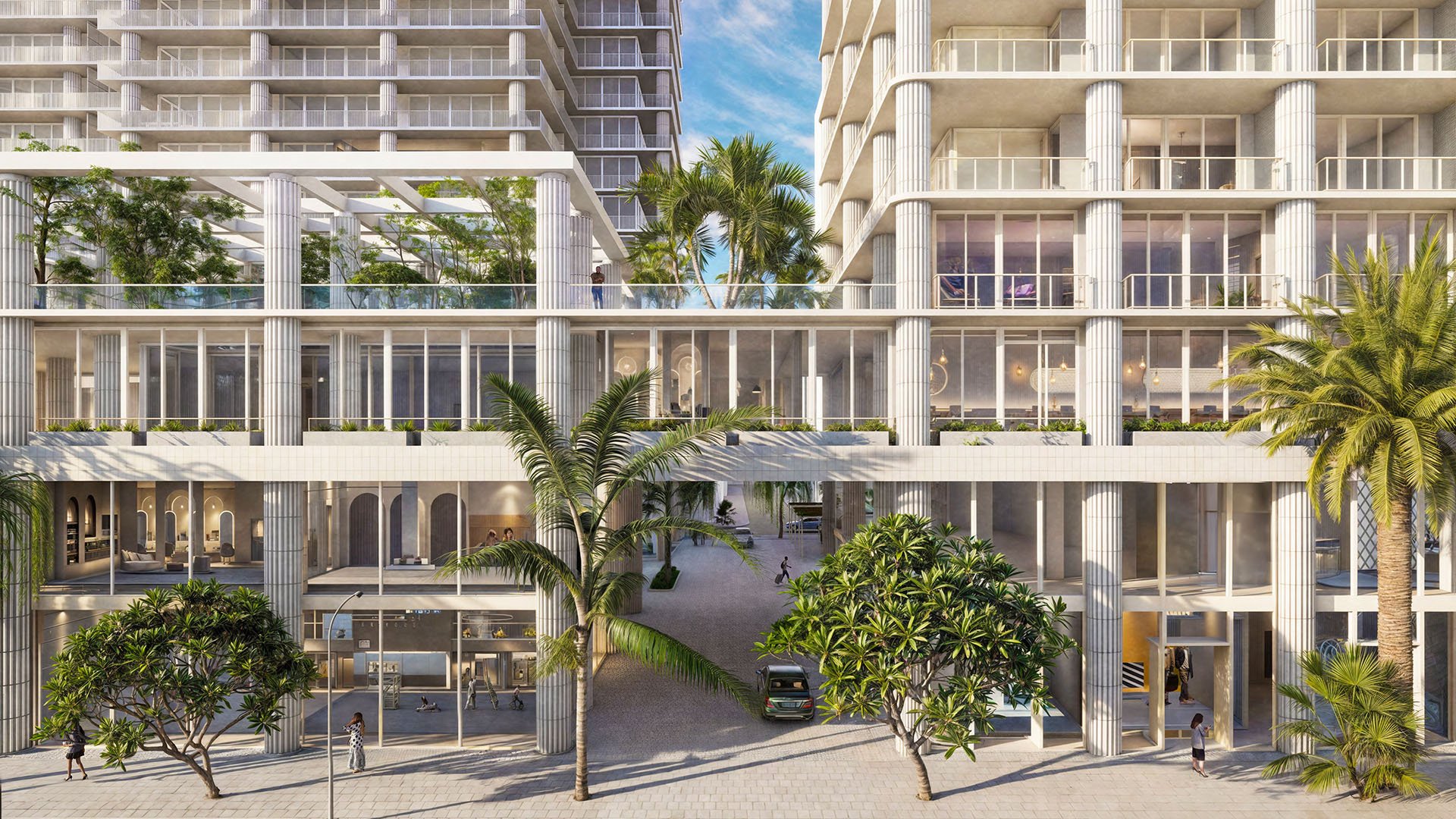
For a certain buyer, luxury is measured not only by privacy or waterfront frontage, but by how elegantly a day unfolds. At Miami Design Residences in Midtown Miami, the appeal lies in its setting within a mixed-use district where movement feels fluid rather than forced. For fashion insiders, creative consultants, art-adjacent entrepreneurs, and executives balancing appointments with social obligations, that distinction carries weight.
Midtown Miami functions as a compact urban neighborhood where many daily errands, meals, and social stops can be combined within the same general area. That kind of convenience shapes the lived experience. A resident can step out for coffee, continue on to lunch, add a retail errand, and move into evening plans without turning the day into a logistical exercise. In a market where many luxury homes trade on retreat, Midtown trades on rhythm.
That is why Miami Design Residences Midtown Miami feels especially aligned with buyers whose work and personal lives intersect with fashion, design, and image-driven industries. The address is not simply in Miami. It sits within one of the city’s clearest style corridors.
To understand the proposition, it helps to look one neighborhood over. Midtown’s strongest fashion credential is its immediate proximity to the Miami Design District, an adjacent enclave shaped around fashion, design, architecture, dining, art, and culture. For residents, that means daily access to a nearby ecosystem of luxury retail, design showrooms, and polished hospitality settings.
This is the kind of proximity that changes behavior. It supports a life in which a fitting, a gallery stop, a meeting over lunch, and an evening reservation can unfold within the same tightly drawn geography. The neighborhood becomes more than a place to sleep; it becomes a platform for presentation and ease.
The comparison is useful. A waterfront address such as Villa Miami speaks to a more private, sculptural expression of Miami luxury, while 888 Brickell by Dolce & Gabbana reflects a branded, vertical interpretation of fashion-oriented living in Brickell. Midtown Miami offers a different proposition: less ceremonial, more immediate. For the buyer who values frequency over formality, that can be the more compelling luxury.
In many parts of South Florida, walkability is treated as a pleasant bonus. In Midtown, it is central to the neighborhood’s identity. The area’s urban layout and emphasis on street-level activity give the district an unusually functional public realm. That matters because a well-composed day depends on small efficiencies.
A resident in a walkable district is often more inclined to use the neighborhood fully. Dinner becomes less planned and more instinctive. A midday pause feels possible. Last-minute gifts, wardrobe pickups, or social detours are easier to absorb. For professionals with irregular schedules, those details are not minor. They are what keep a week from feeling fragmented.
A buyer considering Kempinski Residences Miami Design District may be drawn to a more direct Design District identity, while Aria Reserve Miami offers a different relationship to the bay and skyline. Miami Design Residences is compelling because it occupies a practical seam between style, mobility, and everyday use.
For this audience, dining is not only about headline reservations. It is also about repetition. Midtown Miami has enough restaurant variety to sustain recurring local use, which is a more revealing measure of residential quality than a single famous table. The mix spans casual settings and more design-forward environments, making it possible to move through breakfast meetings, informal lunches, early dinners, and spontaneous evening plans within a familiar radius.
That pattern creates a genuine dining cadence. It is the cadence of a neighborhood where meals are integrated into the day rather than staged as separate events. In practice, that is highly attractive to residents in luxury retail, consulting, hospitality, media, and creative production, where schedules can shift quickly and social obligations often sit close to work.
The nearby Design District deepens this effect by blending dining with luxury retail and cultural energy. It is easy to imagine a resident moving from an afternoon appointment to cocktails and then dinner without ever feeling disconnected from the neighborhood’s visual identity. The appeal is consistency. The area maintains an aesthetic and social coherence that suits image-conscious buyers.
Airport convenience is often overstated in residential marketing, but in Midtown Miami the point is more grounded. The advantage is not unusual transit access. It is road positioning. From this part of central Miami, travel to Miami International Airport is generally a car journey, and Midtown’s location places it in a useful position for reaching major routes toward MIA.
For frequent travelers, that distinction matters. The address works well for early departures, visiting clients, quick turnarounds, and compressed travel schedules. It offers centrality without the deeper southern positioning of some neighborhoods, and that can reduce friction in the parts of the week that matter most.
This is one reason Midtown continues to appeal to buyers who want to remain connected to the wider urban core. Downtown and Brickell remain within the broader central-city orbit for business and nightlife, while Wynwood and the Design District reinforce the creative edge. The result is not a resort lifestyle. It is a highly usable city lifestyle.
Miami Design Residences is best understood as a residence for people who want access before escape. The buyer profile is fairly clear: someone who values proximity to luxury fashion, enjoys a walkable neighborhood, dines out often enough for variety to matter, and needs credible access to the airport without giving up a polished urban setting.
That buyer may also be comparing Midtown Miami with Brickell, Edgewater, or Wynwood. Brickell offers corporate density and vertical prestige. Edgewater offers more bay-oriented calm. Wynwood offers cultural energy and edge. Midtown, by contrast, is a refined middle ground. It is orderly enough to function, lively enough to feel current, and close enough to the Design District to inherit a meaningful share of that neighborhood’s glamour.
In a city where some luxury addresses are defined by spectacle, this one is defined by convenience with taste. That is a quieter promise, but often the more durable one.
Where is Miami Design Residences located? It is in Midtown Miami, positioned near the Miami Design District within a central urban setting.
Why does this residence appeal to fashion insiders? Its appeal comes from immediate access to a neighborhood ecosystem shaped by luxury retail, design, dining, and visual culture.
What makes Midtown Miami attractive for everyday living? The neighborhood supports a routine built around walkability, nearby dining, and easy movement through the urban core.
How important is the Design District to this location? It is central to the appeal because its adjacency adds fashion, design, and hospitality relevance to daily life.
Does the area support a polished work-and-social schedule? Yes. Midtown’s layout makes it easier to move between meetings, meals, errands, and evening plans without excessive backtracking.
What does dining cadence mean in this context? It means the neighborhood can support repeated use throughout the day, from coffee and lunch to cocktails and dinner.
Is this more of a retreat or an urban lifestyle address? It is primarily an urban lifestyle address, suited to buyers who prioritize access, activity, and neighborhood energy.
How does Midtown compare with Brickell? Midtown generally feels more closely tied to the Design District and creative neighborhoods, while Brickell leans more corporate and vertical.
How does Midtown compare with Edgewater? Midtown is typically more street-active and retail-oriented, while Edgewater often emphasizes bay views and a calmer waterfront setting.
Why does airport convenience matter here? For buyers with frequent flights or tight schedules, practical road access toward Miami International Airport adds day-to-day efficiency.
When you're ready to tour or underwrite the options, connect with MILLION Luxury.
If branded residences are on your mind — as a home or as an allocation — we would be glad to share what we are seeing, privately.
Begin a quiet conversation