A privacy-led guide to the Miami residence formats that best support sauna access, restorative routines, and low-friction wellness without crowded amenity culture.
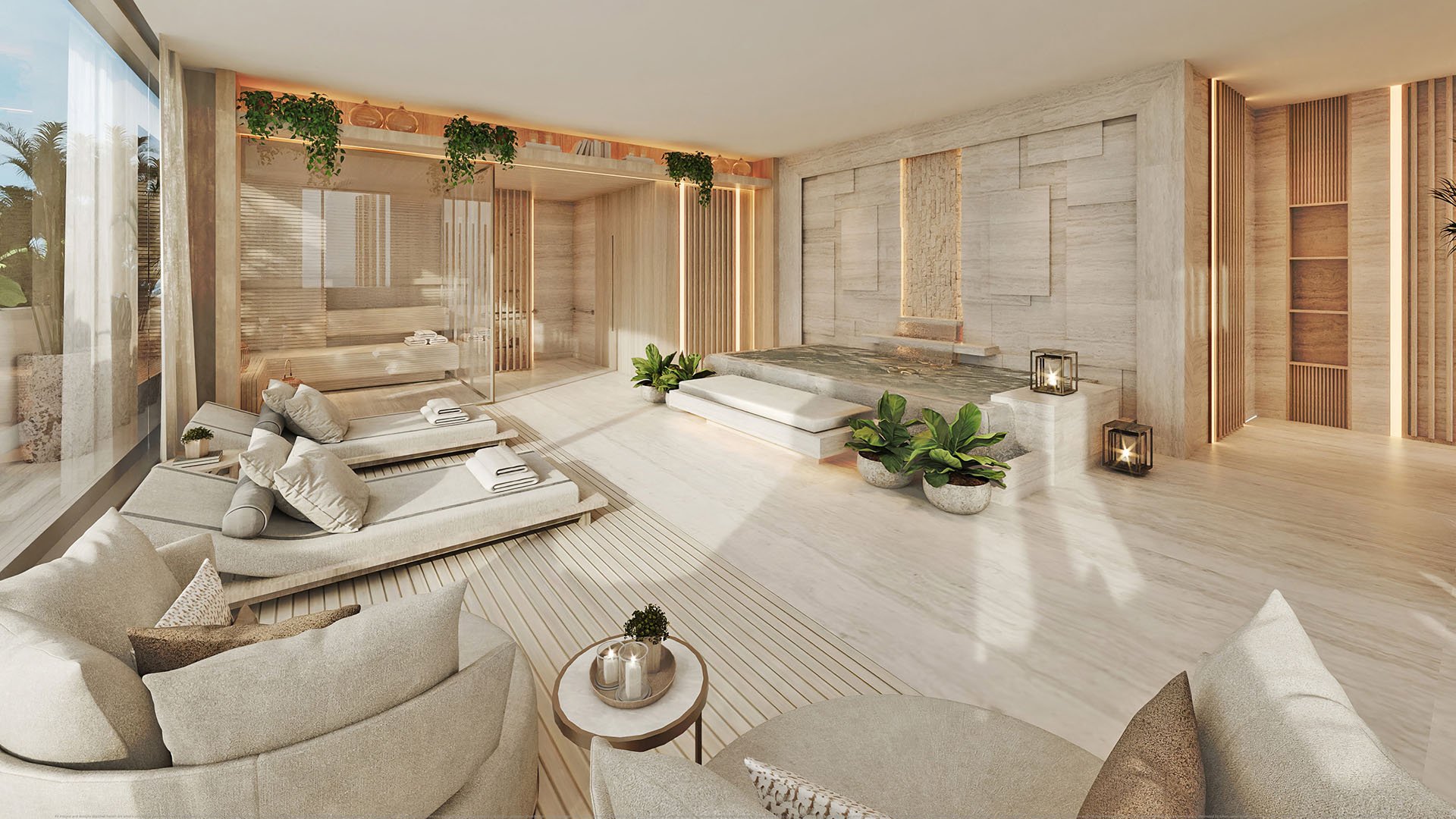
For the Miami buyer who values sauna access, recovery rituals, and a calm spa cadence, the most compelling residence is not always the one with the largest amenity deck. The sharper question is whether the building makes wellness feel effortless without pushing residents into peak-hour congestion, shared locker room bottlenecks, or highly social spaces when the objective is solitude.
That distinction matters across the city. Brickell buyers may want a restorative counterpoint to a dense urban schedule. A Miami Beach owner may prioritize ocean air and post-swim recovery over a crowded scene. In Surfside or Sunny Isles, the better fit may be a quieter building culture where wellness is treated as a private extension of home rather than a performance.
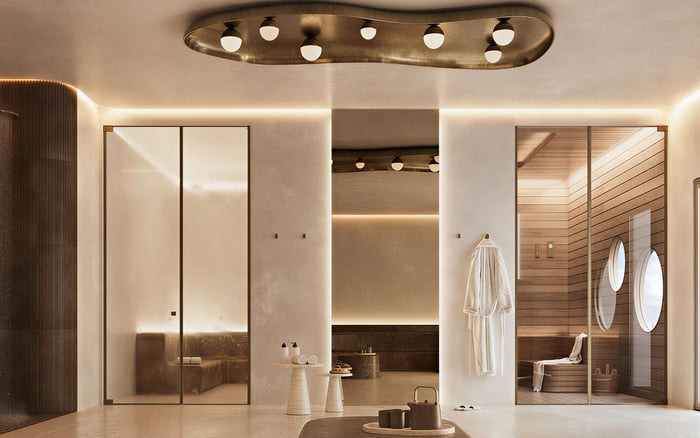
Sauna access is only one part of the equation. The stronger residence pairs heat therapy with controlled circulation, intelligent reservations, generous private outdoor space, and a service team that understands discretion. Below are the five residence types most aligned with buyers who want wellness without crowds.
1. Private in-residence sauna - the most controlled wellness experience
The clearest answer is a residence where the sauna is part of the home itself. This format gives the owner complete command of timing, privacy, guest access, and routine. It is especially compelling for buyers who see wellness as a daily ritual rather than an occasional amenity visit.
The due diligence is practical: confirm ventilation, moisture control, maintenance access, power requirements, and whether the building permits the installation or already accommodates it. A private sauna is not merely a luxury finish; it is a technical feature that should be evaluated with the same seriousness as kitchen systems or primary bath waterproofing.
2. Boutique building with reservable wellness rooms - intimate access with less traffic
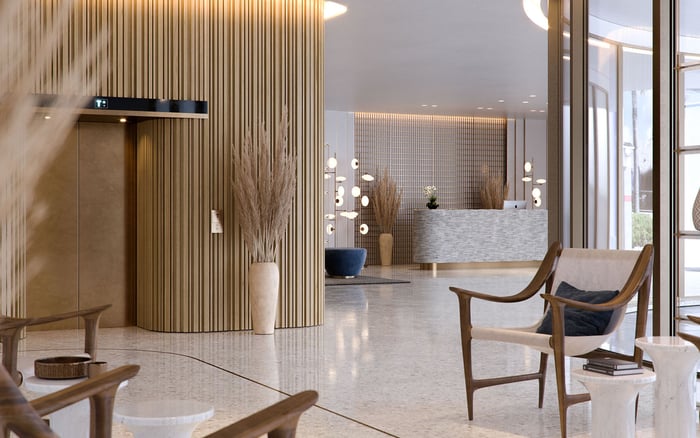
A boutique residence can be a strong choice when the wellness suite is intentionally scaled and reservation-based. Instead of competing with a large resident population, owners benefit from fewer crossings, a quieter lobby rhythm, and a more predictable amenity culture.
This is not about having fewer amenities. It is about having the right amenities with better access. Buyers should focus on whether the sauna, treatment room, fitness studio, or recovery area can be reserved, whether guest use is limited, and whether the building’s design separates wellness circulation from social and entertainment spaces.
3. Low-density waterfront residence - recovery shaped by water, air, and quiet
For many South Florida buyers, the most restorative amenity is not indoors. A low-density waterfront residence can pair sauna or spa access with open-air recovery, softer light, and a daily rhythm that feels removed from the city’s more energetic corridors.
The strongest candidates tend to offer an easy transition between interior wellness areas, outdoor lounging, and water-facing private space. The buyer should look for calm elevator patterns, discreet arrival, and a pool environment that feels residential rather than resort-like. The ideal experience is seamless: heat, shower, outdoor air, and privacy, without a sense of crowd management.
4. Terrace-led primary residence - private wellness beyond the spa
A generous terrace can make a major difference for buyers who want wellness without relying exclusively on shared rooms. Even when the building offers a sauna or fitness suite, the daily recovery experience often happens at home: stretching outside, cooling down after a workout, or creating a private morning routine before the building wakes up.
This category is especially relevant for owners who entertain selectively and live quietly. A terrace with privacy, shade potential, and strong indoor-outdoor flow can reduce dependence on communal amenity areas. It also gives the residence a restorative quality even on days when shared wellness spaces are busier than expected.
5. Full-service tower with disciplined amenity management - depth without disorder
A larger full-service tower can still work for a privacy-minded wellness buyer if the building operates with structure. The key is not the size of the amenity program, but the discipline behind it: reservations where needed, clear guest policies, calm service, and spaces that do not force every resident into the same path.
This choice suits buyers who want broader wellness infrastructure, perhaps including spa rooms, fitness areas, pools, lounges, and treatment-oriented spaces, but do not want the atmosphere of a public club. The right tower feels composed even when fully occupied. The wrong one feels crowded even when beautifully designed.
The word “sauna” can mean very different things in residential real estate. It may refer to an in-unit installation, a shared spa amenity, a wellness suite, or a broader recovery zone. The buyer’s task is to understand access, not just presence.
Ask how reservations work, whether prime hours are competitive, and whether the sauna is paired with showers, changing areas, cold recovery, or relaxation seating. Study how residents reach the space. A beautiful spa that requires walking through an active social lounge may not satisfy a buyer who wants discretion.
Also consider the building’s culture. Some properties are designed for visible lifestyle energy; others are more residential, quiet, and routine-oriented. Neither is inherently better. But for buyers seeking sauna and wellness access without crowds, culture can be as important as architecture.
Brickell offers convenience and energy, so the best wellness residence there must provide a strong private counterbalance. Buyers should examine elevator flow, amenity scheduling, and whether wellness areas are acoustically and physically separated from entertainment spaces.
In Miami Beach, the search becomes more sensory. Ocean proximity, walking rituals, and outdoor recovery may matter as much as the sauna itself. The right residence should support a rhythm of movement, heat, cool-down, and quiet return.
Surfside and Sunny Isles can appeal to buyers who want a softer waterfront routine while staying connected to luxury services. Here, the strongest homes are those that make privacy feel natural rather than enforced. A calm lobby, controlled beach or pool access, and well-spaced amenity zones can be more valuable than a long list of features.
The most successful wellness purchase begins with the owner’s actual habits. If sauna use is daily, private access or highly reliable reservation systems should sit near the top of the checklist. If the owner values the option rather than the ritual, then a well-managed shared suite may be sufficient.
Buyers should also look beyond renderings. Crowding is often created by operational choices: guest rules, short-term usage policies, event programming, and poor separation between social and wellness areas. A residence that appears modest on paper may live beautifully if access is calm and predictable.
The quiet luxury standard is not the loudest amenity package. It is the residence that protects time, health, privacy, and ease.
What is the best residence type for private sauna access? A home with an in-residence sauna offers the greatest control, provided the installation is properly permitted, ventilated, and maintained.
Can a shared sauna still feel private? Yes, if the building uses thoughtful reservations, guest limits, and discreet circulation that keeps wellness areas calm.
Is a boutique building better for uncrowded wellness? Often, a boutique building can offer a quieter rhythm, but the actual experience depends on operations, layout, and resident culture.
Should I prioritize a pool or a sauna? Prioritize the feature you will use most consistently, then evaluate how crowded it feels during the hours that matter to you.
Does Brickell work for a wellness-focused buyer? Yes, if the residence provides a strong private retreat from the neighborhood’s urban pace and manages amenity access carefully.
Is Miami Beach a good fit for restorative living? Miami Beach can be excellent for buyers who value ocean air, walking rituals, and a wellness routine connected to the outdoors.
How important is a terrace for wellness buyers? A terrace can be very important because it creates private space for recovery, stretching, cooling down, and quiet daily rituals.
Are Surfside residences typically quieter than larger urban towers? Surfside can appeal to buyers seeking a more composed waterfront lifestyle, though each building should be judged individually.
Can Sunny Isles suit buyers who dislike crowded amenities? Sunny Isles can suit them when the building has disciplined service, controlled access, and enough space for residents to spread out.
What should I ask before buying for sauna access? Ask about reservation rules, guest policies, maintenance responsibility, ventilation, peak usage, and how residents reach the wellness area.
When you're ready to tour or underwrite the options, connect with MILLION.
If branded residences are on your mind — as a home or as an allocation — we would be glad to share what we are seeing, privately.
Begin a quiet conversation