For full-time owners, the fitness floor is not a vacation amenity. It is part of the daily operating rhythm of a residence, and peak-time pressure can shape comfort, privacy, and perceived long-term value.
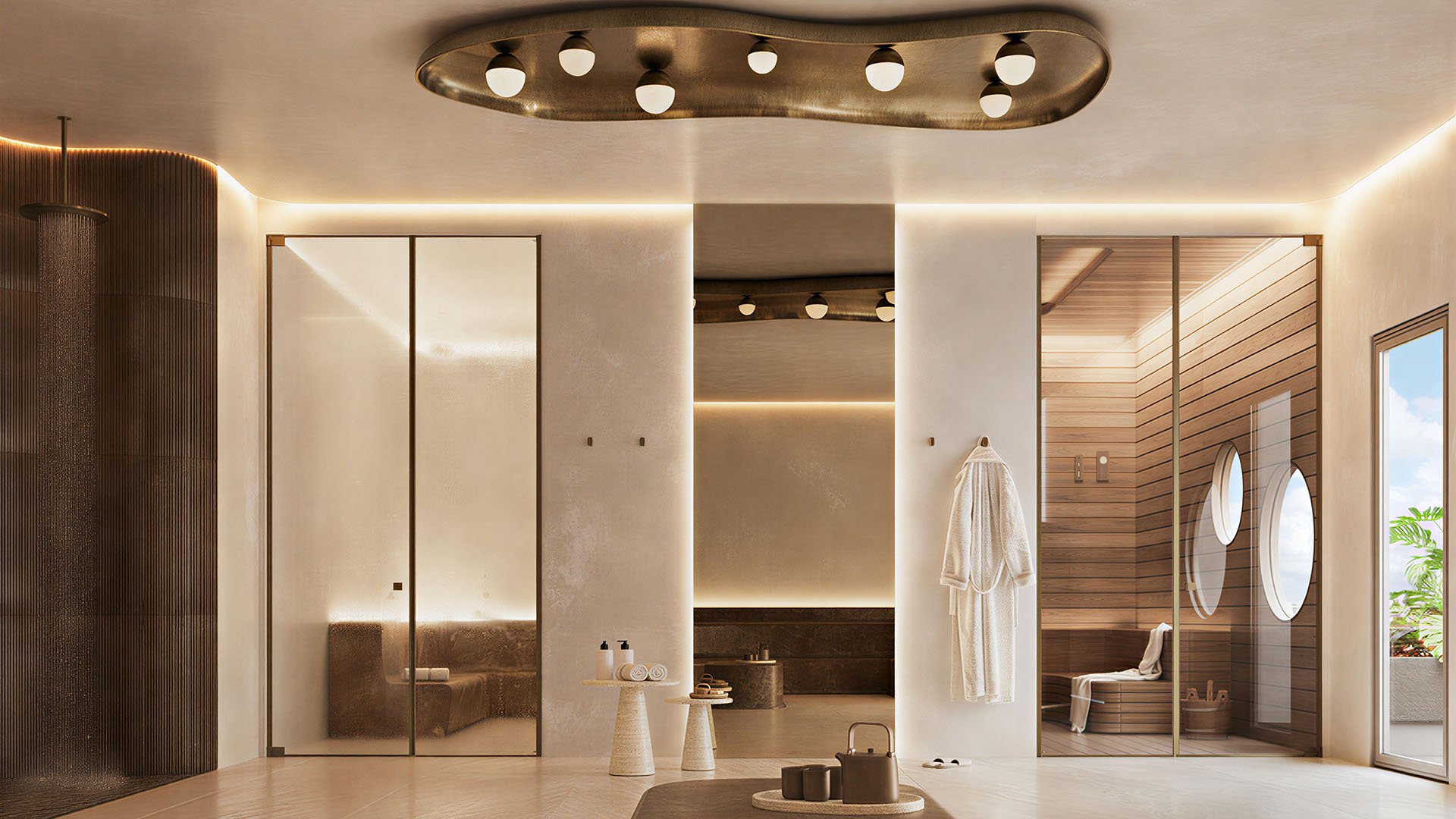
In South Florida luxury real estate, the fitness floor is often presented as a symbol of wellness: polished equipment, long water views, spa-adjacent calm, and the promise that health is seamlessly woven into residential life. Yet for full-time owners, the true measure of a fitness amenity is not how it appears in a rendering or during a weekend tour. It is how it performs at 7:30 on a Monday morning, after school drop-off, before a board call, or in the early evening, when the building’s most disciplined residents converge.
Seasonal guests often experience amenities episodically. They may use the gym twice during a stay, work around a crowded hour, or treat a delayed treadmill as part of vacation spontaneity. Full-time owners encounter the same room repeatedly, sometimes daily. A ten-minute wait, a congested free-weight zone, or a class schedule that monopolizes prime space becomes less an inconvenience than a recurring friction point built into ownership.
That distinction matters because the upper end of the market is increasingly judged by how gracefully a building supports life, not merely leisure. A residence can have exceptional finishes and a compelling view, but if its wellness spaces fail during peak demand, the building’s promise of ease is quietly weakened.
Every condominium has quiet hours and showcase moments. Peak times are different. They reveal whether the building has been designed and managed for real occupancy or for presentation. The question is not simply whether there is a gym. It is whether the fitness floor can absorb the predictable rhythms of residents who live there full time.
For an owner in Brickell, the morning fitness window may sit between market openings, school runs, and office commitments. In Miami Beach, an early training routine may be tied to outdoor life, beach access, or a disciplined wellness pattern. In Sunny Isles, Surfside, Coconut Grove, and West Palm Beach, the same principle applies in different lifestyle formats: owners are not sampling the building; they are inhabiting it.
Peak-hour performance is therefore a proxy for operational intelligence. A building that anticipates resident behavior tends to feel composed even when it is busy. A building that treats the gym as a decorative amenity tends to show strain precisely when residents need it most.
Seasonal guests often approach the fitness floor with flexibility. Their schedules may be looser, their expectations softer, and their time horizon shorter. If the Pilates room is booked, they may walk outside. If the strength area feels crowded, they may return later. Their experience is real, but temporary.
Full-time owners evaluate the amenity through repetition. They notice whether towels are replenished, whether music levels are appropriate, whether machines are repaired promptly, and whether personal trainers or private groups disrupt the shared environment. They learn which hours are manageable and which become predictable bottlenecks. Over time, these micro-observations become part of how they feel about the building itself.
This is why a fitness floor can influence satisfaction out of proportion to its square footage. It sits at the intersection of health, time, privacy, and status. A resident may forgive a crowded pool on a holiday weekend. A crowded gym every weekday morning is a different issue because it interferes with discipline, efficiency, and the quiet luxury of not having to negotiate basic routines.
Sophisticated buyers should look beyond the checklist. A cardio deck, yoga room, recovery suite, and training studio may sound comprehensive, but the better question is how those spaces operate under demand. Does the layout separate high-intensity training from stretching and recovery? Are there enough duplicate machines to prevent bottlenecks? Does the room allow privacy without feeling empty? Is there a booking protocol for studios, and is it enforced with discretion?
For full-time owners, amenity planning should be considered alongside floor plan, elevator strategy, parking flow, and service standards. The fitness floor is part of the building’s daily infrastructure. When it works, it disappears into life. When it fails, it becomes a recurring reminder that the building was not fully calibrated for resident behavior.
This is particularly relevant in towers that attract a mix of primary residents, second-home owners, visiting family, and guests. The more varied the occupancy pattern, the more important management becomes. A beautiful gym can still feel chaotic if access, scheduling, guest policies, and trainer protocols are loosely handled.
At the top of the market, time is a luxury equal to space. Full-time owners are not merely buying access to amenities; they are buying the right not to waste time. A well-run fitness floor respects that by minimizing friction. It allows a resident to arrive, train, recover, and return upstairs without negotiation.
Privacy is equally important. In a club or hotel gym, visibility may be expected. In a private residential tower, owners often prefer a more controlled environment. Peak times can compromise that feeling if the room becomes socially dense, if outside trainers dominate the floor, or if guests use the amenity with a different etiquette than residents.
The best environments create a sense of calm even when active. That may come from thoughtful circulation, acoustics, equipment spacing, staff presence, or subtle rules that prevent the fitness floor from becoming an unregulated social venue. These are not glamorous details, but they are the details that preserve the tone of a luxury address.
A building’s perceived value is formed by repeated experiences. Lobbies, elevators, valet, security, pool service, and fitness floors all contribute to the owner’s daily impression. The gym is especially revealing because it is used at moments of routine rather than ceremony.
For resale-minded owners, this matters. A buyer touring a residence may be captivated by the view, but a discerning buyer will also ask whether the building feels livable year-round. If the fitness floor appears undersized, poorly maintained, or operationally vague, it can raise broader questions about how the building is managed.
Conversely, a fitness environment that feels balanced during peak periods can reinforce confidence. It suggests the building understands its residents and protects the integrity of daily life. In a market where many properties offer extensive amenity menus, the differentiator is no longer the existence of wellness space. It is whether that space works beautifully under pressure.
A serious buyer should try to understand the fitness floor as it is used, not as it is shown. If possible, tour at a realistic time of day. Observe whether residents move easily through the space. Look at how equipment is arranged, whether there is room for mat work, how free weights are managed, and whether the studio spaces feel flexible or constantly claimed.
Ask practical questions in a refined way. How are outside trainers handled? Are classes scheduled during the most desirable hours? Can guests use the facility, and under what limits? How quickly is equipment serviced? Are there separate spaces for strength, cardio, stretching, and recovery? The answers can reveal whether the amenity is governed by hospitality discipline or left to resident improvisation.
The goal is not to find an empty gym. A healthy building should have active residents. The goal is to find evidence of proportion, policy, and maintenance. For full-time owners, those qualities determine whether the fitness floor remains a privilege or becomes a point of daily compromise.
Why do peak times matter more to full-time owners? Full-time owners encounter the fitness floor repeatedly, so small delays or crowding patterns become part of daily life rather than one-time inconveniences.
Are seasonal guests less affected by gym crowding? Usually, yes. Seasonal guests tend to use amenities more sporadically and may have more flexibility to shift their workouts.
What is the most important fitness-floor question for buyers? Ask whether the space performs well during the hours residents actually want to use it, not just whether it looks impressive on a tour.
Does a larger gym always solve peak-time pressure? Not necessarily. Layout, equipment mix, policies, maintenance, and management can matter as much as size.
Should buyers tour the fitness floor during busy hours? Yes. A peak-time visit can reveal circulation, crowding, etiquette, and the building’s operational discipline.
Can guest policies affect the owner experience? Yes. Loose guest access can make a private residential amenity feel less controlled, especially during desirable workout windows.
Why do trainer policies matter? Trainers can improve the wellness offering, but unmanaged training activity may monopolize equipment or alter the tone of the room.
Is the fitness floor relevant to resale value? It can influence perceived value because buyers often judge a building by how well its amenities support everyday living.
What signals a well-managed fitness amenity? Clean equipment, clear rules, prompt repairs, balanced scheduling, and calm staff oversight are strong indicators.
Is a crowded gym always a negative sign? No. Active use can be positive if the space is proportioned, maintained, and managed so residents still move through it easily.
When you're ready to tour or underwrite the options, connect with MILLION.
If branded residences are on your mind — as a home or as an allocation — we would be glad to share what we are seeing, privately.
Begin a quiet conversation