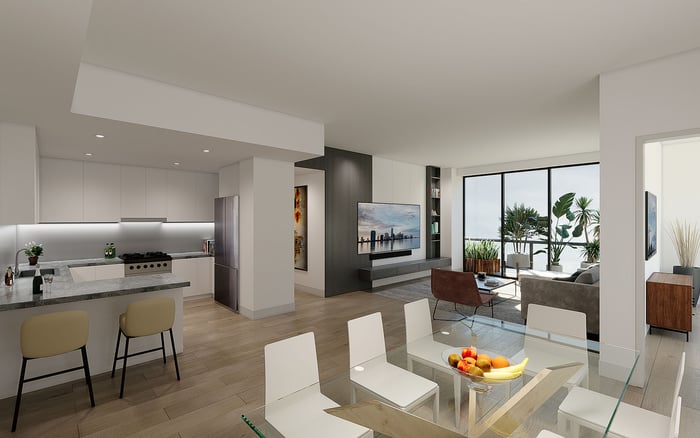
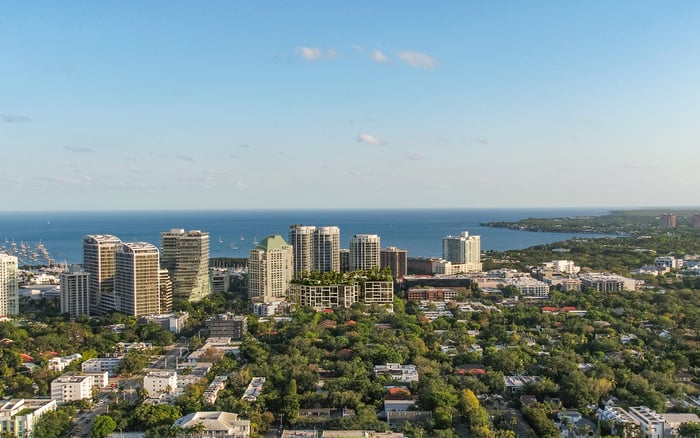
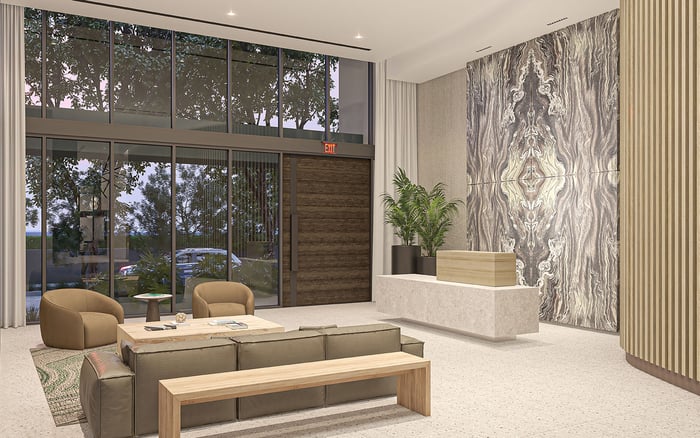
A discreet buyer guide to comparing Ziggurat Coconut Grove and Arbor Coconut Grove through ownership verification, wellness access, spa traffic, and long-stay livability rather than assumptions.
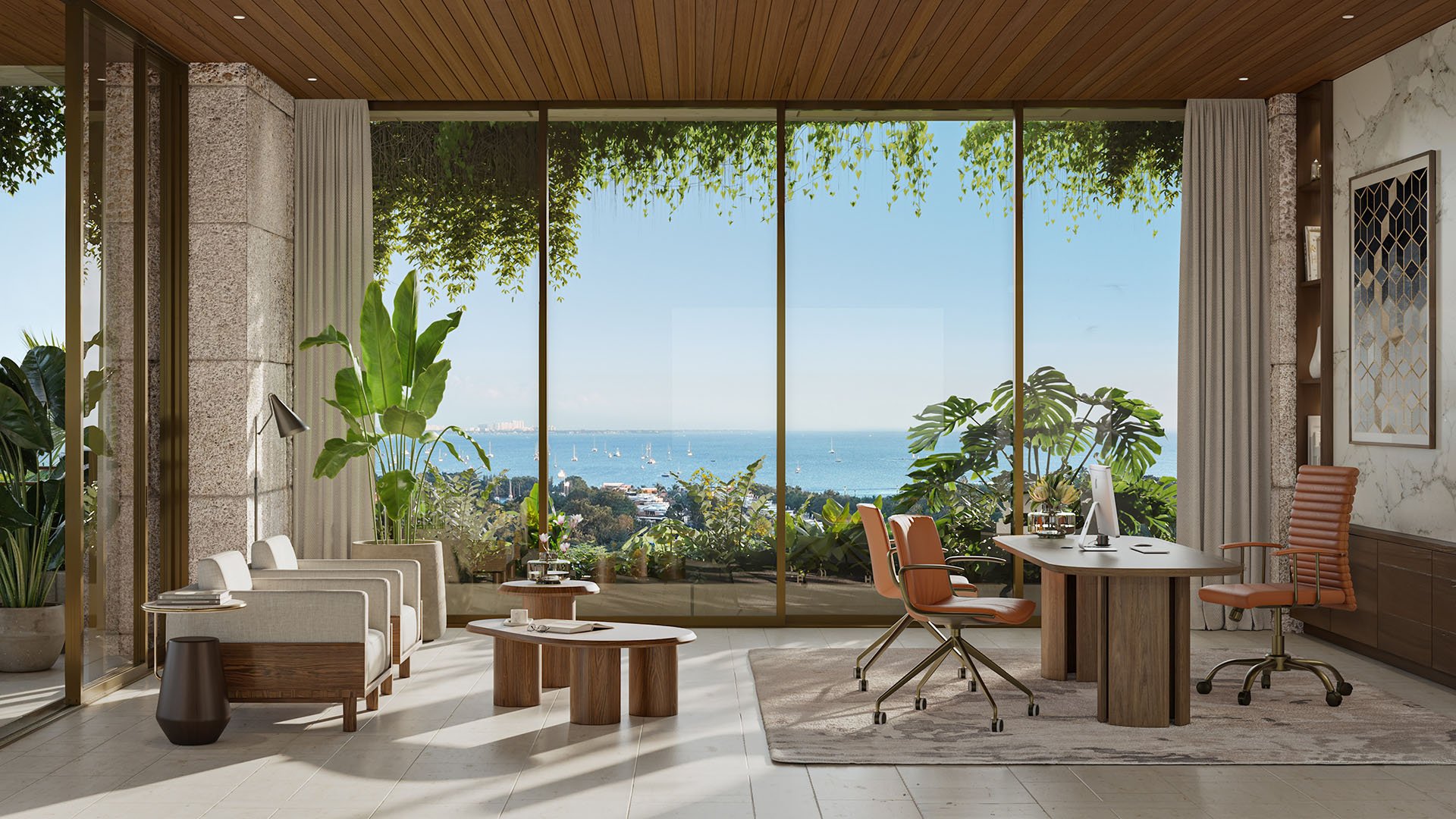
Ziggurat Coconut Grove and Arbor Coconut Grove sit within one of Miami’s most closely watched residential settings: Coconut Grove, where leafy privacy, walkable village life, and a quieter expression of luxury can matter as much as skyline views. For buyers considering either project, the central question is not simply which address feels more compelling. It is whether the ownership structure, wellness experience, and day-to-day operating rules align with how the residence will actually be used.
That distinction matters. A residence intended for primary living requires a different framework than a second home, an investment hold, or a seasonal base with occasional rental flexibility. The project names alone do not resolve those questions. The useful comparison begins with diligence: what exactly is being purchased, who controls the wellness amenities, how private the spa environment will be, and whether the building is designed for longer stays rather than transient turnover.
Both Ziggurat Coconut Grove and Arbor Coconut Grove belong in the Coconut Grove residential conversation. Yet the specific ownership model for each, including whether the structure is a conventional condominium, hospitality-influenced residence, managed rental concept, fractional interest, or another arrangement, should be verified directly through offering materials and governing documents before a buyer makes a commitment.
For luxury buyers, ownership model is not a technical afterthought. It determines control, financing assumptions, resale clarity, rental rights, privacy, tax considerations, and the lived rhythm of the building. If a residence is held like a traditional condominium, the buyer typically evaluates association rules, maintenance responsibilities, reserves, and resale comparables. If a project includes hospitality elements, managed rental participation, or hotel-style services, the diligence extends into operational agreements, revenue limitations, owner-use windows, and brand or management control.
At this stage, no verified detail establishes the exact ownership structure for Ziggurat Coconut Grove or Arbor Coconut Grove. That makes it premature to declare one better suited for full-time living and the other better suited for flexible use. Instead, buyers should request the full legal package and ask targeted questions: What is the form of title? Are rentals permitted? If so, for what duration and under whose management? Are owners required to use a particular rental program? Are there blackout periods, minimum stays, or use restrictions?
This is especially important for buyers searching Coconut Grove with a wellness-forward lens. The aesthetic presentation of a new project can be persuasive, but ownership rights are found in documents, not mood boards.
Wellness has become one of the defining languages of ultra-premium residential development, but not all wellness offerings function the same way. Some are resident-only environments designed for privacy and routine. Others may be supported by spa operators, treatment rooms, visiting practitioners, public-facing memberships, or scheduled programming. Each model creates a different daily experience.
For a primary resident, the ideal wellness environment often emphasizes predictability: a quiet gym in the morning, reliable treatment availability, clean circulation, and limited outside traffic. For a seasonal owner, the priority may be convenience and immediate access to services on arrival. For an investor, wellness programming may support marketability, but only if the governing rules allow the intended use.
No verified detail currently establishes the wellness programming, spa operations, public access, or expected spa traffic for Ziggurat Coconut Grove or Arbor Coconut Grove. Buyers should therefore avoid assuming that either project will deliver a private sanctuary or a hotel-like wellness club until the access model is confirmed.
The essential question is simple: who is allowed to use the spa, when, and under what reservation system? The answer will shape everything from elevator activity to pool-deck quietude, valet demand, and the ease of maintaining a long-stay routine.
Spa traffic is not merely an amenity issue. In a luxury residential building, it affects privacy, acoustics, staffing, security, and the subtle sense of arrival. A resident-only spa may feel calm and familiar. A public or semi-public wellness component may create energy and service depth, but it can also bring more movement through shared areas.
Neither approach is inherently superior. Some buyers appreciate a professionally animated wellness environment with treatment availability and a strong service culture. Others want a building that behaves more like a private home, with minimal nonresident presence. The right answer depends on use case.
For Ziggurat Coconut Grove and Arbor Coconut Grove, the prudent buyer should ask whether wellness areas are separated from residential circulation, whether treatment guests use the same arrival sequence as owners, and whether spa scheduling is governed by the association, an operator, or a private management entity. Buyers should also ask whether memberships, day passes, hotel guests, or outside clients are contemplated.
The most luxurious outcome is not always the one with the longest amenity list. It is the one whose operating model preserves the lifestyle the buyer expects.
Long-stay livability is where many wellness-oriented projects are truly tested. A residence may photograph beautifully and still fall short for a buyer planning to stay for weeks or months at a time. The practical details matter: storage, parking, deliveries, pet policies, guest access, package handling, housekeeping options, in-residence work areas, kitchen functionality, and the rules around extended occupancy.
At present, no verified detail establishes the minimum lease terms, rental restrictions, furnished-residence options, hotel-style services, or long-stay operating rules for either Ziggurat Coconut Grove or Arbor Coconut Grove. Direct confirmation is essential.
A buyer intending to live in the residence for extended periods should ask how the building handles ordinary domestic life. Can owners personalize interiors? Are there restrictions on service providers? Is there sufficient privacy for family and guests? How does the building manage peak seasonal demand? If the residence is part of a rental or hospitality program, can the owner still establish a predictable home routine?
Long-term rentals may be relevant to some buyers, but only if they are permitted and practical. Rental possibility is not the same as rental suitability, and both must be documented.
The fairest comparison between Ziggurat Coconut Grove and Arbor Coconut Grove is not a winner-take-all judgment. It is a sequence of confirmations. Begin with title and ownership rights. Move to association or operating documents. Then review rental permissions, wellness access, spa traffic, staffing, insurance, reserves, and the building’s intended rhythm.
For a full-time Grove resident, privacy, governance, and everyday convenience may outweigh short-term flexibility. For a second-home buyer, lock-and-leave services, maintenance simplicity, and wellness access during peak periods may be more important. For an investment-minded buyer, the questions shift toward allowable occupancy, rental administration, fees, and resale clarity.
Until more specific project-level details are confirmed, neither Ziggurat Coconut Grove nor Arbor Coconut Grove should be treated as the definitive answer for all wellness-focused buyers. Both should be evaluated through the same disciplined lens: what is owned, what is shared, what is restricted, and what daily life will feel like after the first impression fades.
Is Ziggurat Coconut Grove confirmed as a condominium? The exact ownership model has not been verified here. Buyers should review offering documents and legal materials before assuming the structure.
Is Arbor Coconut Grove confirmed as a condo-hotel or rental product? The exact ownership model has not been verified here. Buyers should confirm whether it is designed for primary use, seasonal use, rentals, or another structure.
Which project is better for wellness-focused buyers? There is no verified basis to name a winner. The better fit depends on access rules, programming, privacy, and operating structure.
Should buyers ask about public spa access? Yes. Public, member, guest, or resident-only access can materially change privacy, traffic, and the daily feel of the property.
Why does spa traffic matter in a luxury residence? Spa traffic can affect arrivals, elevators, staffing, security, and overall quietude. It should be evaluated before purchase.
What should long-stay buyers verify first? They should verify minimum lease terms, rental restrictions, owner-use rules, storage, services, parking, and guest policies.
Can either project be assumed suitable for investment use? No. Investment suitability depends on documented rental rights, fees, management rules, demand, and resale clarity.
Is Coconut Grove appropriate for a second-home buyer? Coconut Grove can appeal to seasonal buyers seeking privacy and village character, but each project’s rules must support that use.
What documents should buyers request? Buyers should request offering materials, association documents, rental policies, amenity rules, budgets, and management agreements.
Should buyers compare amenities before ownership terms? No. Ownership terms should come first because they define control, flexibility, obligations, and the practical value of every amenity.
When you're ready to tour or underwrite the options, connect with MILLION.
If branded residences are on your mind — as a home or as an allocation — we would be glad to share what we are seeing, privately.
Begin a quiet conversation