For collectors considering Frida Kahlo Wynwood Residences, the real value proposition is not generic luxury but daily access to Miami’s most walkable art ecosystem. Wynwood rewards buyers who want galleries, murals, studios, and cultural programming woven into ordinary routines, while asking them to accept a livelier streetscape, more car dependence, and a narrower resale audience than more conventional luxury districts.
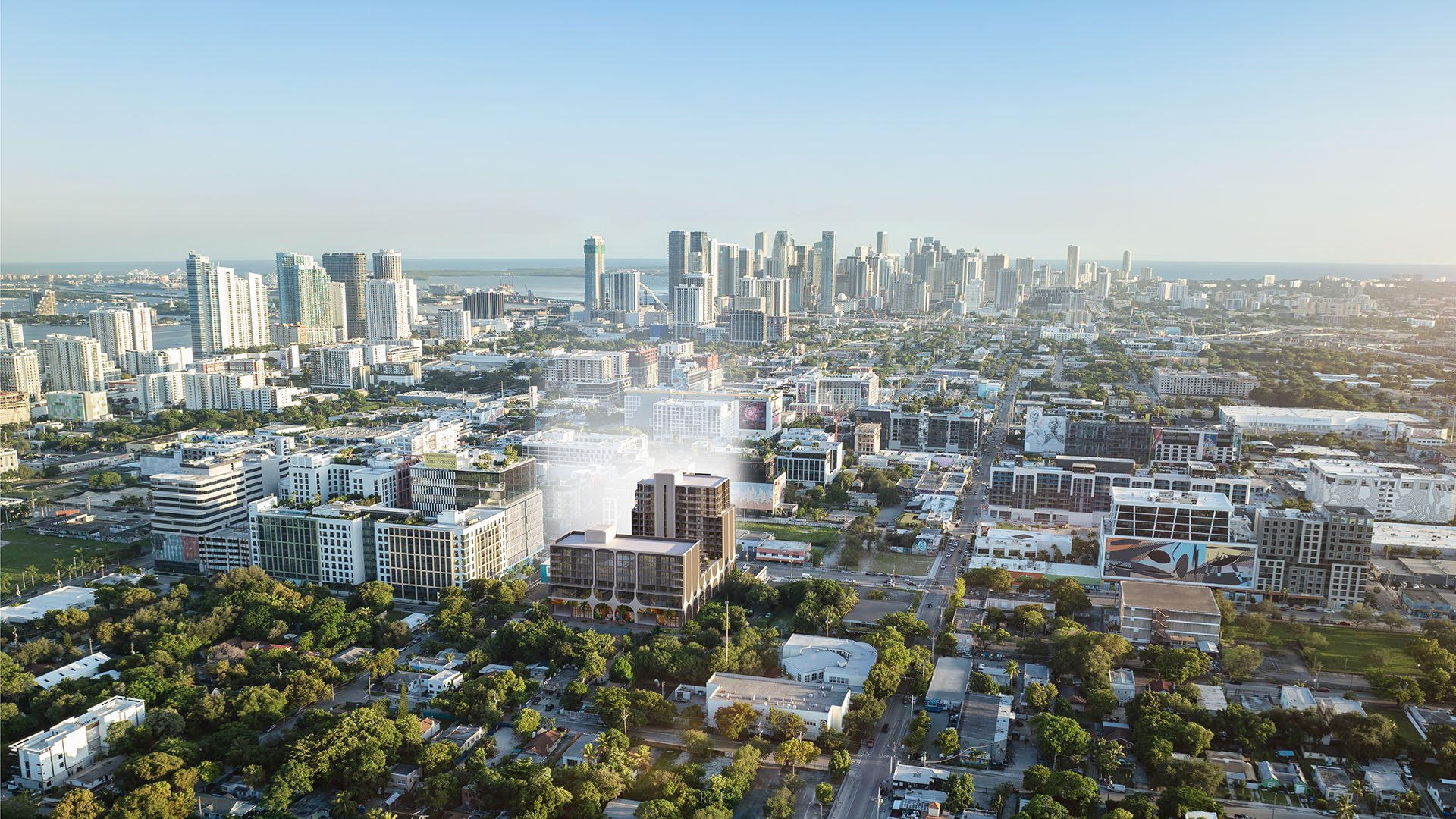
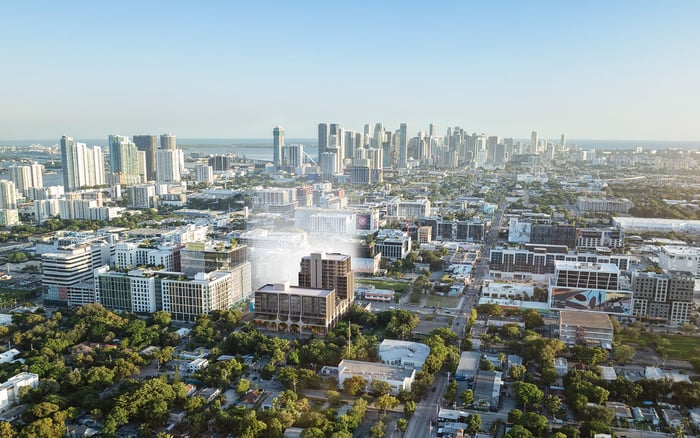
For a collector, the value of living at Frida Kahlo Wynwood Residences is best judged through a different lens than in Brickell, Miami Beach, or Fisher Island. Wynwood is not primarily a polished, service-saturated residential enclave. It is a cultural district in Miami-Dade, and its appeal is rooted in proximity, atmosphere, and creative energy.
That distinction matters. In some neighborhoods, day-to-day value is measured by service, office-core convenience, or a highly standardized luxury ecosystem. In Wynwood, the calculus is more personal. The premium lies in stepping out for coffee and passing murals, exhibitions, gallery openings, artist studios, and a public realm that feels visually alive even on an ordinary weekday.
For buyers drawn to Frida Kahlo, that is the central proposition. The neighborhood offers a rare sense of immersion. If your collecting life is active rather than ceremonial, Wynwood can feel less like a backdrop and more like an extension of your interests.
The strongest argument for living in Wynwood is practical rather than abstract. Collectors often speak about art as a lifestyle, but here that idea can become literal. The neighborhood supports a daily rhythm in which culture is accessible on foot, often without advance planning.
A resident can move fluidly among murals, galleries, and nearby museum culture. This is where Wynwood diverges from more conventional luxury districts. Compare it with St. Regis® Residences Brickell, Waldorf Astoria Residences Downtown Miami, or Una Residences Brickell and the contrast is immediate. Those addresses are anchored by classic urban luxury markers such as service, skyline prestige, and stronger integration with office and downtown movement. Wynwood, by contrast, offers an experience that is less corporate and more sensory.
For the right buyer, that can be more valuable. If your week naturally includes studio visits, exhibition browsing, collecting conversations, and a preference for independent cafes and restaurants over scripted amenity programs, Wynwood begins to read as highly functional rather than merely fashionable.
The day-to-day advantages are real, but so are the trade-offs. Wynwood’s industrial legacy and continuing redevelopment mean the area can feel more active, less insulated, and at times less hushed than traditional luxury districts. Nightlife, events, evolving streetscapes, and ongoing development are all part of the neighborhood’s texture.
For some owners, that is energizing. For others, it can feel like friction. A collector who wants an environment with a measure of unpredictability may appreciate the neighborhood’s pulse. A buyer who associates luxury with quiet continuity may find better alignment elsewhere, including Park Grove Coconut Grove.
Transit and mobility are another practical consideration. Wynwood is central, but many daily trips still work better by car than in denser office-residential districts. That does not diminish the neighborhood’s walkability within its own cultural core, but it does shape how convenient life feels beyond that immediate radius.
In other words, Frida Kahlo is most compelling if your world is meaningfully centered in Wynwood, the Design District, Downtown, and nearby cultural pockets. If your routine depends on seamless office commuting or a fully curated resort-style environment, the value proposition becomes less clear.
A distinctive neighborhood can create strong emotional conviction at purchase, but discerning buyers also think ahead. Wynwood is an established residential market, yet its audience is more specialized than broader-buyer districts. That makes resale depth an important part of the ownership conversation.
This is not necessarily a weakness. Specialized markets often work well for buyers who understand exactly why they are buying. The caution is simply that your eventual purchaser may need to share your priorities. A future buyer who wants immediate immersion in contemporary art culture may see Wynwood as irreplaceable. A buyer seeking standardized luxury may instead gravitate to districts with a more familiar playbook.
For collectors, that suggests a disciplined approach. Buy here because the neighborhood materially improves daily life, not because it imitates the broadest version of Miami luxury. The more precisely your lifestyle matches the district, the stronger the ownership logic tends to be.
Wynwood’s appeal is unusually tied to its cultural ecosystem. Murals alone are not enough. What gives the neighborhood lasting relevance for collectors is the ongoing presence of galleries, artists, and public programming that keep it active as more than a branding exercise.
That is why planning, land use, and redevelopment matter. If future growth preserves a meaningful mix of arts infrastructure and cultural uses, Wynwood can continue to justify a premium for culture-oriented buyers. If development steadily pushes the district toward a more generic residential and hospitality identity, some of the neighborhood’s singularity may soften.
This is also where thoughtful due diligence becomes part of luxury buying. Ownership costs, tax context, nearby parcel conditions, redevelopment pipelines, flood exposure, and insurance realities all shape long-term value. Even in a non-beachfront setting, climate risk remains part of the decision. For a serious collector, the art-life advantage should be weighed alongside the less glamorous but essential details of holding property over time.
Yes, but in a very specific way.
For collectors, Wynwood can deliver uncommon daily value because it turns cultural access into routine. The neighborhood offers visual stimulation, walkable art encounters, and proximity to contemporary programming that few Miami-Dade districts can replicate in the same way. It can make collecting feel less compartmentalized and more integrated into daily living.
But that value is not universal. Buyers who prioritize quiet, predictability, office-core convenience, or a resort-service framework may weigh the trade-offs differently. In that sense, Frida Kahlo should not be compared with every luxury address on identical terms. It belongs to a narrower, more intentional category: a residence for people who want to live within a creative district rather than adjacent to one.
For the collector who values that proposition, Wynwood is not a compromise. It is the point.
Is Frida Kahlo Wynwood Residences best suited to collectors? Yes. Its strongest appeal is to buyers who value daily access to art, galleries, murals, and cultural programming.
Does Wynwood feel like a traditional luxury neighborhood? Not exactly. It feels more like an active arts district than a classic, service-driven condo enclave.
What creates day-to-day value in Wynwood? Walkable proximity to exhibitions, studios, museums, independent cafes, and a visually distinctive public realm.
Is Wynwood quieter than Brickell or Coconut Grove? Generally no. The neighborhood tends to have a livelier streetscape shaped by nightlife, events, and redevelopment.
Do residents in Wynwood still need a car? Often yes. While the cultural core is walkable, many trips beyond it are still more convenient by car.
How does Wynwood compare with Brickell for luxury living? Brickell typically offers a more standardized luxury ecosystem, while Wynwood offers deeper cultural immersion.
Is resale in Wynwood as broad as in other Miami luxury districts? Usually not. The buyer pool can be more specialized because the lifestyle proposition is more specific.
What supports Wynwood’s long-term appeal for collectors? The continued health of its galleries, artist spaces, and public cultural programming helps sustain that appeal.
Should climate and insurance risk still matter in Wynwood? Yes. Even away from the beachfront, flood exposure and insurance considerations remain part of ownership planning.
Who gets the most value from living in Frida Kahlo? Buyers whose daily routines genuinely revolve around contemporary art, design, and neighborhood culture.
For a confidential assessment and a building-by-building shortlist, connect with MILLION Luxury.
If branded residences are on your mind — as a home or as an allocation — we would be glad to share what we are seeing, privately.
Begin a quiet conversation