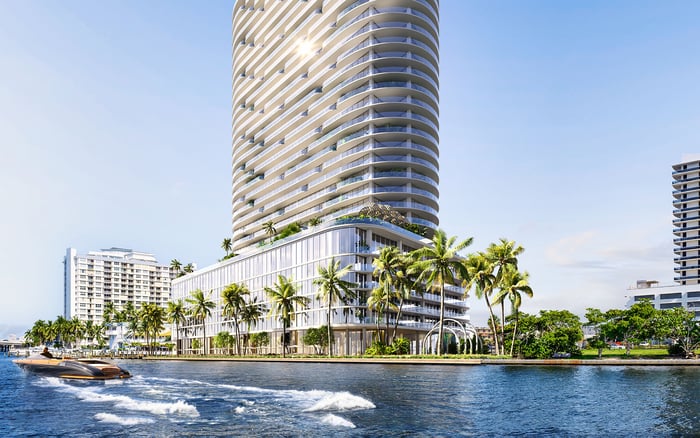
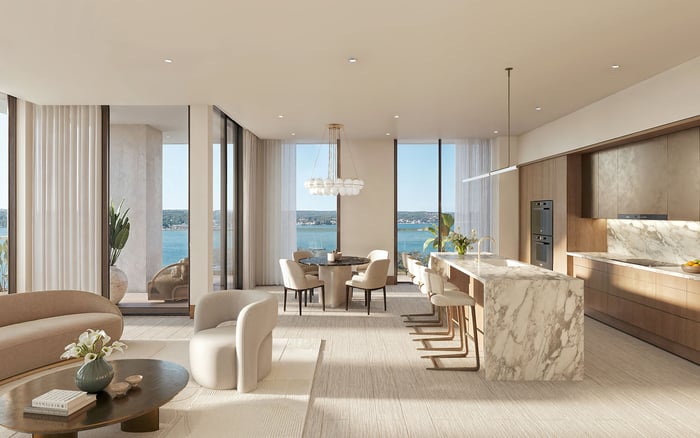
North Bay Village can appeal to young families seeking a polished South Florida base with condominium convenience, waterfront atmosphere, and a more measured residential rhythm.
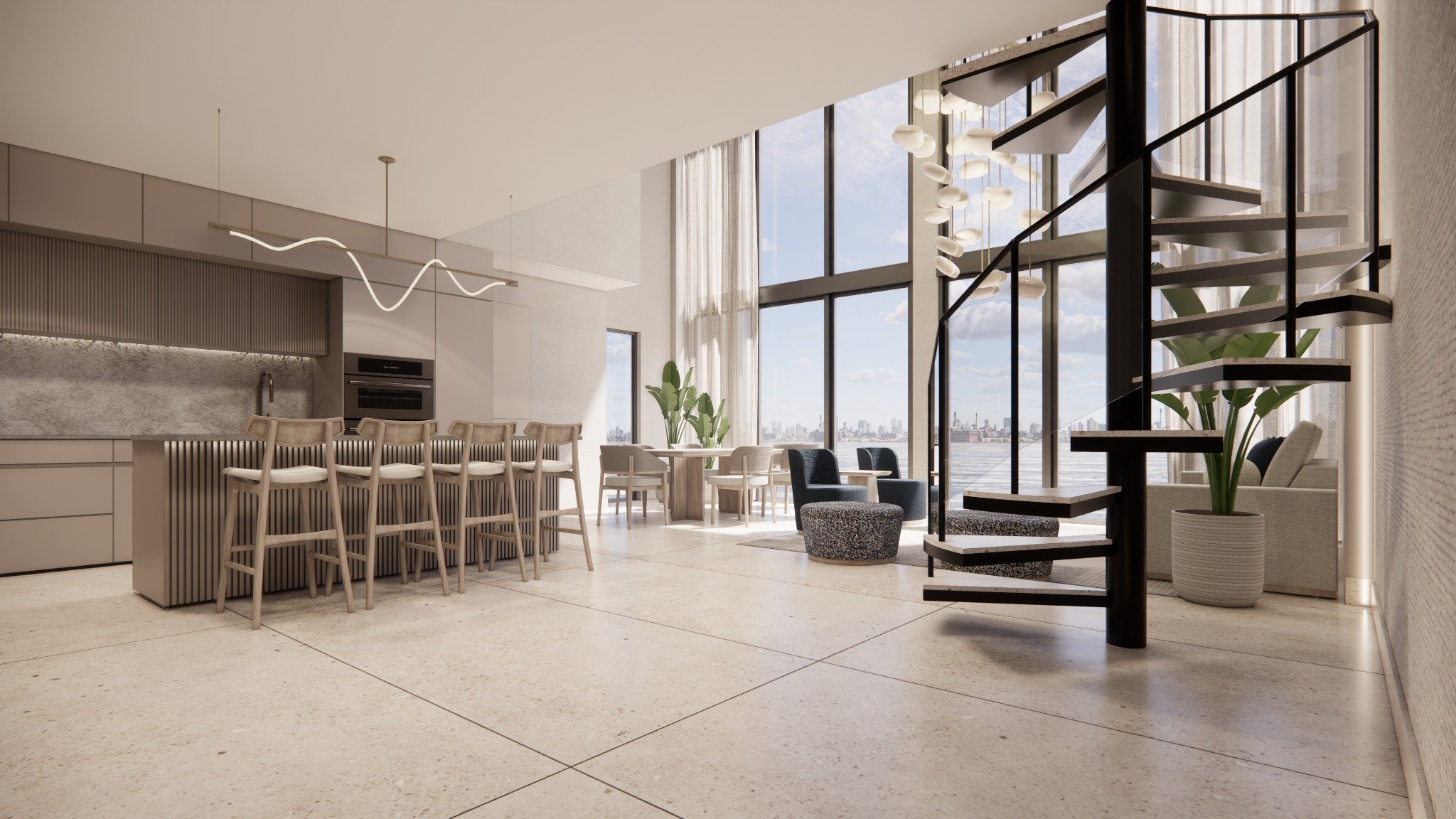
North Bay Village can make sense for young families who want South Florida to feel polished rather than performative. Its appeal is not defined solely by a view, a building name, or proximity to the usual centers of gravity. It rests on a more durable question: whether daily life can feel graceful. Morning departures should unfold with less friction, evenings should feel private, weekends should not require elaborate planning, and the home should be able to evolve as children, work, guests, and routines change.
For a certain buyer, the strongest residential decision is not the loudest address. It is the address that supports continuity. North Bay Village has entered that conversation because it allows families to consider home through the lens of water, scale, and relative calm. Even when a search filter renders the area as North-bay-village, the more important question is nuanced: can the neighborhood serve as a serene operating base while still keeping a family connected to the broader South Florida lifestyle?
The answer can be yes, provided the purchase is approached with precision. Young families should look beyond a generic luxury checklist and focus on whether a residence supports the ordinary moments that define the week.
A family residence in a refined condominium setting must be judged differently from a pied-à-terre. The floor plan matters more than the lobby. Storage matters more than spectacle. The placement of secondary bedrooms, the acoustic separation between living and sleeping areas, and the ability to host grandparents or a nanny without disrupting the household can all become more important than a dramatic finish package.
For families with young children, the most valuable homes often have a clear hierarchy of space. A gracious primary suite is important, but so is a secondary bedroom that does not feel secondary in comfort or usefulness. A kitchen should be beautiful, but it also has to perform during breakfast, homework, and casual meals. A terrace can be a signature feature, yet its real value depends on proportion, privacy, and how naturally it connects to the main living area.
This is where refined living becomes practical. Luxury is not only marble, glass, and concierge service. It is the ability to move through the day without feeling that the home is asking the family to compromise.
Waterfront living has an obvious emotional pull. It changes the light in a room, softens the mood of a morning, and gives a family a visual connection to the landscape that defines South Florida. Yet the waterfront decision still deserves discipline. Not every water-facing home will function equally well for a family, and not every beautiful view will compensate for a plan that lacks storage, flexibility, or quiet.
For young families, the better question is not simply whether a home has water exposure. It is whether the water contributes to a calmer domestic life. Does the main room feel generous without becoming cavernous? Is the terrace usable at the times of day the family is actually home? Can the children’s rooms feel protected and restful? Is there enough interior wall space for art, books, built-ins, and the practical objects of family living?
A refined South Florida base should photograph elegantly, but it should also feel composed on a Tuesday evening. That distinction is essential.
New construction can be especially attractive to young families because it often allows buyers to evaluate a residence with a forward-looking mindset. But newness alone is not a strategy. The important work is understanding how a building’s scale, services, amenity culture, and residence mix align with the way a family wants to live.
In North Bay Village, buyers may naturally compare opportunities such as Continuum Club & Residences North Bay Village, Shoma Bay North Bay Village, and Tula Residences North Bay Village. These names belong in the conversation not as interchangeable options, but as prompts for deeper due diligence: how does each residence live, how does the building manage arrival and privacy, and how well can the home absorb the rhythms of family life?
The most sophisticated buyers do not ask only what a building offers. They ask what the building expects from them. Some residences are designed for a highly social rhythm. Others may better support discretion, quiet, and a more domestic cadence. For families, that distinction can determine whether a home feels glamorous for a season or livable for many years.
Lifestyle is often used as shorthand for amenities, dining, and access. For families, it should mean something more intimate: the ability to create predictable routines while still enjoying the advantages of South Florida. A refined base is one where a child can settle, parents can work, guests can visit, and weekends can feel restorative rather than over-scheduled.
This is why North Bay Village can be compelling for buyers who want a softer residential posture. The goal is not withdrawal from the city. It is selective engagement. Families can choose when to participate in the energy around them and when to retreat into a quieter home environment. That sense of control is a meaningful luxury, particularly for households balancing school calendars, business travel, extended family, and social obligations.
A polished family base should not feel like a compromise between adult sophistication and child-friendly practicality. It should allow both to coexist. The residence should be elegant enough for entertaining, durable enough for real life, and calm enough to make the end of the day feel restorative.
Before committing to North Bay Village, young families should think through a full week rather than a single showing. How does the home feel at breakfast, after school, before dinner, and late at night? Where do bags land? Where do scooters, strollers, sports equipment, luggage, and seasonal items go? Can a parent take a work call while another family member watches a movie or helps with homework?
Buyers should also think carefully about vertical living. Condominium life can be liberating when the building is well matched to the household. It can reduce maintenance burdens, simplify travel, and create a sense of security. But it also requires a clear understanding of elevator flow, parking routines, guest access, package handling, pet policies, and the tone of shared spaces.
The best purchase will be the one where design and daily routine reinforce each other. When those two are aligned, North Bay Village can feel less like an interim choice and more like a deeply considered South Florida base.
Is North Bay Village a good fit for young families? It can be, especially for families seeking a quieter residential rhythm with access to broader South Florida life.
What should families prioritize in a North Bay Village condo? Prioritize floor plan, storage, bedroom separation, acoustic comfort, parking routines, and the overall tone of the building.
Is waterfront living always the best choice? Not automatically. A water view should complement a practical layout rather than compensate for one that does not work.
How should buyers compare new-construction options? Compare how each residence lives day to day, including service style, privacy, amenity culture, and long-term flexibility.
Can condominium living work with small children? Yes, when the building and residence support everyday routines, storage needs, guest access, and quiet sleeping areas.
What makes a residence feel refined rather than merely expensive? Refinement comes from proportion, privacy, intuitive flow, durable elegance, and a sense of calm in daily use.
Should families focus more on amenities or the residence itself? The residence should come first. Amenities are valuable only when they support the family’s actual lifestyle.
How important is terrace design for family living? Terrace design can matter greatly, but usability, privacy, and connection to the living room are more important than size alone.
Is North Bay Village more of a primary-home or second-home market? It can be considered through either lens, but young families should evaluate it first as a full-week living environment.
What is the smartest first step for a family buyer? Begin by defining daily routines, then compare residences according to how gracefully each one supports them.
When you're ready to tour or underwrite the options, connect with MILLION.
If branded residences are on your mind — as a home or as an allocation — we would be glad to share what we are seeing, privately.
Begin a quiet conversation