A discreet guide for high-net-worth buyers comparing Greenwich habits with South Florida living, from Coral Gables estates to Brickell service, Coconut Grove ease, Palm Beach tradition, and Boca Raton family rhythms.

For a buyer moving capital, family time, or a primary residence from Greenwich to South Florida, the question is not simply where to buy. It is how to translate a familiar way of living into a different climate, civic rhythm, and ownership structure. Greenwich buyers often arrive with clear expectations: privacy, mature landscaping, strong schools, country-club adjacency, household staff efficiency, and a sense that home should operate quietly in the background.
South Florida can deliver that discretion, but it does so through a different vocabulary. In Coral Gables, the language is canopy, historic planning, walled gardens, and proximity to Miami without feeling absorbed by it. In Brickell, the language is service, vertical convenience, and immediate access to finance, dining, and waterfront drives. In Coconut Grove, it is subtropical calm with a more informal village cadence. Palm Beach and Boca Raton add their own versions of establishment, club life, and family-centered permanence.
The core distinction is this: wealth migration is not one move. It is a series of choices about domicile, daily routine, risk tolerance, architectural taste, and liquidity.
Coral Gables has an advantage for buyers who are not looking for spectacle. It offers a residential setting that can feel settled rather than improvised, with tree-lined streets, Mediterranean references, civic order, and a slower tone than the waterfront towers of central Miami. The appeal is especially clear for buyers who want to remain near private schools, cultural institutions, business districts, and the airport while preserving a neighborhood identity.
The strongest Coral Gables search begins with lifestyle mapping. Does the buyer want an estate-scale home with grounds, a lock-and-leave residence, or a low-maintenance base near dining and retail? That distinction matters because the Gables can support both long-term family living and a more streamlined seasonal pattern. Newer offerings such as The Village at Coral Gables speak to buyers who want architectural continuity with the city’s character while reducing the operational burden of a large standalone estate. Nearby, Ponce Park Coral Gables fits a buyer who wants a polished address with a refined urban edge.
The important point is not to treat Coral Gables as a substitute Greenwich. It is more tropical, more Latin, and more connected to Miami’s energy. That is precisely its appeal.
A Greenwich buyer may begin in Coral Gables, but the serious search usually expands quickly. Coconut Grove is the natural comparison for those who want greenery, water access, and a softer social atmosphere. It has a less formal feel, with a long-standing residential identity and a strong sense of place. For buyers who want hospitality-level service without losing the Grove’s quieter character, Four Seasons Residences Coconut Grove offers a useful reference point for how branded living is evolving in established Miami neighborhoods.
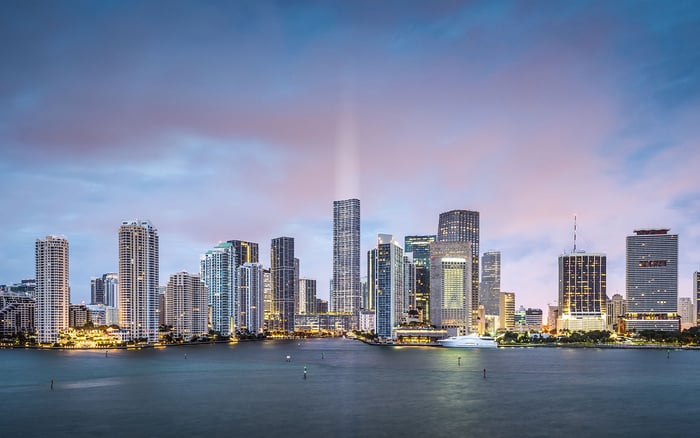
Brickell is a different proposition. It is not trying to be Greenwich, nor should it be evaluated that way. Its value lies in convenience, services, views, dining, and the ability to live without the operational intensity of a large house. A residence such as St. Regis® Residences Brickell is relevant for buyers who want a highly serviced base close to Miami’s business core, especially if South Florida is one part of a broader residential portfolio.
Palm Beach remains the more traditional counterweight, with a quieter social code and a highly established luxury identity. Boca Raton often enters the discussion for families and club-oriented buyers who want a polished, more suburban rhythm. In that context, The Residences at Mandarin Oriental Boca Raton illustrates how branded residences are shaping the Boca Raton conversation, not only the Miami one.
The most sophisticated buyers separate enthusiasm from structure. Residency planning, tax advice, estate strategy, insurance, and asset protection should be coordinated before a closing, not after one. Establishing a South Florida base can involve more than a deed. It can involve where one spends time, where family routines are centered, where vehicles and memberships are maintained, and how professional advisors document intent.
Insurance and property resilience deserve equal seriousness. Waterfront exposure, wind protection, elevation, building systems, reserves, and association governance all belong in the same discussion as views and finishes. In single-family homes, the questions may include roof age, drainage, generators, impact glazing, seawall condition, and landscape maintenance. In condominiums, the focus shifts toward building management, reserve policy, capital projects, rental rules, pet policies, and service culture.
This is where the Greenwich buyer’s discipline becomes useful. The best acquisitions are rarely impulsive. They result from comparing visible luxury with invisible infrastructure.
Many buyers arrive assuming they want a house because that is what they know. In South Florida, that assumption deserves testing. A single-family home can offer gardens, pools, guest quarters, staff circulation, and the emotional satisfaction of land. It can also require a more active management plan, especially for seasonal owners.
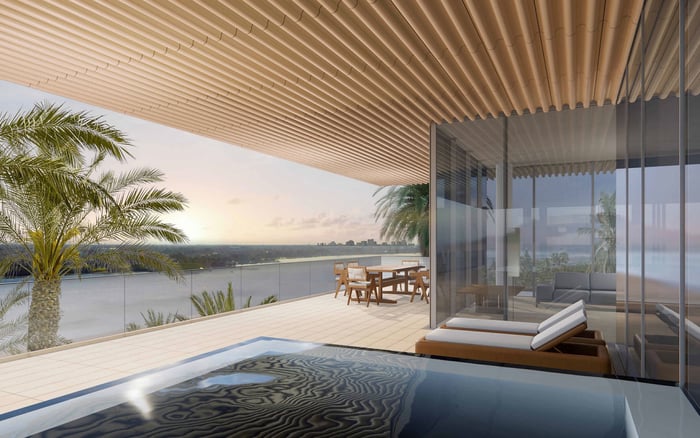
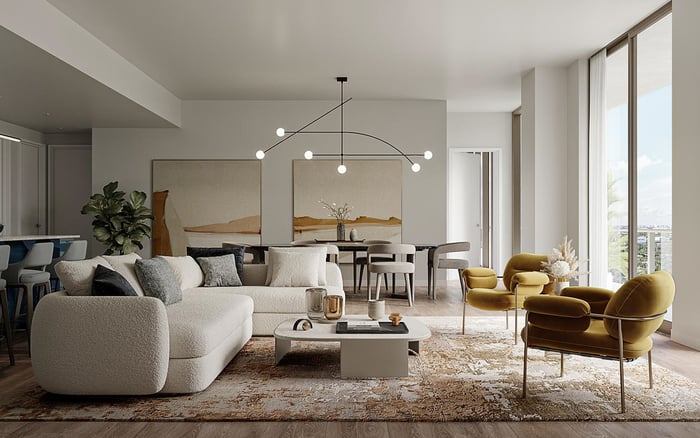
A serviced condominium or branded residence can solve for security, maintenance, amenities, and lock-and-leave ease. The tradeoff is governance. The buyer gives up some autonomy in exchange for professional management and shared infrastructure. For a family relocating full time, that tradeoff may or may not feel right. For a buyer maintaining homes in multiple markets, it may be ideal.
Privacy also changes form. In Greenwich, privacy may be acreage, gates, and hedges. In Miami, it may be elevator control, staff discretion, private dining rooms, resident-only amenities, and building protocols. Neither is inherently superior. The right answer depends on how the home will actually be used.
Begin with the calendar. If the home will be used during school weeks, proximity and commute patterns matter. If it is primarily seasonal, airport access, guest accommodations, service coverage, and ease of arrival may matter more. If it is an eventual primary residence, the buyer should test ordinary weekdays, not just perfect weekends.
Then evaluate social fit. Coral Gables is composed and residential. Coconut Grove is relaxed and lush. Brickell is urban and efficient. Palm Beach is traditional and highly curated. Boca Raton can be family-oriented, club-oriented, and practical for buyers seeking a polished daily routine north of Miami. The best neighborhood is not the one with the most attention. It is the one that requires the fewest compromises.
Finally, think about exit quality. Scarcity, architecture, water orientation, building reputation, floor plan logic, and neighborhood durability matter more than decorative trends. Wealth migration can create urgency, but buyers should not confuse momentum with selectivity.
Is Coral Gables the closest South Florida equivalent to Greenwich? It can be for buyers who value privacy, planning, greenery, and a residential tone, but it carries a distinctly Miami cultural rhythm.
Should a relocating buyer choose a house or a condominium first? Start with lifestyle, not product type. Full-time families may prioritize land, while seasonal owners may value service and lock-and-leave ease.
How does Brickell fit into a Greenwich buyer’s search? Brickell is best viewed as an urban service platform, useful for buyers who want convenience, views, dining, and proximity to Miami’s business core.
Why do buyers compare Coconut Grove with Coral Gables? Both offer established residential character, but Coconut Grove is generally more informal, tropical, and village-like in daily feel.
Where does Palm Beach belong in the conversation? Palm Beach appeals to buyers seeking tradition, discretion, and a more established social cadence north of Miami.
Is Boca Raton mainly a family decision? Boca Raton often appeals to families and club-oriented buyers, but it can also suit those seeking polish, services, and a quieter daily routine.
What diligence matters most in South Florida luxury property? Buyers should review insurance, resilience, building systems, association governance, reserves, and long-term maintenance obligations.
Are branded residences a good fit for migrating wealth? They can be, especially when service, security, and predictable management are priorities, but governance and fees must be reviewed carefully.
How should buyers think about residency planning? Residency should be coordinated with qualified advisors and supported by consistent real-life patterns, not treated as a closing detail.
What is the biggest mistake buyers make when entering South Florida? The most common mistake is shopping for status before clarifying how the home will be used week by week.
To compare the best-fit options with clarity, connect with MILLION.
If branded residences are on your mind — as a home or as an allocation — we would be glad to share what we are seeing, privately.
Begin a quiet conversation