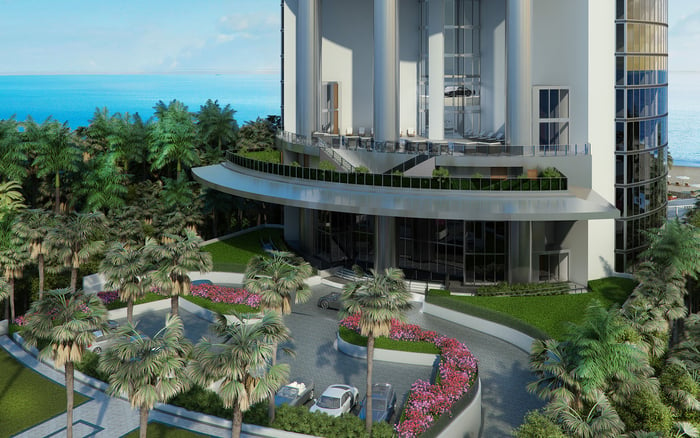
For finance executives underwriting South Florida hospitality and hospitality-adjacent real estate, traffic management is a diligence issue that can influence revenue stability, cost control, guest satisfaction, brand equity, and lender confidence.
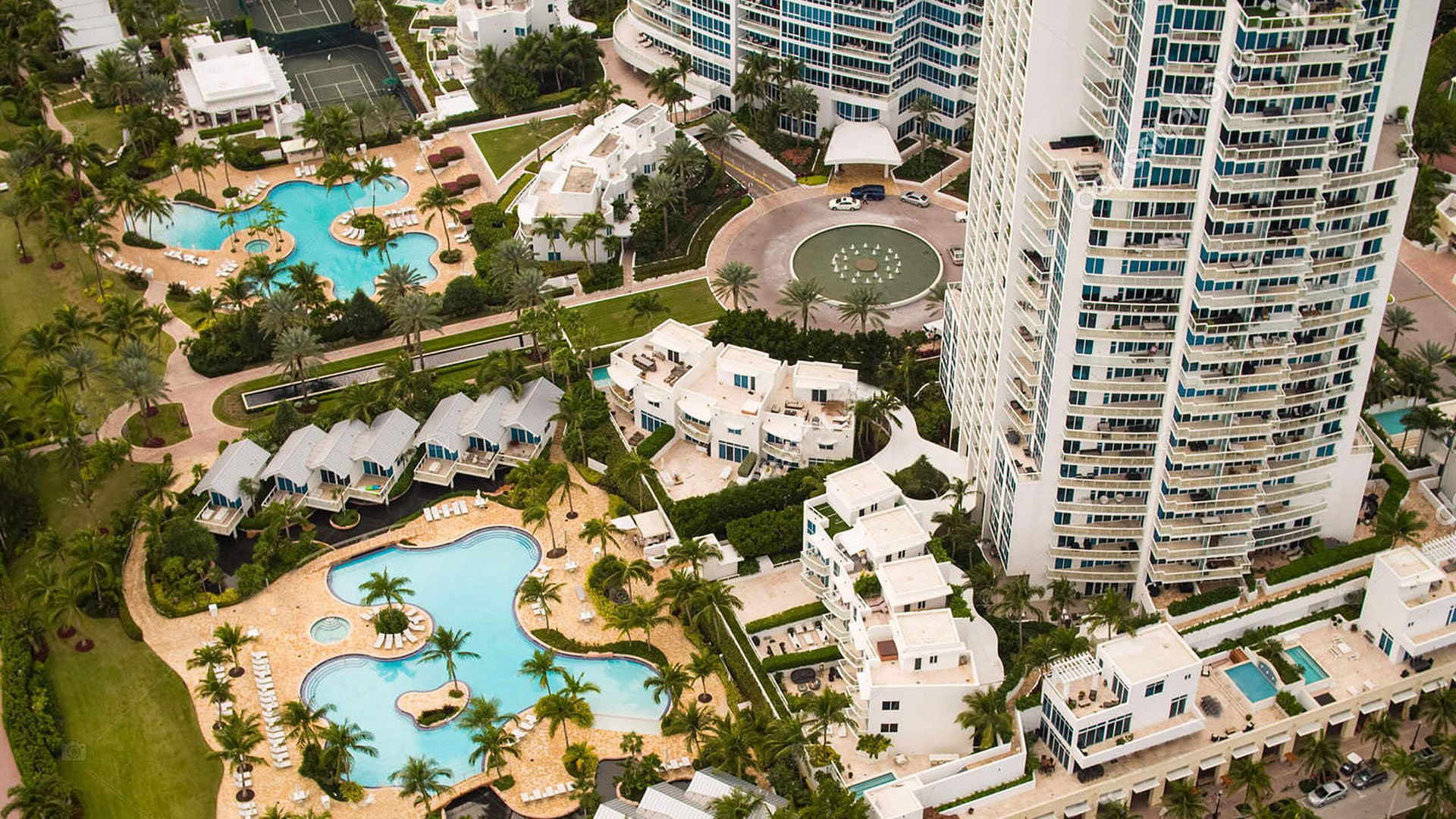
For finance executives evaluating a South Florida hotel, branded resort, mixed-use tower, or condo-hotel structure, the front drive deserves the same scrutiny as the rent roll, reserve schedule, and debt terms. Traffic management is not a back-of-house detail. It is a live indicator of whether the asset can protect rate integrity, guest satisfaction, operating margins, and brand value when demand is highest.
The issue is especially acute in South Florida, where luxury travelers expect a frictionless arrival, urban infrastructure can be constrained, and seasonal peaks can compress large volumes of guests, residents, service providers, ride-share vehicles, and event traffic into narrow windows. A property can have exceptional design and strong headline demand, yet still leak value if vehicles stack at the curb, valet capacity is mismatched to room and residence counts, or service circulation conflicts with guest arrivals.
That is why traffic diligence belongs in the finance room before a signature is placed on an acquisition, development, refinancing, or joint venture document. In high-end hospitality real estate, movement is money.
The most visible risk is guest frustration, but the balance-sheet implications are broader. Poor arrival flow can increase labor intensity, trigger overtime, slow check-in, complicate event operations, and force managers to solve recurring congestion with costly temporary staffing. If the hotel depends on high-touch valet, the question is not whether valet exists. The question is whether valet can absorb peak arrival, departure, restaurant, spa, event, and resident demand without turning the front door into a liability.
In districts such as Brickell, where residential, office, dining, and hospitality uses can overlap within dense blocks, executives should study how the property handles competing movements. A hospitality-adjacent project such as Baccarat Residences Brickell illustrates the broader premium-market expectation: arrival is part of the product. Whether the asset is a hotel, residence, or hybrid environment, the experience begins before the guest reaches the lobby.
Parking pressure is another financial concern. A hotel may satisfy a theoretical parking program yet underperform operationally if valet staging, retrieval timing, ride-share zones, and guest circulation are not coordinated. Finance teams should ask for observed peak conditions, not just planned capacity. The practical question is simple: what happens when the property is full, the restaurant is busy, an event is ending, and weather changes the timing of departures?
South Florida has a distinctive combination of pressures. Tourism seasonality can produce pronounced surges. Luxury travelers often arrive with expectations shaped by private aviation, premium vehicles, curated service, and minimal tolerance for visible disorder. Cruise and airport patterns can send guests toward hotel corridors in concentrated waves. Extreme weather can alter normal circulation, compress loading activity, and make covered drop-off areas more valuable than they appear on a plan.
Miami Beach adds its own layer of complexity because the luxury hotel experience often sits within a tightly managed urban and beachfront context. In that environment, a project such as Shore Club Private Collections Miami Beach reinforces how closely hospitality identity, privacy, and arrival choreography are connected. A delayed vehicle handoff or crowded curb does more than inconvenience a guest. It can weaken the sense of exclusivity that supports pricing power.
Finance executives should therefore review traffic management across ordinary and extraordinary conditions. Ordinary conditions include weekday check-in, weekend departures, restaurant peaks, staff shift changes, and delivery windows. Extraordinary conditions include holidays, private events, storm preparation, road closures, and sudden ride-share spikes. The value of the plan is not in how it works on a quiet Tuesday. It is in how it performs when every demand driver arrives at once.
A strong diligence process begins with the physical sequence. Where do guests enter? Where do they wait? Where are vehicles stored? How many movements can be handled before the queue affects public streets, neighboring properties, or the guest experience? Are service vehicles separated from arrivals, or does the same circulation path carry luggage, linen, food deliveries, vendors, residents, and VIP guests?
Next, examine staffing and procedures. A beautiful porte cochère does not solve a weak operating model. Finance executives should understand valet labor assumptions, peak staffing triggers, event protocols, incident response, and how the property communicates with guests before arrival. If the operating budget assumes a lean team but the asset requires constant intervention at the curb, margins may be overstated.
Fort Lauderdale offers a useful lens because waterfront hospitality, marina-related activity, beach demand, and event-driven traffic can intersect. At Four Seasons Hotel & Private Residences Fort Lauderdale, the very nature of the luxury promise makes arrival control part of the asset story. A finance executive should evaluate whether the site plan, staffing model, and service culture align with that promise under pressure.
Finally, study governance. In mixed-use projects and branded residences, traffic obligations may involve hotel operators, condominium associations, restaurants, retail tenants, valet vendors, security teams, and municipal requirements. Ambiguity can become expensive. If no party clearly owns the curb, no party truly controls the guest experience.
Traffic management can affect lender confidence because it speaks to operational discipline. A property with recurring congestion may face brand complaints, unfavorable guest sentiment, higher operating costs, and greater risk around events or peak occupancy periods. These issues can be difficult to isolate in a spreadsheet, but they influence the durability of cash flow.
For investment committees, the key is to avoid treating traffic as a soft concern. It is a conversion issue, a retention issue, a staffing issue, and a reputational issue. In luxury markets, the difference between premium and ordinary often sits in the invisible systems that make guests feel recognized, protected, and unhurried.
Pompano Beach and other evolving coastal markets show why this lens matters beyond the traditional core. A project such as W Pompano Beach Hotel & Residences sits within a broader conversation about hospitality, residences, beach access, and service choreography. As luxury expands along the coast, the quality of traffic planning becomes part of underwriting the next tier of value creation.
Before signing in South Florida, finance executives should walk the arrival route, observe peak behavior, review the operating assumptions, and ask who controls every point of friction. Hotel traffic management is not simply about cars. It is about the rhythm of revenue, the protection of brand standards, and the credibility of the pro forma.
The best assets make movement feel effortless. The weakest assets make movement visible. In the ultra-premium market, that difference can shape the guest experience long before the room, residence, restaurant, or view has a chance to perform.
Why should finance executives review hotel traffic management? Because traffic performance can influence operating costs, guest satisfaction, brand perception, and the reliability of projected income.
Is valet capacity enough to evaluate the issue? No. Valet capacity must be assessed alongside curb space, retrieval timing, staffing, ride-share activity, service access, and event demand.
Why is South Florida especially sensitive to hotel traffic issues? Seasonal demand, luxury expectations, airport and cruise movement, constrained urban settings, and extreme weather can all intensify pressure.
How can traffic problems affect a luxury hotel brand? Visible congestion can make an otherwise refined asset feel disorganized, which may weaken guest confidence and repeat demand.
What should be reviewed during acquisition diligence? Arrival flow, valet operations, parking pressure, service-vehicle circulation, event protocols, staffing assumptions, and governance responsibilities.
Do mixed-use properties carry added risk? Yes. Hotels, residences, restaurants, retail, and service vendors may compete for the same curb and circulation paths.
Why does this matter for branded residences? Branded residences depend on service consistency, privacy, and arrival control, all of which can be affected by traffic design.
Can poor traffic management increase expenses? Yes. It may require additional labor, revised valet procedures, added security, operational fixes, or more intensive event management.
Should lenders care about curbside operations? Yes. Curbside discipline can be a proxy for operational quality and the asset's ability to protect cash flow under pressure.
What is the main question before signing? Ask whether the property can perform smoothly when arrivals, departures, service vehicles, events, and weather disruptions overlap.
To compare the best-fit options with clarity, connect with MILLION.
If branded residences are on your mind — as a home or as an allocation — we would be glad to share what we are seeing, privately.
Begin a quiet conversation