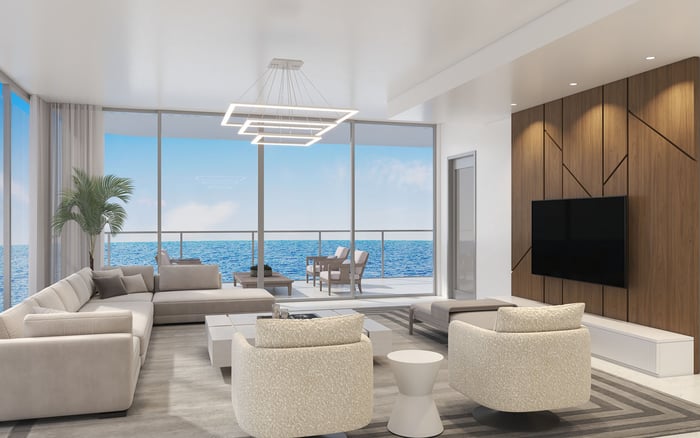
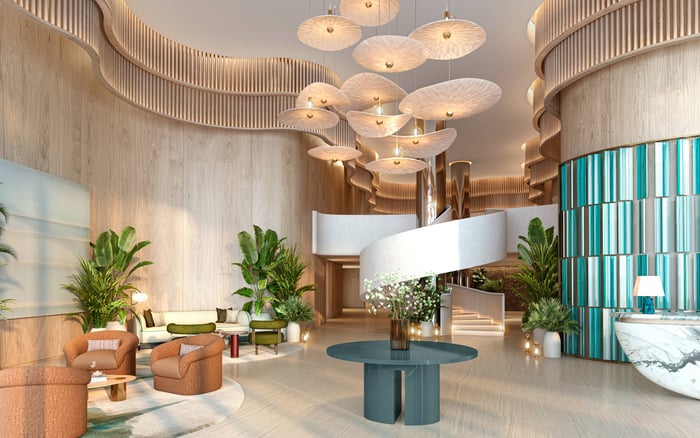
A discreet buyer’s guide to evaluating Pompano Beach amenities for depth, privacy, daily utility, and long-term livability without drifting into an over-programmed resort atmosphere.
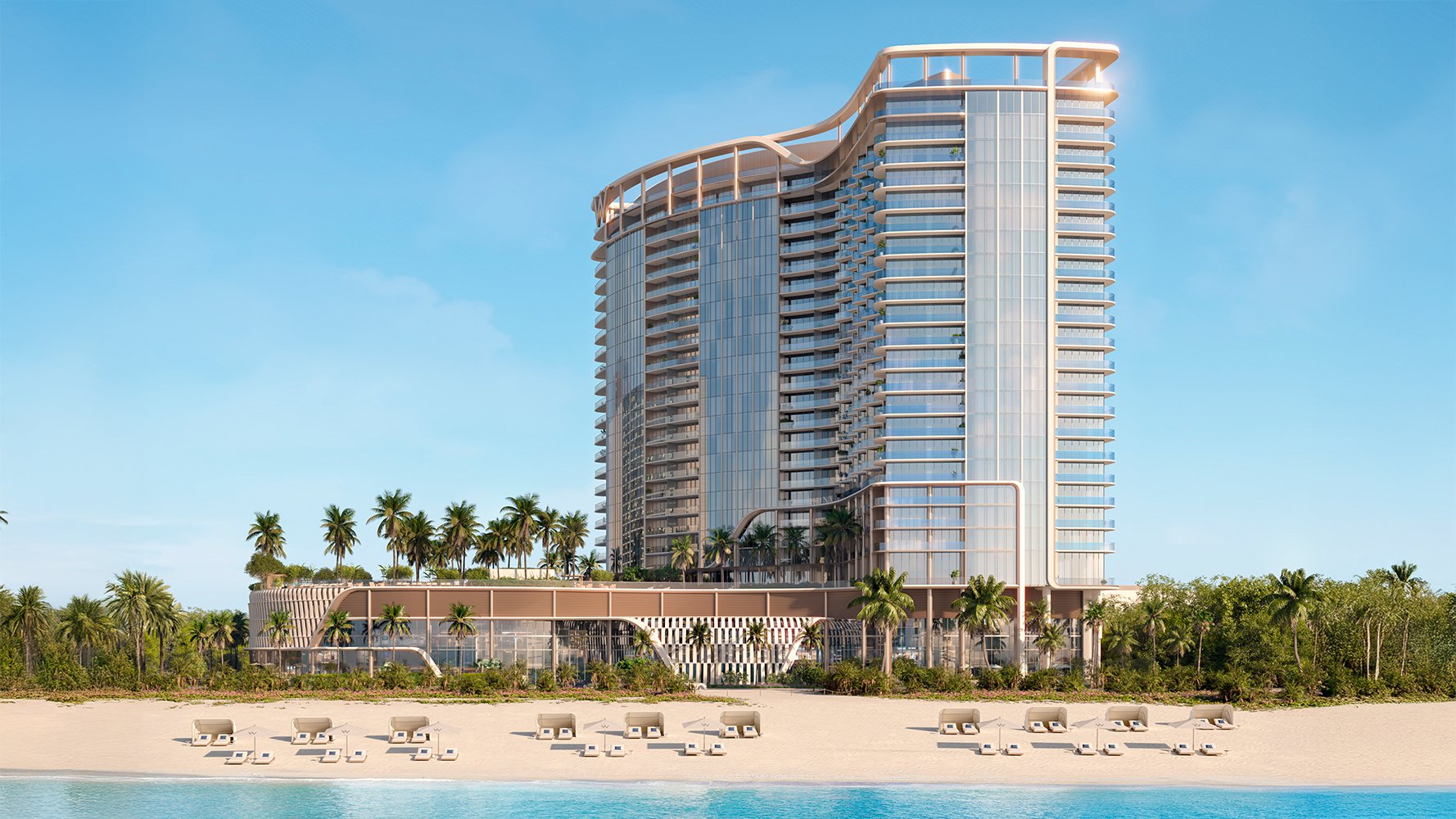
In Pompano Beach, the most sophisticated amenity package is not always the largest. For buyers who want substance without a resort feeling, the question is less how many spaces a building offers and more whether those spaces support a private, composed daily rhythm. The distinction matters. A residence can provide strong wellness programming, attentive service, waterfront leisure, and social rooms while still feeling residential, discreet, and personal.
The right evaluation begins with temperament. Some buildings are designed to energize, entertain, and keep residents in motion. Others are designed to simplify life, preserve quiet, and make every transition feel effortless. Neither approach is inherently superior, but they serve different buyers. In Pompano Beach, where Oceanfront and Waterfront living often shape the lifestyle conversation, the most valuable amenity depth enhances the shoreline experience without turning home into a hotel lobby.
This is why buyers should walk through amenity spaces as if they already live there. Imagine a weekday morning, a Sunday evening, a visiting family member, a work call, a post-beach return, and a quiet dinner at home. The building that performs well across those moments is usually more compelling than one that impresses only during a sales presentation.
A serious buyer should separate daily-use amenities from ceremonial amenities. Daily-use spaces materially improve ordinary life: fitness, pool, arrival, storage, pet convenience, beach or waterfront access, lounge areas that can be used without planning, and staff touchpoints that reduce friction. Ceremonial amenities are more occasional: private dining rooms, event lounges, screening rooms, elaborate entertainment areas, and dramatic social spaces.
A balanced building can have both, but the hierarchy matters. If the most prominent amenities are those you will use only a few times a year, the building may feel visually impressive yet practically shallow. If the everyday amenities are well placed, easy to access, and maintained with discipline, the residence is more likely to feel durable over time.
When evaluating Armani Casa Residences Pompano Beach, The Ritz-Carlton Residences® Pompano Beach, or any other new development in the area, buyers should ask a simple question: which amenities would I use without making an appointment, changing clothes, inviting guests, or adjusting my day? The more often the answer is clear, the more credible the amenity depth becomes.
A resort feeling often begins when too many functions overlap. If residents, guests, service teams, deliveries, pool users, fitness users, and social events all converge in the same areas, even an expensive building can feel busy. Privacy depends on thoughtful circulation: separate paths, intuitive entries, discreet service movement, and amenity rooms that do not spill noise into residential corridors.
Buyers should study how they move from car to elevator, from beach to residence, from pool to changing area, and from lobby to private amenities. A building may look calm in renderings, but the real test is whether daily movement can happen without constant social exposure. This is especially relevant in Broward coastal markets, where many buyers want the ease of a full-service building without the constant choreography of a destination resort.
The most livable amenity programs create optionality. You can be social when you choose, private when you prefer, and unobserved during the mundane parts of life. That is not austerity. It is luxury with control.
The pool is often the emotional center of a coastal condominium, but it can also be the fastest path to a resort atmosphere. A buyer should evaluate not only the pool itself, but also its edges, seating density, access points, acoustics, shade, service rhythm, and relationship to residences. A beautiful water feature becomes less appealing if every visit feels like a public performance.
In a refined residential setting, the pool should work at multiple speeds. It should allow a quiet swim, a late-afternoon read, a discreet conversation, and occasional family use without one mode dominating the others. Consider whether lounge areas are spread out or compressed. Notice whether the deck encourages lingering or constant turnover. Ask how guest access is managed, how peak periods are handled, and whether the atmosphere is likely to remain calm during holidays.
For buyers comparing Ocean 580 Pompano Beach with larger branded or hospitality-influenced residences, the pool experience can clarify the building’s personality. The right answer is not necessarily the most dramatic deck. It is the deck that will feel comfortable on the hundredth visit.
Wellness amenities are now expected in luxury residential design, but depth is not the same as accumulation. A fitness center, treatment rooms, sauna, recovery areas, and outdoor movement spaces can be excellent if they are integrated into a coherent daily routine. If they feel scattered, undersized, or performative, they may add more marketing value than lifestyle value.
A buyer should ask whether wellness spaces are scaled for actual use. Is the fitness room pleasant enough for daily training? Is there privacy for stretching or recovery? Are quieter wellness functions separated from louder social amenities? Is access simple, or does reaching the space require passing through highly visible common areas?
The best amenity depth often feels almost invisible because it removes obstacles. You work out without waiting, recover without noise, return home without passing through a crowd, and maintain a routine while still feeling at home. That is especially important for second-home owners and primary residents who want a consistent baseline rather than a vacation mood.
Service is one of the most misunderstood parts of amenity evaluation. Too little service can make a luxury building feel unsupported. Too much visible service can make it feel commercial. The ideal is a staff presence that is calm, polished, and proportionate, with clear systems behind the scenes.
Buyers should listen carefully to how service is described. Is the promise about convenience, security, and maintenance, or about constant programming and hospitality theater? A building can offer strong service without encouraging a hotel-like atmosphere. In fact, many discerning buyers prefer staff who anticipate needs quietly rather than animate the property with endless activity.
When considering Waldorf Astoria Residences Pompano Beach or W Pompano Beach Hotel & Residences, the key is not the name alone. It is the operational character: how residential privacy is protected, how shared spaces are governed, and whether service supports ownership rather than overwhelms it.
Boutique buildings can feel more intimate, but boutique does not automatically mean better. A smaller building may provide fewer amenities, a quieter atmosphere, and a stronger sense of familiarity. A larger building may provide more complete wellness, leisure, and service infrastructure. The buyer’s task is to determine which tradeoff supports the life they actually intend to live.
A full-spectrum amenity building can still feel residential if the spaces are well separated and rules are clear. A smaller building can still feel busy if the few shared areas are overburdened. The evaluation should focus on capacity, layout, and management rather than size alone.
This is where Pompano Beach becomes particularly interesting for buyers who are priced out of emotional decision-making. The area offers coastal appeal, but the right residence should be chosen with discipline. Prioritize the building whose amenities you can see yourself using quietly, repeatedly, and without performance.
Before purchasing, buyers should ask how amenity access is controlled, how guest use is limited, where events occur, how noise is managed, and whether any spaces are shared with non-residential users. They should ask how maintenance standards are funded, how staffing is structured, and whether the amenity program is likely to feel sustainable rather than overpromised.
They should also visit at different times if possible. Morning fitness, afternoon pool use, evening arrivals, and weekend guest patterns can reveal more than a brochure. If a building feels gracious when it is active, not merely when it is empty, that is a strong sign.
Finally, buyers should be honest about their own habits. A residence is not better because it offers the most choices. It is better when the amenities support the few choices that matter most: health, privacy, ease, entertaining, family, work, and the pleasure of returning home.
What does amenity depth mean in a luxury condo? It means the amenities are useful, layered, well managed, and suited to daily life rather than added only for visual impact.
How can a buyer avoid a resort feeling in Pompano Beach? Focus on privacy, circulation, guest policies, acoustic separation, and whether common spaces feel residential rather than transient.
Is a larger amenity program always better? No. A smaller, better scaled program can feel more luxurious if it is easier to use and more calmly managed.
What should I look for in a pool deck? Study seating density, shade, access points, sound, guest rules, and whether the space feels comfortable during peak use.
Are branded residences more likely to feel like hotels? Not necessarily. The determining factor is how the building separates residential privacy from hospitality-style service.
Why is circulation important? Circulation shapes privacy. Separate routes for residents, guests, service, and amenities can make a building feel calmer.
Should I prioritize wellness amenities? Prioritize wellness if you will use it regularly. The best wellness spaces support routine without creating noise or visibility.
What role do rules and management play? Rules and management determine whether amenities remain elegant over time, especially around guests, events, pets, and pool use.
Is boutique living better for privacy? It can be, but only if the shared spaces are properly scaled and not overburdened by resident demand.
What is the best way to shortlist comparable options for touring? Start with location fit, delivery status, and daily lifestyle priorities, then compare stacks and elevations to validate views and privacy.
For a confidential assessment and a building-by-building shortlist, connect with MILLION.
If branded residences are on your mind — as a home or as an allocation — we would be glad to share what we are seeing, privately.
Begin a quiet conversation