A buyer-focused guide to understanding how private club dues, initiation fees, transfer rules and lifestyle obligations can alter the true cost of South Florida oceanfront ownership.
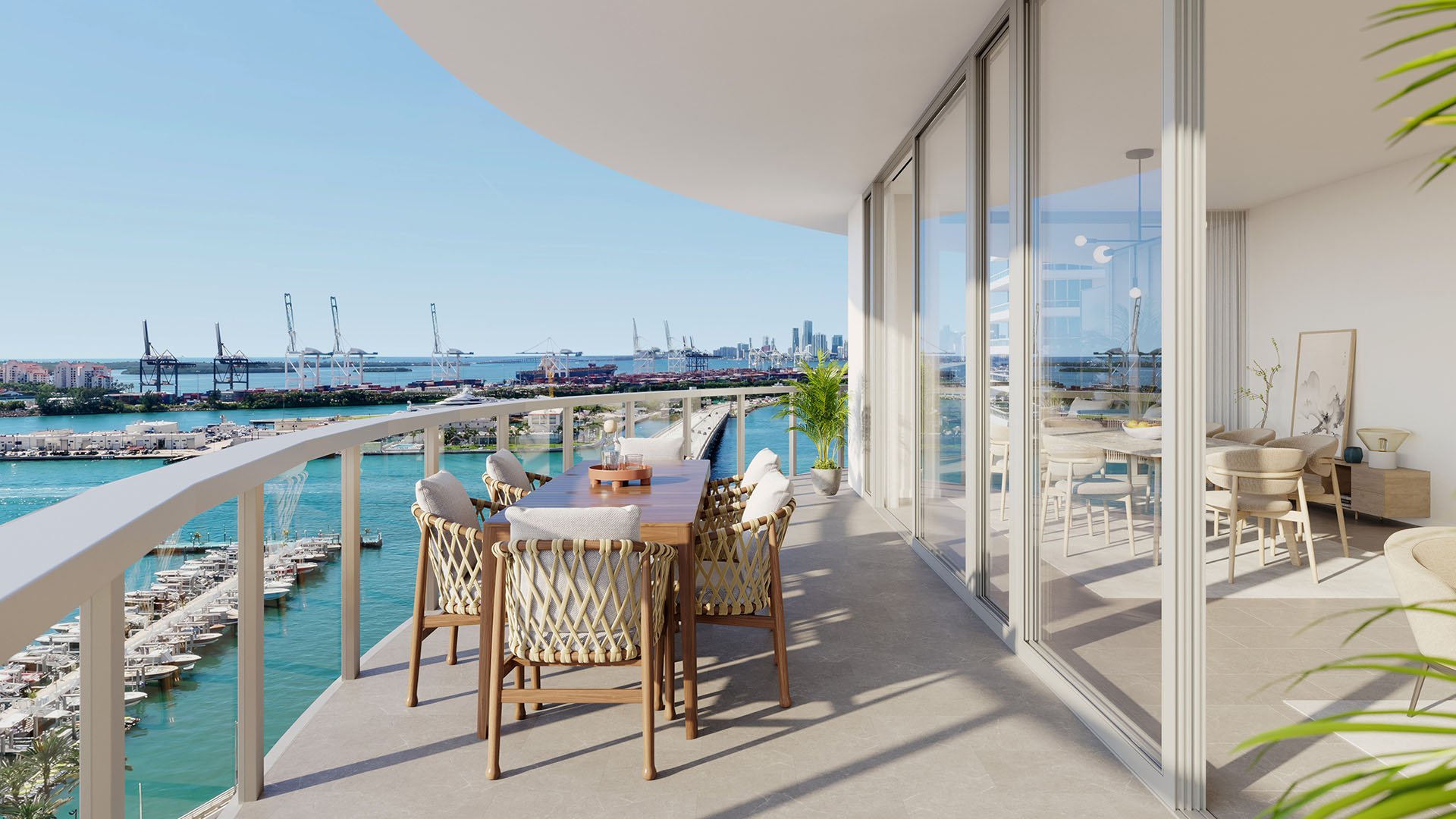
For the South Florida oceanfront buyer, the residence is only one part of the financial architecture. Taxes, insurance, association dues and reserves are familiar line items. Club membership obligations are more nuanced. They may sit outside the advertised purchase price, yet materially influence the true cost of ownership, the daily experience and the eventual resale audience.
The complexity is greatest at the top of the market, where private beach access, wellness programming, dining rooms, yacht services, Golf privileges and curated social calendars are often part of the broader Lifestyle proposition. In some settings, membership is central to the community’s identity. In others, it is optional, limited, subject to approval or entirely separate from the condominium association. The distinction matters.
A buyer comparing Miami Beach residences such as The Perigon Miami Beach with other oceanfront or near-waterfront offerings should ask a simple question early: what must I join, what may I join and what can change after closing?
Club obligations usually fall into several broad categories. A one-time initiation fee may be due when a buyer acquires the residence. Recurring dues may be billed monthly, quarterly or annually. Some clubs also carry food and beverage minimums, locker fees, cart or court charges, spa or wellness surcharges, capital contributions and periodic assessments for renovations or operating shortfalls.
The key distinction is whether the obligation is mandatory or elective. A mandatory membership can function as an additional layer of ownership cost, even if it is documented separately from the condominium budget. An elective membership may still be highly desirable, but it gives the owner more control over the home’s operating profile.
Transferability is another critical variable. If a membership can be transferred with the residence, it may support resale value for buyers who want immediate access. If it cannot be transferred, or if a new buyer must reapply, the economics become less straightforward. A luxury residence with an attractive club environment can be highly compelling, but the buyer pool may narrow when carrying costs are high or membership rules are rigid.
When membership is mandatory, the buyer should model the residence as a combined real estate and lifestyle asset. This is not inherently negative. Many affluent buyers actively seek a complete private-club experience, particularly if it reduces friction around dining, wellness, beach service, tennis, Golf, boating or family programming.
The issue is precision. A $10 million acquisition and a $10 million acquisition with substantial recurring private-club costs are not the same financial instrument. The distinction affects annual cash flow, rental assumptions if rentals are permitted, and the owner’s flexibility if the property becomes a seasonal rather than primary home.
In Sunny Isles Beach, for example, buyers may compare full-service oceanfront towers such as St. Regis® Residences Sunny Isles alongside other high-touch properties. Even when the architecture, service culture and location feel similar, the ownership documents can produce very different annual obligations. Two residences with comparable views can have materially different real costs if one requires club participation and the other does not.
Optional membership can seem simpler, but it still deserves careful review. A buyer may assume that choosing not to join is harmless, only to find that the property’s social and amenity life is built around the club. In that case, not joining may reduce the enjoyment of the residence, particularly for families, seasonal owners and buyers relocating from established private-club communities.
Optional memberships can also have capacity limits, waiting lists or approval requirements. A buyer who expects immediate access should confirm that expectation before going firm on a contract. If club access is a central reason for the purchase, it should not be treated as a post-closing detail.
The calculus is especially personal along the coast from Fort Lauderdale to Hallandale and into Miami-Dade, where oceanfront ownership may be paired with boating, beach, wellness or racquet culture. At Shell Bay by Auberge Hallandale, a buyer might evaluate the broader private-resort atmosphere differently from a buyer seeking a quieter lock-and-leave condominium. The right answer depends on how the owner will actually live.
A private beach club, Marina program or Golf affiliation may sound like an amenity, but it can operate like a parallel ownership ecosystem. The buyer should review who controls the club, whether the club facilities are owned by the association or a separate entity, and whether club costs can rise independently of residential association dues.
This distinction is critical for long-term planning. If the condominium association controls the amenity, costs may be reflected through the association budget. If a separate club entity controls it, the owner may face a second governance structure with its own dues, rules and capital needs. The buyer should understand voting rights, resignation rules, suspension policies, guest access and whether heirs or future purchasers receive the same privileges.
In Boca Raton, the private-club tradition is particularly influential. Buyers considering branded or service-rich residences such as The Residences at Mandarin Oriental Boca Raton may be especially attentive to how club access, urban convenience, dining and wellness combine. The point is not simply whether a club exists. The point is whether the buyer is acquiring an address, a membership culture or both.
Resale is where club obligations become especially visible. A mandatory club can enhance appeal for the buyer who wants a turnkey social environment, immediate amenities and a sense of community. It can also reduce appeal for a buyer who prefers privacy, travels frequently or already belongs to other clubs.
The resale question should be framed around audience. Does the membership broaden the home’s desirability or make it more specific? Are the dues consistent with the quality of the experience? Is there a history of special assessments or capital projects? Can a future buyer understand the value quickly, or will the obligation require lengthy explanation?
Luxury buyers are increasingly sophisticated about recurring costs. They may accept substantial dues when the service level is exceptional and the rules are transparent. They are less forgiving when obligations are opaque, unpredictable or disconnected from actual use.
Before signing without contingencies, buyers should request the club documents alongside the condominium declaration, association budget, reserve materials and house rules. The review should include initiation fees, recurring dues, minimum spends, transfer charges, refund policies, resignation procedures, assessment authority, family access, guest privileges, rental-user access and any pending capital projects.
Buyers should also clarify whether the seller is current on all club obligations and whether any unpaid amounts can follow the property. If a membership interest is being assigned, the contract should identify exactly what is included, who pays transfer expenses and whether club approval is required.
The most elegant oceanfront purchase is not necessarily the one with the lowest recurring cost. It is the one where the buyer understands the complete cost of the desired lifestyle before closing. Oceanfront ownership in South Florida is often about access, ease and belonging. The financial review should be just as refined.
Why do club obligations matter when buying an oceanfront residence? They can add meaningful costs beyond the purchase price, association dues, taxes and insurance. They also shape access, lifestyle and resale appeal.
Is a mandatory club membership always a drawback? No. It can be valuable for buyers who want a private, service-rich community, but it should be fully priced into the ownership model.
What is the difference between initiation fees and dues? An initiation fee is typically a one-time entry cost. Dues are recurring charges that support ongoing club operations.
Can club costs increase after closing? They can, depending on the governing documents and the club’s authority. Buyers should review how dues and assessments may be approved.
Should optional memberships be reviewed before contract signing? Yes. Optional access may still be central to the property’s lifestyle, and availability can depend on capacity or approval.
How can club obligations affect resale? They can attract buyers seeking turnkey private-club living or narrow the audience if costs are high or rules are restrictive.
Are beach, Golf and Marina privileges usually included in HOA dues? Not always. They may be part of the association, a separate club entity or an independent membership structure.
What documents should a buyer request? Buyers should request club bylaws, fee schedules, transfer rules, assessment provisions, guest policies and resignation procedures.
Can a membership transfer automatically with the residence? Sometimes, but not always. The contract should clearly state whether membership rights transfer and whether approval is required.
What is the best way to compare two similar oceanfront residences? Compare the full annual cost, not just the purchase price. Include club dues, minimums, transfer fees and potential assessments.
When you're ready to tour or underwrite the options, connect with MILLION.
If branded residences are on your mind — as a home or as an allocation — we would be glad to share what we are seeing, privately.
Begin a quiet conversation