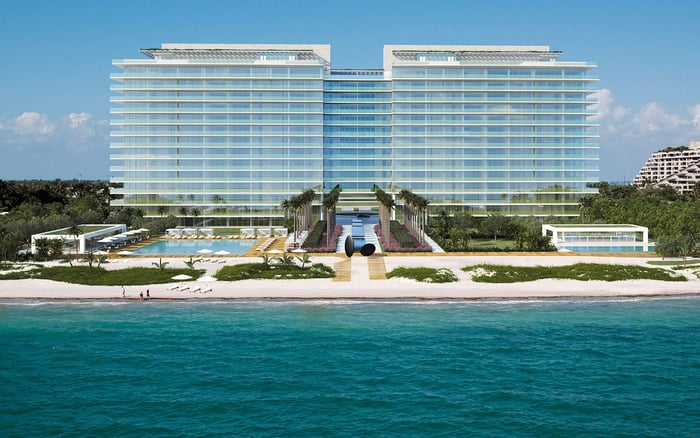
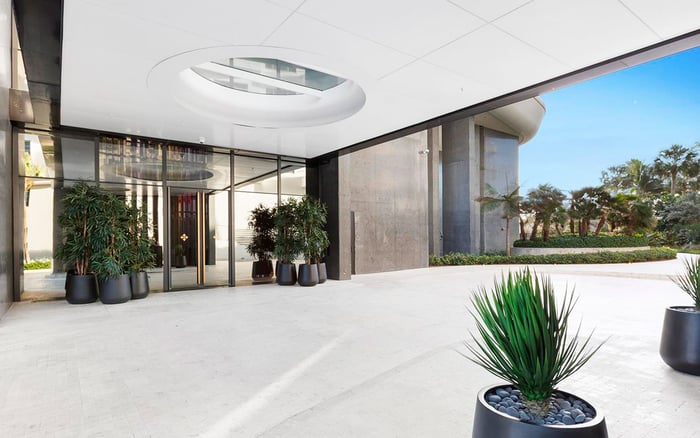
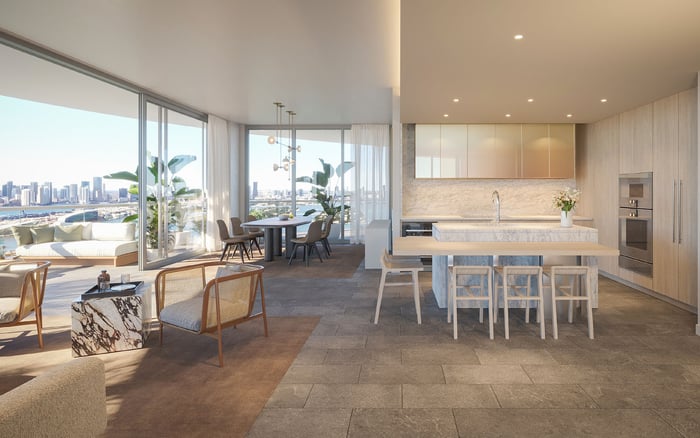
Coral Gables offers globally mobile buyers a quieter form of South Florida prestige: civic order, architectural continuity, cultural depth, and practical access. For those who do not require beachfront spectacle, it can function as a polished lock-and-leave base with enduring residential identity.
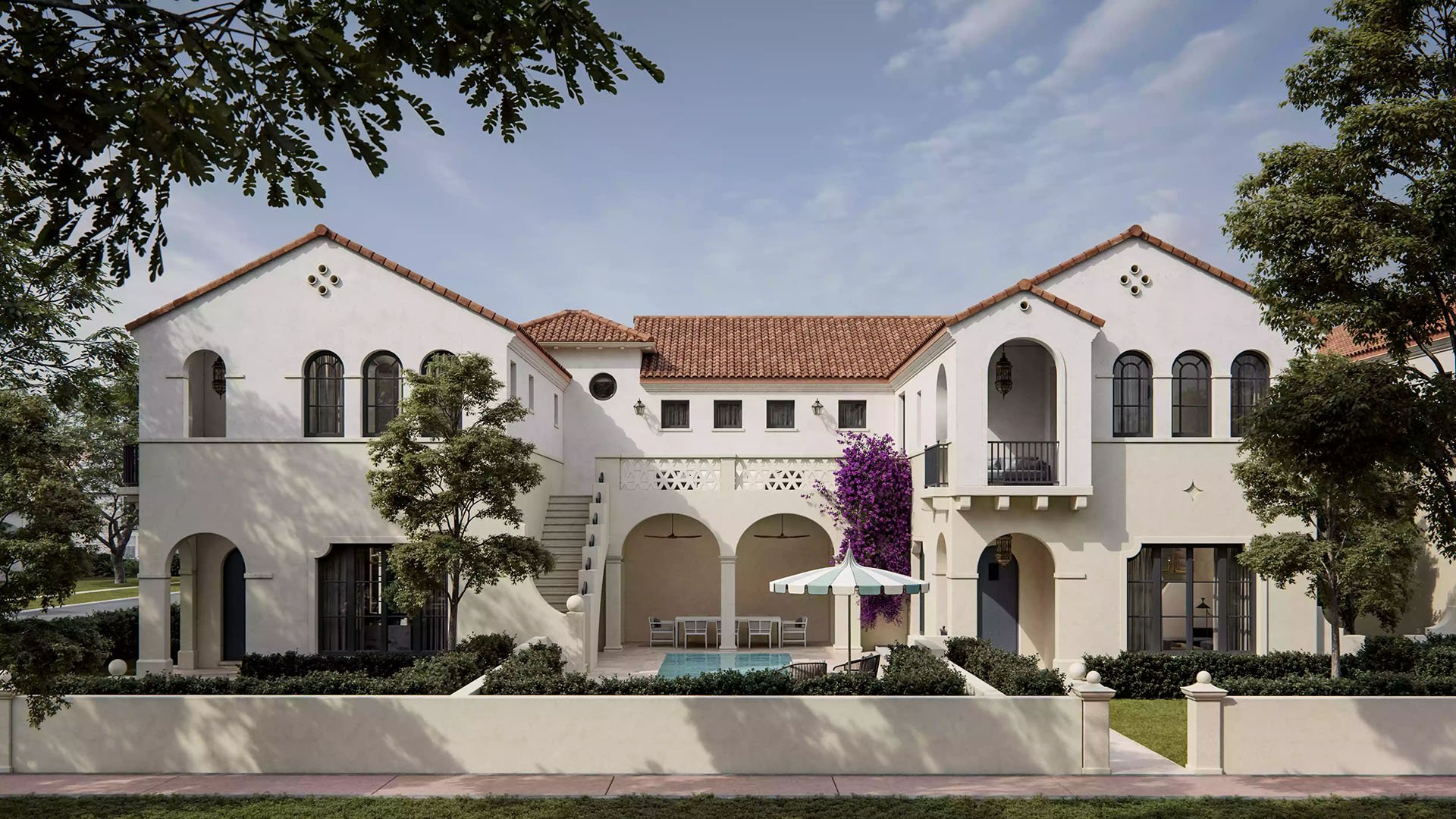
For a certain luxury buyer, the most compelling South Florida address is not the loudest one. It is the place that can receive a family after a late flight, host a discreet long weekend, support business in Miami, and still feel composed on a Tuesday morning. That is where Coral Gables belongs in the pied-à-terre conversation.
Coral Gables is not simply a Miami neighborhood. It is an incorporated city in Miami-Dade County, with its own municipal identity and local governance framework. For trophy buyers, that distinction matters. A second residence is not only a floor plan or a view; it is a bet on the order, rhythm, and continuity of the place around it.
The city’s historic identity as “The City Beautiful” is more than a civic phrase. It reflects a planned environment shaped by Mediterranean Revival architecture, landscaped boulevards, and a legacy-minded approach to place. Developed by George E. Merrick during the 1920s Florida land boom, Coral Gables still reads as a deliberately composed city rather than a market chasing every design cycle.
Miami Beach offers oceanfront glamour. Brickell offers financial-district velocity. Sunny Isles and Bal Harbour offer vertical waterfront drama. Coral Gables is different. Its value proposition is quieter: heritage, greenery, privacy, walkability, and civic order.
For buyers comparing Coral Gables with The Ritz-Carlton Residences® Miami Beach or The Residences at 1428 Brickell, the question is not which address is universally superior. It is which version of South Florida life the owner wants to return to. A beachfront or urban tower can be ideal for constant energy. Coral Gables is often more persuasive for owners who want Miami access without living inside the market’s most transient currents.
That distinction matters for Latin American families, Northeast buyers, international business owners, executives, and culture-oriented second-home owners. Many want proximity to Miami’s airport, business infrastructure, dining, and arts, but they do not necessarily want their residence to feel like a resort lobby. Coral Gables can provide a base that is polished without being performative.
Luxury buyers often speak in emotional language: calm, privacy, beauty, ease. In Coral Gables, those qualities are reinforced by civic structure. The city maintains local zoning and development standards, helping preserve a controlled built environment. That does not make the city static, but it does create a different context from faster-changing districts where the skyline can shift quickly and the street experience may feel less settled.
This is especially relevant for a trophy pied-à-terre. Part-time residents are sensitive to friction. They want an address that remains legible from visit to visit, with streets that feel familiar, landscaping that softens arrival, and civic design that does not require constant adjustment. In that sense, Coral Gables functions less like a seasonal experiment and more like a refined operating base.
New residential offerings can align with that preference when they respect the city’s sense of scale and permanence. The Village at Coral Gables speaks directly to buyers drawn to the area’s legacy language, while Ponce Park Coral Gables places the conversation in a walkable urban context. Cora Merrick Park is another example of how the local market can serve buyers seeking Coral Gables character with contemporary convenience.
A successful pied-à-terre must be easy to use. Coral Gables is strongest when framed around this practical elegance. Downtown Coral Gables includes Miracle Mile and Giralda Plaza, two walkable corridors for dining, retail, and entertainment. For an owner in residence for four days, that convenience is not incidental. It determines whether the home feels like a usable base or a beautiful address that demands too much planning.
The Shops at Merrick Park adds an upscale open-air retail anchor, giving the city another layer of everyday luxury. The result is a lifestyle that can feel complete without relying on beachfront programming or hotel-style intensity. Owners can land, dine well, take meetings, shop, entertain, and retreat, all while remaining connected to the broader Miami ecosystem.
This is where the Coral Gables lifestyle proposition becomes distinctive. It is not anti-urban. It is selectively urban. The city offers enough walkability to support part-time living, enough greenery to feel restorative, and enough proximity to Miami’s economic core to remain relevant for globally mobile owners.
Trophy real estate buyers often focus on the residence itself, but the surrounding institutions help determine whether an address endures. Coral Gables benefits from several anchors that deepen its identity.
The Biltmore Hotel, a landmark property dating to the 1920s, reinforces the city’s historic luxury profile through hospitality, golf, dining, spa, and events. Venetian Pool, created from a coral rock quarry, adds an unusual layer of civic and architectural heritage. Fairchild Tropical Botanic Garden supports the garden-city image with a major landscape and cultural amenity. The University of Miami’s main campus brings institutional depth, cultural programming, athletics, and an educated professional ecosystem.
Together, these elements make Coral Gables feel less seasonal than many luxury submarkets. They support a year-round civic life, which is important for buyers who may use the home intermittently but still want the surrounding city to feel established when they arrive.
A trophy pied-à-terre is often judged by its ability to compress time. Coral Gables benefits from proximity to Miami International Airport within the broader Miami area, supporting domestic and international travel patterns. For owners moving among New York, Latin America, Europe, and other U.S. markets, the ability to arrive efficiently is central to the value proposition.
Still, Coral Gables should not be reduced to a single practical reason. Its stronger case is qualitative: a residential environment that allows wealth to remain private, mobile, and comfortable without requiring beachfront branding.
For buyers who do not need direct oceanfront living, prestige can come through heritage, mature landscaping, architectural continuity, and civic calm. Coral Gables proves that a trophy address can be understated and still deeply intentional.
Is Coral Gables a Miami neighborhood? No. Coral Gables is an incorporated city in Miami-Dade County with its own municipal identity and governance framework.
Why is Coral Gables appealing for a pied-à-terre? It offers a refined, lower-noise base with walkable dining, civic order, greenery, and access to Miami’s airport and business infrastructure.
Is Coral Gables better than Miami Beach for luxury buyers? It depends on the desired lifestyle. Miami Beach emphasizes oceanfront energy, while Coral Gables emphasizes heritage, privacy, and residential calm.
Does Coral Gables have walkable areas? Yes. Miracle Mile and Giralda Plaza provide walkable dining, retail, and entertainment options useful for part-time residents.
What gives Coral Gables its architectural identity? The city is known for Mediterranean Revival character, landscaped boulevards, and planned-community origins dating to the 1920s.
Is Coral Gables suitable for international buyers? Yes. Its proximity to Miami International Airport and its calmer residential setting can serve globally mobile owners well.
What cultural amenities support the Coral Gables lifestyle? The Biltmore Hotel, Venetian Pool, Fairchild Tropical Botanic Garden, and the University of Miami all contribute to the city’s depth.
Is Coral Gables mainly about single-family homes? The city has a strong residential identity, but select condominium and townhouse-style offerings can also appeal to lock-and-leave buyers.
Why might a buyer choose Coral Gables over Brickell? A buyer may prefer Coral Gables for a quieter, more established residential environment while staying connected to Miami’s business core.
Does Coral Gables work as a second-home location? Yes. Its combination of convenience, civic order, and refined lifestyle can make it a compelling second-home base in South Florida.
When you're ready to tour or underwrite the options, connect with MILLION.
If branded residences are on your mind — as a home or as an allocation — we would be glad to share what we are seeing, privately.
Begin a quiet conversation