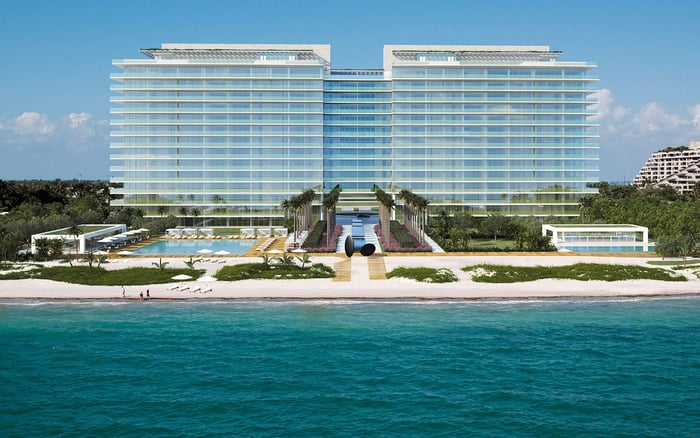
A discreet buyer’s guide for Buenos Aires families considering Miami, with emphasis on philanthropic calendars, neighborhood rhythm, residency planning and lifestyle fit.

For many Buenos Aires buyers, Miami is not merely a second address. It is a warmer, more liquid stage for family life, capital preservation, travel, schooling, healthcare access, art weekends, philanthropy and discretion. The decision often begins with real estate, but it rarely ends there. The most sophisticated buyers tend to evaluate Miami through two parallel lenses: how a residence supports Florida residency planning, and how the city’s charitable calendar supports the social life they want to build.
This buyer’s guide perspective is intentionally practical. A buyer may fall in love with a terrace, a private elevator and a Biscayne Bay view, yet the better question is whether the home supports the pattern of life the family intends to document and enjoy. A Miami residence should feel effortless in February, useful in May, welcoming in October and credible throughout the year.
In Buenos Aires, private networks often develop through family, school, clubs and cultural patronage. Miami operates with a different tempo. Its charitable calendar can function as a social map, revealing where a family may feel most at home before the first dinner invitation becomes routine.
For buyers, that means looking beyond event glamour. A gala, museum benefit, hospital dinner, school fundraiser or foundation luncheon can signal which neighborhoods have compatible rhythms. The guest list matters less than the cadence. Do you want black-tie weekends near Miami Beach, intimate art patron circles, family-centered philanthropy in Coral Gables and Coconut Grove, or a business-forward circuit centered near Brickell?
This is where real estate strategy and lifestyle planning begin to overlap. A residence near The Perigon Miami Beach may suit the buyer who wants beach proximity and an elegant social orbit. A home tied to the Grove, by contrast, may appeal to families seeking quieter streets, schools, marinas and a more residential rhythm.
Florida residency should not be treated as a single form, a single purchase or a single season. It is better understood as a pattern of life, supported by where a family spends time, receives services, manages daily routines and organizes records. Buyers relocating from Buenos Aires should involve qualified tax, legal and immigration advisers early, particularly when multiple jurisdictions, family entities or operating companies are involved.
The residence itself can either support or complicate that pattern. If the Miami home is too small for family visits, lacks work privacy or feels like a hotel suite rather than a base, it may be used less than intended. If it offers the right bedrooms, storage, parking, privacy, staff flexibility and access to preferred schools, physicians, clubs and airport routes, daily use becomes more natural.
In Brickell, 2200 Brickell speaks to buyers who want proximity to finance, dining and an urban waterfront lifestyle without sacrificing residential intent. For some Buenos Aires families, that makes the city feel immediately legible: meetings, dinners, private banking and home can all sit within a compact routine.
Miami is not one market. It is a collection of distinct lifestyle districts, and each one communicates something different about how a buyer intends to live.
Brickell is efficient, international and urban. It suits buyers who want business access, skyline energy and a polished vertical lifestyle. Miami Beach offers resort ease, cultural visibility and the pull of ocean air, especially for those who associate South Florida with entertaining and seasonal guests. Coconut Grove is more discreet, leafy and family-oriented, with a village atmosphere that often resonates with buyers who value privacy without isolation. Bal Harbour carries a quieter luxury language, defined by refinement, waterfront access and proximity to high-level retail and dining.
For buyers considering Coconut Grove, Four Seasons Residences Coconut Grove may align with a desire for branded service within a neighborhood known for a softer, more residential pace. In Bal Harbour, Rivage Bal Harbour can appeal to those who want an address that reads composed rather than performative.
The charitable season can help buyers test Miami before committing to a final neighborhood. Rather than scheduling one compressed property tour, a family can use repeat visits around cultural, educational or philanthropic obligations to experience the city in different moods.
A buyer who attends events only from a hotel may miss the logistical reality of life between home, school, dinner and the airport. By contrast, a buyer who spends time in shortlisted neighborhoods during meaningful calendar moments can better understand drive patterns, building service standards, guest flow and whether the location supports both public commitments and private recovery.
This is especially important for families whose Miami home will host relatives from Argentina. A residence should handle arrival days gracefully. Consider guest suites, kitchen function, terrace comfort, service access, elevator privacy and how easily a driver can manage pickups during busy weekends. Philanthropy may happen in ballrooms, but the success of a social season is often decided at home.
Before a purchase, buyers should assemble advisers who understand cross-border family structures and Florida residential expectations. Real estate counsel, tax advisers, estate planners, immigration counsel, insurance specialists and private bankers should work from the same assumptions. The goal is not complexity. The goal is alignment.
Household discipline matters as much as advice. If a family intends Miami to become a principal base, the residence should be operational, not symbolic. That means utilities, insurance, building registrations, vehicles if appropriate, domestic staffing needs, medical relationships, school planning and club routines should be considered before closing. The more natural the household becomes, the less the home feels like an occasional investment.
Buyers should also be precise about use. A residence chosen for entertaining may differ from one chosen for quiet family residency. A waterfront condominium may be ideal for a couple with adult children, while a larger residence with more flexible bedrooms may better serve a multigenerational family. The best purchase is the one that supports the life actually being planned.
For Buenos Aires buyers, privacy often ranks as highly as view. Look closely at elevator access, staff circulation, valet discretion, package handling, guest procedures and amenity density. A spectacular building can feel less appealing if every arrival becomes visible.
Storage is another underappreciated factor. Families moving between hemispheres need wardrobe depth, luggage space and room for seasonal entertaining pieces. Outdoor space also matters, but it should be usable, not merely photogenic. Terraces that support morning coffee, evening conversation and family gatherings can become the emotional center of a Miami home.
Finally, consider whether the residence supports continuity. Can it function during holidays, school visits, business weeks and charitable weekends? Can advisers, relatives and staff operate smoothly within the building’s rules? Does the location make Miami feel easier, or does it add friction? For buyers balancing Buenos Aires and South Florida, ease is not a luxury detail. It is the foundation of long-term use.
Should Buenos Aires buyers choose a Miami neighborhood before studying the social calendar? Not necessarily. The charitable calendar can reveal where a family’s social, cultural and philanthropic life may naturally form.
Is buying a Miami residence enough to establish Florida residency? A purchase alone should not be treated as a complete residency strategy. Buyers should coordinate with qualified legal and tax advisers.
Why do charitable events matter to real estate decisions? They show how a family may actually use Miami, including dinners, school events, cultural patronage, guest stays and recurring obligations.
Which Miami area feels most urban for international buyers? Brickell often suits buyers seeking business proximity, dining access and a more vertical city rhythm.
Which area suits a quieter family lifestyle? Coconut Grove often appeals to buyers seeking a more residential pace, privacy and neighborhood texture.
Is Miami Beach better for entertaining? It can be, especially for buyers who value beach access, cultural visibility and a resort-like social setting.
Why consider Bal Harbour? Bal Harbour suits buyers who prefer refined luxury, discretion and a composed waterfront environment.
When should advisers become involved? Advisers should be involved before contract decisions, particularly when residency, tax, immigration or estate planning questions are present.
What building features matter most for this buyer profile? Privacy, guest flow, storage, terrace usability, service standards and convenient access to daily routines all deserve close review.
Can one residence serve both lifestyle and residency goals? Yes, if it is selected around real household use rather than only views, branding or occasional vacation appeal.
When you're ready to tour or underwrite the options, connect with MILLION.
If branded residences are on your mind — as a home or as an allocation — we would be glad to share what we are seeing, privately.
Begin a quiet conversation