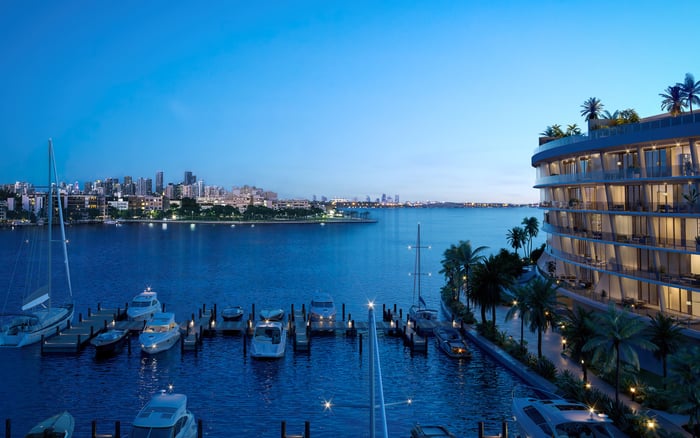
A storm-day purchase lens for Grove Isle buyers, focused on daily comfort, operational resilience, access, parking, waterfront exposure, and long-term ownership confidence.
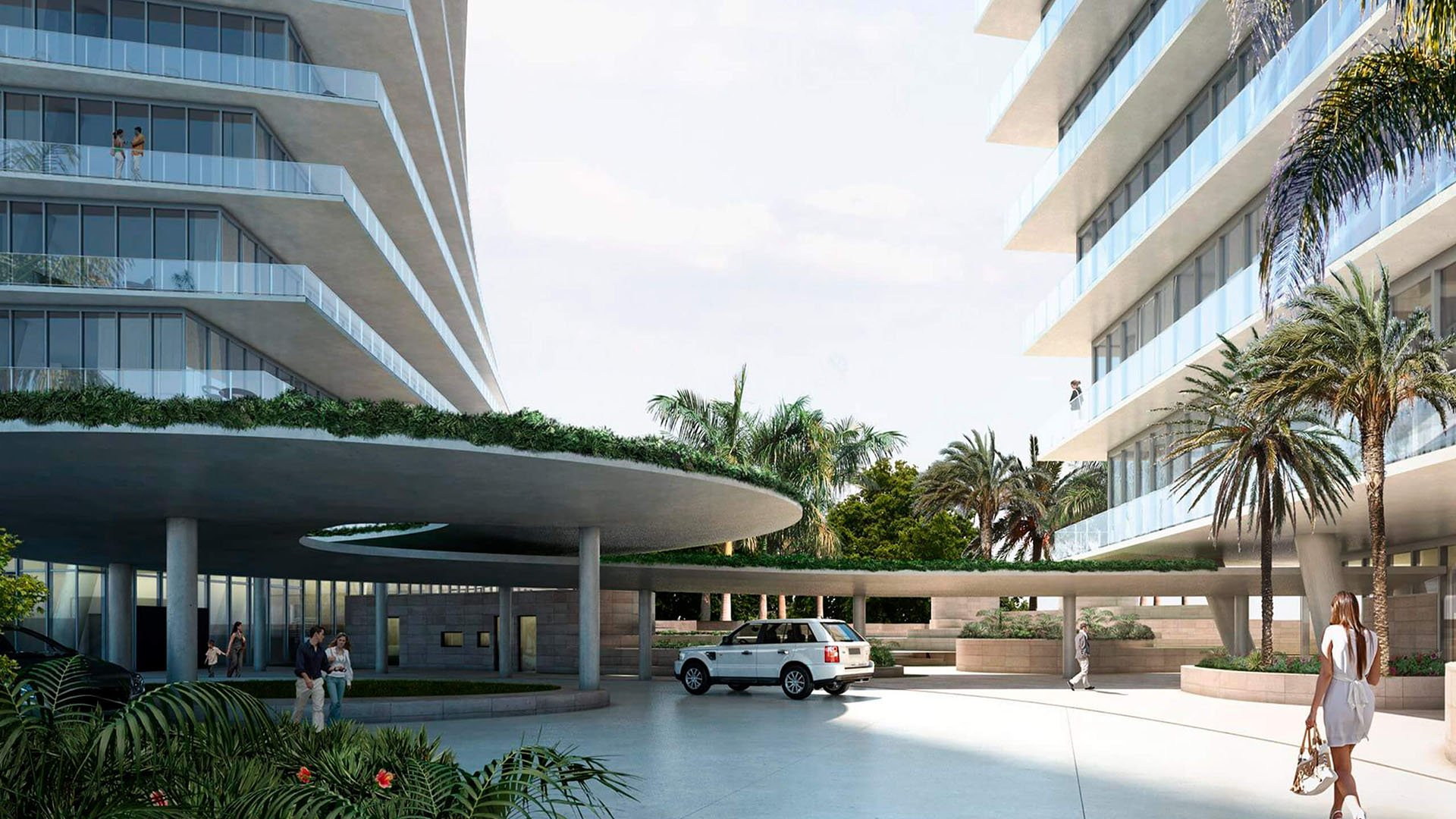
In Grove Isle, the most elegant residence is not defined only by light, views, finishes, or a handsome lobby. For a sophisticated buyer, the sharper question is how the home performs when South Florida is wet, windy, humid, and operationally strained. Storm-day livability is not alarmism. It is the measure of whether a property remains composed when conditions are less than ideal.
A fair-weather tour can flatter almost any waterfront address. A storm-day evaluation reveals the deeper layers: access, drainage, staffing, communications, power continuity, parking protection, vertical circulation, and the quiet competence of building management. This is the difference between admiring a residence and understanding how it will live.
Grove Isle buyers are often drawn to privacy, water, and the softer residential rhythm of Coconut Grove. That lifestyle deserves a due-diligence standard as refined as the setting. Whether considering Vita at Grove Isle or comparing the enclave with other Grove offerings, storm-day livability should be reviewed before contract confidence hardens.
The most useful showing may not be the one with perfect skies. If possible, schedule a second visit during steady rain or shortly after a heavy storm. Watch the arrival sequence, not just the apartment. Does the approach feel orderly? Are low spots collecting water? Is lighting adequate in covered and uncovered areas? Do staff members appear prepared, visible, and calm?
Inside the building, move slowly. Listen for mechanical noise. Observe whether entry floors are dry, elevator lobbies feel controlled, and residents appear to be improvising or simply going about their day. Luxury is often revealed in the absence of friction.
Ask how residents receive storm updates, building notices, vendor access instructions, and post-weather operational changes. A beautiful building can feel unsettled if communication is vague. A well-run building feels legible, even as conditions change.
Storm-day livability begins with continuity. Buyers should ask which building systems have backup power, how long key functions are intended to remain operational, and what that support actually covers. Do not assume every elevator, corridor, amenity, access-control system, or in-unit function is treated equally.
Clarify whether backup power supports life-safety systems only, selected elevators, garage access, water pressure, communications, limited lighting, or broader comfort systems. The exact answer matters less than the clarity of the answer. An association or developer representative should be able to explain the hierarchy of systems in plain language.
For high-floor buyers, elevator planning is central. For low-floor buyers, drainage and water-management details may deserve closer attention. In either case, ask for written building protocols. A storm plan that lives only in conversation is less reassuring than one that is documented, updated, and understood by staff.
Once inside the unit, look beyond the view. Inspect doors, glazing, terrace thresholds, balcony drains, exterior hardware, and the way water moves around the building skin. Ask what impact-rating, installation, maintenance, and inspection information is available for windows and doors. If the residence has large openings or deep outdoor living areas, understand how those spaces are prepared before severe weather.
Balcony drainage is especially important in waterfront living. Standing water, stained thresholds, swollen exterior materials, or recurring repairs can signal future inconvenience. Buyers should also ask about approved storm-shutter procedures if applicable, furniture storage rules, and who is responsible for securing outdoor elements.
This is where comparison helps. A buyer touring Coconut Grove may look at the detailing and service assumptions at Four Seasons Residences Coconut Grove, then return to Grove Isle with a clearer sense of what operational refinement should feel like. The point is not to make every building identical. It is to define the buyer’s threshold for comfort.
Waterfront ownership is one of South Florida’s great privileges, but it calls for mature questions. How are waterfront edges, landscaping, exterior amenities, and common areas prepared before a storm? Who makes the call, who performs the work, and how quickly are areas restored afterward?
If a marina component, boat access, or water-adjacent storage is relevant to the purchase, the buyer should ask about vessel protocols, access restrictions, insurance responsibilities, and post-storm inspection procedures. The answers should be specific enough to guide real behavior, not merely reassuring in tone.
Also consider ordinary routines. Can groceries, caregivers, drivers, and service providers move efficiently during unpleasant weather? Is there a covered path from parking to elevator? Are package rooms, storage cages, bicycle areas, pet relief areas, and loading zones positioned sensibly? Storm-day livability is often decided by mundane details, precisely because those details repeat.
A residence can feel secure while its supporting spaces tell a different story. Buyers should walk the garage, storage rooms, mechanical-area approaches, and service corridors when permitted. Look for slope, ventilation, cleanliness, water staining, and evidence of careful maintenance.
Vehicle protection matters in a market where many buyers keep collector cars, secondary vehicles, or seasonal transportation. Ask how garage access is managed if power is interrupted, whether gates and doors have manual procedures, and how residents are instructed during storm preparation.
Storage is similarly revealing. If personal items, outdoor furniture, sports equipment, or art crates will be kept outside the residence, buyers should understand whether those areas are climate-controlled, elevated, monitored, or vulnerable to moisture. In luxury real estate, the hidden rooms often determine the ease of ownership.
Grove Isle should be evaluated on its own merits, but buyers benefit from a broader Coconut Grove lens. Touring Park Grove Coconut Grove, The Well Coconut Grove, or other nearby residences can sharpen the eye for arrival choreography, staffing posture, amenity protection, and architectural detailing.
The comparison should not become a contest of amenities. Instead, it should clarify the buyer’s priorities. Some purchasers will prize discretion and island-like calm. Others may want newer building systems, wellness programming, larger service teams, or a more urban relationship to restaurants and schools. Storm-day livability helps translate those preferences into practical ownership decisions.
Lifestyle confidence is the goal. A residence should support elegant daily life in January sunshine and August rain. The best choice is the one where beauty, management, and resilience feel aligned.
Before signing, request the building’s storm procedures, insurance information, recent maintenance history, reserve posture, and any available documentation on critical systems. Ask how often plans are reviewed and how residents are notified before, during, and after major weather events.
Speak with the management team if possible. Their tone matters. The best operators are direct, specific, and unflustered. They do not overpromise. They explain sequence, responsibility, and limitations with confidence.
Finally, align the residence with your personal risk profile. A seasonal owner, full-time resident, boating family, frequent traveler, pet owner, or art collector may each define storm-day livability differently. The right Grove Isle purchase is not simply the one with the strongest view. It is the one that lets you remain comfortable with the decision when the weather changes.
Should I visit Grove Isle during heavy rain before buying? Yes. A rainy visit can reveal access, drainage, staffing, garage function, and the practical comfort of the building.
What building documents should I request? Ask for storm procedures, insurance information, maintenance history, reserve materials, and any available details on critical systems.
Should backup power be part of my due diligence? Absolutely. Clarify which systems are supported, including elevators, access control, lighting, water pressure, and essential common areas.
Are low-floor and high-floor buyers evaluating different risks? Often, yes. Low-floor buyers may focus more on drainage and exposure, while high-floor buyers should ask detailed elevator questions.
How should I evaluate balcony and terrace areas? Review drainage, thresholds, exterior doors, glazing, furniture rules, and any required storm-preparation procedures.
Why does staffing matter on storm days? Trained staff can make arrival, communication, deliveries, vendor coordination, and post-storm recovery feel more orderly.
Should waterfront exposure affect my offer strategy? It can. Waterfront benefits should be weighed against maintenance, insurance, access, and operational responsibilities.
What should boating buyers ask before purchasing? Ask about marina protocols, vessel preparation, access limits, insurance responsibilities, and post-storm inspection expectations.
Is storm-day livability only about hurricanes? No. It also includes heavy rain, wind, humidity, short power interruptions, difficult arrivals, and everyday service continuity.
How should I compare Grove Isle with other Coconut Grove residences? Compare arrival, staffing, systems, amenity protection, parking, and the way each building supports your daily lifestyle.
For a confidential assessment and a building-by-building shortlist, connect with MILLION.
If branded residences are on your mind — as a home or as an allocation — we would be glad to share what we are seeing, privately.
Begin a quiet conversation